Bhongir Fort
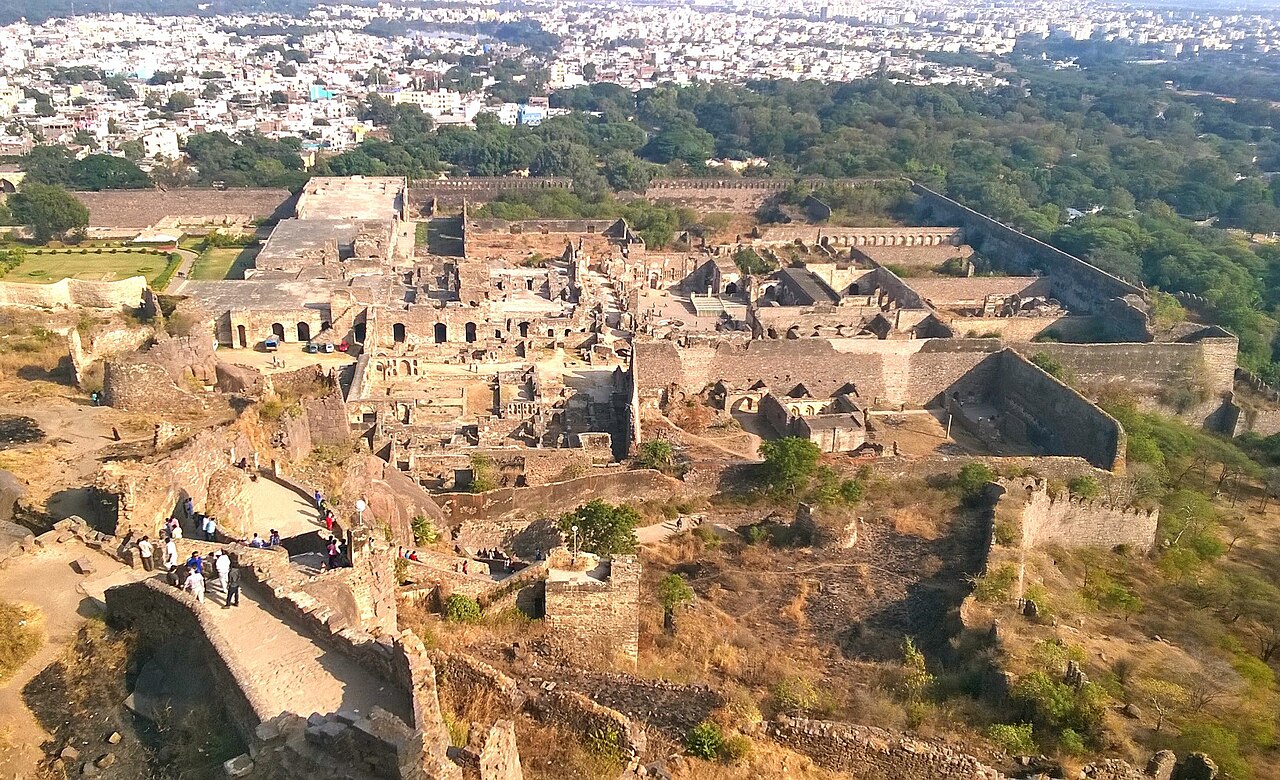
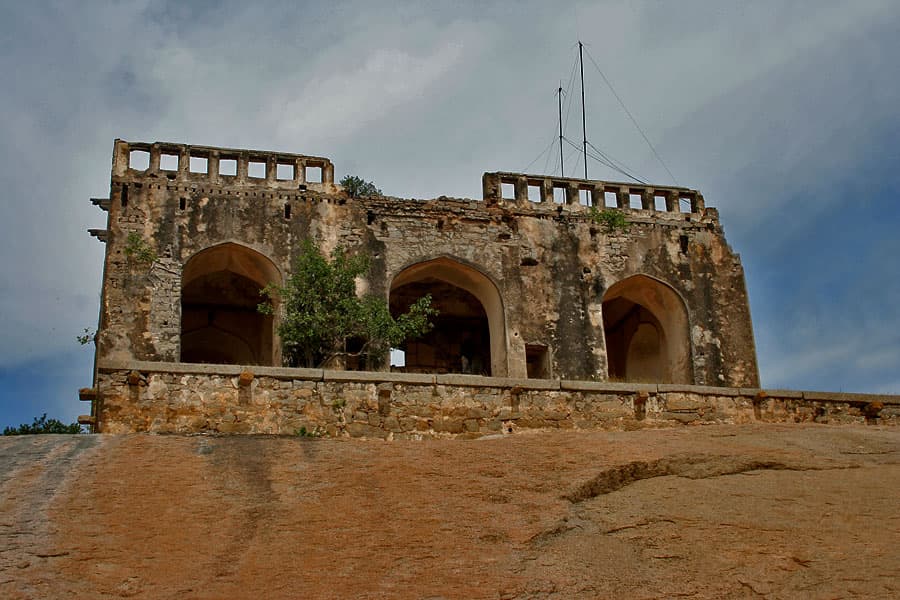
Bhongir Fort, also known as Bhuvanagiri Fort, is a significant early medieval fortress located in the town of Bhongir within the Yadadri Bhuvanagiri district of Telangana, India. This imposing fortification is strategically perched atop a massive monolithic rock formation, rising approximately 500 feet above the surrounding plains. The fort's elevated position provided a commanding view of the surrounding landscape, making it a formidable defensive stronghold in its time. Situated about 47 kilometers from Hyderabad, Bhongir Fort remains a notable historical and architectural landmark in the region.
Historical context and construction
The construction of Bhongir Fort dates back to the 10th century, during the early medieval period. It was initially built by the Kakatiya dynasty, a powerful ruling family known for their contributions to architecture and fortifications in the Deccan region. The fort was designed to serve both military and administrative purposes, reflecting the strategic importance of the region during that era.
The fort's builders took advantage of the natural rock outcrop, integrating the rugged terrain into the fortification's design. The use of the rock as a foundation enhanced the fort's defensive capabilities, making it difficult for invaders to breach its walls.
Architectural features and layout
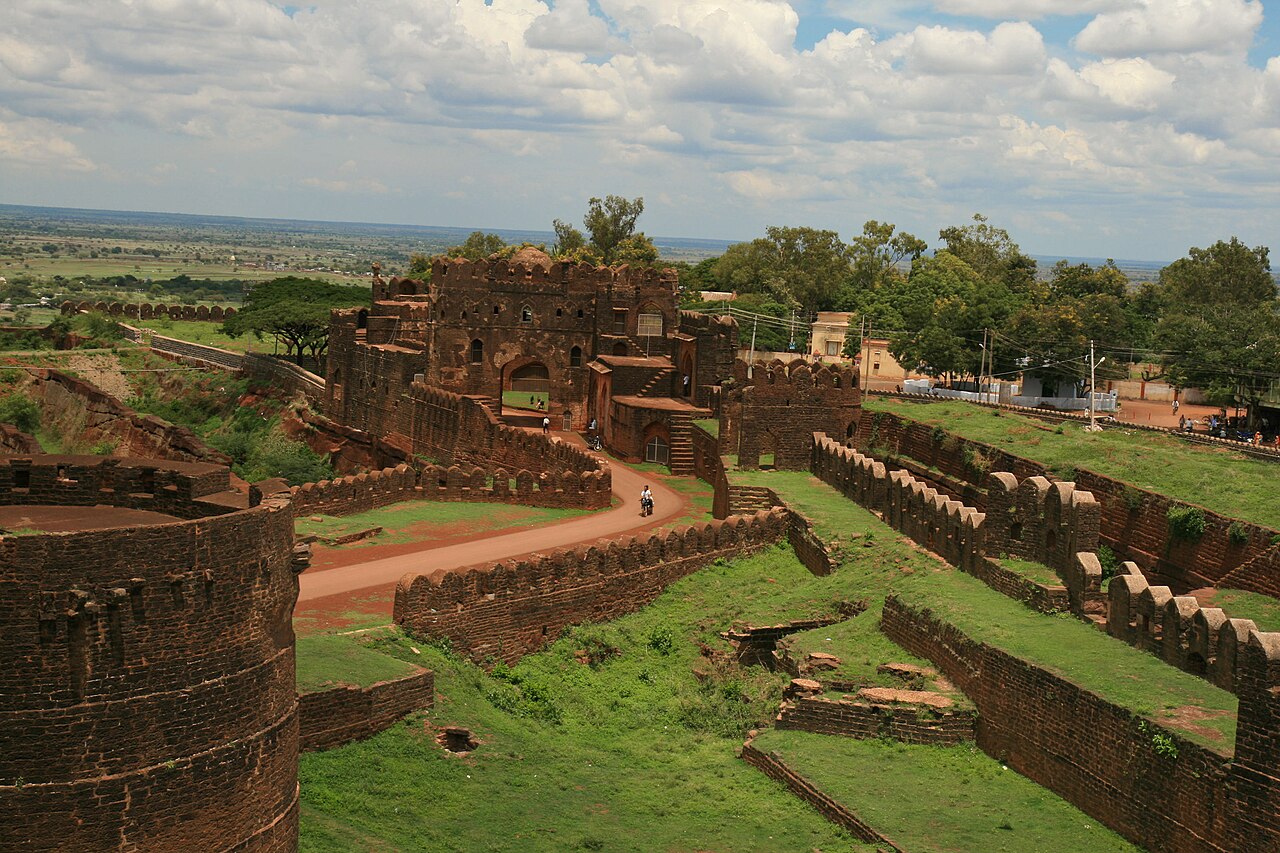
Bhongir Fort is characterized by its robust stone walls that encircle the summit of the rock, enclosing the fort's core structures. The fort's walls are punctuated by several bastions and watchtowers, which provided vantage points for surveillance and defense against attackers.
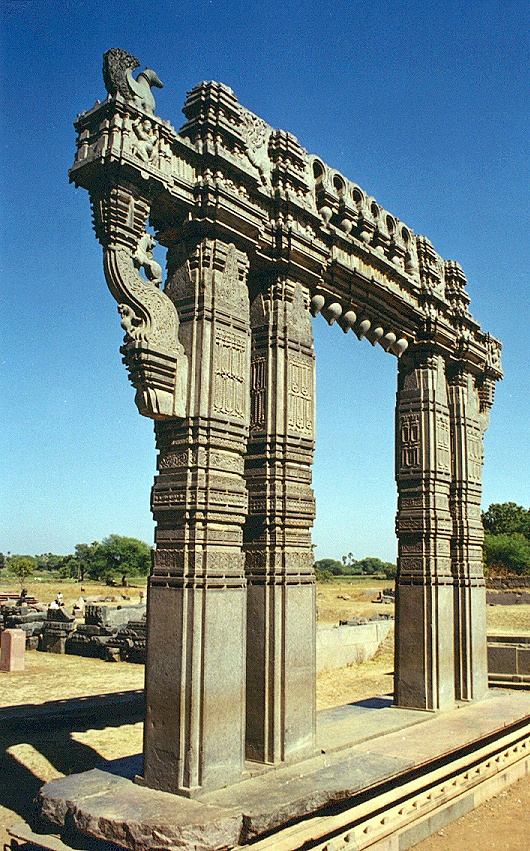
The entrance to the fort is marked by a series of imposing gates designed to control access and slow down enemy advances. The gates are constructed with heavy stone blocks and feature defensive elements such as arrow slits and machicolations.
Within the fort's enclosure, remnants of various structures can be found, including residential quarters, granaries, and water reservoirs. The presence of these facilities indicates that the fort was designed to sustain a garrison for extended periods during sieges.
The fort also features a network of steps and pathways carved into the rock, allowing movement between different levels and sections of the fort. These pathways demonstrate the integration of natural topography with human engineering.
Military significance and historical events
Throughout its history, Bhongir Fort served as a strategic military outpost due to its elevated position and strong defenses. It was involved in various regional conflicts and power struggles, particularly during the rule of the Kakatiya dynasty and later under the control of the Bahmani Sultanate and the Qutb Shahi dynasty.
The fort's natural defenses and man-made fortifications made it a challenging target for invading forces. Its ability to withstand sieges and attacks contributed to the control of the surrounding territories.
Current condition and preservation
Today, Bhongir Fort stands in a state of ruins, with many of its original structures partially preserved or collapsed. Despite this, the fort remains an important archaeological site, attracting historians, architects, and tourists interested in early medieval Indian fortifications.
Efforts have been made to preserve the remaining structures and maintain the site's accessibility. Visitors can explore the fort's ruins, climb the rock to enjoy panoramic views, and study the architectural ingenuity of the early medieval builders.
Visiting Bhongir Fort
The fort is accessible from Hyderabad and nearby towns, making it a popular destination for day trips and historical tours. The climb to the summit involves ascending a series of steps carved into the rock, which can be moderately challenging but rewarding with scenic vistas.
Visitors are advised to wear suitable footwear and carry water due to the rocky terrain and the fort's elevation. The site offers opportunities for photography, historical exploration, and experiencing a piece of India's medieval heritage.
Frequently asked questions (FAQ)
- How do I reach Bhongir Fort from Hyderabad?
- Bhongir Fort is located about 47 km from Hyderabad and can be reached by road via bus or car, typically taking around 1.5 hours.
- What is the best time to visit Bhongir Fort?
- The best time to visit Bhongir Fort is during the cooler months from October to February when the weather is pleasant for climbing and exploring.
- Is Bhongir Fort accessible for all visitors?
- The fort involves climbing steep steps carved into the rock, which may be challenging for visitors with mobility issues. Caution is advised while exploring the ruins.
- Are there guided tours available at Bhongir Fort?
- Guided tours are sometimes available through local operators, providing insights into the fort's history and architecture. Visitors can also explore independently.
- What are the notable architectural features of Bhongir Fort?
- Key features include robust stone walls, bastions, watchtowers, fortified gates, water reservoirs, and pathways carved into the rock, showcasing early medieval military engineering.
Photo gallery

Information
Current owner
State museum
Loading map...
Visitor reviews
No reviews yet. Been here? Write the first review and help other travelers!
Write the first reviewVisited this castle? Share your experience
Your review helps other travelers and adds first-hand knowledge to our encyclopedia.