Glarentza Castle
Glarentza Castle stands as a significant remnant of medieval fortifications located near modern-day Kyllini in the region of Elis, Greece. Founded in the mid-13th century by William II of Villehardouin, the castle was part of the fortified medieval town of Glarentza, which served as the principal maritime gateway and economic hub of the Frankish Principality of Achaea. Situated at the westernmost tip of the Peloponnese peninsula, this strategic location made Glarentza crucial for controlling maritime trade routes between Greece and Italy.
Historical background and foundation
The establishment of Glarentza was closely tied to the rise of the Frankish Principality of Achaea following the Fourth Crusade and the subsequent partitioning of Byzantine territories in the early 13th century. William II of Villehardouin, the prince of Achaea, founded Glarentza as a fortified town around the 13th century to serve as the principality's main port and the site of its mint, underscoring its economic and military importance. The town was located near the principality's capital, Andravida, and functioned as a vital commercial center facilitating trade, especially with Italian maritime powers such as Venice and Genoa.
Architectural features and fortifications
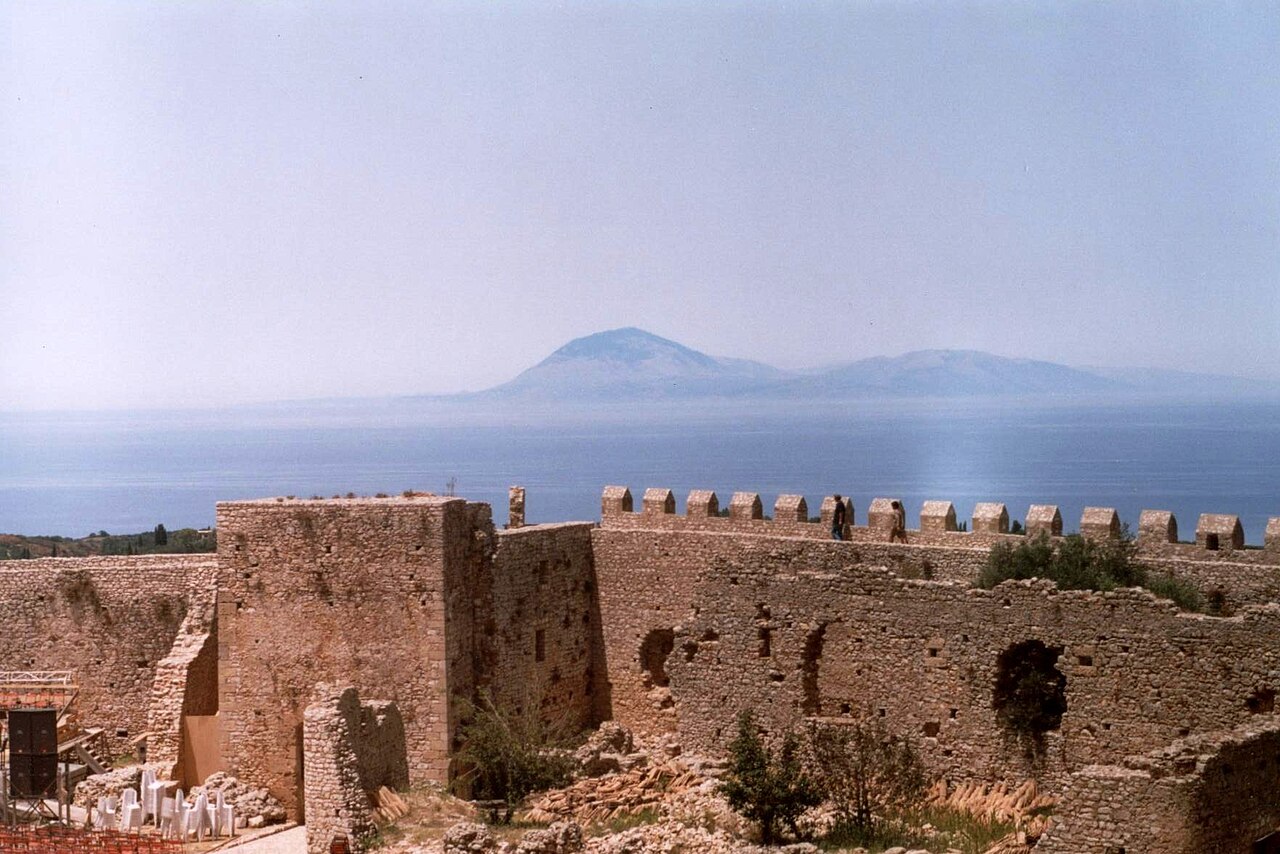
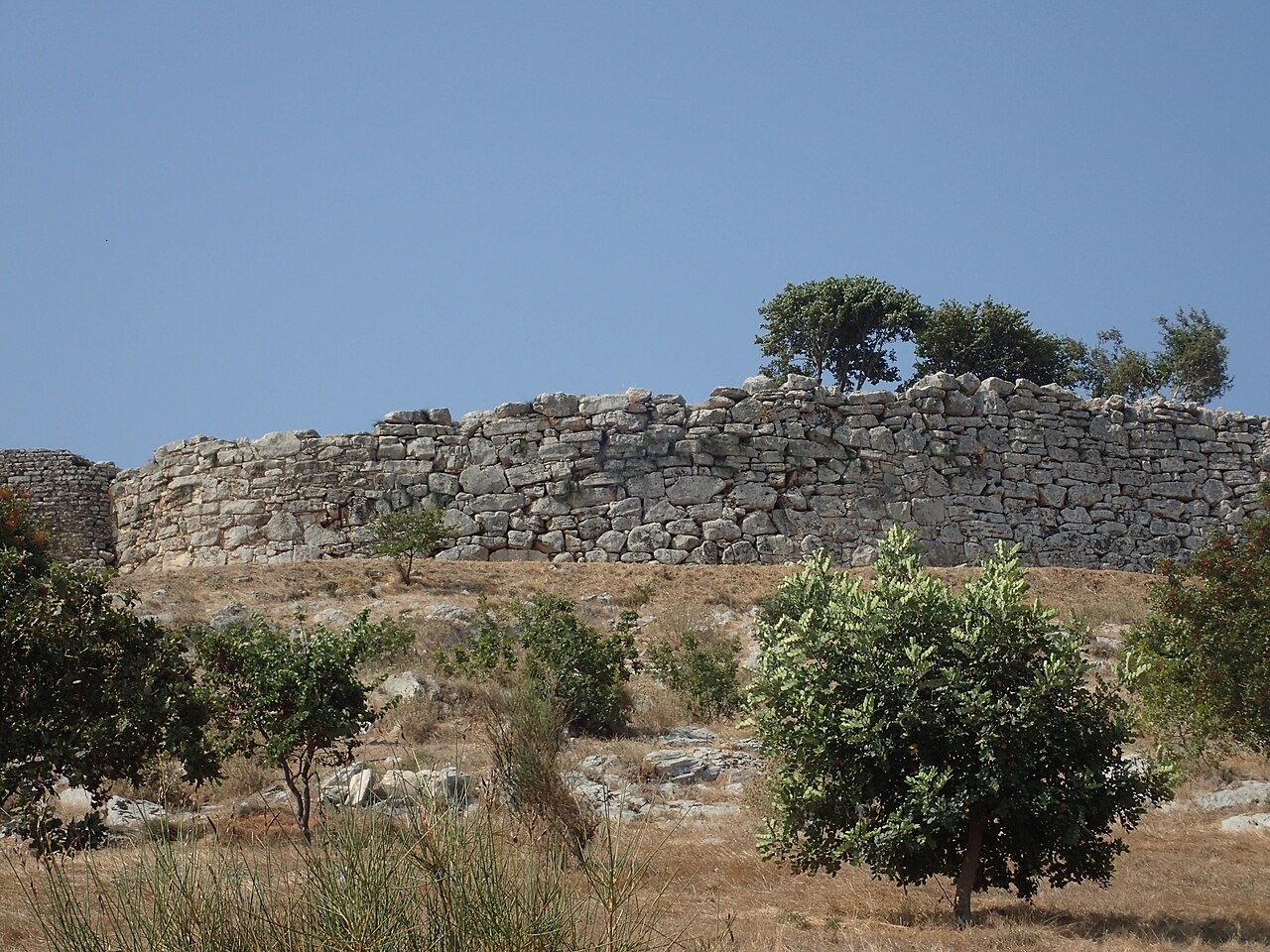
Glarentza Castle was designed as a hill castle with substantial fortifications typical of the High Medieval period. The castle and town were enclosed by robust stone walls that incorporated defensive towers and gates, which protected the harbor and the urban area. Although today only traces of the city walls and some structural remains survive, historical records indicate that the fortress included a complex system of defensive works, including battlements, curtain walls, and possibly a moat fed by the nearby sea.
Harbor defenses
The castle's proximity to the sea meant that its defenses extended to protecting the harbor, which was critical for the principality's trade and naval activities. The harbor was once a bustling maritime hub, but it has since silted up, obscuring much of the original port infrastructure. The combination of natural geography and man-made fortifications made Glarentza a formidable coastal fortress during its peak.
Economic and political significance
As the main port of the Principality of Achaea, Glarentza was central to the principality's economy. It housed the principality's mint, which produced coinage essential for trade and administration. The town's prosperity was closely tied to its commercial links with Italian city-states, which fostered a vibrant exchange of goods, culture, and ideas.
Role within the principality
Glarentza's strategic and economic importance made it a focal point of political power in the region. The town was not only a commercial center but also a military stronghold that helped maintain Frankish control over the western Peloponnese. Its location near Andravida connected it directly to the principality's ruling elite.
Decline and later history
The decline of Glarentza began in the early 15th century, paralleling the weakening of the Principality of Achaea itself. In 1428, the town was ceded to the Byzantine Despotate of the Morea, where it served as a co-capital and the residence of one of the Palaiologos despots. This period marked a shift in political control but did not halt the town's gradual decline.
The final blow came with the Ottoman conquest in 1460. Under Ottoman rule, Glarentza's commercial connections with Italy were severed, leading to rapid economic and demographic decline. By the 16th century, the town was largely abandoned and fell into ruin.
Present-day remains and archaeological significance
Today, only limited remnants of Glarentza Castle and the medieval town survive. Visitors can observe traces of the city walls, the foundations of a church, and a few other building remains. The original harbor has silted up, obscuring much of the maritime infrastructure that once defined the town's prosperity.
Despite its ruined state, Glarentza remains an important archaeological site that provides valuable insights into medieval Frankish architecture, urban planning, and the complex history of the Peloponnese during the High Middle Ages. Its ruins reflect the layers of Frankish, Byzantine, and Ottoman influences that shaped the region over centuries.
Archaeological efforts and preservation
Ongoing archaeological research at Glarentza aims to uncover more details about the town's layout, fortifications, and daily life during its peak. Preservation efforts focus on stabilizing the remaining structures and protecting the site from further degradation, allowing historians and visitors alike to appreciate this key chapter of medieval Greek history.
Frequently asked questions (FAQ)
- When was Glarentza Castle built and by whom?
- Glarentza Castle was built in the mid-13th century by William II of Villehardouin, prince of the Frankish Principality of Achaea.
- What was the strategic importance of Glarentza Castle?
- Glarentza Castle served as the main port and mint of the Principality of Achaea, controlling maritime trade routes and supporting the principality's economy.
- What remains of Glarentza Castle can visitors see today?
- Visitors can see traces of the city walls, foundations of a church, and a few other building remains, although much of the original harbor has silted up.
- Why did Glarentza decline and when was it abandoned?
- The town declined in the early 15th century as the Principality of Achaea weakened, was ceded to the Byzantine Despotate of the Morea in 1428, and was abandoned after the Ottoman conquest in 1460.
- Is Glarentza Castle accessible to visitors?
- While the site is in ruins, it is accessible for visitors interested in medieval history and archaeology, though facilities and detailed visitor services may be limited.
Information
Loading map...
Visitor reviews
No reviews yet. Been here? Write the first review and help other travelers!
Write the first reviewVisited this castle? Share your experience
Your review helps other travelers and adds first-hand knowledge to our encyclopedia.