Bóchali Venetian Castle
Bóchali Venetian Castle, located on the island of Zakynthos, Greece, is a significant historical fortress completed in 1646 during the Renaissance period. Constructed by the Venetians, it served as the administrative center and residence of the Venetian Proveditor, the island's chief governor, along with other officials. The castle's imposing main entrance is crowned by the Winged Lion of Saint Mark, a powerful emblem of the Venetian Republic that symbolized Venetian authority across its territories.
Architectural features and layout
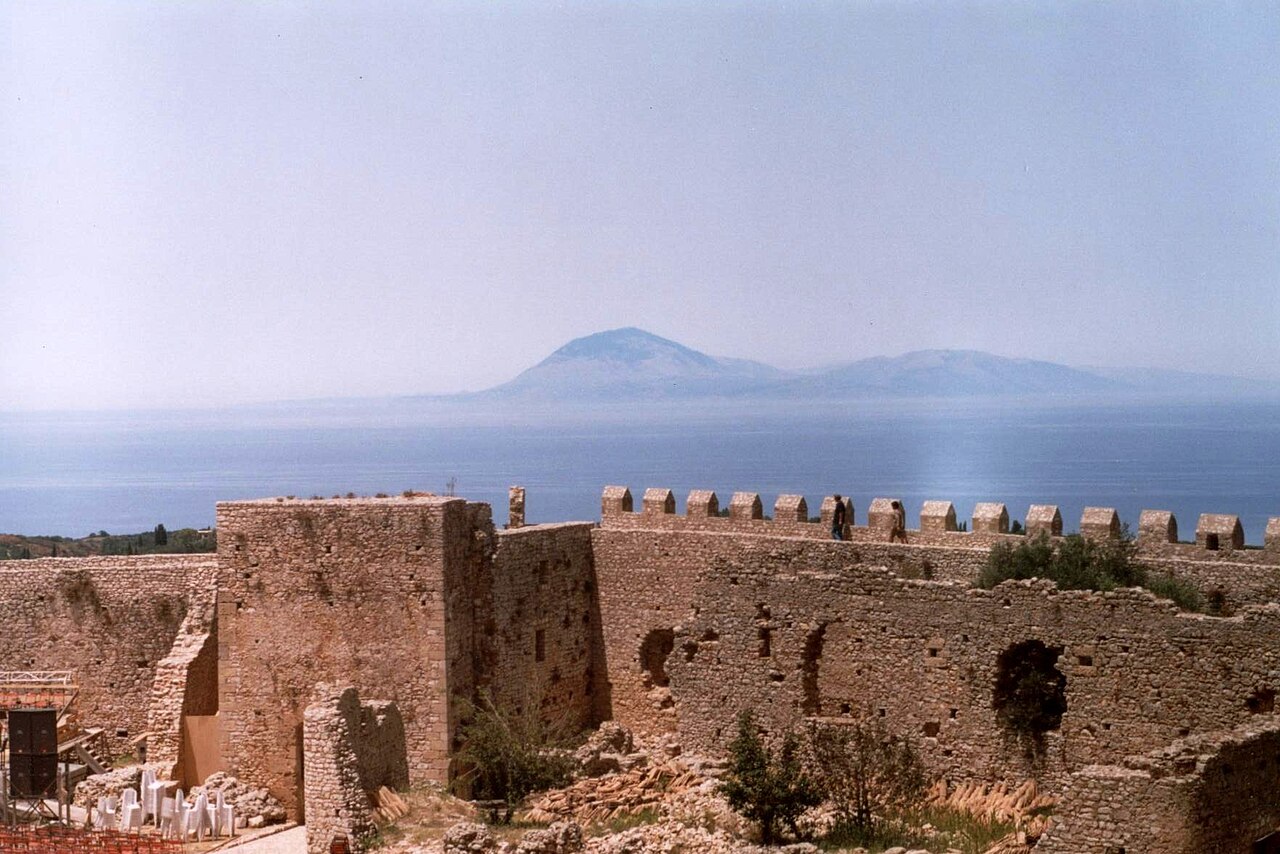
The castle was strategically built on the hill of Bóchali, overlooking the town of Zakynthos and the surrounding Ionian Sea, providing a commanding view for defense and control. Its design reflects typical renaissance military architecture, with thick defensive walls, bastions, and fortified gates adapted to withstand artillery attacks of the period. The castle complex includes multiple structures such as barracks, powder stores, and administrative buildings, which were expanded during the British occupation in the early 19th century.
Churches within the castle walls
One of the castle’s remarkable features is the presence of several historic churches inside its walls, which highlight the religious and cultural life during Venetian rule. These include the Byzantine Church of the Savior (San Salvatore or Domo), dating back to the 12th century, which predates the castle itself and indicates the site's long-standing spiritual significance. The 14th century Church of Saint Francis is another notable religious building, showcasing medieval ecclesiastical architecture. Additionally, the castle houses the church of Santa Barbara, the church of the Virgin Mary Laurentena, and the church of Saint John the Baptist, each contributing to the rich heritage preserved within the fortress.
Historical significance and transformations
Originally constructed to protect the island and serve as the seat of Venetian administration, the castle played a crucial role in the defense against Ottoman and pirate attacks. Over the centuries, it suffered damage from warfare, earthquakes, and the natural wear of time. When the British Empire took control of the Ionian Islands in 1812, they undertook significant reconstruction and modernization efforts. This included the addition of new buildings such as barracks, powder magazines, and the house of the British Parliament, which served as the administrative center during British rule.
Impact of natural disasters and warfare
The castle’s partial damage over time is attributed to several earthquakes that have affected Zakynthos, including the devastating earthquake of 1953 that led to widespread destruction across the island. Despite these challenges, parts of the castle remain partially preserved, offering visitors a glimpse into its past grandeur and strategic importance.
Current status and visitor experience
Today, Bóchali Venetian Castle stands as a partially preserved monument and a popular tourist attraction in Zakynthos. Visitors can explore the castle grounds, admire the views over the town and sea, and visit the historic churches within the fortress walls. The castle's location on the hill of Bóchali provides panoramic vistas that enhance the visitor experience, combining cultural heritage with natural beauty.
Accessibility and tourism
The castle is accessible by road from Zakynthos town, with walking paths leading up to the fortress. It is a favored spot for history enthusiasts and photographers due to its scenic outlook and rich historical context. While some areas of the castle are in ruins, guided tours and informational signage help visitors understand its significance and architectural features.
Frequently asked questions (FAQ)
- When was Bóchali Venetian Castle built and by whom?
- Bóchali Venetian Castle was built in 1646 by the Venetians as a defensive and administrative fortress on Zakynthos island.
- What is the significance of the Winged Lion of Saint Mark at the castle?
- The Winged Lion of Saint Mark above the main entrance symbolizes the Venetian Republic's authority and presence on Zakynthos during the Renaissance period.
- Can visitors explore churches within the castle walls?
- Yes, several historic churches such as the Byzantine Church of the Savior and the Church of Saint Francis are located inside the castle and can be visited.
- How did British rule affect the castle?
- During British rule starting in 1812, the castle was reconstructed with additional buildings like barracks, powder stores, and the British Parliament house added to the complex.
- What caused the castle's partial damage?
- The castle sustained partial damage due to warfare, earthquakes, and the natural aging process over centuries.
Information
Loading map...
Visitor reviews
No reviews yet. Been here? Write the first review and help other travelers!
Write the first reviewVisited this castle? Share your experience
Your review helps other travelers and adds first-hand knowledge to our encyclopedia.