Dymaean Wall
The Dymaean Wall is a significant archaeological site located in Greece, representing one of the most important remnants of Mycenaean fortifications from the Late Bronze Age. Constructed around the 13th century BC, this ancient defensive structure offers valuable insight into the military architecture and strategic planning of the Mycenaean civilization, which flourished during the Late Bronze Age period.
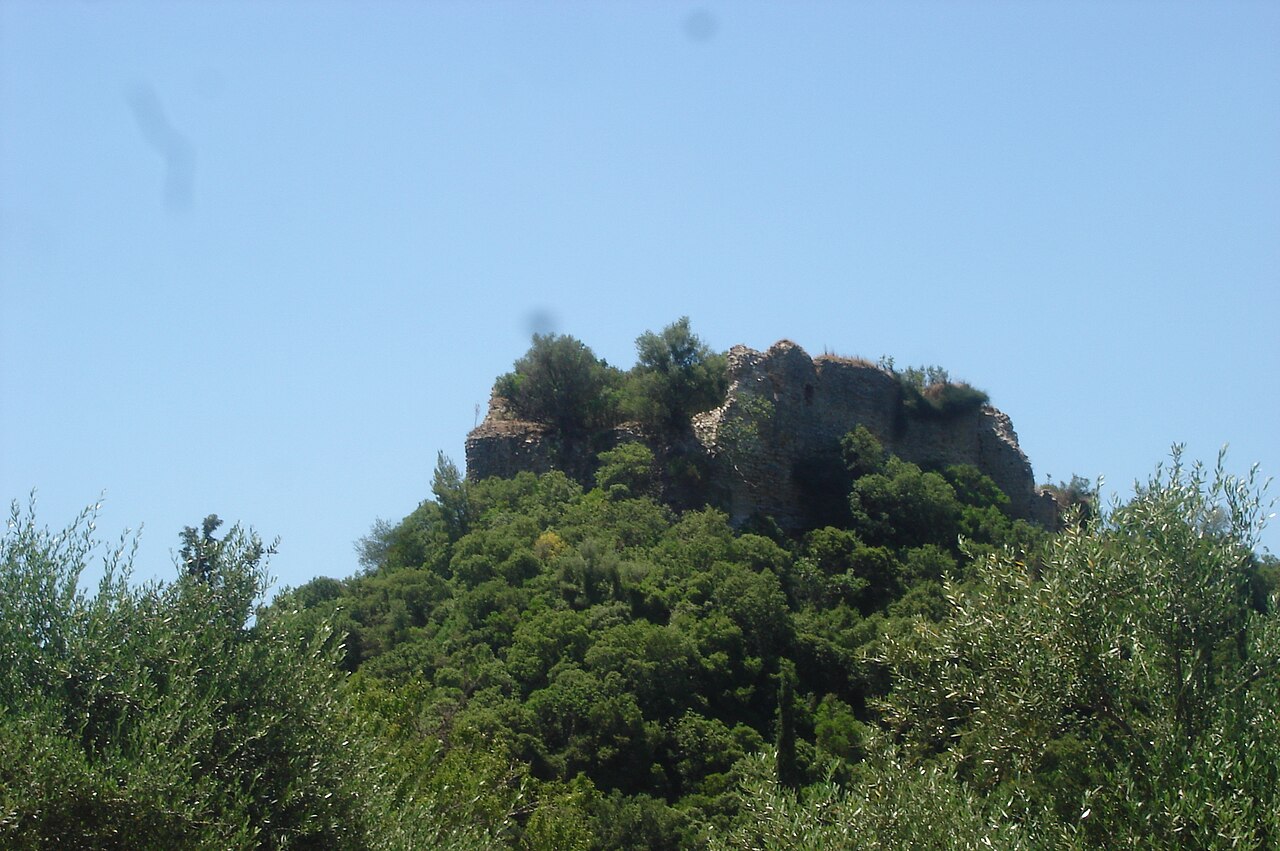
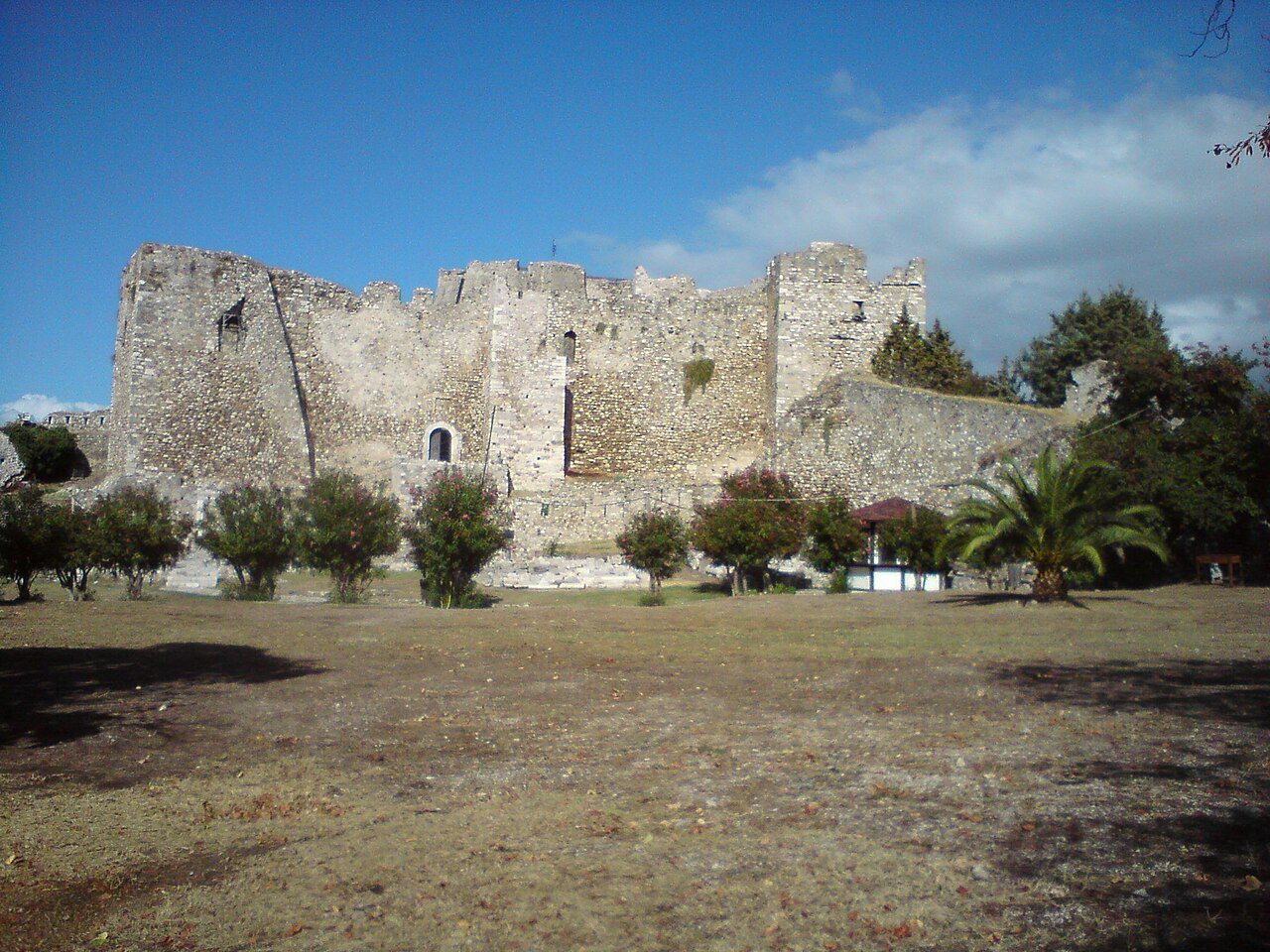
Unlike medieval castles, the Dymaean Wall is a massive stone fortification built to protect a settlement or a strategic location. It is classified as an archaeological ruin due to its current condition, which consists mainly of stone remnants and foundations that have survived millennia. The site is not a castle in the medieval sense but rather a prehistoric fortification that predates the medieval period by many centuries.
Historical context and significance
The Dymaean Wall was constructed during the Late Bronze Age, a period characterized by the rise of powerful Mycenaean kingdoms across mainland Greece. This era saw the development of complex urban centers fortified with massive stone walls designed to withstand attacks from rival groups or invaders. The wall is believed to have been part of a defensive system protecting a Mycenaean settlement or acropolis, reflecting the turbulent times of the era when warfare and territorial control were common.
Its construction techniques and massive scale demonstrate the advanced engineering skills of the Mycenaeans. The wall's strategic placement on elevated terrain provided a commanding view of the surrounding landscape, aiding in early detection of enemy movements and enhancing defensive capabilities.
Architectural features of the Dymaean Wall
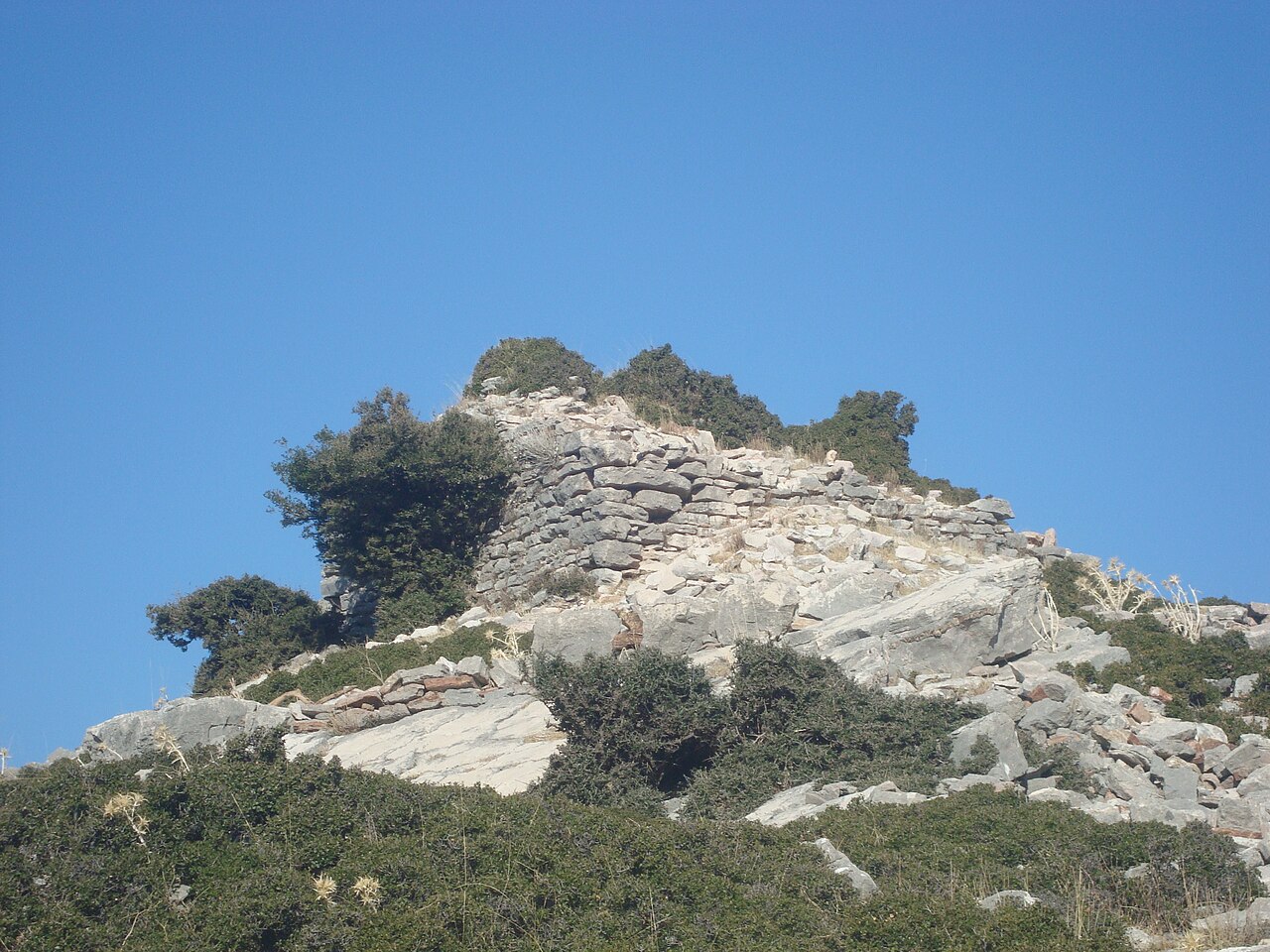
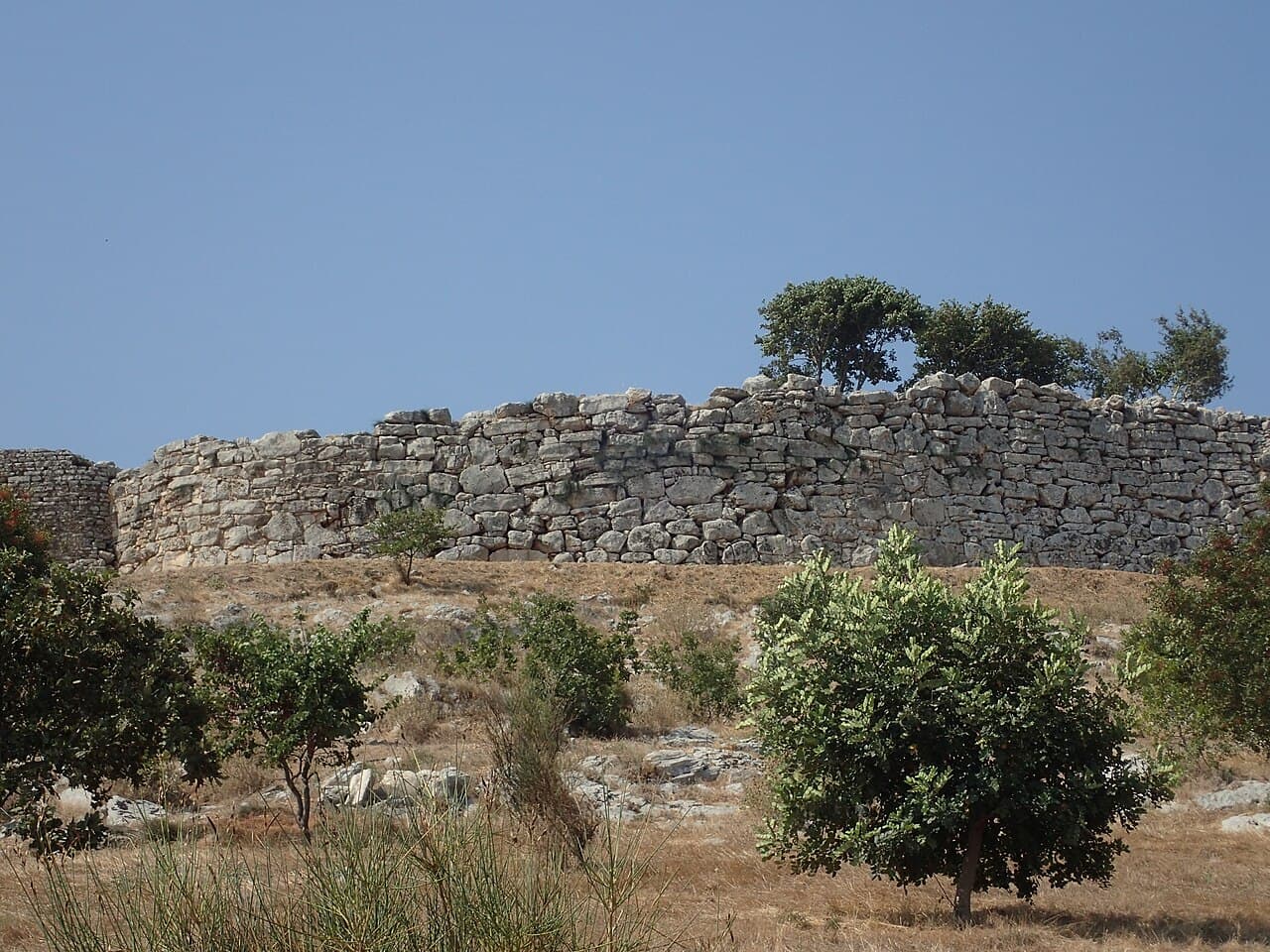
The Dymaean Wall is primarily composed of large, irregular stones carefully fitted together without mortar, a technique known as cyclopean masonry. This style is typical of Mycenaean fortifications and is characterized by the use of enormous limestone boulders that create formidable and durable walls.
The wall extends over a considerable length, enclosing an area that likely contained residential quarters, storage facilities, and possibly religious or administrative buildings. The thickness of the wall and its height, though diminished over time, indicate it was designed to resist siege engines and assaults.
While the wall itself is the most prominent feature, traces of towers or bastions that may have served as lookout points or defensive strongholds have been identified at certain points along the structure. These would have allowed defenders to monitor the surrounding area and provide flanking fire against attackers.
Defensive advantages and strategic location
Built on a hill or elevated plateau, the Dymaean Wall leveraged natural topography to enhance its defensive strength. The elevation provided a tactical advantage, making it difficult for enemies to approach undetected or to mount effective attacks uphill.
The wall's layout likely included gates or controlled entry points, although these features are less well-preserved. Such gates would have been heavily fortified and monitored to regulate access and defend against infiltration.
Archaeological research and preservation
Excavations and studies of the Dymaean Wall have revealed important information about Mycenaean society, military architecture, and settlement patterns. Archaeologists have documented the construction methods and materials, as well as artifacts found in the vicinity, which help date the site and understand its function.
The site remains in a state of ruins, with much of the original structure collapsed or eroded. Preservation efforts focus on stabilizing the remaining walls and protecting the site from further degradation caused by natural elements and human activity.
Visitors to the Dymaean Wall can observe the impressive scale of the ancient fortification and appreciate the craftsmanship of Mycenaean builders. The site offers a tangible connection to Greece's prehistoric past and the early development of fortified settlements.
Comparisons to other Mycenaean fortifications
The Dymaean Wall shares architectural characteristics with other famous Mycenaean sites such as the Citadel of Mycenae and the Palace of Tiryns. These sites also feature cyclopean walls and demonstrate the strategic importance of fortified centers in Mycenaean Greece.
While the Dymaean Wall is less well-known than these major sites, it contributes valuable information about regional variations in fortification design and the extent of Mycenaean influence across the Greek mainland.
Visiting the Dymaean Wall
The Dymaean Wall is an important destination for those interested in ancient Greek history and archaeology. Although it is an archaeological site rather than a restored castle, it provides a unique glimpse into prehistoric fortification techniques and Mycenaean civilization.
Visitors should prepare for uneven terrain and limited facilities, as the site is primarily preserved as ruins. Guided tours or informational materials may be available to enhance understanding of the site's historical context and architectural significance.
Frequently asked questions (FAQ)
- What is the Dymaean Wall and when was it built?
- The Dymaean Wall is an ancient Mycenaean fortification in Greece built around the 13th century BC during the Late Bronze Age.
- What architectural style characterizes the Dymaean Wall?
- The Dymaean Wall features cyclopean masonry, using large limestone boulders fitted without mortar, typical of Mycenaean fortifications.
- Is the Dymaean Wall a medieval castle?
- No, the Dymaean Wall is an archaeological ruin of a prehistoric fortification predating the medieval period by many centuries.
- Can visitors access the Dymaean Wall site?
- Yes, visitors can explore the ruins, but should be prepared for uneven terrain and limited facilities as it is primarily an archaeological site.
- How does the Dymaean Wall compare to other Mycenaean sites?
- It shares features with other Mycenaean fortifications like Mycenae and Tiryns, especially the use of cyclopean walls and strategic hilltop locations.
Photo gallery

Information
Loading map...
Visitor reviews
No reviews yet. Been here? Write the first review and help other travelers!
Write the first reviewVisited this castle? Share your experience
Your review helps other travelers and adds first-hand knowledge to our encyclopedia.