Glamoč Castle — Bosnia and Herzegovina castle

Glamoč Castle

Glamoč castle: medieval bastioned fortress in bosnia and herzegovina
Late Medieval (14th–15th c.)
Ruins

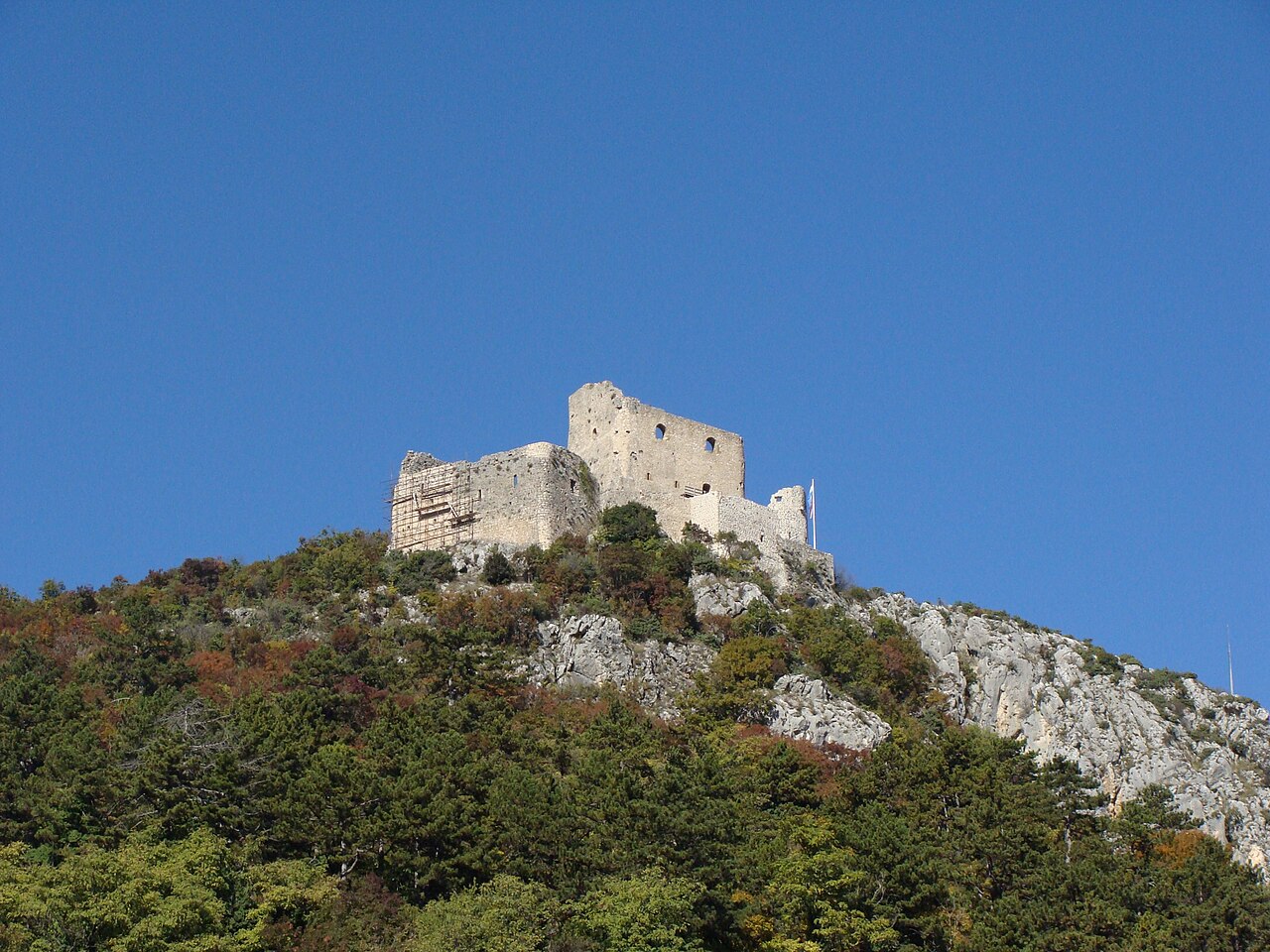
Glamoč Castle is a medieval fortress situated on the north slopes of Staretina mountain, overlooking the town of Glamoč in Bosnia and Herzegovina. Its construction began in the 14th century, marking it as an important defensive structure during the late medieval period. The fortress occupies a strategic position, commanding views over the surrounding landscape and serving as a military stronghold in the region.

Historical context and strategic significance

Glamoč Castle was built during a time of frequent territorial conflicts in the Balkans, particularly as various local and regional powers vied for control. Its location on the slopes of Staretina mountain provided a natural defensive advantage, allowing its occupants to monitor and control the approaches to the town of Glamoč and the surrounding areas. The fortress played a role in the defense against Ottoman incursions and other military threats during the late medieval era.

Architectural features and design

The fortress is classified as a bastioned fortress, a style characterized by angled bastions projecting from the main curtain walls to provide overlapping fields of fire and improved defensive capabilities against artillery attacks. This architectural approach reflects the evolution of military fortifications in response to the introduction of gunpowder and cannon warfare in the late medieval period.

Glamoč Castle's walls are constructed primarily of local stone, with thick ramparts designed to withstand sieges. The bastions allowed defenders to cover the walls with crossfire, reducing blind spots and enhancing the fortress's resilience. The layout likely included a central courtyard, residential quarters, and storage areas, although much of the detailed internal structure has been lost or remains less documented.

Defensive elements

The fortress features curtain walls connected by bastions, enabling defenders to repel attacks from multiple angles. Its elevated position on the mountain slope further enhanced its defensive strength, making direct assaults difficult. The design would have incorporated narrow gates and possibly a moat or ditch to hinder enemy advances, although specific details about these features at Glamoč are limited.

Historical developments and usage

Throughout its history, Glamoč Castle witnessed various phases of occupation and conflict. It served as a military stronghold for local rulers and was involved in regional power struggles. The fortress's strategic importance diminished over time with changes in political control and military technology.

Despite its decline in military use, the fortress remains a significant cultural and historical monument, reflecting the medieval heritage of Bosnia and Herzegovina. Its ruins continue to attract interest from historians, archaeologists, and visitors seeking to understand the region's past.

Current condition and preservation

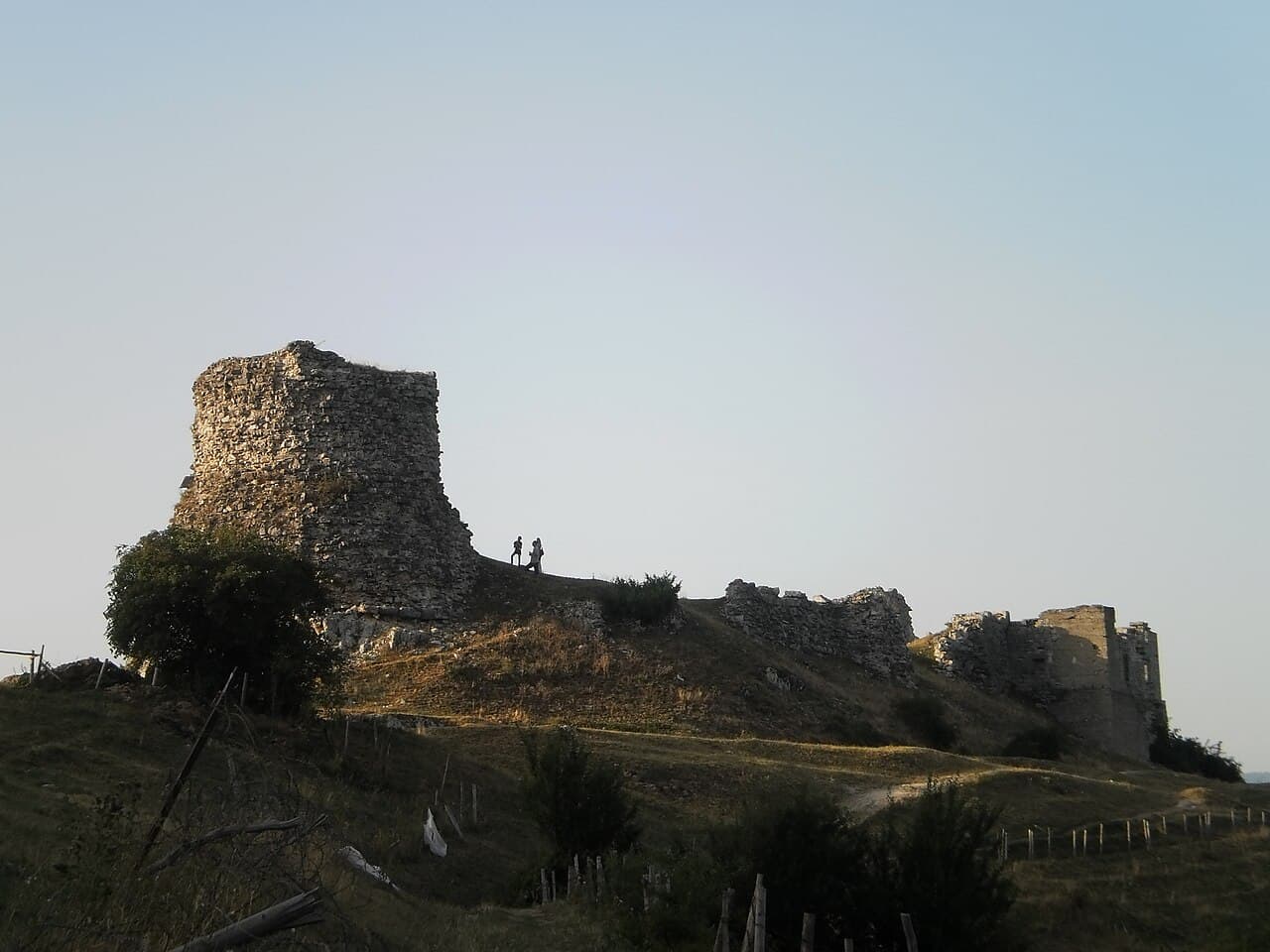
Today, Glamoč Castle is classified as ruins, with many of its original structures partially preserved or deteriorated due to centuries of exposure and lack of continuous maintenance. Efforts to study and preserve the site have been undertaken by local authorities and heritage organizations, aiming to protect its remains and promote its historical value.

The castle's location and condition make it a compelling destination for those interested in medieval fortifications and Balkan history, offering insights into the architectural and military practices of the late medieval period.

Frequently asked questions (FAQ)

When was Glamoč Castle built?
Glamoč Castle was constructed in the 14th century during the late medieval period.
What type of fortress is Glamoč Castle?
Glamoč Castle is a bastioned fortress, designed with angled bastions for improved defense against artillery.
Where is Glamoč Castle located?
The castle is located on the north slopes of Staretina mountain, above the town of Glamoč in Bosnia and Herzegovina.
What is the current condition of Glamoč Castle?
Today, Glamoč Castle stands in ruins, with many original structures partially preserved or deteriorated.
Can visitors access Glamoč Castle?
Access details are limited, but visitors interested in medieval fortifications and Balkan history often visit the ruins.

Photo gallery

Glamoč Castle
Click to view

Photo by IoannesII•CC BY-SA 3.0

1 photo • Click any image to view in full screen

Information

Bastioned Fortress

Loading map...

Visitor reviews

No reviews yet. Been here? Write the first review and help other travelers!

Write the first review

Visited this castle? Share your experience

Your review helps other travelers and adds first-hand knowledge to our encyclopedia.
Write a review

(5/5)

0/2000 characters

Your review will be visible after admin approval

Nearby castles

30.9 km
Sokograd Fortress — Bosnia and Herzegovina castle

Sokograd Fortress

Šipovo, Bosnia and Herzegovina

Sokograd fortress is a prominent medieval bastioned fortress situated in the Pliva river valley within the Šipovo municipality of the Republika Srpska entity in Bosnia and Herzegovina. Constructed in the 13th century, it served as a crucial defensive stronghold for the medieval Bosnian state and was the administrative center of the župa Pliva, historically also known as Pljeva.Strategic location and natural defensesThe fortress is uniquely positioned on a steep canyon slope overlooking the river Sokočnica, which flows into the Pliva River near Šipovo. This elevated placement provided natural defensive advantages, making it difficult for invaders to approach. The fortress's location within a narrow canyon enhanced its defensive capabilities, with the surrounding terrain acting as a natural barrier against attacks.Architectural features and fortificationsSokograd is classified as a bastioned fortress, a style characterized by angular bastions projecting from the curtain walls, allowing defenders to cover adjacent walls with crossfire. Its design reflects high medieval military architecture adapted to the rugged landscape. The fortress complex includes thick stone walls, multiple bastions, and a castle town area within the walls that housed both military personnel and civilians.The fortress's layout was adapted to the irregular terrain, with defensive structures integrated into the natural rock formations. The walls and bastions were constructed to withstand sieges and artillery attacks common in the later medieval period. The presence of a castle town indicates that Sokograd was not only a military installation but also a local administrative and economic center.Historical significance in the medieval Bosnian stateDuring the high medieval period, Sokograd played a central role in the defense and governance of the Pliva region. As the seat of the župa Pliva, it was a hub for local administration and a symbol of the Bosnian state's territorial control. The fortress witnessed various military engagements and political changes throughout the medieval era.Sokograd's strategic importance was linked to its control over the river valleys and trade routes in the region. It helped secure the Bosnian state's borders against neighboring powers and served as a refuge during conflicts. Its endurance through centuries highlights its robust construction and strategic planning.Current condition and preservationToday, Sokograd stands as a partially preserved medieval fortress. While some sections of the walls and bastions remain intact, other parts have succumbed to time and natural decay. The site offers valuable insights into medieval fortification techniques and the historical landscape of Bosnia and Herzegovina.Preservation efforts focus on maintaining the existing structures and promoting the fortress as a cultural heritage site. Visitors can explore the ruins and appreciate the commanding views of the Pliva valley and surrounding terrain, gaining a tangible connection to the region's medieval past.

High Medieval (11th–13th c.)
Details
34.4 km

Glavaš Castle

Kijevo, Croatia

Glavaš Castle, also historically known as the fortress of Dinarić, is a significant late-medieval stronghold located near the village of Validžići, close to Kijevo in the Šibenik-Knin County of Croatia. This castle is perched on the slopes of the Dinara Mountain, a strategic position that underscored its importance during the turbulent times of the 15th and 16th centuries when the Kingdom of Croatia faced the expanding threat of the Ottoman Empire. Constructed in the 15th century, Glavaš Castle was likely established by the noble Nelipić family as part of a defensive network designed to protect southern Croatia. The castle formed a crucial link in a chain of fortifications that included Prozor Castle and Potravnik Castle, all intended to slow or deter Ottoman advances into Croatian territory. Historical context and ownership The early history of Glavaš Castle is closely tied to the fate of the Nelipić family, a powerful Croatian noble lineage that played a pivotal role in the region's defense. After the Nelipić family line ended in 1434, the castle was transferred by King Sigismund of Luxembourg, who ruled over Hungary and Croatia, to the Croatian noble family Talovac. Over the following decades, the castle changed hands among several Croatian noble families, reflecting the complex feudal and political dynamics of the time. In 1522, the castle fell to the Ottoman Empire, marking a significant shift in regional control. The Ottomans maintained possession of Glavaš Castle for nearly two centuries, using it as a military outpost until their defeat in 1718, after which the castle was abandoned and gradually fell into ruin. This abandonment marked the end of its strategic military importance in the region. Architectural features and strategic importance While detailed architectural records of Glavaš Castle are scarce, its location on the slope of Dinara Mountain suggests it was designed to take advantage of natural defensive features. The castle was part of a small but vital defensive chain that helped protect the southern borders of the Kingdom of Croatia from Ottoman incursions. Typically, castles of this period and region featured stone walls, towers for surveillance and defense, and possibly a keep or donjon as a last line of defense. The castle's elevated position would have provided commanding views of the surrounding landscape, enabling early warning of approaching forces. Connection with nearby fortifications Glavaš Castle's role as part of a defensive network alongside Prozor and Potravnik Castles highlights its strategic function. These fortresses collectively formed a barrier against Ottoman expansion, signaling the importance of coordinated defense in the medieval Croatian frontier. Current condition and visitor information Today, Glavaš Castle stands as a ruined fortress, freely accessible to visitors who are willing to undertake a short hike uphill from the nearest road. The ruins offer a glimpse into the region's medieval past and the defensive efforts against Ottoman incursions. Although much of the original structure has not survived intact, the site remains a valuable cultural and historical landmark. Visitors can explore the remains of the castle's walls and foundations while enjoying the natural beauty of the surrounding Dinara Mountain region. Visitor tips Wear sturdy footwear suitable for hiking, as the path to the castle involves an uphill trek. Visit during daylight hours to fully appreciate the views and the ruins. Combine a visit to Glavaš Castle with nearby historical sites such as Prozor Castle for a broader understanding of the area's medieval defensive network. Cultural and historical significance Glavaš Castle exemplifies the challenges faced by the Kingdom of Croatia during the late medieval period, particularly in resisting Ottoman expansion. Its history reflects the shifting political landscape of the region, marked by noble family rivalries, royal interventions, and the eventual Ottoman conquest. The castle's enduring legacy lies in its representation of Croatian medieval fortification architecture and its role as a symbol of resistance and strategic defense. Despite its ruined state, Glavaš Castle continues to attract historians, archaeologists, and visitors interested in the military and cultural history of Croatia.

Late Medieval (14th–15th c.)
Details
38.6 km
Prozor Castle — Croatia castle

Prozor Castle

Vrlika, Croatia

Prozor Castle, locally known as Tvrđava Prozor, stands prominently above the town of Vrlika in the Split-Dalmatia region of Croatia. This late medieval fortress occupies a commanding position on an isolated rock detached from the cliffs of the Svilaja mountain range, towering some 200 meters above the town. Its strategic location allowed it to oversee and defend the Vrlika valley and surrounding territories, playing a crucial role in the defense against Ottoman expansion during the turbulent centuries of the 15th to 17th centuries. The site of Prozor Castle has a history that predates the present structure. Archaeological and historical evidence suggests that a smaller fortification existed here before the current castle was built, possibly founded by the Illyrian tribe of the Dalmatae well before Roman times. This earlier stronghold laid the groundwork for the later medieval fortress that would emerge as a key defensive bastion in the region. Early history and medieval origins The fortress was first documented in 1406 under the name Castrum Werhlychky. It was gifted by Ladislaus of Naples, who was King of Naples, Hungary, and Croatia, to his deputy Hrvoje Vukčić Hrvatinić, one of the most powerful Bosnian noblemen of his era. Hrvoje undertook significant expansion and fortification of the castle, transforming it into a formidable stronghold capable of resisting Ottoman incursions. It was during his tenure that the castle acquired the name Prozor, meaning "window" in Croatian, likely referring to its panoramic vantage point over the valley below. Following Hrvoje's death in 1416, ownership passed to Ivaniš Nelipić, a prominent Croatian nobleman. Upon Ivaniš's death in 1435, the fortress passed through marriage to the influential Frankopan family, marking the beginning of a period of contested possession. The castle's control shifted among various noble families and political entities, reflecting the complex feudal dynamics of the Kingdom of Croatia during the late medieval period. Strategic role in croatian-ottoman conflicts Prozor Castle formed part of a defensive network alongside the castles of Glavaš and Potravnik, which collectively guarded the southern frontier of the Kingdom of Croatia. This chain of fortifications was vital in resisting the advancing Ottoman Empire during the Hundred Years' Croatian-Ottoman War. In 1522, the castle fell to the Ottomans during a significant siege. The capture was marked by a brutal massacre of the local inhabitants who had sought refuge within the fortress walls, while the mercenary soldiers who surrendered were spared. The Ottomans maintained control of Prozor Castle until 1688, during which time the fortress served as a military outpost consolidating Ottoman influence in the region. Fortress architecture and layout Constructed on a rocky outcrop, Prozor Castle's design took advantage of the natural defensive features of the terrain. The fortress is dominated by a tall keep (donjon), which served as the last line of defense and residence for the lord or commander. Surrounding the keep is an open courtyard that once contained residential buildings and a chapel, reflecting the castle's dual military and domestic functions. The courtyard was protected by lower ramparts and a round tower, enhancing the defensive perimeter. A drawbridge once provided controlled access to the keep, emphasizing the castle's fortified nature. Additionally, a water tank within the complex ensured a supply of water during sieges, a critical feature for prolonged defense. Later history and decline After the Ottoman retreat in 1688, Prozor Castle passed into the hands of the Republic of Venice, and later the Austrian Empire. Under Austrian rule, the fortress lost its strategic importance and gradually fell into disrepair. Some sources indicate that the castle was already in ruins by 1715. The region briefly came under French control from 1805 to 1813 before reverting to Austrian administration until the end of World War I. Today, Prozor Castle remains a partially restored ruin. Its remnants include the keep, sections of stone walls, the chapel foundations, and other structural elements that hint at its former grandeur. The castle is freely accessible to visitors, who can reach it by a trail starting near the Roman Catholic parish church in Vrlika, involving a short drive and a 25-minute walk. Cultural significance and tourism Prozor Castle is not only a monument to the turbulent medieval history of Croatia but also a symbol of resilience against foreign invasions. Its commanding position and historical narrative attract visitors interested in medieval architecture, Croatian history, and the legacy of the Ottoman wars in Europe. The castle's ruins offer panoramic views of the Vrlika valley and the surrounding mountain ranges, making it a favored destination for hikers and history enthusiasts. Efforts to preserve and partially restore the fortress have helped maintain its status as an important cultural heritage site in the Split-Dalmatia region. Visitor information The castle is open year-round with free admission. Access involves a short drive from Vrlika town center followed by a moderate hike. Visitors should wear suitable footwear due to the uneven terrain and rocky paths. Nearby attractions include the town of Vrlika, the Cetina river spring, and the Dinara mountain. Prozor Castle remains a poignant reminder of Croatia's medieval past and its strategic importance in the defense of the region. Its ruins stand as a testament to centuries of conflict, noble lineage, and architectural adaptation to the demands of warfare and residence.

Late Medieval (14th–15th c.)
Details