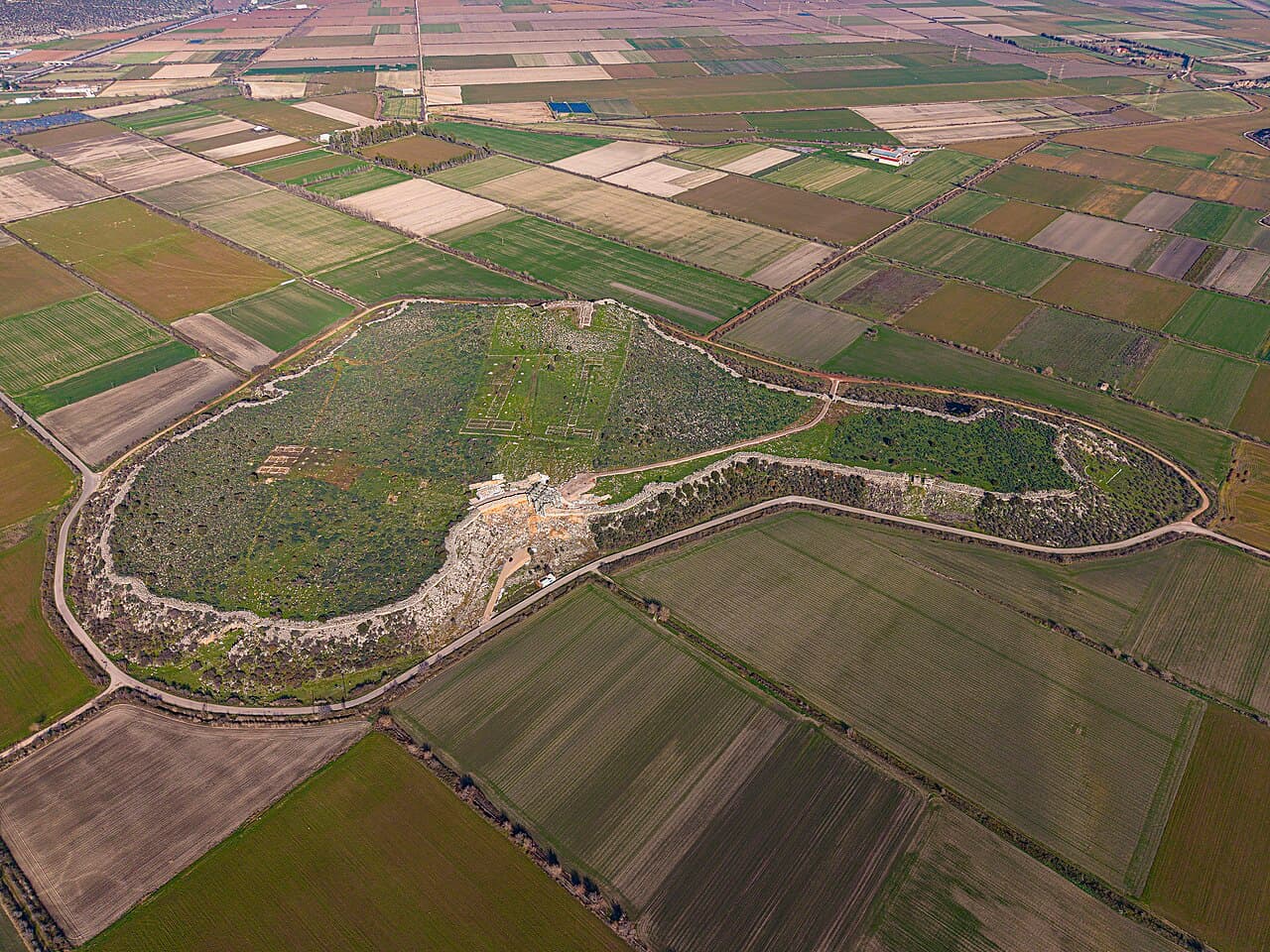
Gla, also known as Glas, is a monumental fortified complex from the Mycenaean civilization situated in the region of Boeotia in mainland Greece. This site stands out as one of the largest prehistoric fortified enclosures in Greece, covering an area that is more than ten times the size of contemporary Mycenaean centers such as Athens or Tiryns. Despite its vast scale and strategic importance, Gla is notably absent from the Iliad, suggesting either it was known by another name in Homeric epics or it had a different role in Mycenaean society.
Historical context and significance
The fortress dates to the Late Bronze Age, specifically the Mycenaean period around the 14th to 13th centuries BCE. It was constructed during a time when fortified sites served both defensive and administrative functions within the Mycenaean palatial system. Gla is believed to have been a major agricultural and military center, controlling the fertile plains of Boeotia. Its enormous size indicates a significant population or a large garrison, and it likely played a role in regional power dynamics.
Architectural features and layout
Fortification walls
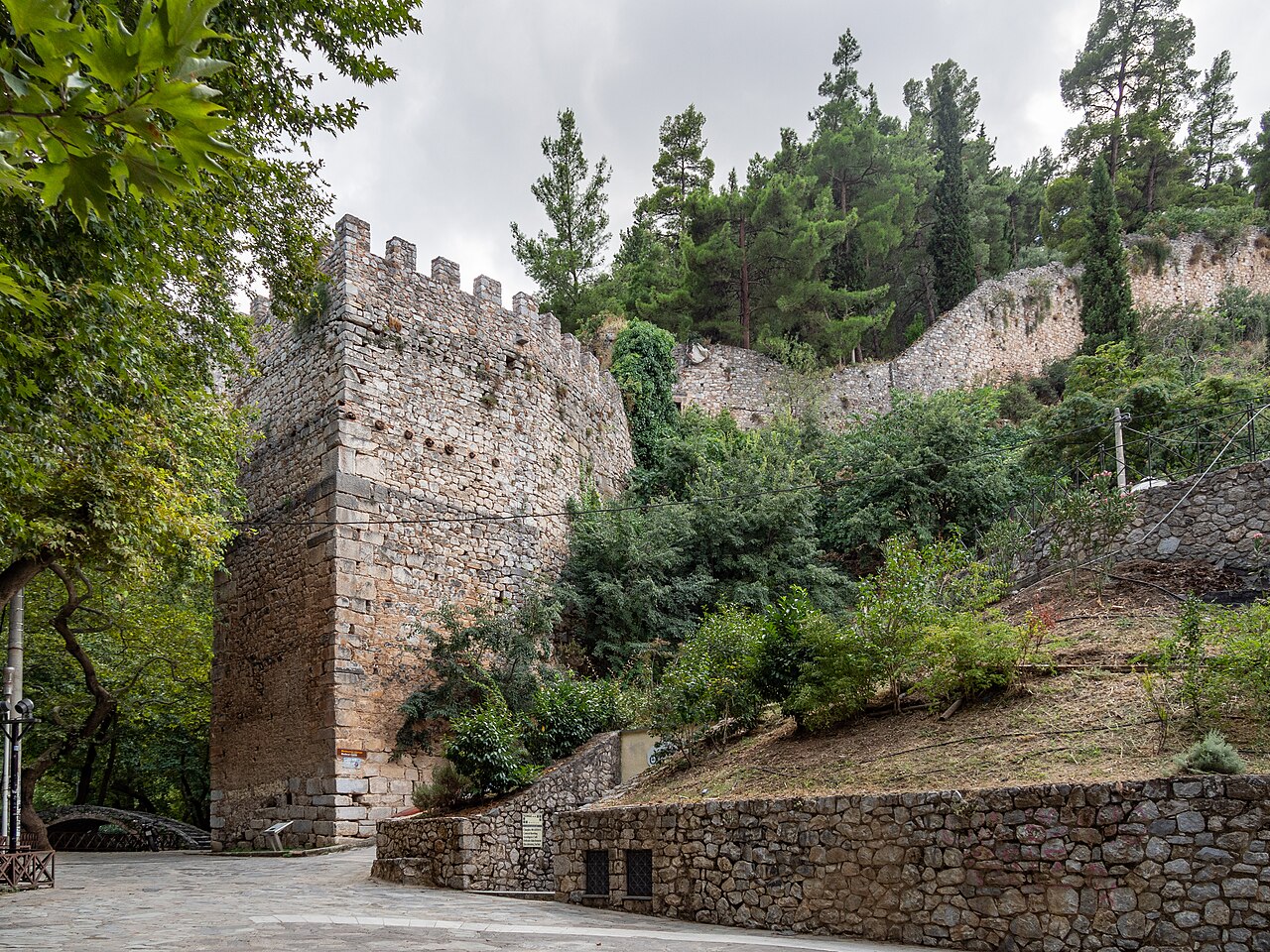
The defining characteristic of Gla is its massive bastioned fortress walls. These walls are constructed of large limestone blocks and extend for several kilometers, enclosing an area of approximately 20 hectares. The walls are about 4 to 6 meters thick in places, with bastions—projecting parts of the wall designed for defensive purposes—allowing defenders to cover the perimeter effectively. The scale and engineering of the walls demonstrate advanced Mycenaean military architecture.
Internal structures and enclosures
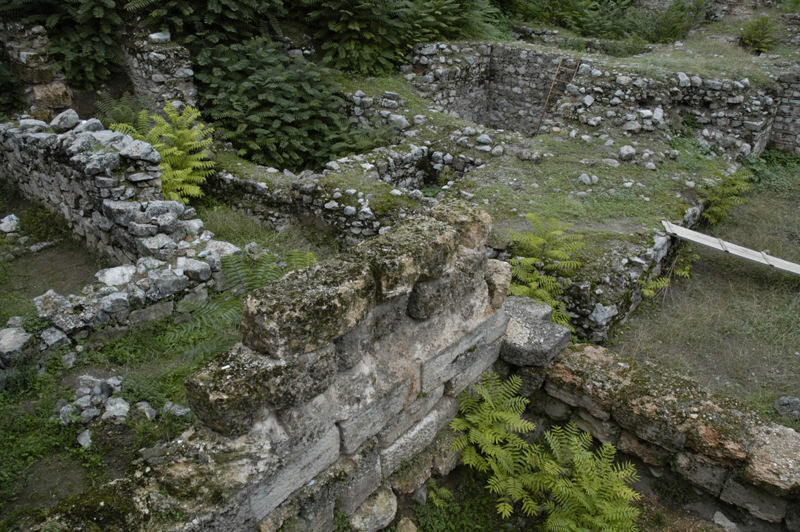
Within the walls, the site is divided into multiple enclosures that likely served different functions, including storage facilities, residential quarters, and possibly administrative buildings. Archaeological excavations have revealed remnants of large storage jars (pithoi), suggesting that Gla was a key storage and redistribution center for agricultural produce, particularly grain.
Water management and access
The fortress is situated strategically on a natural elevation with access to water sources, which would have been critical for sustaining the population during sieges. There are indications of sophisticated drainage and water management systems, including channels and cisterns, which highlight the advanced engineering skills of the Mycenaeans.
Archaeological investigations and discoveries
Excavations at Gla began in the early 20th century and have continued intermittently since. Archaeologists have uncovered evidence that sheds light on Mycenaean fortification techniques, urban planning, and economy. The site has yielded pottery, tools, and architectural remains that contribute to understanding the Mycenaean civilization's complexity and regional interactions.
Absence from literary sources
One of the intriguing aspects of Gla is its absence from known Homeric texts such as the Iliad. Scholars speculate that either the site was known under a different name or that it served a specialized function not highlighted in epic poetry. This absence adds to the mystery and scholarly interest surrounding the fortress.
Preservation and current condition
Today, Gla is classified as an archaeological site with substantial ruins of the original fortifications still visible. The walls remain a prominent feature in the landscape, attracting researchers and visitors interested in Mycenaean history and architecture. Conservation efforts focus on preserving the structural remains and facilitating archaeological study.
Importance for Mycenaean studies and tourism
Gla provides invaluable insight into the scale and sophistication of Mycenaean fortifications beyond the more famous palatial centers. Its size and construction techniques illustrate the military and economic strategies of the period. While less visited than other Mycenaean sites, it forms an essential part of Greece's archaeological heritage and offers a unique perspective on Late Bronze Age civilization in the region.
Frequently asked questions (FAQ)
- What is the historical significance of Gla?
- Gla was a major fortified site during the Mycenaean period, serving as a military and agricultural center controlling the fertile plains of Boeotia in Late Bronze Age Greece.
- Can I visit the ruins of Gla today?
- Yes, Gla is an archaeological site with visible ruins of its massive bastioned walls. Visitors can explore the area, although facilities may be limited compared to more developed tourist sites.
- When was Gla built?
- Gla was constructed during the Late Bronze Age, specifically in the 14th to 13th centuries BCE, during the height of the Mycenaean civilization.
- Why is Gla not mentioned in the Iliad?
- Gla does not appear in the Iliad, possibly because it was known by a different name or had a specific role not highlighted in Homeric epics, which focus on other Mycenaean centers.
- What are the main architectural features of Gla?
- The fortress is notable for its massive limestone bastioned walls enclosing a large area, internal enclosures for storage and habitation, and advanced water management systems.
Photo gallery

Information
Loading map...
Visitor reviews
No reviews yet. Been here? Write the first review and help other travelers!
Write the first reviewVisited this castle? Share your experience
Your review helps other travelers and adds first-hand knowledge to our encyclopedia.