Gjon Bocari Castle
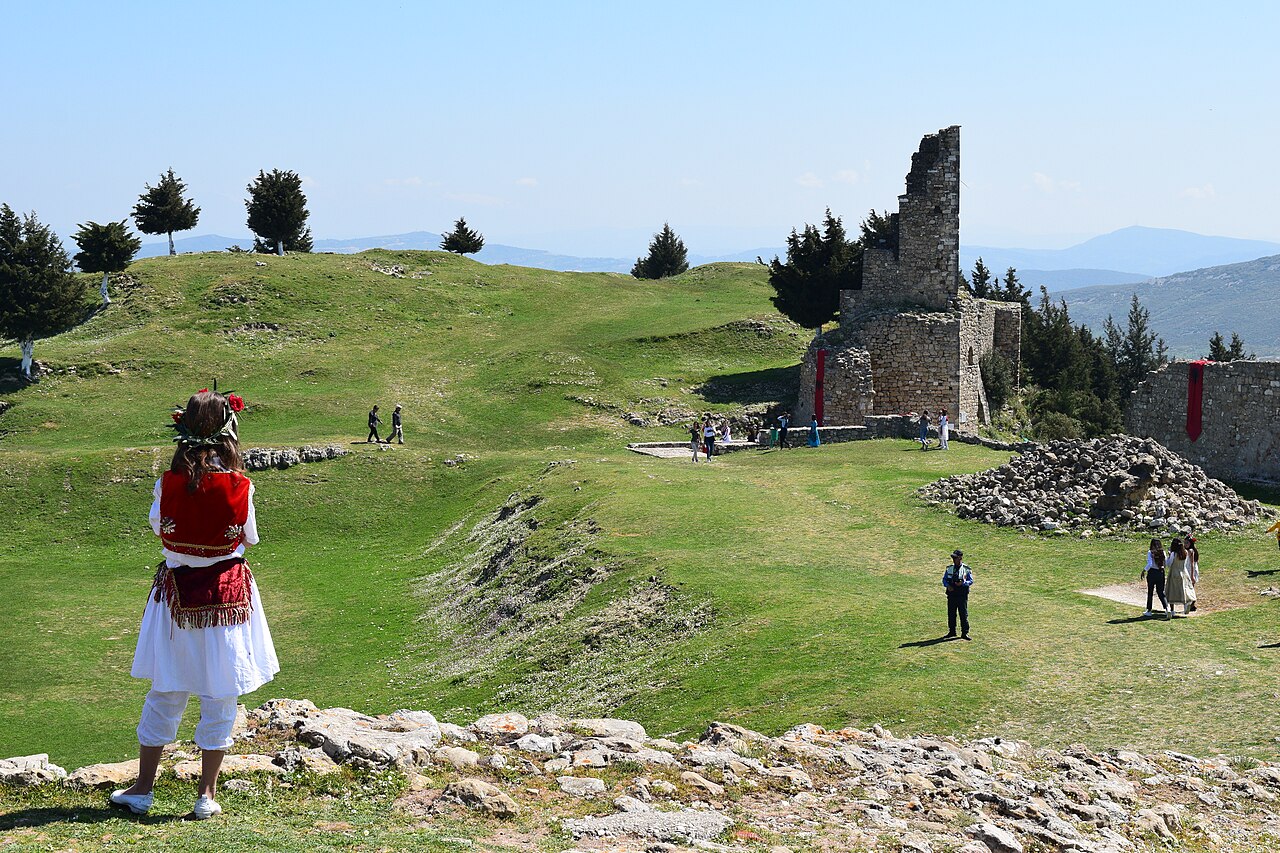
Gjon Bocari Castle is a notable 16th-century Renaissance fortress located in Tragjas, Albania. Constructed initially by the prominent Boçari family, who played a significant role in the region, the castle was expanded further during the 17th century. This castle exemplifies the military architectural style of its period, combining practical fortification elements with the Renaissance emphasis on symmetry and proportion.
Historical background and family legacy
The Boçari family, one of the principal Albanian families in Tragjas, commissioned the construction of the castle as a stronghold to assert their influence and protect their lands. The family's prominence continued through the centuries, with notable descendants such as Markos Botsaris, a celebrated figure in Albanian and Greek history, and Katerina Botsari Kito Bocari. The castle not only served as a military bastion but also as a symbol of the family's status and power in the region.
Architectural features and fortifications
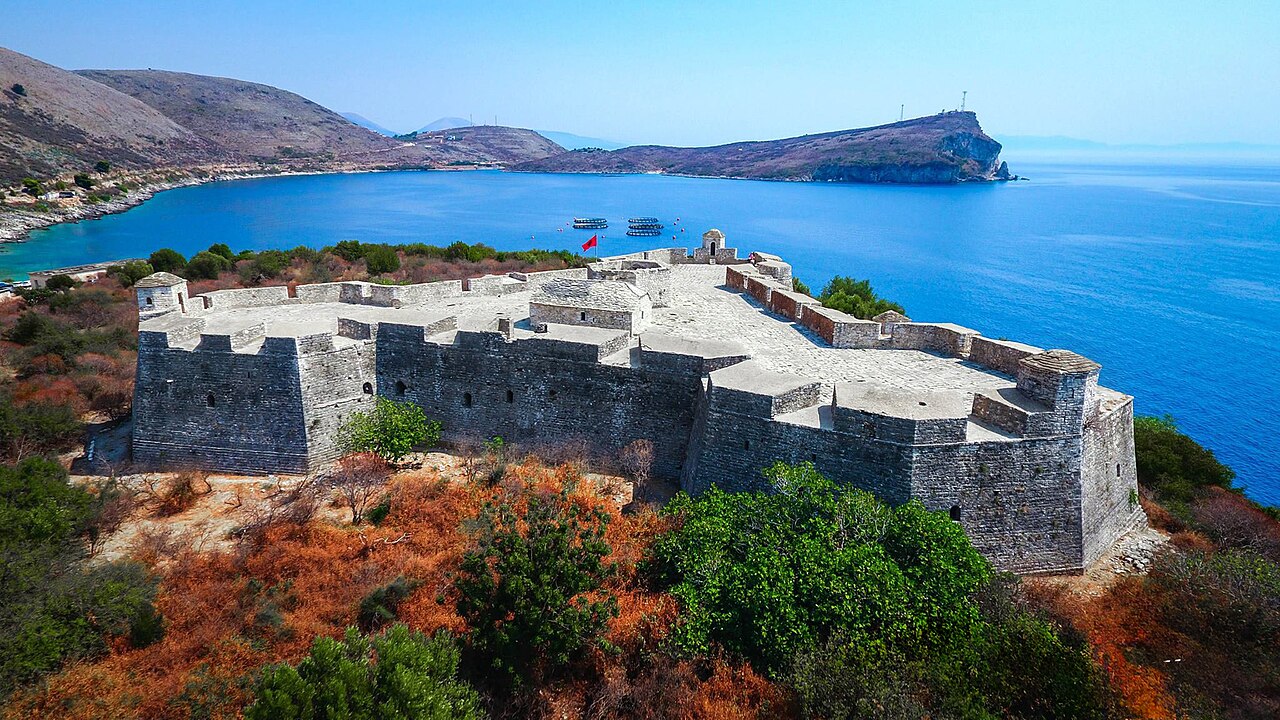
The castle is characterized by its rectangular layout, with robust stone walls measuring approximately 1.25 metres in thickness and rising to a height of 5.5 metres. These walls enclose a central courtyard, a common feature in Renaissance military architecture, allowing defenders to regroup and manage supplies during sieges.
Defensive elements
Arrowslits designed for artillery openings are integrated into the walls, indicating an adaptation to the evolving warfare technology of the time, particularly the use of firearms and cannons. These openings allowed defenders to fire upon attackers while remaining protected behind the thick walls.
The northern and eastern corners of the castle are reinforced with large towers, which served as vantage points for surveillance and defensive strongholds during attacks. These towers would have provided overlapping fields of fire and enhanced the castle's ability to withstand prolonged sieges.
Construction materials and techniques
The castle was constructed primarily from locally sourced stone, a durable material that contributed to the fortress's longevity. The masonry techniques reflect Renaissance craftsmanship, with carefully fitted stones and mortar ensuring structural stability.
Significance in regional history
Gjon Bocari Castle stands as a testament to the turbulent history of the Albanian coast during the Renaissance period, a time marked by frequent conflicts and shifting allegiances. The castle's fortifications reflect the need for strong defensive positions against both Ottoman incursions and local rivalries.
Its preservation allows insight into the military strategies and architectural responses to the changing nature of warfare in the 16th and 17th centuries in this part of the Balkans.
Current condition and preservation
The castle remains partially preserved, with significant portions of the walls and towers still standing. Its condition offers valuable opportunities for archaeological study and cultural tourism, contributing to the understanding of Renaissance fortifications in Albania.
Visiting information and cultural importance
While not widely known internationally, Gjon Bocari Castle is an important cultural landmark for the local community and visitors interested in Renaissance military architecture and Albanian history. Efforts to maintain and promote the site can enhance its role as an educational resource and tourist destination.
Frequently asked questions (FAQ)
- What is the historical significance of Gjon Bocari Castle?
- Gjon Bocari Castle was built by the influential Boçari family in the 16th century and expanded in the 17th century, serving as a military stronghold and symbol of regional power during the Renaissance period in Albania.
- Can visitors explore the towers and walls of the castle?
- The castle is partially preserved, allowing visitors to see the large northern and eastern towers as well as the thick stone walls with artillery openings, although access may be limited depending on preservation efforts.
- How does the castle's architecture reflect Renaissance military design?
- The rectangular layout, thick stone walls with artillery arrowslits, and strategically placed large corner towers demonstrate Renaissance adaptations to evolving warfare, including the use of firearms and cannons.
- Where is Gjon Bocari Castle located?
- Gjon Bocari Castle is situated in Tragjas, a town in Albania, positioned on a hill which provided strategic advantages for defense and surveillance.
- Is there an entrance fee or specific visiting hours for the castle?
- Currently, there is no widely published information on ticket prices or visiting hours, so visitors should check locally or with Albanian cultural heritage authorities before planning a visit.
Information
Loading map...
Visitor reviews
No reviews yet. Been here? Write the first review and help other travelers!
Write the first reviewVisited this castle? Share your experience
Your review helps other travelers and adds first-hand knowledge to our encyclopedia.