Gifhorn Castle
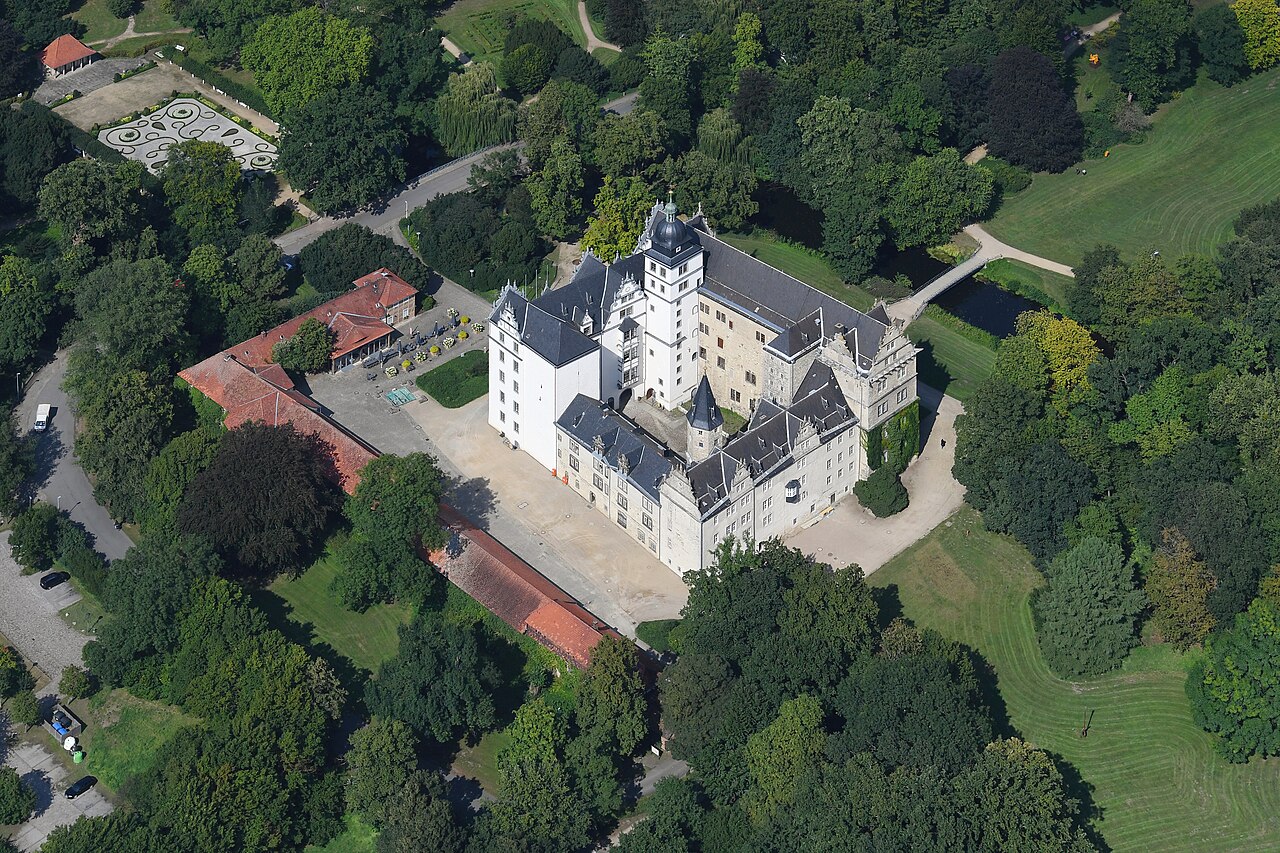
Gifhorn Castle stands as a remarkable example of Weser Renaissance architecture in the town of Gifhorn, Lower Saxony, Germany. Constructed between 1525 and 1581, this castle reflects the transition from medieval fortifications to Renaissance aesthetics, combining defensive features with elegant architectural details. It was built on the site of an earlier medieval fortress, incorporating elements of the High Medieval period while embracing the stylistic influences of the Renaissance era.
Historical background and construction
The origins of Gifhorn Castle trace back to the 13th century when a medieval stronghold existed at the site. The current castle was extensively rebuilt and expanded during the 16th century under the rule of the Dukes of Brunswick-Lüneburg, who sought to establish a residence that was both defensible and representative of their power. The construction period from 1525 to 1581 saw the integration of moats, ramparts, and bastions, which provided formidable protection. Despite being fortified until 1790, the castle was never captured in any military conflict, underscoring its strategic design and strong defenses.
Architectural features and style
Gifhorn Castle is a prime example of the Weser Renaissance style, a regional variant of Renaissance architecture that flourished in northern Germany. The castle features characteristic elements such as ornate gables, decorative stonework, and symmetrical façades. The use of brick combined with sandstone detailing is typical of this style. The layout includes a central courtyard surrounded by residential wings and defensive structures, including bastions and ramparts that were designed to withstand artillery attacks.
Defensive structures
Originally, the castle was protected by a system of moats fed by nearby water sources, creating a water barrier that deterred attackers. The bastions and ramparts were constructed to provide vantage points for defenders and to absorb cannon fire. These fortifications remained functional until the late 18th century, highlighting the castle's military importance through several centuries.
Residential and ceremonial spaces
The castle's interior was designed to accommodate the ducal family and their court, featuring spacious halls, chambers, and a notable Great Hall used for official functions and events. The architectural design balanced comfort with grandeur, showcasing the wealth and status of its owners.
Modern use and cultural significance
Today, Gifhorn Castle serves as the administrative center for the Gifhorn district, housing the district council rooms and offices. It also functions as a cultural venue, with the Great Hall Event Venue hosting concerts, exhibitions, and community gatherings. The castle is home to the Gifhorn Castle History Museum, which occupies approximately 1000 square meters of exhibition space. The museum offers visitors an extensive overview of the region's history, from ancient times through the development of the town of Gifhorn to the present day.
Preservation and public access
The castle is well preserved, retaining much of its Renaissance character and original defensive features. Its accessibility to the public as a museum and event space makes it an important cultural landmark in Lower Saxony. Visitors can explore the historic architecture, learn about the castle's role in regional history, and enjoy various cultural programs throughout the year.
Gifhorn castle in the context of German Renaissance castles
Gifhorn Castle exemplifies the adaptation of Renaissance architectural principles in northern Germany, where traditional medieval fortifications were enhanced with Renaissance aesthetics. Its combination of defensive strength and artistic detail places it among notable Weser Renaissance castles, contributing to the understanding of regional variations in castle design during the 16th century.
Frequently asked questions (FAQ)
- When was Gifhorn Castle built?
- Gifhorn Castle was constructed between 1525 and 1581, incorporating Renaissance architectural elements while built on a medieval site.
- What architectural style is Gifhorn Castle?
- The castle is built in the Weser Renaissance style, featuring ornate gables, decorative stonework, and a harmonious blend of brick and sandstone.
- Is Gifhorn Castle open to the public?
- Yes, the castle houses the Gifhorn Castle History Museum and hosts events in the Great Hall, making it accessible to visitors.
- What defensive features did Gifhorn Castle have?
- The castle was fortified with moats, ramparts, and bastions until 1790, designed to resist artillery and deter attackers.
- What can visitors see at the Gifhorn Castle History Museum?
- The museum offers 1000 square meters of exhibitions covering the history of Gifhorn from ancient times to the present day.
Information
Sources & official resources
Verify the information above using these authoritative references.
Loading map...
Visitor reviews
No reviews yet. Been here? Write the first review and help other travelers!
Write the first reviewVisited this castle? Share your experience
Your review helps other travelers and adds first-hand knowledge to our encyclopedia.