Geeraard de Duivelsteen Castle
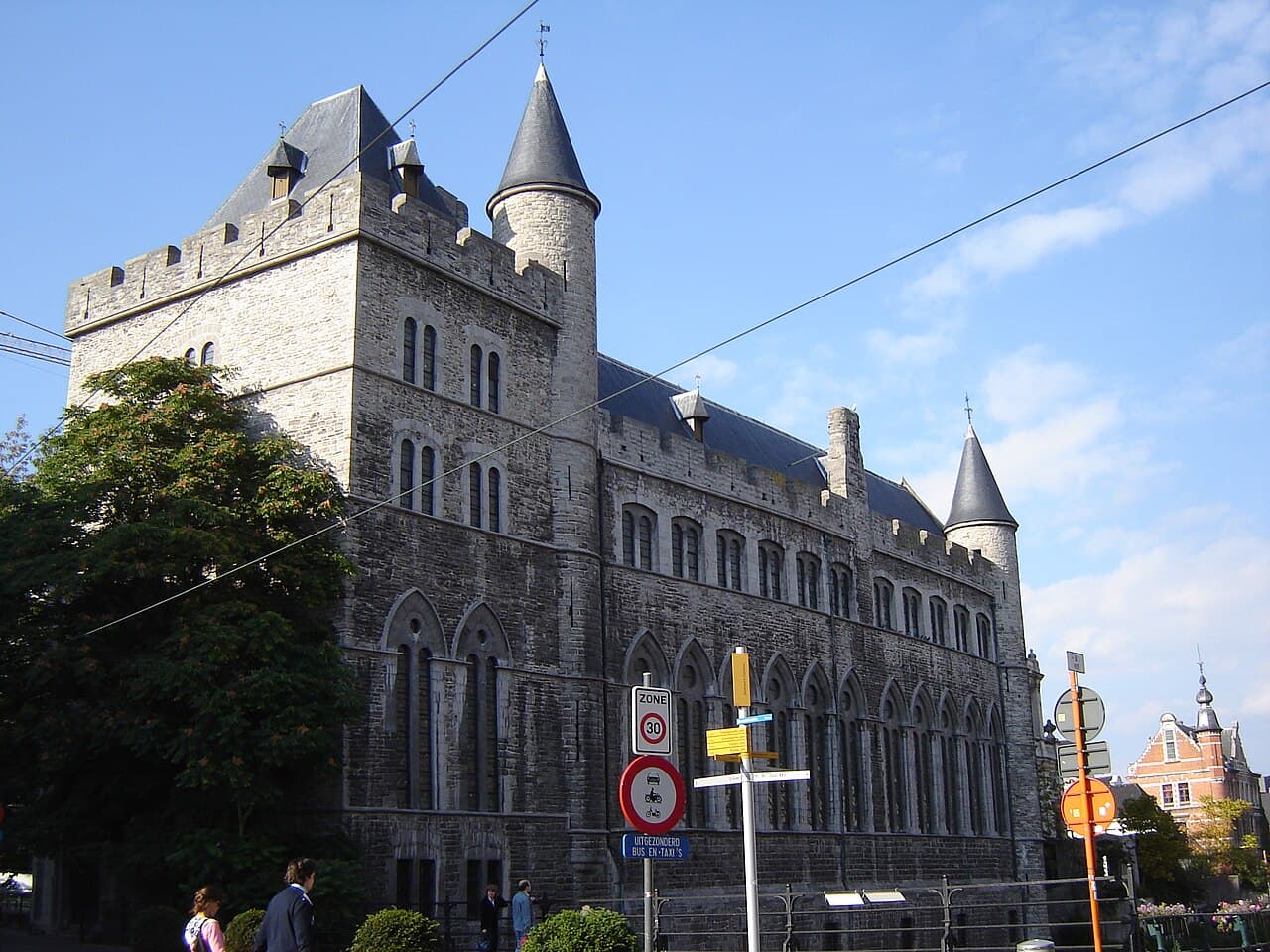
Geeraard de Duivelsteen Castle, located in the heart of Ghent in the East Flanders province of Belgium, is a remarkable example of 13th-century Gothic architecture and medieval fortification. This tower house castle, often simply called Geeraard de Duivelsteen, stands on the bank of the Reep stream, a strategic position that historically contributed to its defensive role guarding the city’s port, known as Portus Ganda.
Constructed in the early High Medieval period, the castle’s name derives from its first notable owner, Geeraard Vilain, son of Zeger III of Ghent. Geeraard’s distinctive black hair and dark complexion earned him the nickname "de Duivel" or "the Devil," a moniker that has endured as the castle’s identity. The term "steen," meaning "stone," reflects the castle’s robust stone construction, a significant upgrade from the predominantly wooden structures of the era.
Architectural features and construction
The castle is classified as a hill castle despite its location near water, due to its elevated position relative to the surrounding terrain, which provided tactical advantages. Its design centers on a fortified stone tower house, a common medieval residential fortress type that combined living quarters with defensive capabilities.
The Gothic architectural style is evident in the castle’s pointed arches, narrow windows, and defensive battlements. The thick stone walls and limited openings were designed to withstand sieges and attacks, typical of the 13th century when regional conflicts were frequent. The castle’s proximity to the Reep stream also allowed for a natural defensive moat on one side, enhancing its fortification.
Defensive structures
Geeraard de Duivelsteen featured strong defensive elements including battlements, arrow slits, and a fortified gatehouse. The castle’s layout was compact, emphasizing verticality with multiple floors serving various functions from storage to living spaces and defense posts.
Historical significance and ownership
Originally owned by Zeger III of Ghent, a prominent nobleman, the castle passed to his son Geeraard Vilain upon Zeger’s death in 1227. The castle’s nickname originates from Geeraard’s appearance and the fearsome reputation he cultivated.
By 1328, the castle was sold to the city of Ghent, marking a shift from private noble ownership to municipal control. Over the centuries, the castle’s function evolved significantly. It served as an armory, a monastery, and an episcopal seminary, reflecting the changing needs and governance of Ghent.
Later uses
In the 17th century, parts of the castle were repurposed for social institutions including a madhouse, a male orphanage, and a prison. This diverse usage illustrates the castle’s adaptability and the shifting social landscape of the period.
Restoration and modern status
At the end of the 19th century, the castle was acquired by the Belgian state. Between 1898 and 1908, it underwent extensive restoration to preserve its medieval character while adapting it for modern use. Following restoration, the castle housed the state archives, underscoring its continued importance as a civic building.
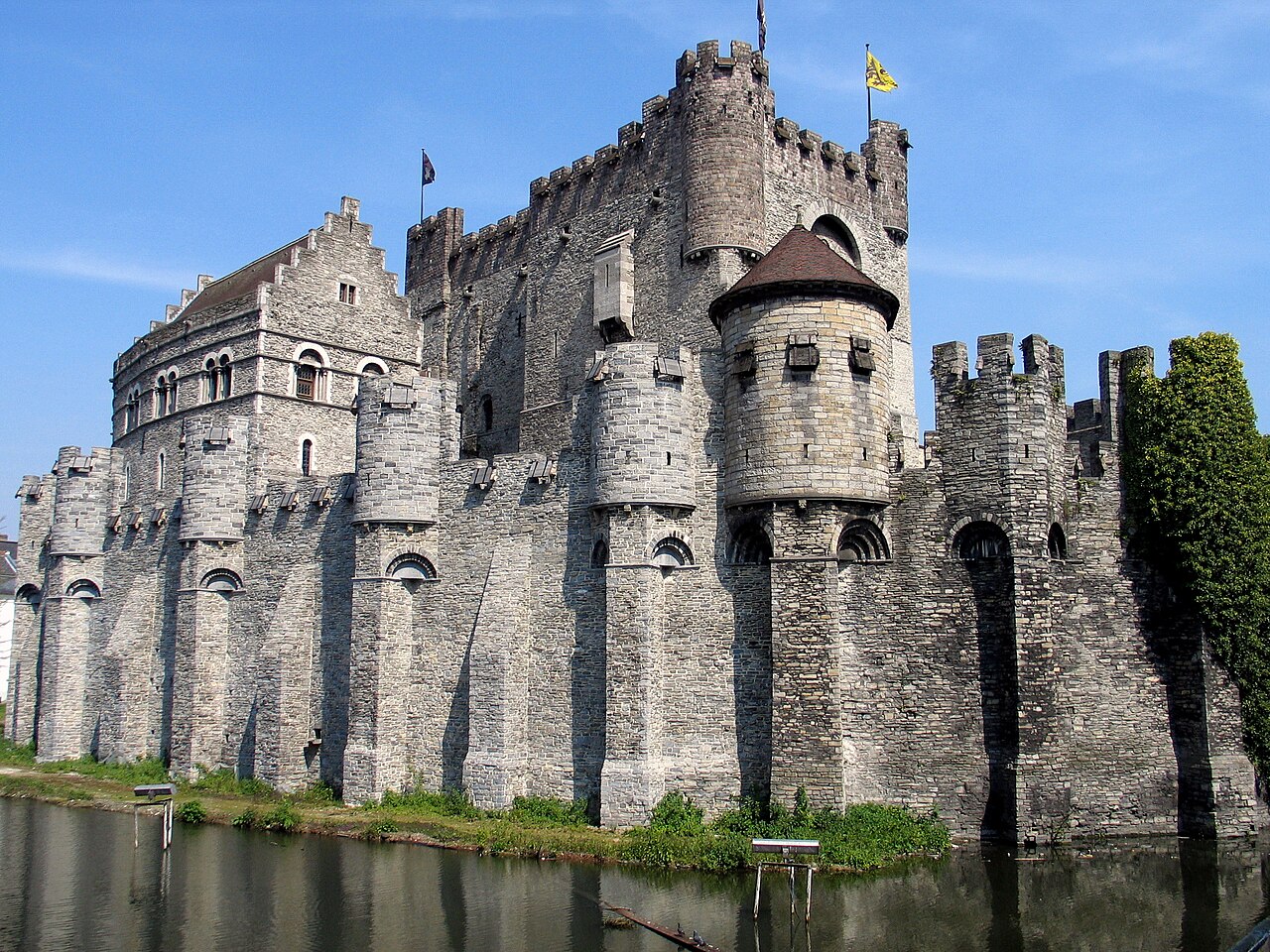
Today, Geeraard de Duivelsteen Castle is generally not open to the public, though occasional special events and exhibitions provide rare access to its historic cellars and interior spaces. Visitors to Ghent are encouraged to also explore the nearby Gravensteen Castle, another medieval fortress with rich historical significance.
Geographical and cultural context
Situated in the Flemish region of Belgium, Geeraard de Duivelsteen contributes to the rich tapestry of medieval architecture in Ghent, a city known for its well-preserved historical buildings and waterways. The castle’s location near the Reep stream and the former port area emphasizes its role in the city’s defense and commerce during the Middle Ages.
As a hill castle with Gothic architectural features, it represents the transition from wooden fortifications to more durable stone constructions that could better withstand the military technologies of the time. Its varied uses over the centuries reflect the evolving political, religious, and social dynamics of Ghent and the wider region.
Frequently asked questions (FAQ)
- What is the historical significance of Geeraard de Duivelsteen Castle?
- Geeraard de Duivelsteen Castle is one of the oldest castles in Ghent, dating back to the 13th century. It played a crucial role in the defense of the city and is renowned for its unique blend of Romanesque and Gothic architectural styles.
- When was Geeraard de Duivelsteen Castle built?
- The construction of Geeraard de Duivelsteen Castle began in the early 13th century, specifically around 1240. It was completed in the late 13th century and has since been a significant landmark in Ghent.
- Can I visit Geeraard de Duivelsteen Castle?
- Yes, Geeraard de Duivelsteen Castle is open to visitors. You can explore its fascinating architecture and learn about its history through guided tours offered on certain days.
- What are the opening hours for Geeraard de Duivelsteen Castle?
- The castle is typically open from Tuesday to Sunday, with varying hours depending on the season. It’s advisable to check the official website for the most current opening hours before planning your visit.
- Is it possible to access Geeraard de Duivelsteen Castle with a wheelchair?
- While Geeraard de Duivelsteen Castle has made efforts to improve accessibility, some areas may still pose challenges due to the castle's historical architecture. It is recommended to contact the castle administration in advance to inquire about specific accessibility options.
- What is the best time to visit Geeraard de Duivelsteen Castle?
- The best time to visit is during the spring and early autumn when the weather is mild, and the tourist crowds are smaller. This allows for a more pleasant experience while exploring the castle and its surroundings.
- Are there any nearby attractions to visit along with Geeraard de Duivelsteen Castle?
- Yes, nearby attractions include the historic Gravensteen Castle, the picturesque St. Bavo's Cathedral, and the vibrant Graslei and Korenlei streets. These sites offer a deeper insight into Ghent's rich history and culture.
- How much are the ticket prices for Geeraard de Duivelsteen Castle?
- Ticket prices for Geeraard de Duivelsteen Castle are generally affordable, with discounts available for students and seniors. Children under a certain age may enter for free, but it is best to check the official website for the most accurate and updated pricing information.
Photo gallery

Information
Address
Geraard de Duivelstraat 1, Belgium
Loading map...
Visitor reviews
No reviews yet. Been here? Write the first review and help other travelers!
Write the first reviewVisited this castle? Share your experience
Your review helps other travelers and adds first-hand knowledge to our encyclopedia.