Garimseong Fortress — South Korea castle

Garimseong Fortress

Garimseong fortress: Baekje-era mountain stronghold in Korea
Early Medieval (5th–10th c.)
Partially Preserved

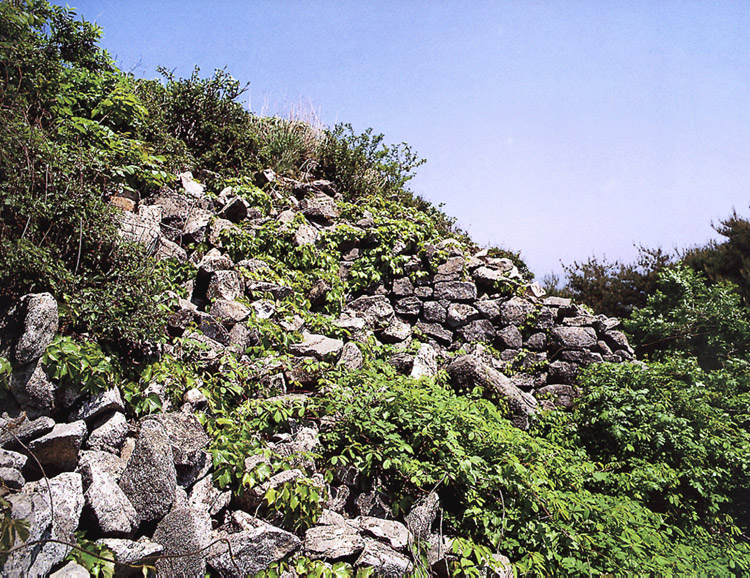
Garimseong fortress (Korean: 가림성; Hanja: 加林城; RR: Garimseong) is a significant Baekje-era mountain fortress located on Seongheungsan mountain in present-day Buyeo County, South Chungcheong Province, South Korea. Constructed in the 6th century, specifically completed in 501 AD according to the Korean calendar, it served as a crucial defensive structure during the Early Medieval period of Korean history. The fortress is documented in the Samguk sagi, one of Korea's oldest surviving historical records, underscoring its importance in the military and political landscape of the time.

Historical significance and role in Baekje kingdom

The fortress was strategically built to protect two successive capitals of the Baekje kingdom, one of the Three Kingdoms of Korea that thrived from 18 BCE to 660 AD. Garimseong's location atop Seongheungsan mountain provided a commanding vantage point over the surrounding terrain, enabling early warning and defense against potential invasions. This mountain fortress exemplifies the military architecture of the Baekje era, reflecting the kingdom's emphasis on fortified positions to safeguard its political centers.

Architectural features and fortification design

As a mountain fortress, Garimseong was constructed to leverage the natural topography for defense. The fortress walls were built with stone masonry, designed to follow the contours of the mountain ridge. The use of bastioned fortress elements suggests advanced military engineering for its time, allowing defenders to cover multiple angles of attack. The walls likely included watchtowers and gates strategically placed for surveillance and controlled access.

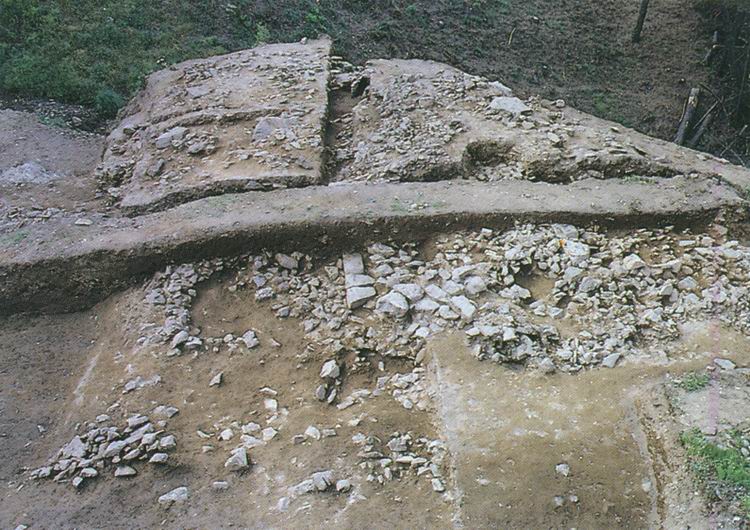
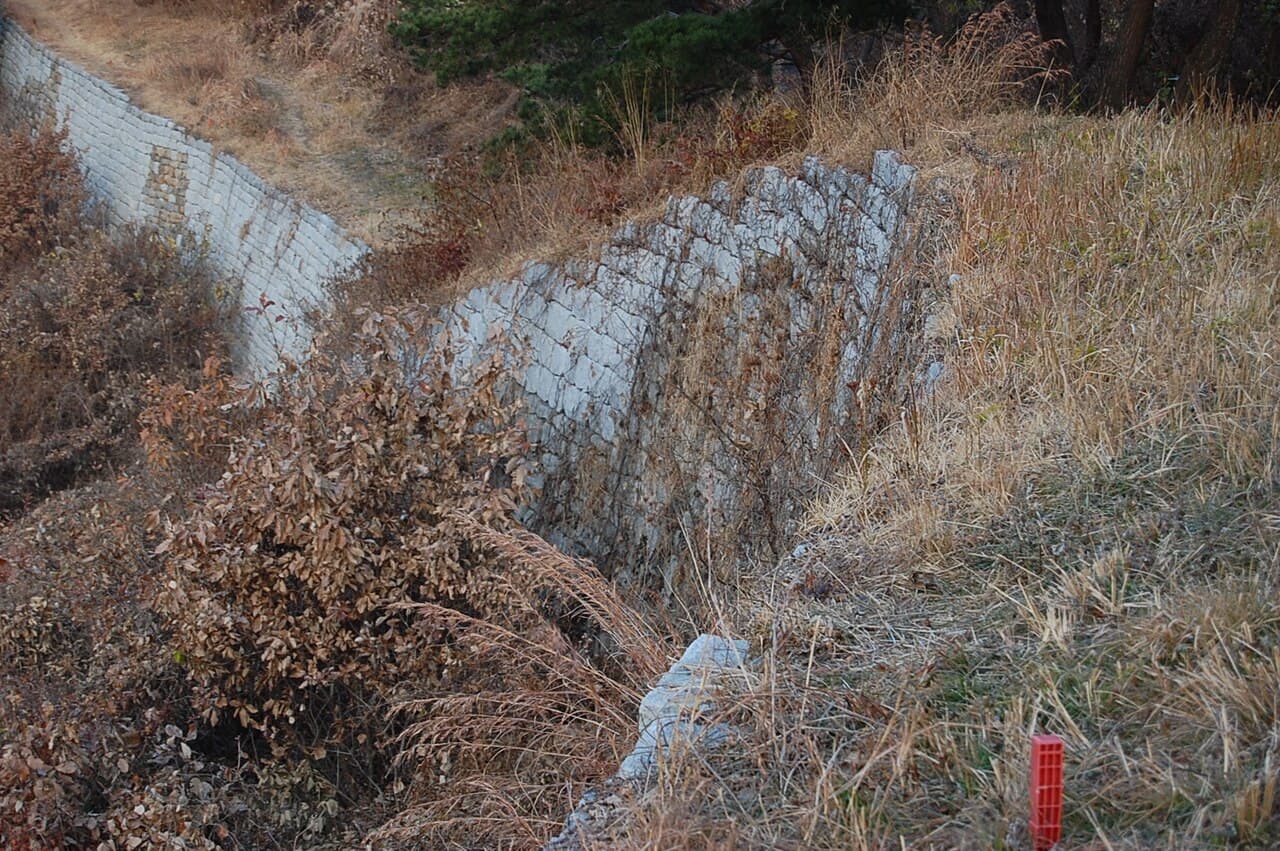
The fortress's design integrated ramparts and battlements to provide protection for archers and soldiers stationed along the walls. The rugged terrain combined with these fortifications made Garimseong a formidable defensive site. Remnants of the stone walls and fortifications remain today, offering insight into the construction techniques of the Baekje kingdom.

Preservation and cultural heritage status

Garimseong was officially designated as Historic Site No. 4 by the South Korean government on January 21, 1963. This status recognizes its cultural and historical value as a well-preserved example of Early Medieval Korean military architecture. While the fortress is in a partially preserved condition, ongoing efforts aim to maintain and study the site to better understand Baekje-era fortifications.

The site is accessible to visitors interested in Korean history and archaeology, offering a glimpse into the defensive strategies employed by one of Korea's ancient kingdoms. Its location in Buyeo County, a region rich in Baekje heritage, makes it a key destination for cultural tourism and academic research.

Garimseong in the context of Korean mountain fortresses

Mountain fortresses like Garimseong were common in the Three Kingdoms period, serving as military strongholds that utilized Korea's rugged terrain. These fortresses were essential in controlling territory and protecting capitals from rival kingdoms and nomadic incursions. Garimseong stands out for its early construction date and its role in the Baekje kingdom's defense system.

The fortress's integration with the natural landscape exemplifies the strategic use of geography in Korean fortress design. This approach maximized defensive capabilities while minimizing construction efforts, a hallmark of Korean mountain fortresses during the Early Medieval period.

Frequently asked questions (FAQ)

How do I get to Garimseong Fortress?
Garimseong Fortress is located in the Republic of Korea, easily accessible by public transportation. Visitors can take a bus or train to the nearest city and then use local taxis or shuttle services to reach the fortress.
What is the historical significance of Garimseong Fortress?
Garimseong Fortress dates back to the late 6th century and played a crucial role in the defense against invasions. It is a valuable site that reflects the military architecture and history of the period, providing insights into the region's past.
When was Garimseong Fortress built?
Garimseong Fortress was constructed in the late 6th century during the Silla Dynasty. Its strategic location and robust design were essential for protecting the territory from external threats.
Can I visit Garimseong Fortress year-round?
Yes, Garimseong Fortress is open to visitors year-round, but it's advisable to check for any seasonal events or maintenance closures. The fortress offers a unique experience regardless of the season, though the weather may vary significantly.
Why is Garimseong Fortress a popular tourist destination?
Garimseong Fortress attracts tourists due to its rich history, stunning architecture, and breathtaking views of the surrounding landscape. Visitors appreciate the opportunity to explore the ancient structures and learn about the cultural heritage of Korea.
Is it possible to take guided tours at Garimseong Fortress?
Yes, guided tours are available at Garimseong Fortress, providing a more in-depth understanding of its history and architecture. These tours are led by knowledgeable guides who share fascinating stories and insights about the fortress.
What are the opening hours for Garimseong Fortress?
Garimseong Fortress typically opens at 9 AM and closes at 6 PM, with extended hours during peak tourist seasons. It is recommended to check the official website or contact local tourist information for any changes to the schedule.
What are the ticket prices for visiting Garimseong Fortress?
The entrance fee for Garimseong Fortress is generally modest, making it accessible for most visitors. Discounts may be available for children, students, or seniors, so it’s worth inquiring at the ticket counter.
What is the best time to visit Garimseong Fortress?
The best time to visit Garimseong Fortress is during the spring and fall when the weather is mild and the scenery is particularly beautiful. These seasons also offer vibrant foliage, enhancing the visual experience of the fortress and its surroundings.
Are there any nearby attractions to Garimseong Fortress?
Yes, there are several attractions near Garimseong Fortress, including historical sites, parks, and local markets. Visitors often enjoy exploring these nearby areas to enrich their experience and understand the local culture better.

Photo gallery

Garimseong Fortress
Click to view

Photo by WaffenSS at Korean Wikipedia•CC BY-SA 3.0

1 photo • Click any image to view in full screen

Information

Bastioned Fortress

Loading map...

Visitor reviews

No reviews yet. Been here? Write the first review and help other travelers!

Write the first review

Visited this castle? Share your experience

Your review helps other travelers and adds first-hand knowledge to our encyclopedia.
Write a review

(5/5)

0/2000 characters

Your review will be visible after admin approval

Nearby castles

9 km
Buyeo Seokseong Fortress — South Korea castle

Buyeo Seokseong Fortress

Buyeo County, South Korea

Buyeo Seokseong Fortress (Korean: 석성산성; Hanja: 石城山城; RR: Seokseongsanseong) is a historic Baekje-era fortress located in Buyeo County, South Chungcheong Province, South Korea. Constructed in the 6th century, this fortress served as a critical defensive structure protecting the Baekje capital of Sabi. Its strategic position atop the summit of Pajinsan Mountain (파진산; 破陣山) allowed it to oversee and guard the surrounding region effectively. Historical context and significance The fortress was built during the Early Medieval period as part of a network of fortifications designed to defend the Baekje kingdom, one of the Three Kingdoms of Korea. It was connected to several other fortresses including Hwangsansŏng, Nosŏngsansŏng, Sŏnghŭngsansŏng, and Kŭmsŏngsansŏng, forming a defensive ring around the capital. This network was vital in protecting Baekje from invasions and maintaining control over its territory. Architectural layout and defensive features Buyeo Seokseong Fortress is notable for its extensive use of stone walls and its complex multi-wall design. The fortress consists of three concentric walls, each serving a defensive purpose: The outermost wall encloses a perimeter of 1,605 meters (5,266 feet) and covers an internal area of 158,352 square meters (1,704,490 square feet). This wall would have been the first line of defense against attackers. The second wall has a circumference of 751 meters (2,464 feet) and encloses 25,400 square meters (273,000 square feet). This middle wall provided an additional layer of protection and could have housed troops and supplies. The innermost wall measures 607 meters (1,991 feet) in circumference and encloses an area of 19,127 square meters (205,880 square feet). This core area likely contained key administrative and military buildings. The fortress was equipped with seven gates, which controlled access and facilitated movement within the complex. These gates were strategically placed to manage defense and communication between the walls and surrounding areas. Location and strategic importance Situated on the summit of Pajinsan Mountain, the fortress's elevated position provided commanding views of the surrounding landscape, making it difficult for enemies to approach unnoticed. The mountain's natural topography was integrated into the fortress's design, enhancing its defensive capabilities. Preservation and cultural heritage Although much of the original structure has weathered the centuries, the site of Buyeo Seokseong Fortress was designated a Historic Site of South Korea on January 21, 1963. This designation recognizes its cultural and historical value as a significant relic of the Baekje kingdom's military architecture. Today, visitors to the site can explore the remains of the fortress walls and gates, gaining insight into early Korean fortress construction techniques and the strategic military thinking of the Baekje period. The fortress is an important symbol of Korea's rich heritage and its ancient defensive systems. Architectural style and construction techniques The fortress exemplifies Early Medieval Korean military architecture, characterized by the use of large, precisely cut stone blocks fitted together without mortar in many sections. The walls were constructed to follow the natural contours of the mountain, a technique that maximized defensive advantage while minimizing construction effort. The triple-wall system reflects a sophisticated understanding of layered defense, with each wall designed to slow and exhaust attackers. The gates were likely reinforced with wooden and stone elements, possibly featuring watchtowers or guard posts to monitor and repel enemy advances. Connections to Baekje capital and regional defense As part of the Baekje kingdom's capital defense system, the fortress's role was more than just a military bastion; it served as a command post and refuge in times of siege. Its connection to nearby fortresses created a network that allowed for rapid communication and troop movements, enhancing the kingdom's ability to respond to threats. Visiting Buyeo Seokseong Fortress today Visitors to the fortress can hike to the summit of Pajinsan Mountain to explore the fortress ruins. The site offers a combination of natural beauty and historical significance, with panoramic views of the surrounding countryside. Interpretive signage and preservation efforts help visitors understand the fortress's layout and historical context. The fortress is accessible year-round, though weather conditions on the mountain can affect hiking. Visitors are encouraged to wear appropriate footwear and prepare for a moderately challenging ascent.

Early Medieval (5th–10th c.)
Details
11.4 km
Ch'ŏngmasansŏng — South Korea castle

Ch'ŏngmasansŏng

Buyeo County, South Korea

Ch'ŏngmasansŏng (Korean: 청마산성; Hanja: 靑馬山城) is a significant hill castle fortress from the late Baekje period, located in present-day Buyeo County, South Chungcheong Province, South Korea. This fortress was strategically built on Wolmyeongsan mountain to serve as a defensive stronghold for the Baekje capital, Sabi. It represents one of the largest and most important military constructions of the Baekje kingdom, a key player in the Three Kingdoms period of Korean history. Historical context and significance The Baekje kingdom, one of the Three Kingdoms of Korea, flourished from the 1st century BCE until its fall in 660 CE. During its later years, Baekje focused on fortifying its territories to defend against incursions from rival kingdoms, particularly Silla and Goguryeo. Ch'ŏngmasansŏng was constructed in this context as a major military installation to protect the capital region. Designated as Historic Site No. 34 by the South Korean government on January 21, 1963, the fortress is recognized for its cultural and historical value, providing insight into Baekje's military architecture and defensive strategies. Architectural features and layout Ch'ŏngmasansŏng is notable for its impressive scale, with a total circumference of approximately 9,277 meters (30,436 feet). The fortress walls were constructed primarily from stone, following the traditional hill fortress style common in Korean fortifications of the period. The fortress complex included a variety of defensive and support structures. Archaeological evidence has identified the remains of 10 gates that controlled access to the fortress, 36 guard posts positioned to provide surveillance and defense along the walls, and 17 wells that ensured a reliable water supply during sieges or extended military presence. Additionally, 14 tombs have been discovered within the fortress area, suggesting the presence of burial sites for important figures or soldiers associated with the fortress. Fortress walls and gates The walls of Ch'ŏngmasansŏng were carefully constructed to adapt to the mountainous terrain of Wolmyeongsan. The stonework demonstrates advanced techniques for the period, with well-fitted stones and defensive features such as battlements and parapets designed to repel attackers. The 10 gates served as critical points of entry and exit, likely fortified with wooden gates and defensive towers. These gates controlled movement and were strategically placed to cover vulnerable approaches to the fortress. Guard posts and defensive strategy The 36 guard posts were positioned along the walls to provide overlapping fields of observation and fire. These posts allowed soldiers to monitor enemy movements and coordinate defense effectively. Their distribution reflects a comprehensive approach to fortress defense typical of Baekje military planning. Location and strategic importance Situated on Wolmyeongsan mountain, the fortress overlooks the surrounding landscape, offering commanding views essential for early warning and defense. Its elevated position made direct assaults difficult and allowed defenders to utilize the natural terrain to their advantage. The location near the Baekje capital of Sabi (modern-day Buyeo) underscores its role as a protective barrier for the political and cultural center of the kingdom. Archaeological research and preservation Extensive archaeological studies have been conducted at Ch'ŏngmasansŏng, revealing details of its construction techniques, layout, and usage. These investigations have helped historians understand the military architecture of Baekje and the broader context of Korean fortress design during the Three Kingdoms period. Today, the site is preserved as a historic site and is accessible to visitors interested in Korea's ancient history and military heritage. Conservation efforts focus on maintaining the remaining stone walls and protecting the archaeological remains from natural and human damage. Visitor information and cultural legacy While not as widely known internationally as some other Korean fortresses, Ch'ŏngmasansŏng holds significant cultural importance within South Korea. It provides a tangible connection to the Baekje kingdom's military and political history. Visitors to the site can explore the extensive remains of the fortress walls, gates, and other structures, gaining insight into the scale and complexity of Baekje fortifications. The surrounding landscape also offers opportunities for hiking and appreciating the natural beauty that contributed to the fortress's defensive advantages.

Late Medieval (14th–15th c.)
Details
15 km
Seocheon Geonji Mountain Fortress — South Korea castle

Seocheon Geonji Mountain Fortress

Seocheon County, South Korea

Seocheon Geonji Mountain Fortress (Korean: 건지산성; Hanja: 乾芝山城; RR: Geonjisanseong) is an ancient Korean fortress situated in Seocheon County, within South Chungcheong Province, South Korea. This fortress is recognized as Historic Site No. 60 by the South Korean government since January 21, 1963. It occupies a strategic position on Geonjisan Mountain, which provided natural defensive advantages typical of mountain fortresses in Korea. Historical background and significance The fortress is believed to have been constructed during the Baekje period (18 BCE – 660 CE), one of the Three Kingdoms of Korea, although exact construction dates remain uncertain due to limited historical records. The Baekje kingdom was known for its advanced culture and military architecture, and Geonji Mountain Fortress is an example of their mountain fortress construction techniques designed for defense and control of surrounding territories. Archaeological excavations began in 1999, revealing layers of occupation and construction phases. Among the findings was a building dating from the late Joseon period (1392–1897), indicating the fortress site continued to hold strategic or cultural importance through later Korean history. The presence of the Bongseosa Buddhist temple within the fortress walls highlights the site's religious significance during the Joseon era. Architectural features and layout As a mountain fortress, Seocheon Geonji Mountain Fortress utilizes the natural topography of Geonjisan Mountain to enhance its defenses. The fortress walls are constructed of stone, following the contours of the mountain ridges, a common feature in Korean mountain fortresses. The walls likely included bastions or protruding defensive structures to allow defenders to cover the surrounding approaches effectively, although detailed structural remains are limited. The fortress's design reflects typical Korean military architecture, emphasizing defensive walls, watchtowers, and gates positioned to maximize visibility and control over the surrounding landscape. The integration of a Buddhist temple within the walls also suggests a multifunctional use, combining military, administrative, and religious functions. Archaeological investigations and preservation Excavations carried out since 1999 have provided valuable insights into the fortress's construction techniques and historical usage. These investigations uncovered foundations of various buildings, artifacts, and evidence of repairs and modifications over centuries. The late Joseon period building found on site indicates ongoing occupation or reuse of the fortress area well beyond its initial Baekje origins. Today, the fortress remains a partially preserved historic site. Efforts to maintain and protect the ruins focus on preserving the stone walls and any remaining structural elements. The site's designation as a Historic Site ensures legal protection and promotes public awareness of its cultural value. Geographical context and accessibility Located in South Chungcheong Province, the fortress occupies a mountainous terrain that historically served as a natural defense barrier. The region has a rich history of fortifications due to its strategic importance in controlling access between Korea's interior and coastal areas. Visitors to the site can explore the remains of the fortress walls and the area where the Bongseosa temple once stood. The mountainous setting offers scenic views and a tangible connection to Korea's ancient military heritage. Legacy and cultural importance Seocheon Geonji Mountain Fortress stands as a testament to Korea's Baekje period military architecture and the enduring significance of mountain fortresses throughout Korean history. Its continuous use and adaptation through the Joseon period reflect the evolving nature of Korean fortifications and the integration of religious elements within military sites. The fortress is an important cultural heritage site, contributing to the understanding of Korea's historical landscape and the role of fortifications in shaping regional power dynamics. Its preservation allows scholars and visitors to appreciate the complexity of Korean fortress construction and the strategic importance of mountainous terrain in defense.

High Medieval (11th–13th c.)
Details