Seocheon Geonji Mountain Fortress
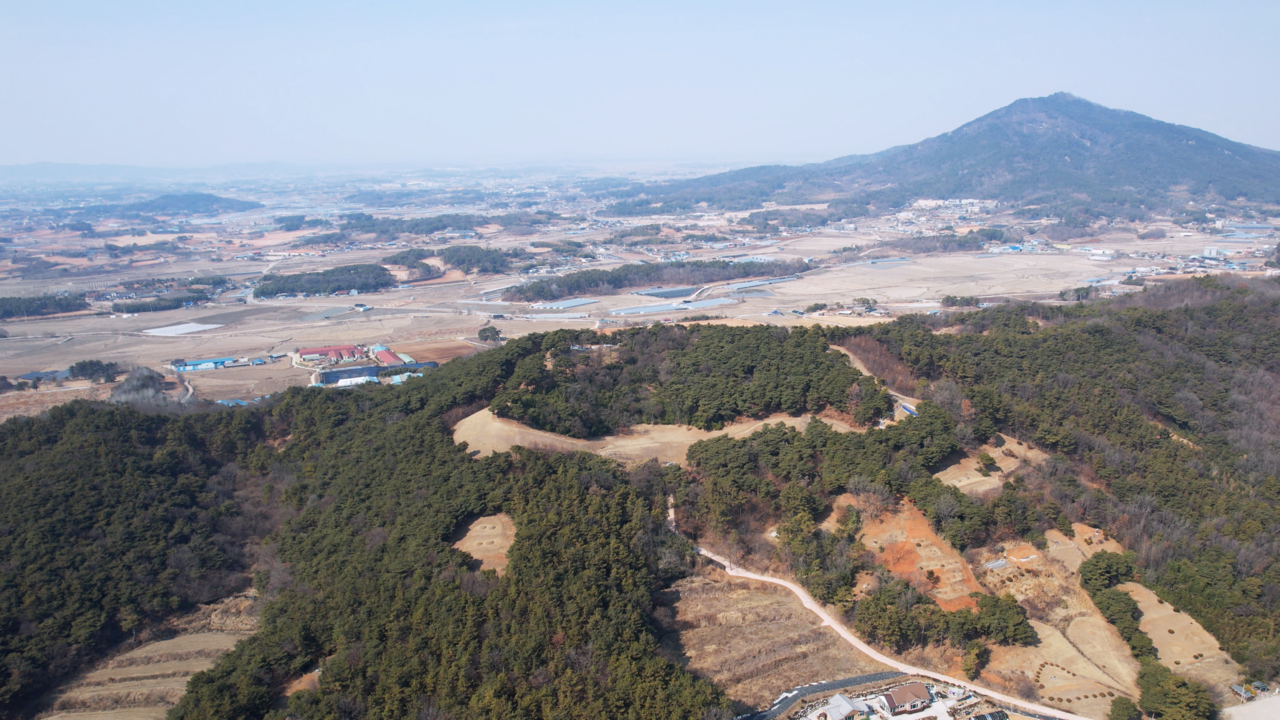
Seocheon Geonji Mountain Fortress (Korean: 건지산성; Hanja: 乾芝山城; RR: Geonjisanseong) is an ancient Korean fortress situated in Seocheon County, within South Chungcheong Province, South Korea. This fortress is recognized as Historic Site No. 60 by the South Korean government since January 21, 1963. It occupies a strategic position on Geonjisan Mountain, which provided natural defensive advantages typical of mountain fortresses in Korea.
Historical background and significance
The fortress is believed to have been constructed during the Baekje period (18 BCE – 660 CE), one of the Three Kingdoms of Korea, although exact construction dates remain uncertain due to limited historical records. The Baekje kingdom was known for its advanced culture and military architecture, and Geonji Mountain Fortress is an example of their mountain fortress construction techniques designed for defense and control of surrounding territories.
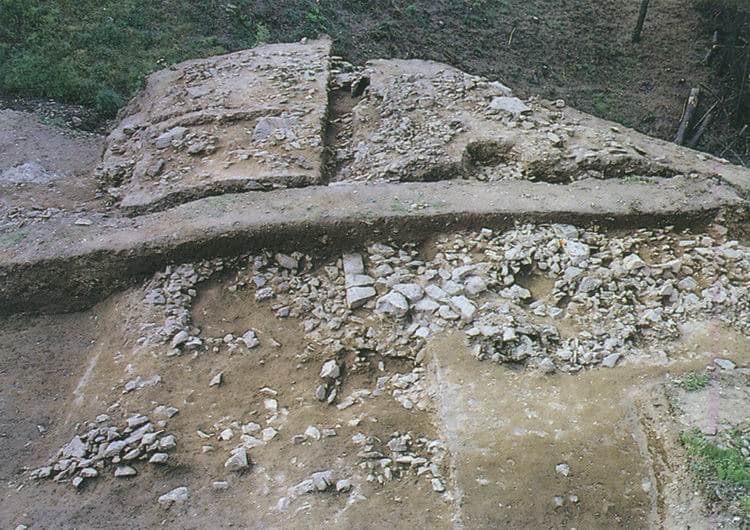
Archaeological excavations began in 1999, revealing layers of occupation and construction phases. Among the findings was a building dating from the late Joseon period (1392–1897), indicating the fortress site continued to hold strategic or cultural importance through later Korean history. The presence of the Bongseosa Buddhist temple within the fortress walls highlights the site's religious significance during the Joseon era.
Architectural features and layout
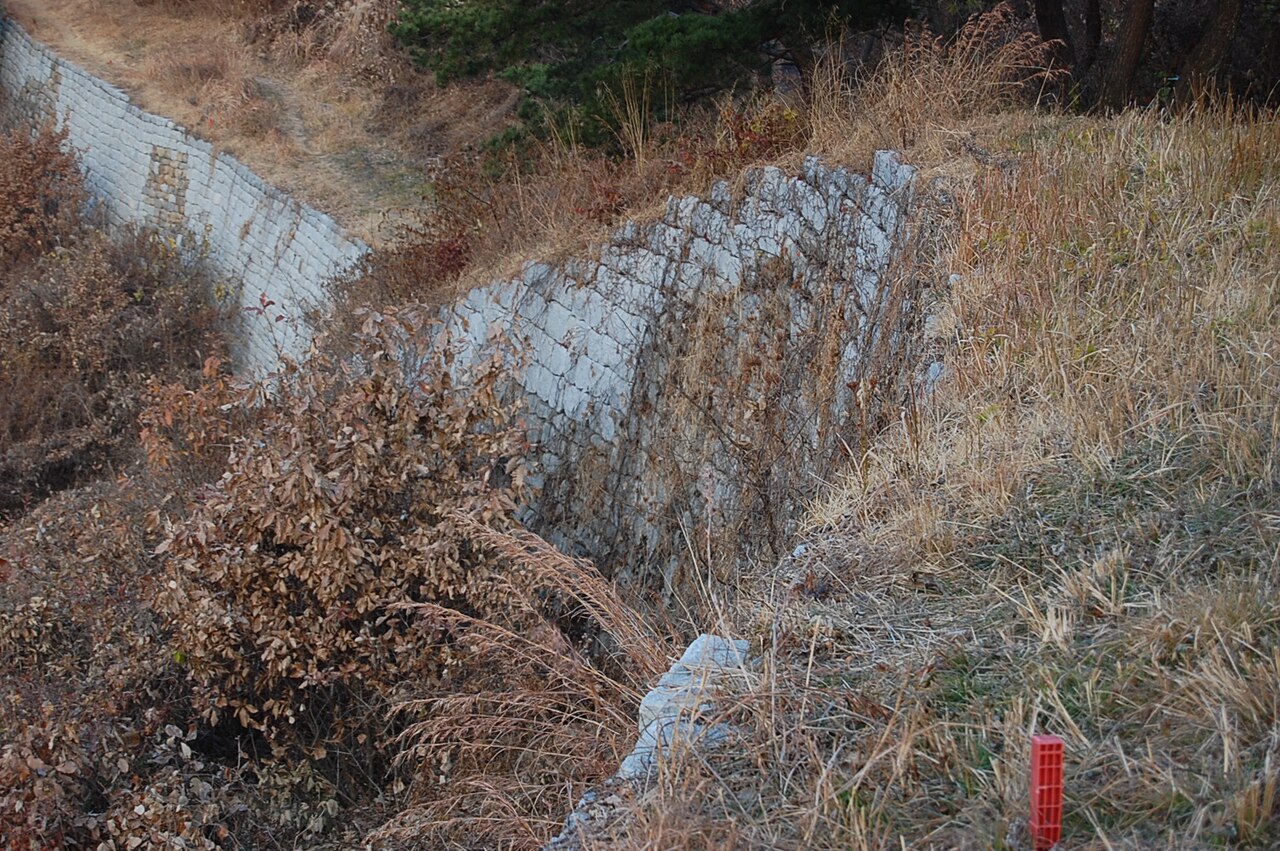
As a mountain fortress, Seocheon Geonji Mountain Fortress utilizes the natural topography of Geonjisan Mountain to enhance its defenses. The fortress walls are constructed of stone, following the contours of the mountain ridges, a common feature in Korean mountain fortresses. The walls likely included bastions or protruding defensive structures to allow defenders to cover the surrounding approaches effectively, although detailed structural remains are limited.
The fortress's design reflects typical Korean military architecture, emphasizing defensive walls, watchtowers, and gates positioned to maximize visibility and control over the surrounding landscape. The integration of a Buddhist temple within the walls also suggests a multifunctional use, combining military, administrative, and religious functions.
Archaeological investigations and preservation
Excavations carried out since 1999 have provided valuable insights into the fortress's construction techniques and historical usage. These investigations uncovered foundations of various buildings, artifacts, and evidence of repairs and modifications over centuries. The late Joseon period building found on site indicates ongoing occupation or reuse of the fortress area well beyond its initial Baekje origins.
Today, the fortress remains a partially preserved historic site. Efforts to maintain and protect the ruins focus on preserving the stone walls and any remaining structural elements. The site's designation as a Historic Site ensures legal protection and promotes public awareness of its cultural value.
Geographical context and accessibility
Located in South Chungcheong Province, the fortress occupies a mountainous terrain that historically served as a natural defense barrier. The region has a rich history of fortifications due to its strategic importance in controlling access between Korea's interior and coastal areas.
Visitors to the site can explore the remains of the fortress walls and the area where the Bongseosa temple once stood. The mountainous setting offers scenic views and a tangible connection to Korea's ancient military heritage.
Legacy and cultural importance
Seocheon Geonji Mountain Fortress stands as a testament to Korea's Baekje period military architecture and the enduring significance of mountain fortresses throughout Korean history. Its continuous use and adaptation through the Joseon period reflect the evolving nature of Korean fortifications and the integration of religious elements within military sites.
The fortress is an important cultural heritage site, contributing to the understanding of Korea's historical landscape and the role of fortifications in shaping regional power dynamics. Its preservation allows scholars and visitors to appreciate the complexity of Korean fortress construction and the strategic importance of mountainous terrain in defense.
Frequently asked questions (FAQ)
- How do I get to Seocheon Geonji Mountain Fortress?
- You can reach Seocheon Geonji Mountain Fortress by taking public transportation from major cities in Korea. The nearest bus station is located in Seocheon County, and local buses frequently run to the fortress area. For those driving, there is parking available near the entrance.
- What is the historical significance of Seocheon Geonji Mountain Fortress?
- Seocheon Geonji Mountain Fortress is a historic site that dates back to the Three Kingdoms period, serving as a military stronghold. It played a crucial role in defending the region against invasions and is a symbol of the area's rich cultural heritage. The fortress has been designated as a Historic Site, preserving its importance for future generations.
- When was Seocheon Geonji Mountain Fortress built?
- The exact date of construction is not definitively known, but it is believed to have been built during the late 7th century. The fortress has undergone various renovations and restorations over the centuries, reflecting changes in military architecture and local governance. Its enduring presence is a testament to its historical importance.
- Can I visit Seocheon Geonji Mountain Fortress year-round?
- Yes, Seocheon Geonji Mountain Fortress is open to visitors throughout the year. However, it is recommended to check for any seasonal events or maintenance closures that may affect access. The fortress provides different experiences in each season, making it worthwhile to visit at various times of the year.
- Why is Seocheon Geonji Mountain Fortress popular among tourists?
- The fortress attracts tourists due to its breathtaking views, rich history, and unique architecture. Visitors enjoy hiking the surrounding trails and exploring the ancient walls, which offer a glimpse into Korea's past. Additionally, its proximity to nature and other cultural sites makes it a favored destination.
- Is it possible to have a guided tour of Seocheon Geonji Mountain Fortress?
- Yes, guided tours are available for those looking to gain deeper insights into the history and architecture of the fortress. Knowledgeable guides can enhance your experience by sharing fascinating stories and details about the site's significance. It is advisable to book in advance, especially during peak tourist seasons.
- What are the opening hours for Seocheon Geonji Mountain Fortress?
- Seocheon Geonji Mountain Fortress typically opens at 9 AM and closes at 6 PM, though hours may vary seasonally. It is best to check the official website or contact local tourism information for the most accurate and up-to-date hours before your visit. Arriving early can help you avoid crowds and enjoy the site at a leisurely pace.
- Are there any ticket prices to visit Seocheon Geonji Mountain Fortress?
- There is no admission fee to enter Seocheon Geonji Mountain Fortress, making it an accessible attraction for all visitors. However, some guided tours or special events may have associated costs. Always check in advance for any changes to pricing or special promotions.
- What nearby attractions can I visit after exploring Seocheon Geonji Mountain Fortress?
- After visiting the fortress, you can explore various nearby attractions such as Seocheon County Museum and the beautiful beaches along the coastline. Nature enthusiasts will appreciate the hiking trails in the surrounding area, which offer stunning views of the landscape. Additionally, local restaurants provide a chance to taste traditional Korean cuisine.

Information
Loading map...
Visitor reviews
No reviews yet. Been here? Write the first review and help other travelers!
Write the first reviewVisited this castle? Share your experience
Your review helps other travelers and adds first-hand knowledge to our encyclopedia.