Buyeo Seokseong Fortress
Buyeo Seokseong Fortress (Korean: 석성산성; Hanja: 石城山城; RR: Seokseongsanseong) is a historic Baekje-era fortress located in Buyeo County, South Chungcheong Province, South Korea. Constructed in the 6th century, this fortress served as a critical defensive structure protecting the Baekje capital of Sabi. Its strategic position atop the summit of Pajinsan Mountain (파진산; 破陣山) allowed it to oversee and guard the surrounding region effectively.
Historical context and significance
The fortress was built during the Early Medieval period as part of a network of fortifications designed to defend the Baekje kingdom, one of the Three Kingdoms of Korea. It was connected to several other fortresses including Hwangsansŏng, Nosŏngsansŏng, Sŏnghŭngsansŏng, and Kŭmsŏngsansŏng, forming a defensive ring around the capital. This network was vital in protecting Baekje from invasions and maintaining control over its territory.
Architectural layout and defensive features
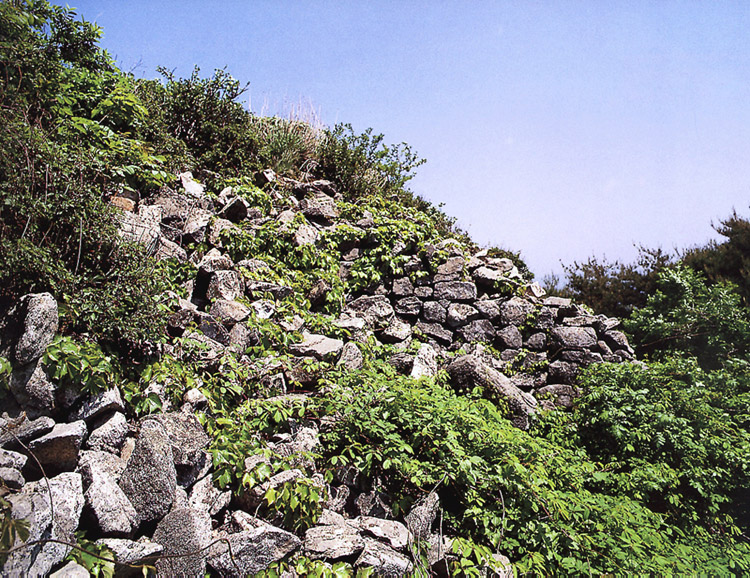
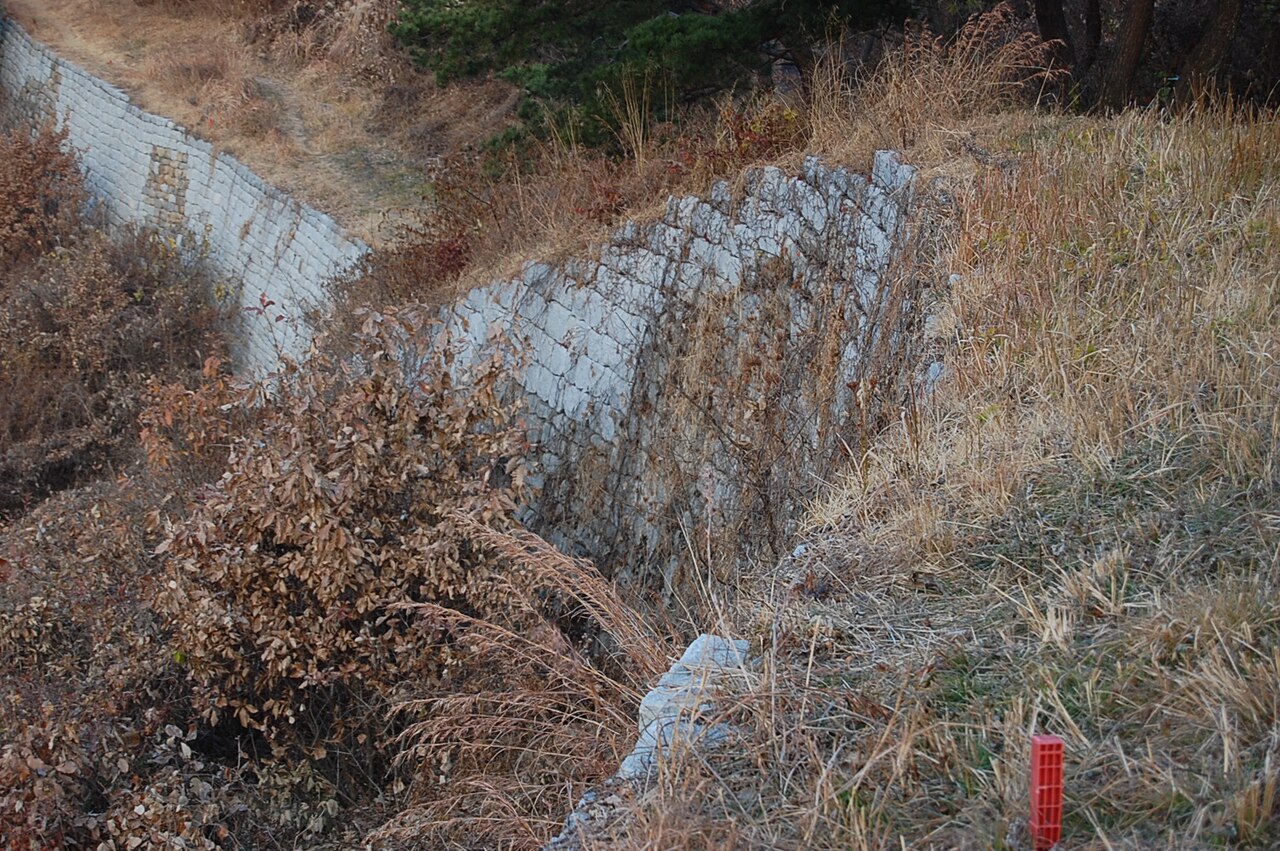
Buyeo Seokseong Fortress is notable for its extensive use of stone walls and its complex multi-wall design. The fortress consists of three concentric walls, each serving a defensive purpose:
- The outermost wall encloses a perimeter of 1,605 meters (5,266 feet) and covers an internal area of 158,352 square meters (1,704,490 square feet). This wall would have been the first line of defense against attackers.
- The second wall has a circumference of 751 meters (2,464 feet) and encloses 25,400 square meters (273,000 square feet). This middle wall provided an additional layer of protection and could have housed troops and supplies.
- The innermost wall measures 607 meters (1,991 feet) in circumference and encloses an area of 19,127 square meters (205,880 square feet). This core area likely contained key administrative and military buildings.
The fortress was equipped with seven gates, which controlled access and facilitated movement within the complex. These gates were strategically placed to manage defense and communication between the walls and surrounding areas.
Location and strategic importance
Situated on the summit of Pajinsan Mountain, the fortress's elevated position provided commanding views of the surrounding landscape, making it difficult for enemies to approach unnoticed. The mountain's natural topography was integrated into the fortress's design, enhancing its defensive capabilities.
Preservation and cultural heritage
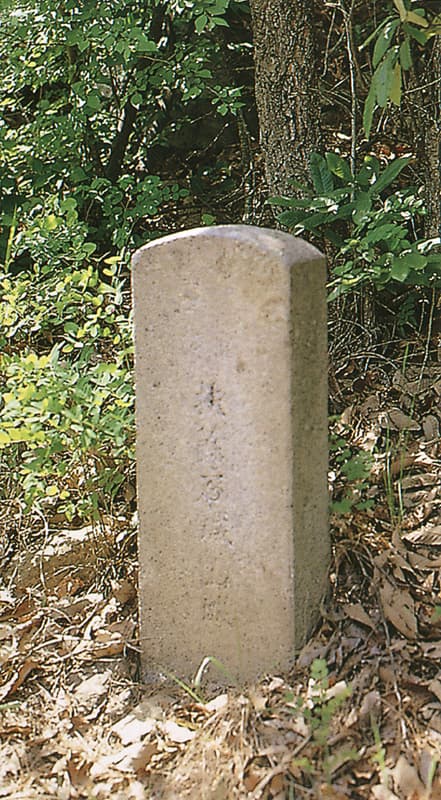
Although much of the original structure has weathered the centuries, the site of Buyeo Seokseong Fortress was designated a Historic Site of South Korea on January 21, 1963. This designation recognizes its cultural and historical value as a significant relic of the Baekje kingdom's military architecture.
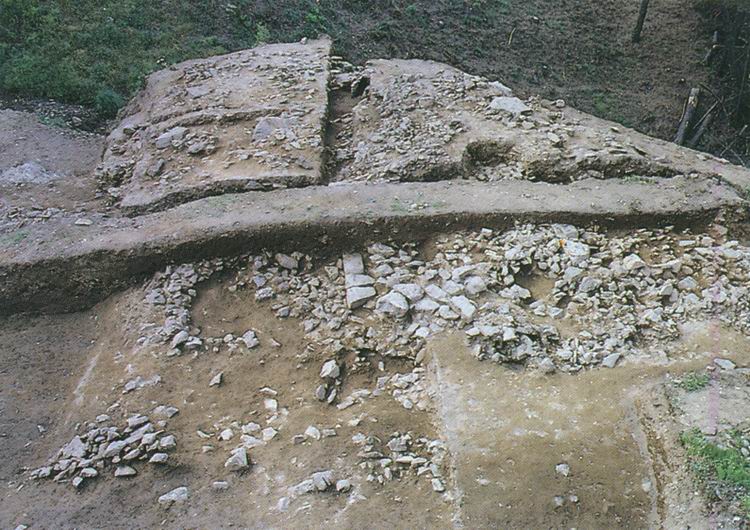
Today, visitors to the site can explore the remains of the fortress walls and gates, gaining insight into early Korean fortress construction techniques and the strategic military thinking of the Baekje period. The fortress is an important symbol of Korea's rich heritage and its ancient defensive systems.
Architectural style and construction techniques
The fortress exemplifies Early Medieval Korean military architecture, characterized by the use of large, precisely cut stone blocks fitted together without mortar in many sections. The walls were constructed to follow the natural contours of the mountain, a technique that maximized defensive advantage while minimizing construction effort.
The triple-wall system reflects a sophisticated understanding of layered defense, with each wall designed to slow and exhaust attackers. The gates were likely reinforced with wooden and stone elements, possibly featuring watchtowers or guard posts to monitor and repel enemy advances.
Connections to Baekje capital and regional defense
As part of the Baekje kingdom's capital defense system, the fortress's role was more than just a military bastion; it served as a command post and refuge in times of siege. Its connection to nearby fortresses created a network that allowed for rapid communication and troop movements, enhancing the kingdom's ability to respond to threats.
Visiting Buyeo Seokseong Fortress today
Visitors to the fortress can hike to the summit of Pajinsan Mountain to explore the fortress ruins. The site offers a combination of natural beauty and historical significance, with panoramic views of the surrounding countryside. Interpretive signage and preservation efforts help visitors understand the fortress's layout and historical context.
The fortress is accessible year-round, though weather conditions on the mountain can affect hiking. Visitors are encouraged to wear appropriate footwear and prepare for a moderately challenging ascent.
Frequently asked questions (FAQ)
- When was Buyeo Seokseong Fortress built?
- Buyeo Seokseong Fortress was built in the 6th century during the Baekje kingdom's Early Medieval period to protect the capital Sabi.
- What is the architectural layout of Buyeo Seokseong Fortress?
- The fortress features three concentric stone walls with perimeters of 1,605 m, 751 m, and 607 m, enclosing progressively smaller areas and includes seven gates.
- Where is Buyeo Seokseong Fortress located?
- The fortress is located on the summit of Pajinsan Mountain in Buyeo County, South Chungcheong Province, South Korea.
- Is Buyeo Seokseong Fortress open to visitors?
- Yes, the fortress ruins are accessible year-round and visitors can hike to the summit to explore the remains and enjoy panoramic views.
- What is the historical significance of Buyeo Seokseong Fortress?
- It was a key defensive structure protecting the Baekje capital and part of a network of fortresses that safeguarded the kingdom during the 6th century.

Information
Current owner
State
Loading map...
Visitor reviews
No reviews yet. Been here? Write the first review and help other travelers!
Write the first reviewVisited this castle? Share your experience
Your review helps other travelers and adds first-hand knowledge to our encyclopedia.