Garh Panchkot
Garh Panchkot, also known as the "Fort of the Five Clans," is a significant historical site situated at the foothills of Panchet Hill in the Purulia district of West Bengal, India. This ruined fort stands as a testament to the region's medieval past and offers insights into the architectural and cultural heritage of eastern India. The fort's name reflects its association with five ruling clans, indicating its importance as a center of power and defense.
Historical background and significance
Constructed during the medieval period, Garh Panchkot served as a strategic military fortification and a royal residence. The fort's location at the base of Panchet Hill provided a natural defensive advantage, overseeing the surrounding plains and controlling important trade and communication routes. It played a crucial role in regional conflicts and governance, particularly during the rule of local chieftains and zamindars.
Historical accounts suggest that the fort was inhabited until the late 18th century when it faced destruction during the Bengal famine of 1770 and subsequent invasions. The famine severely weakened the local population and economy, making the fort vulnerable to external attacks. The ruins today reflect the aftermath of these turbulent events.
Architectural features and layout
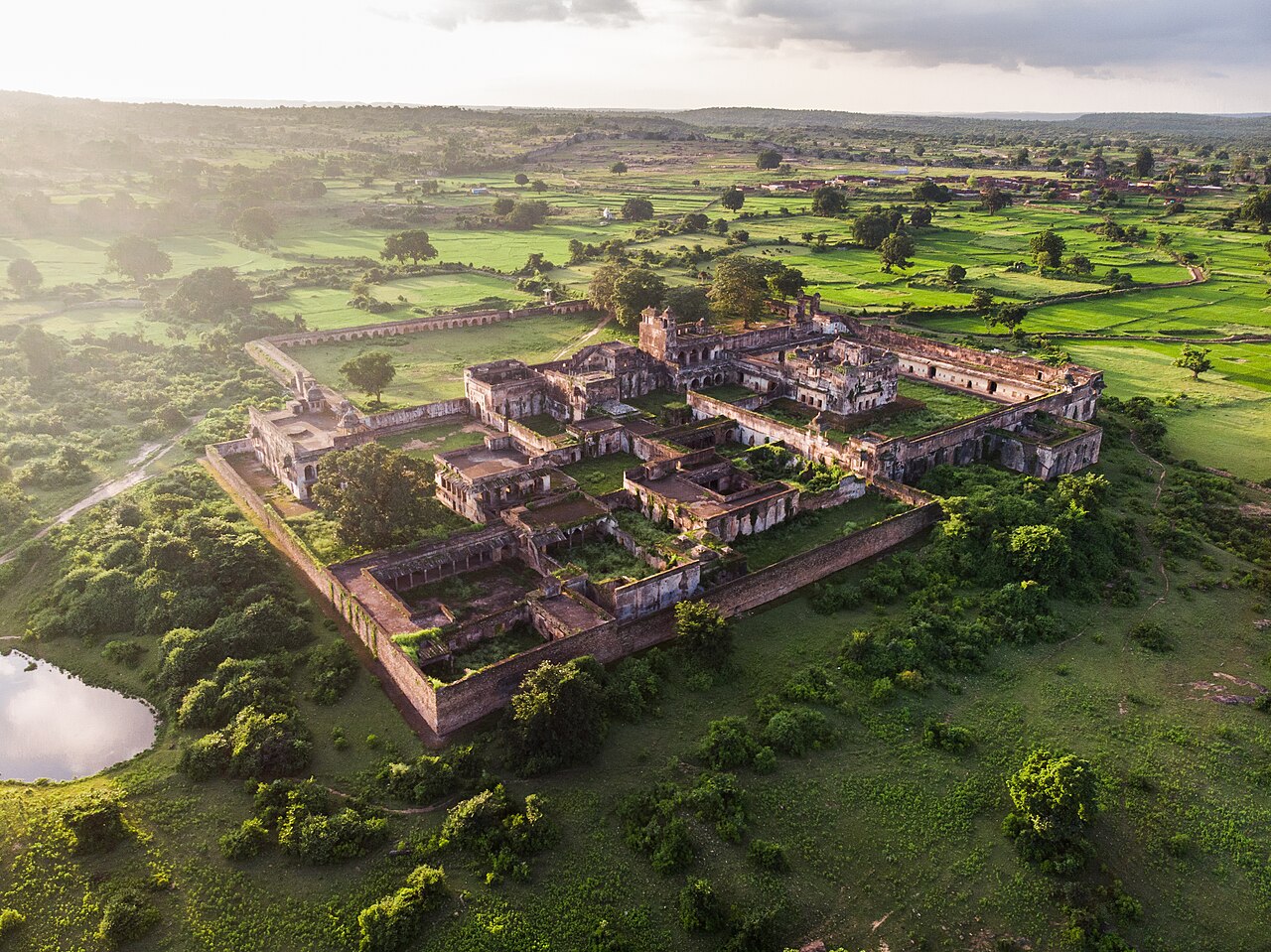
The remains of Garh Panchkot reveal a complex layout typical of medieval forts in India. The fort was constructed using locally sourced stone and laterite, materials known for their durability. The defensive structures included thick curtain walls with remnants of bastions that once housed artillery and guards.
The fort complex comprised multiple gates, courtyards, and residential quarters. Traces of watchtowers and ramparts indicate the importance of surveillance and defense. Within the fort, there were also temples and water reservoirs, highlighting the integration of religious and practical needs.
Defensive structures
The fort's design incorporated natural topography with man-made fortifications. The curtain walls were strategically placed to maximize defense against invaders. Bastions at intervals allowed defenders to cover the walls with crossfire. Although much of the structure is in ruins, the surviving walls still demonstrate the fort's former strength.
Residential and religious buildings
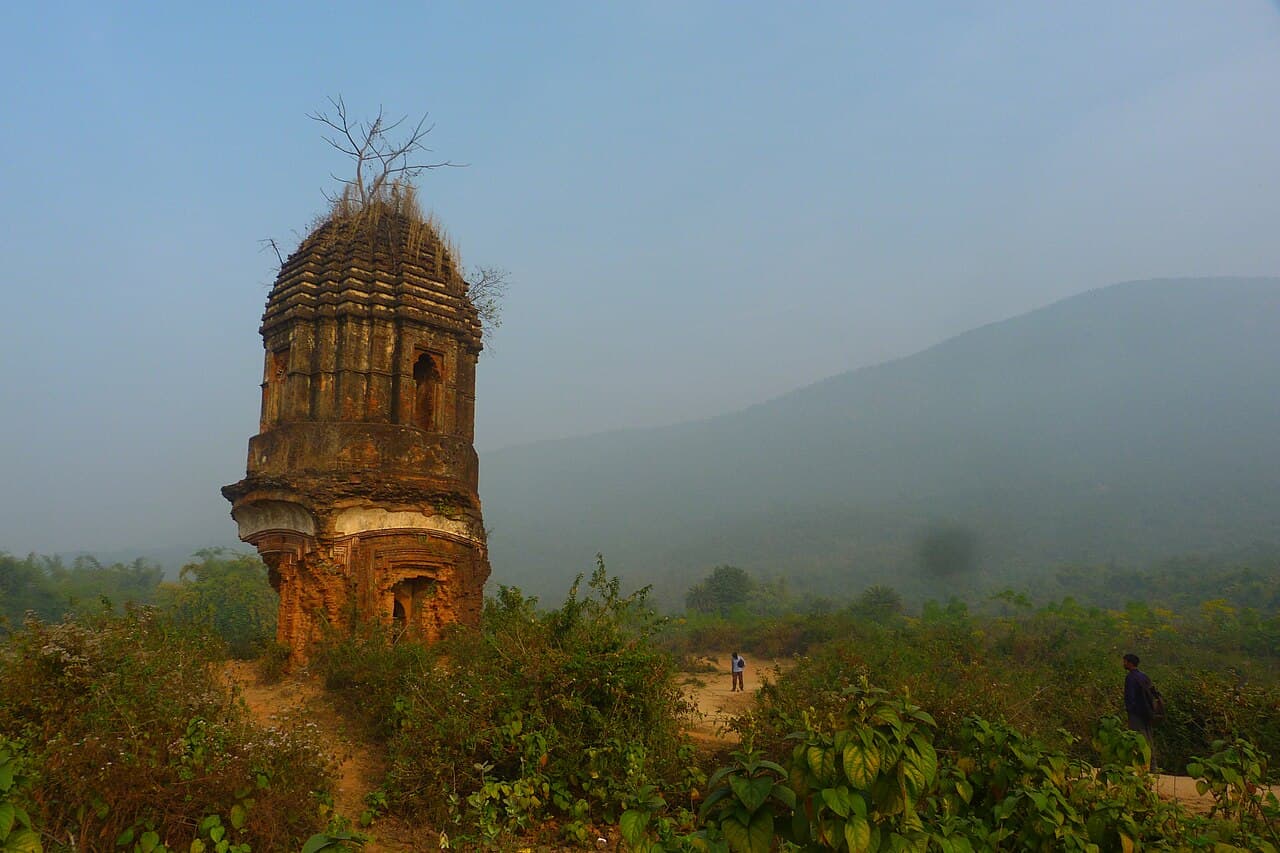
Within the fort, the remains of palatial buildings and temples suggest a blend of military and cultural functions. The temples reflect the local religious practices and architectural styles prevalent during the fort's occupation. Water tanks and reservoirs ensured a sustainable water supply during sieges.
Cultural and tourism importance
Today, Garh Panchkot is an important archaeological site attracting historians, architects, and tourists interested in medieval Indian fortifications. Its ruins offer a glimpse into the lifestyle, defense mechanisms, and architectural ingenuity of the period. The site is also a popular destination for trekking and exploring the natural beauty of Panchet Hill and its surroundings.
Efforts to preserve and study the ruins have been undertaken by local authorities and heritage organizations, although much of the site remains exposed to natural decay. Visitors are advised to explore the area with respect for its historical significance and fragile condition.
Visiting information
Garh Panchkot is accessible from the town of Purulia and nearby cities in West Bengal. The best time to visit is during the cooler months from October to March. There are no formal entry fees, but guided tours may be available through local operators. Visitors should prepare for uneven terrain and limited facilities at the site.
Nearby attractions
The region around Garh Panchkot offers additional cultural and natural attractions, including the Panchet Dam, Ajodhya Hills, and several tribal villages that provide insight into the local heritage and traditions.
Frequently asked questions (FAQ)
- What is the historical significance of Garh Panchkot?
- Garh Panchkot is a historic fort located in Purulia, India, that dates back to the 17th century. It served as a strategic military outpost and was an important site during the reign of the Malla kings, showcasing the region's rich cultural heritage.
- When is the best time to visit Garh Panchkot?
- The best time to visit Garh Panchkot is between October and March, when the weather is pleasant and ideal for exploring. During these months, you can enjoy comfortable temperatures and clear skies, making it perfect for sightseeing.
- Can I access Garh Panchkot by public transportation?
- Yes, Garh Panchkot is accessible by public transportation, with several bus and train options available from major cities in West Bengal. Once you reach Purulia, local taxis and auto-rickshaws can take you to the castle, making it convenient for visitors.
- What are the opening hours for Garh Panchkot?
- Garh Panchkot is generally open to visitors from sunrise to sunset every day. It is advisable to check for any specific timings or seasonal variations before planning your visit.
- Is there an entrance fee to visit Garh Panchkot?
- Yes, there is a nominal entrance fee to visit Garh Panchkot, which helps in the maintenance and preservation of the site. Ticket prices may vary for Indian citizens and foreign tourists, so it's best to confirm the latest rates before your visit.
- What architectural features can I expect to see at Garh Panchkot?
- Garh Panchkot features a blend of Hindu and Islamic architectural styles, with ornate carvings and impressive stone structures. The ruins of the fort, temples, and other buildings reflect the artistic craftsmanship of the era, making it a fascinating site for architecture enthusiasts.
- Are there any nearby attractions to visit when at Garh Panchkot?
- Yes, there are several nearby attractions, including the scenic Ayodhya Hills and the beautiful Panchkot Lake. Visitors can also explore the local villages to experience the rich culture and traditions of Purulia.
- Is it possible to stay overnight near Garh Panchkot?
- Yes, there are accommodations available near Garh Panchkot, ranging from budget guesthouses to more comfortable hotels. Staying overnight allows you to enjoy the serene surroundings and explore the area at a leisurely pace.
Photo gallery

Information
Loading map...
Visitor reviews
No reviews yet. Been here? Write the first review and help other travelers!
Write the first reviewVisited this castle? Share your experience
Your review helps other travelers and adds first-hand knowledge to our encyclopedia.