Garcia d'Ávila Tower House
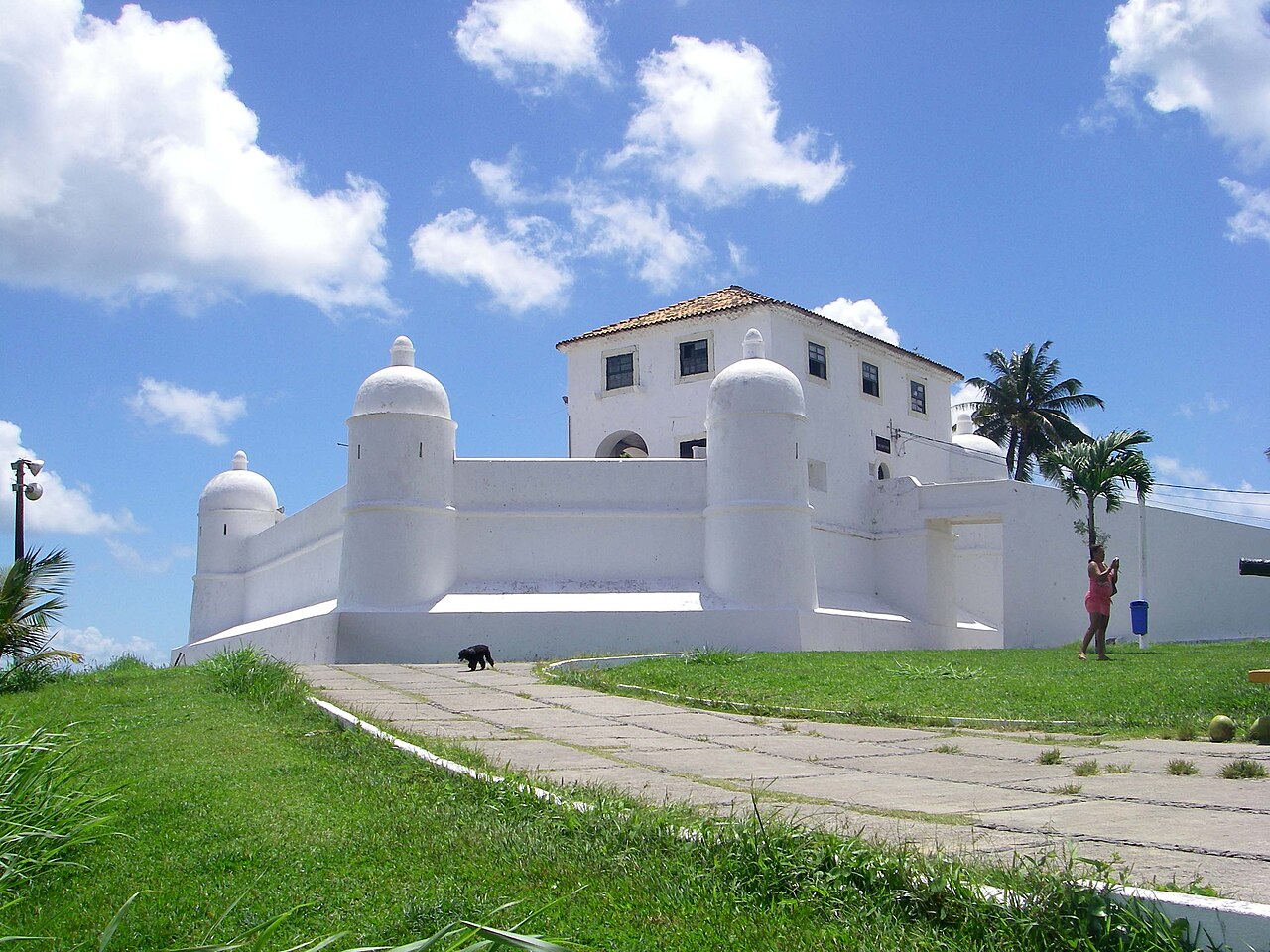
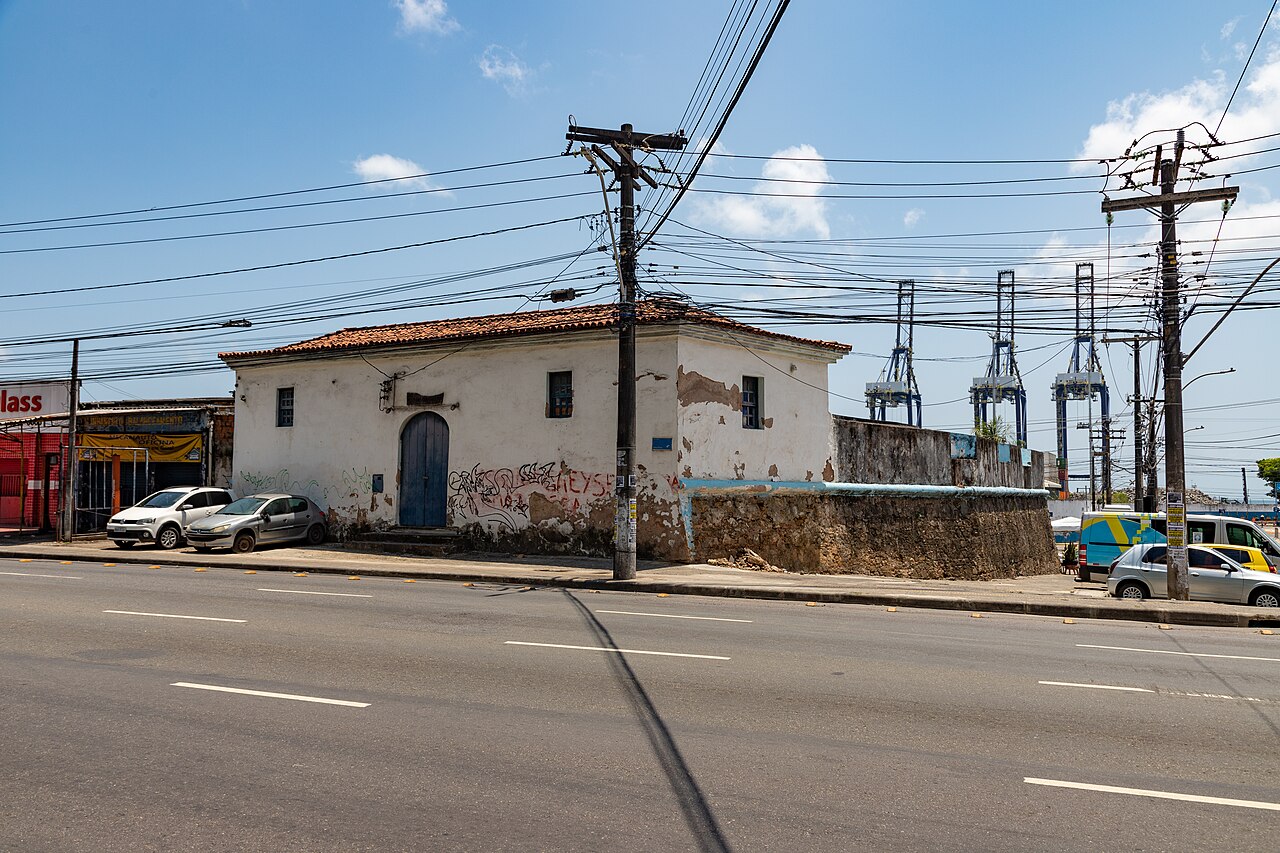
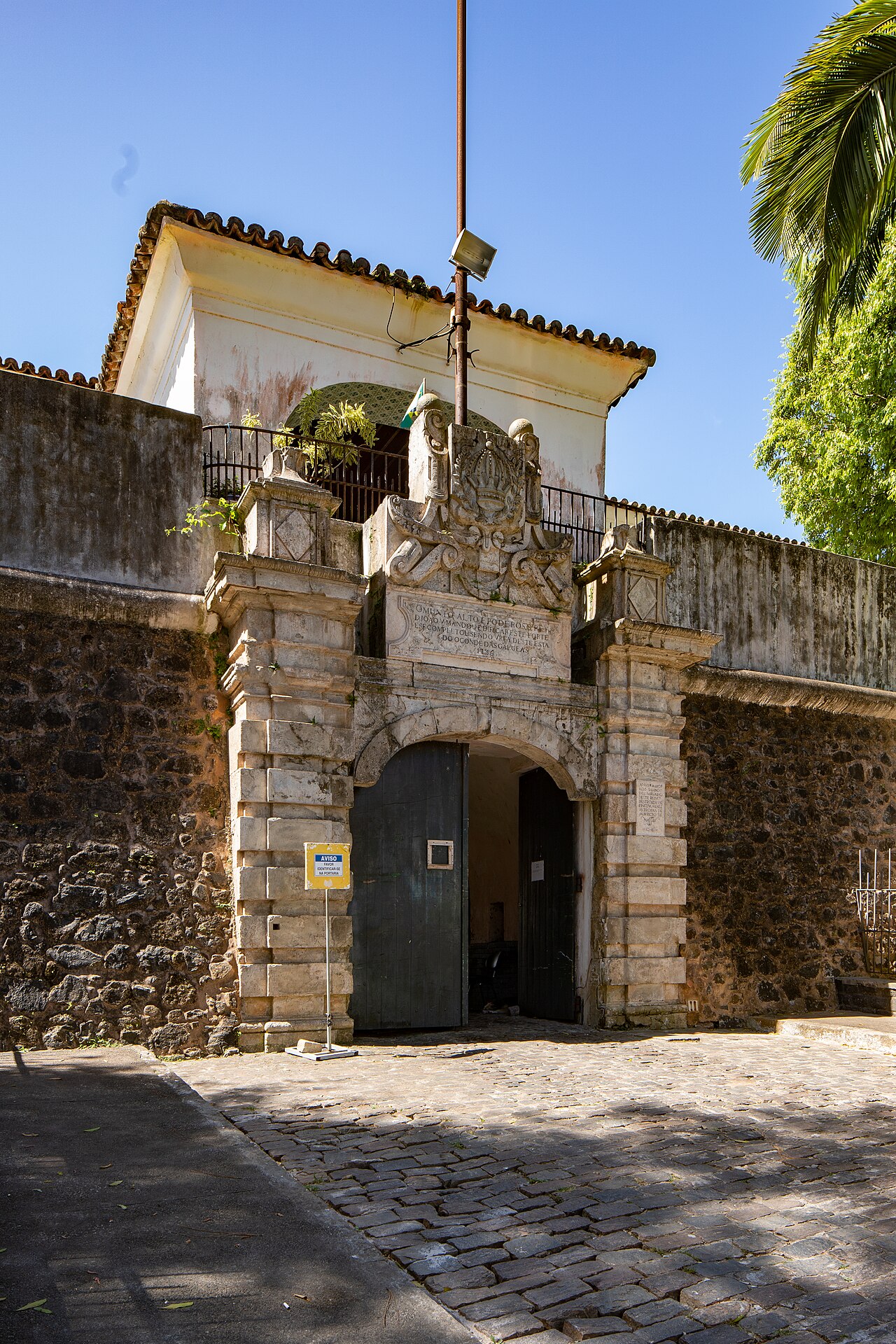
The Garcia d'Ávila Tower House, also known as Casa da Torre de Garcia d'Ávila, Castelo de Garcia d'Ávila, or Forte de Garcia d'Ávila, is a historic fortified complex located in Mata de São João, Bahia, Brazil. Constructed in the 16th century, this site represents one of the earliest examples of European military architecture in Brazil and played a significant role in the colonial defense system along the Atlantic coast.
The complex was commissioned by Tomé de Sousa (1503–1579), the first governor-general of Brazil, who appointed his son, Garcia de Sousa d'Ávila (1528–1609), to oversee its construction. The castle is situated near the present-day settlement of Praia do Forte, approximately 1,200 metres from a natural harbor on the Atlantic Ocean. Its strategic location atop a hill provided commanding views over the ocean and surrounding lands, making it an ideal site for surveillance and early warning against maritime threats.
Architectural features and layout
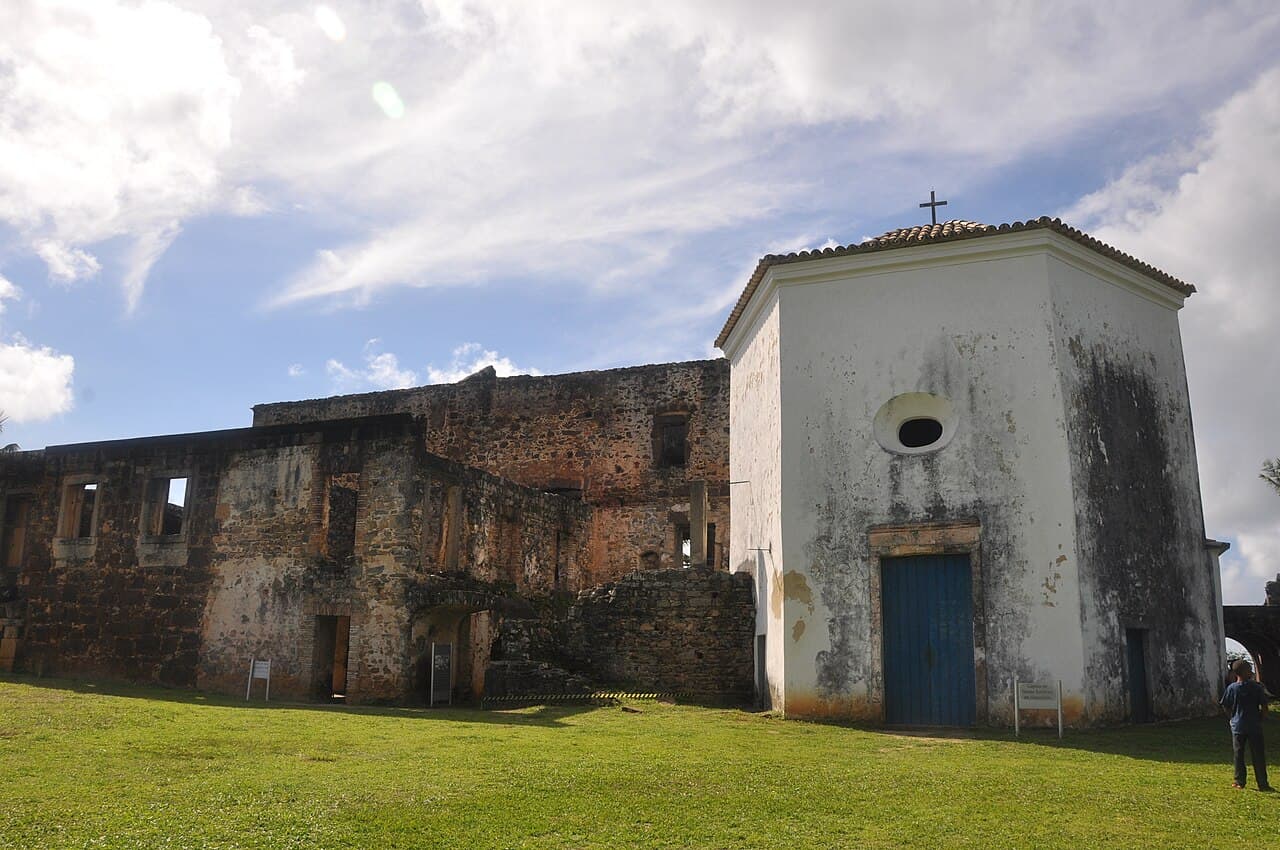
The original complex comprised a fortified watchtower, a castle structure, and a church, forming a multifunctional military and religious compound. The tower house served as both a residence and a defensive lookout, combining living quarters with fortification elements such as thick stone walls and battlements. The castle was designed to withstand attacks and control the surrounding territory, including the nearby village of Tatuapara.
The church within the complex highlights the integration of religious functions with military needs during the colonial era, reflecting the role of the Catholic Church in supporting Portuguese colonial expansion. The complex's construction utilized locally available materials, including stone and mortar, adapted to the tropical climate and coastal environment.
Historical significance and function
The Garcia d'Ávila Tower House was a critical component of the early colonial defense network in Bahia. It functioned as an advanced vigilance point for the city of Salvador and other settlements around the Bay of All Saints. The castle's elevated position allowed guards to monitor the Atlantic for approaching ships, particularly those of potential enemies or pirates.
To communicate threats quickly, the castle employed a system of encrypted signals using smoke and torches. Messages were relayed through a chain of Jesuit villages and smaller settlements, enabling rapid transmission of warnings to Salvador. This early warning system was vital for the protection of the colonial capital and its surrounding areas.
Decline and current state
Over the centuries, the complex fell into disuse and suffered deterioration due to natural decay and lack of maintenance. Today, the site exists as ruins, with remnants of the original structures still visible but largely fragmented. Despite its ruined condition, the site remains an important cultural and historical landmark in Bahia, illustrating the early Portuguese colonial presence and military architecture in Brazil.
The ruins attract visitors interested in colonial history, archaeology, and architecture. Preservation efforts aim to protect what remains and promote awareness of the site's heritage value.
Legacy and cultural impact
The Garcia d'Ávila Tower House stands as a testament to the early Portuguese efforts to secure their territories in the New World. It reflects the military, religious, and social dynamics of 16th-century colonial Brazil. Its strategic role in coastal defense and communication exemplifies the challenges faced by colonial powers in maintaining control over vast and often hostile territories.
Today, the site contributes to understanding the colonial history of Bahia and Brazil as a whole. It offers insights into the architectural styles and construction techniques of the Renaissance period adapted to the tropical environment. The tower house's ruins continue to inspire research and conservation initiatives, ensuring its story remains part of Brazil's cultural heritage.
Frequently asked questions (FAQ)
- What is the historical significance of Garcia d'Ávila Tower House?
- The Garcia d'Ávila Tower House was a key colonial fortress built in the 16th century to defend the Bahia coast and served as an early warning post for Salvador against enemy ships.
- Can visitors explore the ruins of the Garcia d'Ávila Tower House?
- Yes, visitors can explore the ruins, which remain a notable cultural and historical landmark in Bahia, though facilities may be limited due to its archaeological nature.
- How did the tower house communicate warnings to Salvador?
- The tower house used a system of encrypted smoke and torch signals relayed through Jesuit villages and small settlements to quickly alert Salvador of approaching threats.
- Where is the Garcia d'Ávila Tower House located?
- It is located near Praia do Forte in the municipality of Mata de São João, Bahia, Brazil, about 1,200 metres from a natural harbor on the Atlantic coast.
- What structures made up the Garcia d'Ávila complex?
- The complex included a fortified watchtower, a castle, and a church, combining military and religious functions in one site.
Photo gallery

Information
Loading map...
Visitor reviews
No reviews yet. Been here? Write the first review and help other travelers!
Write the first reviewVisited this castle? Share your experience
Your review helps other travelers and adds first-hand knowledge to our encyclopedia.