Fort of Monserrate
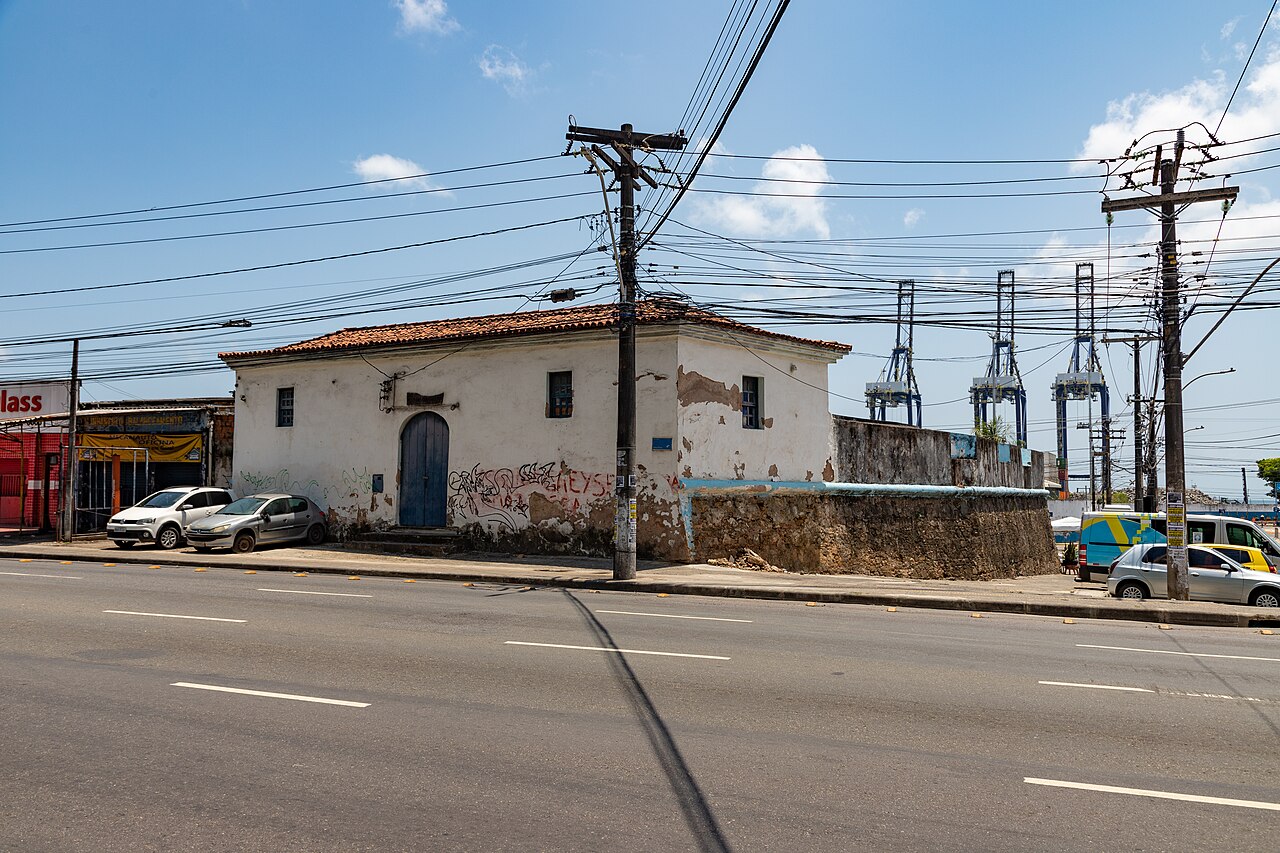
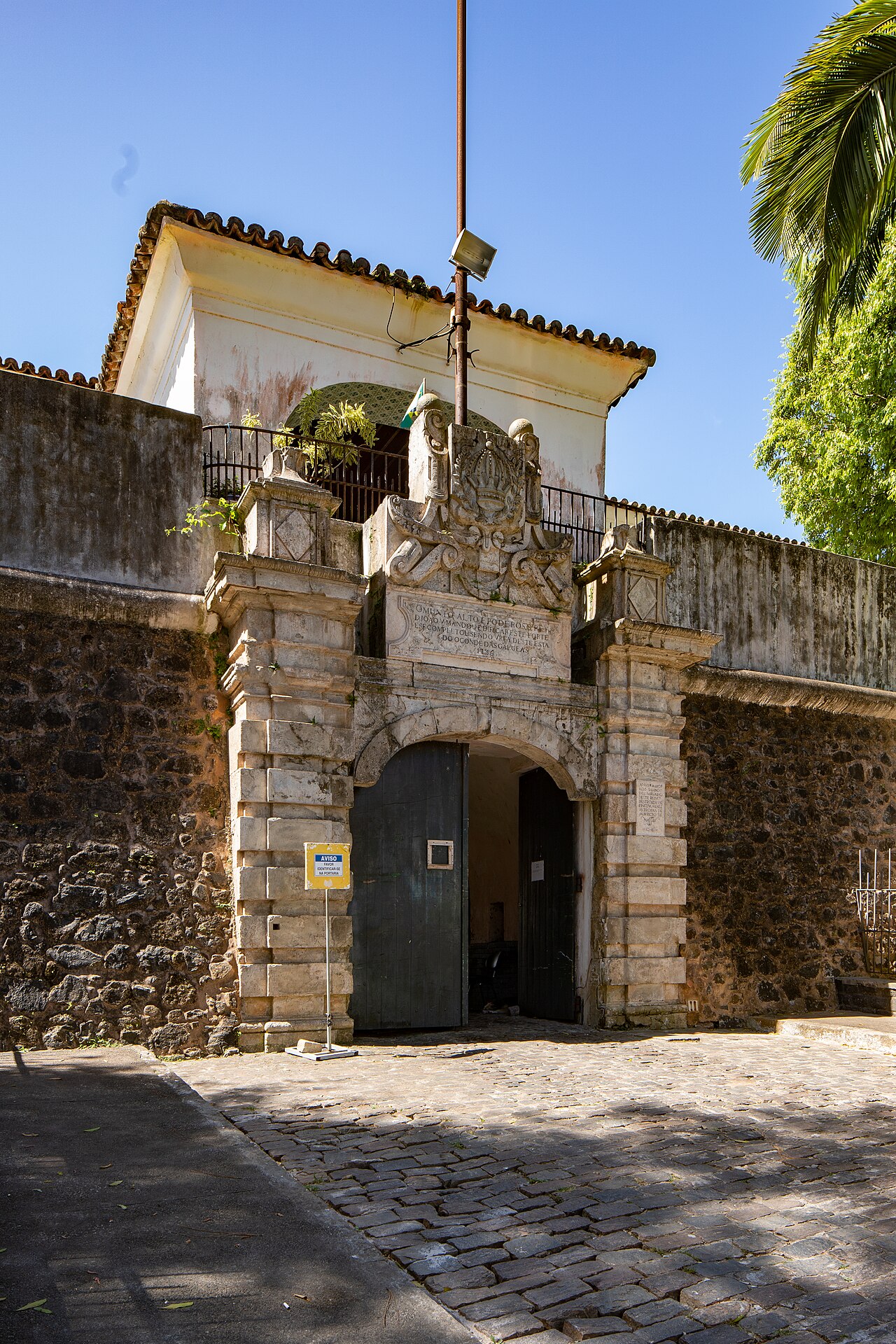
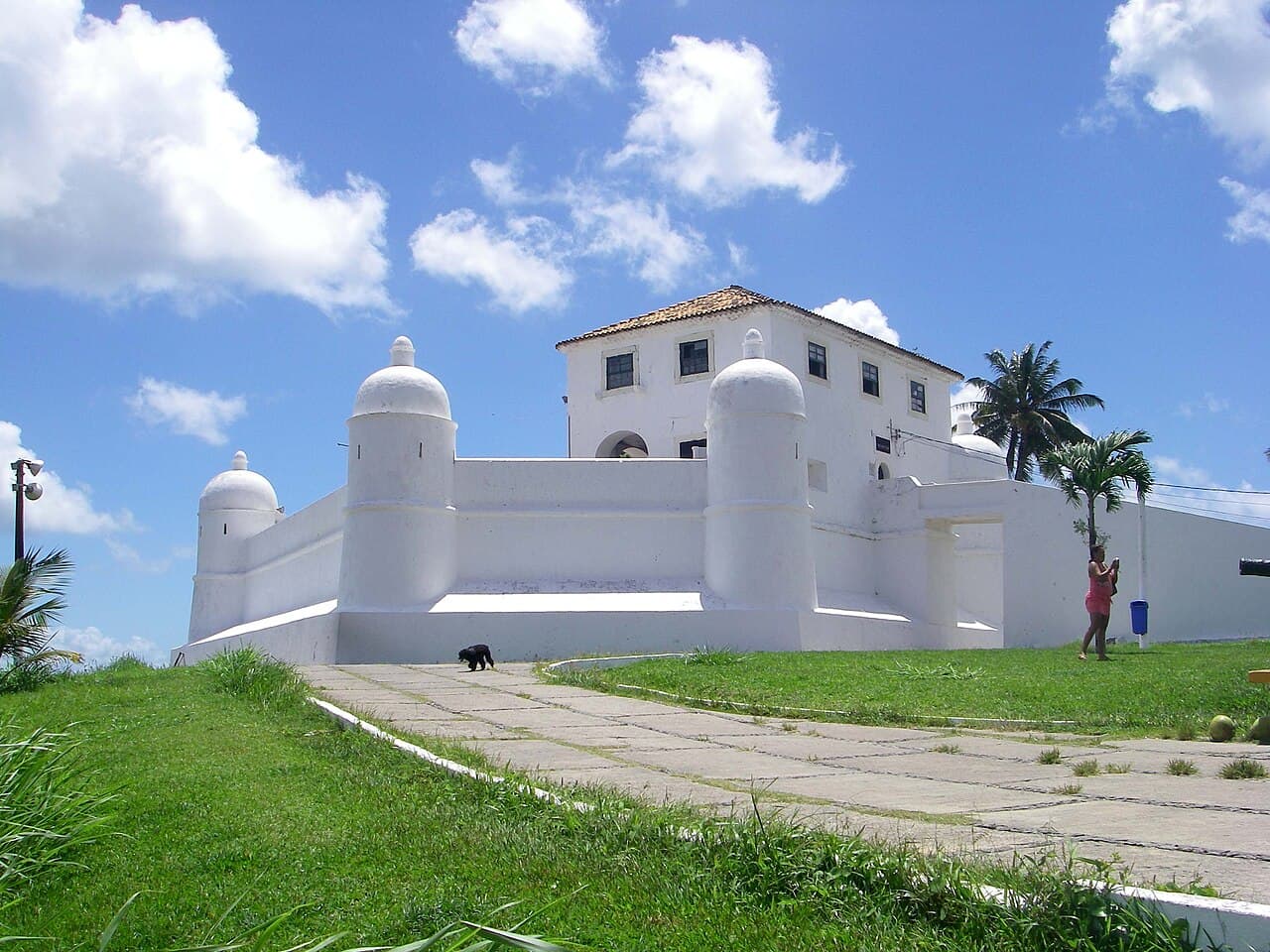
The Fort of Monserrate (Portuguese: Fortim de Monserrate) is a significant 16th-century bastioned fortress situated in Salvador, Bahia, Brazil. Also known historically as the Small Fort of Our Lady of Monserrate (Fortim de Nossa Senhora de Monserrate), and originally called Forte de São Felipe (Fort of Saint Phillip) until the 19th century, this fortification stands as one of the few Brazilian military structures to maintain its original late 16th-century appearance.
Constructed between the late 16th century and early 17th century, the fort occupies a strategic position on the Itapagipe Peninsula, overlooking the Bay of All Saints. Its location above the Church and Monastery of Our Lady of Monserrate, one of Brazil's oldest religious complexes, highlights its dual role in both military defense and religious presence during the colonial period.
Historical context and strategic importance
The Fort of Monserrate was built during the early phase of Portuguese colonization in Brazil, a time when the control of coastal regions was vital for protecting settlements and trade routes from rival European powers and indigenous resistance. The 16th century saw numerous fortifications erected along the Brazilian coast, with Monserrate playing a key role in the defense of the city of Salvador, which was the colonial capital of Brazil until 1763.
Its original name, Forte de São Felipe, reflects the Portuguese practice of dedicating military structures to saints for protection. The fort's position on the Itapagipe Peninsula allowed it to control access to the harbor and defend the western approaches to Salvador, complementing other fortifications in the area.
Architectural features and design
The Fort of Monserrate exemplifies the bastioned fortress style, which became prominent in the Renaissance period as a response to the development of artillery. This style is characterized by angular bastions projecting from the walls, designed to provide overlapping fields of fire and eliminate blind spots.
The fort's layout includes thick stone walls, bastions at the corners, and a compact, irregular polygonal plan adapted to the rocky terrain of the peninsula. The walls are constructed from local stone and lime mortar, materials typical of colonial Brazilian military architecture.
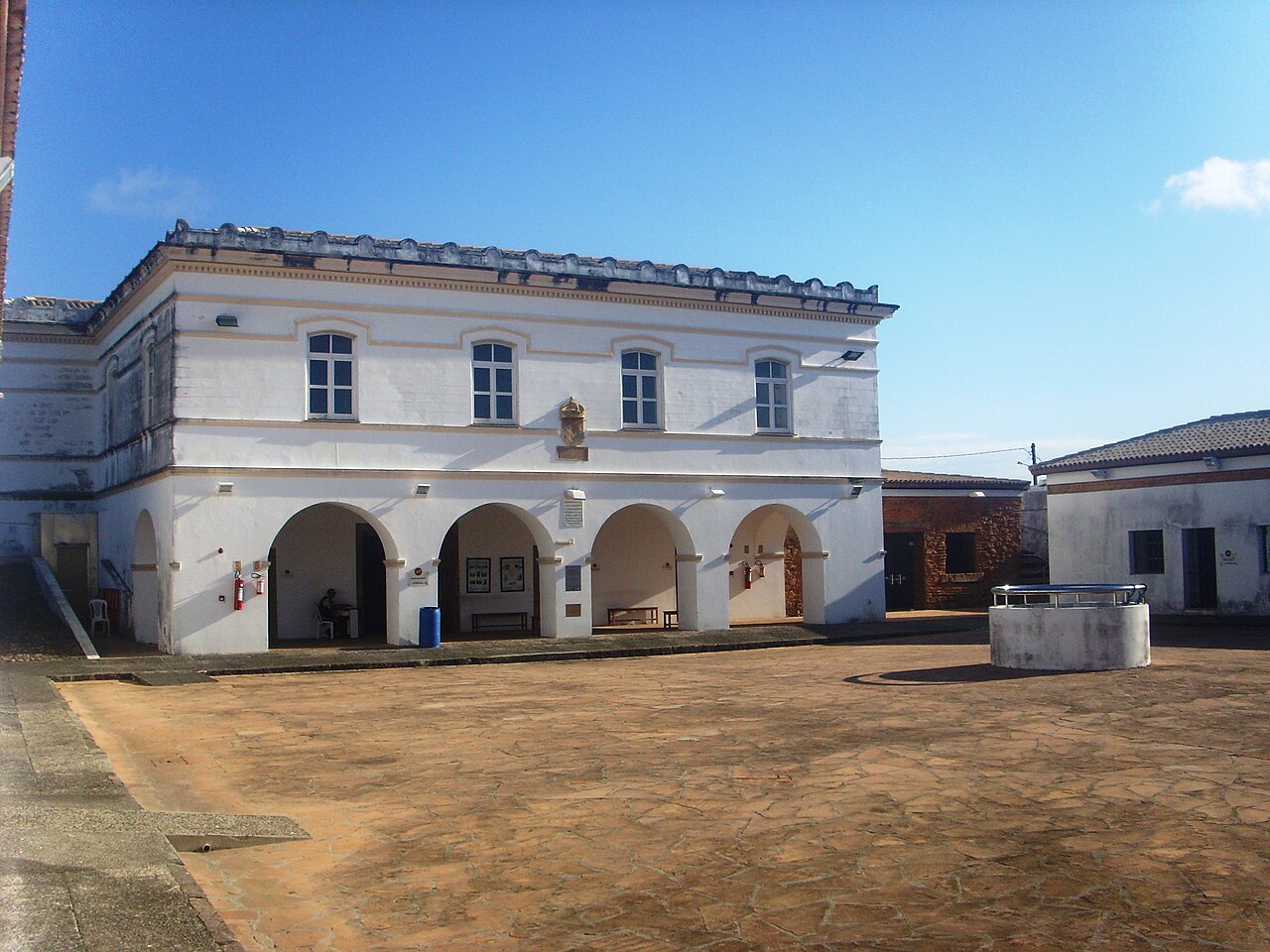
Inside, the fort contained barracks, powder magazines, and artillery platforms. The design reflects practical military needs of the era, focusing on defense and surveillance rather than residential comfort.
Relationship with the church and monastery
The fort's location above the Church and Monastery of Our Lady of Monserrate is significant. The monastery, established in the early colonial period, was an important religious center for the Portuguese settlers and enslaved Africans. The fort provided protection to this religious site, emphasizing the intertwined nature of military and religious institutions in colonial Brazil.
Preservation and cultural heritage status
The Fort of Monserrate is notable for being one of the few Brazilian fortifications to retain much of its original 16th-century appearance. Its preservation offers valuable insights into early colonial military architecture and the Portuguese defensive strategy in the Americas.
In recognition of its historical and architectural significance, the fort was listed as a historic structure by the National Institute of Historic and Artistic Heritage (IPHAN) in 1938. This designation helps protect the fort from alterations that could compromise its integrity and ensures ongoing conservation efforts.
Visiting the fort of monserrate
Today, the Fort of Monserrate is accessible to visitors interested in Brazil's colonial history and military architecture. Its location offers panoramic views of the Bay of All Saints and the city of Salvador. Visitors can explore the fort's ramparts, bastions, and internal structures, gaining a tangible sense of the defensive measures used during the Renaissance period.
The fort's proximity to the Church and Monastery of Our Lady of Monserrate allows for combined visits, providing a broader understanding of the colonial religious and military landscape. Interpretive signage and guided tours help contextualize the fort's role in Brazilian history.
Photo gallery

Information
Loading map...
Visitor reviews
No reviews yet. Been here? Write the first review and help other travelers!
Write the first reviewVisited this castle? Share your experience
Your review helps other travelers and adds first-hand knowledge to our encyclopedia.