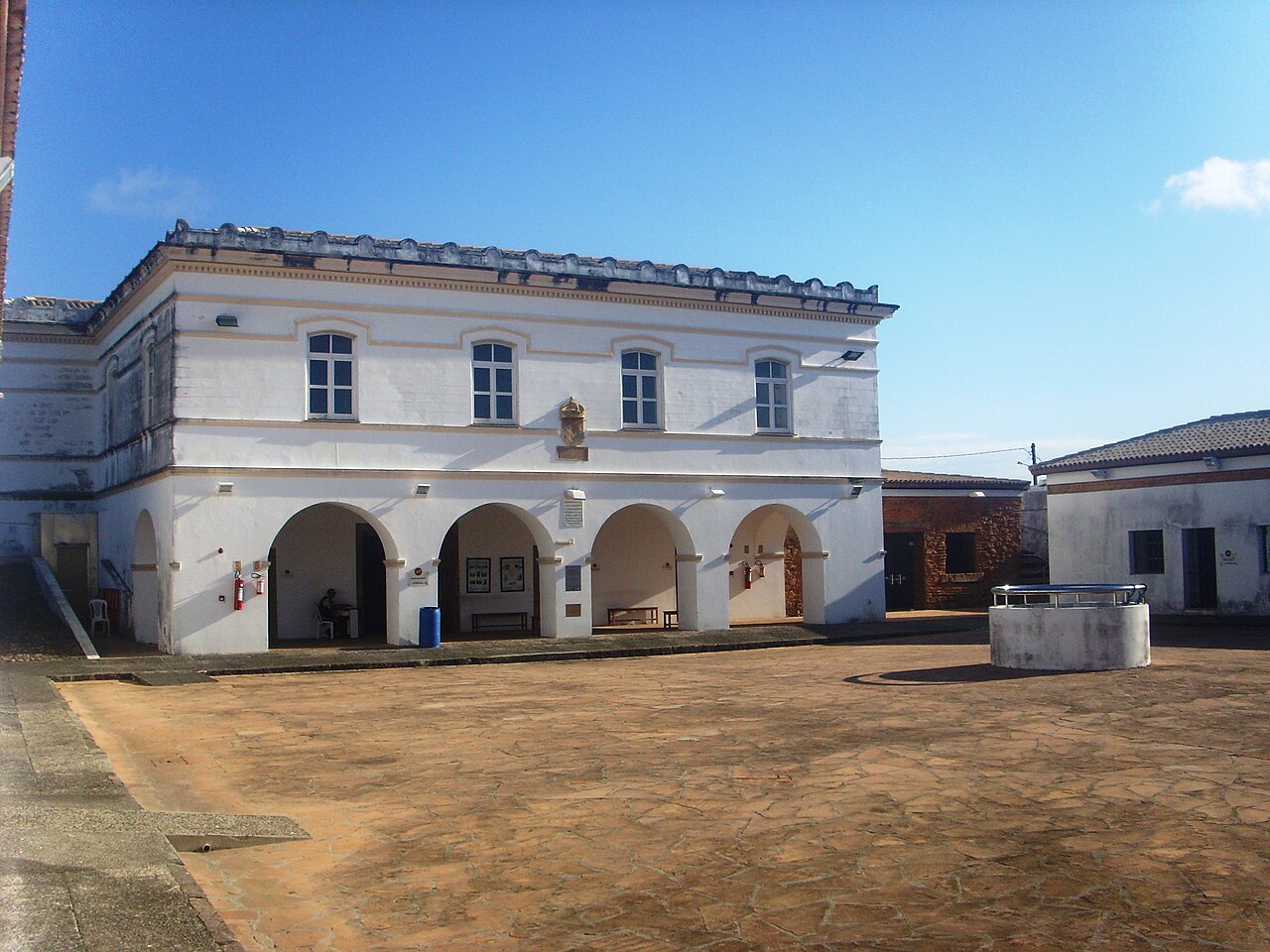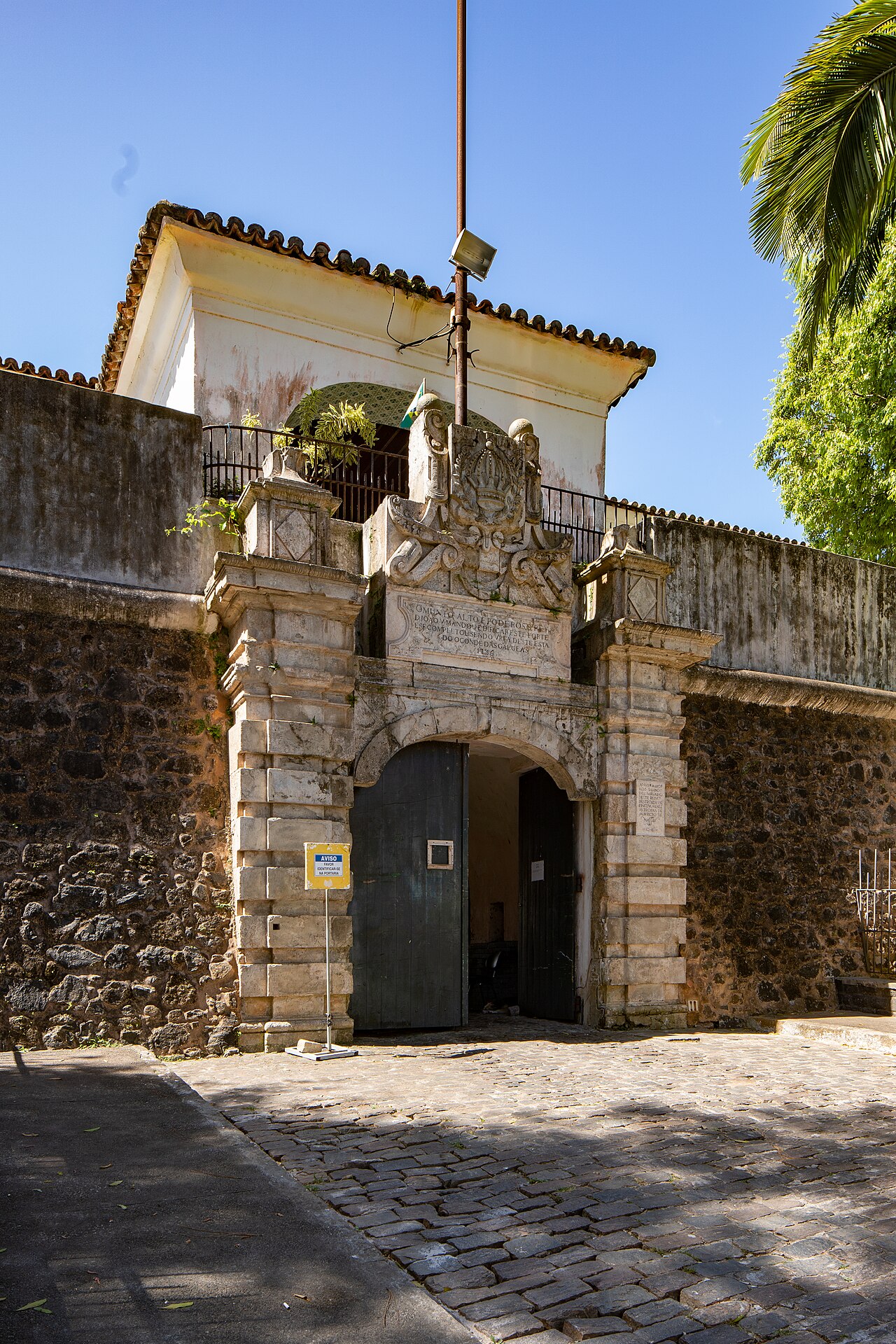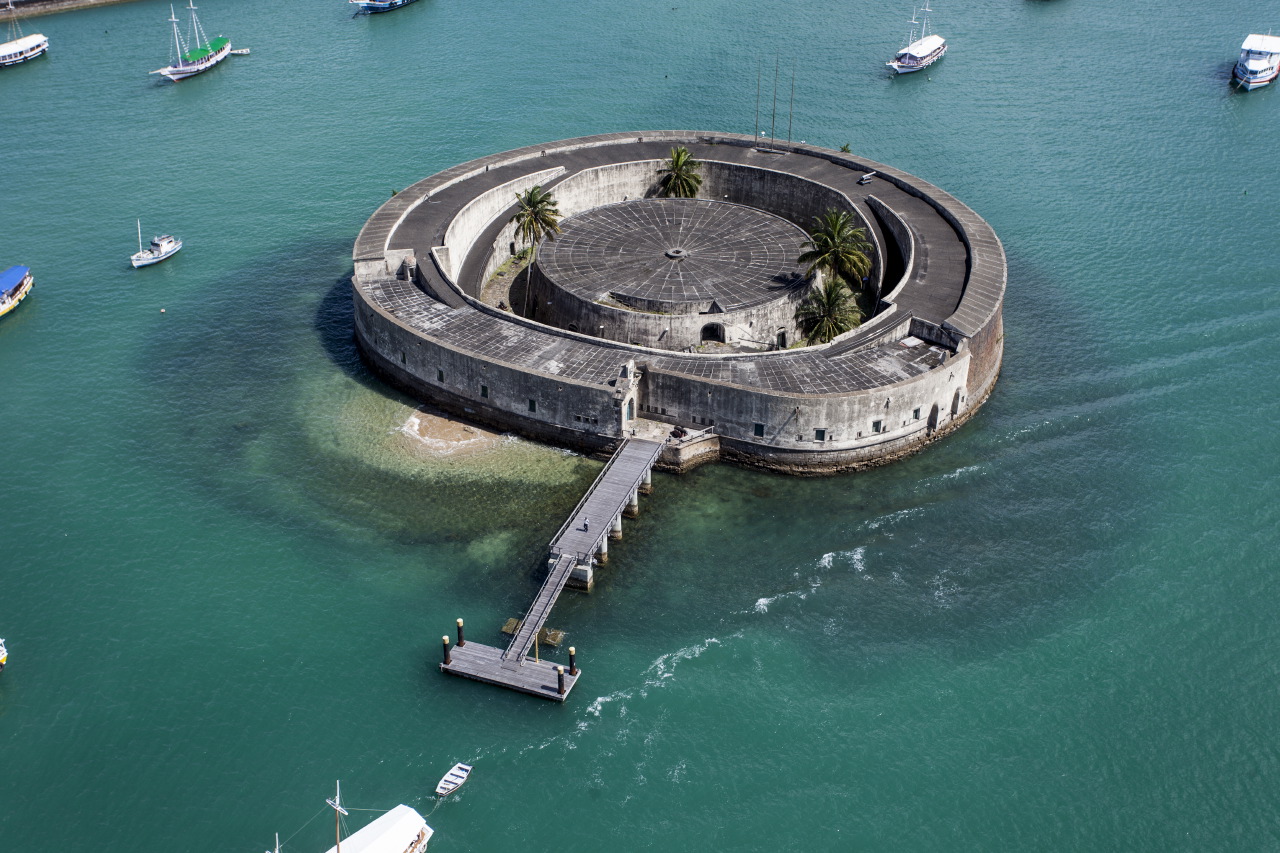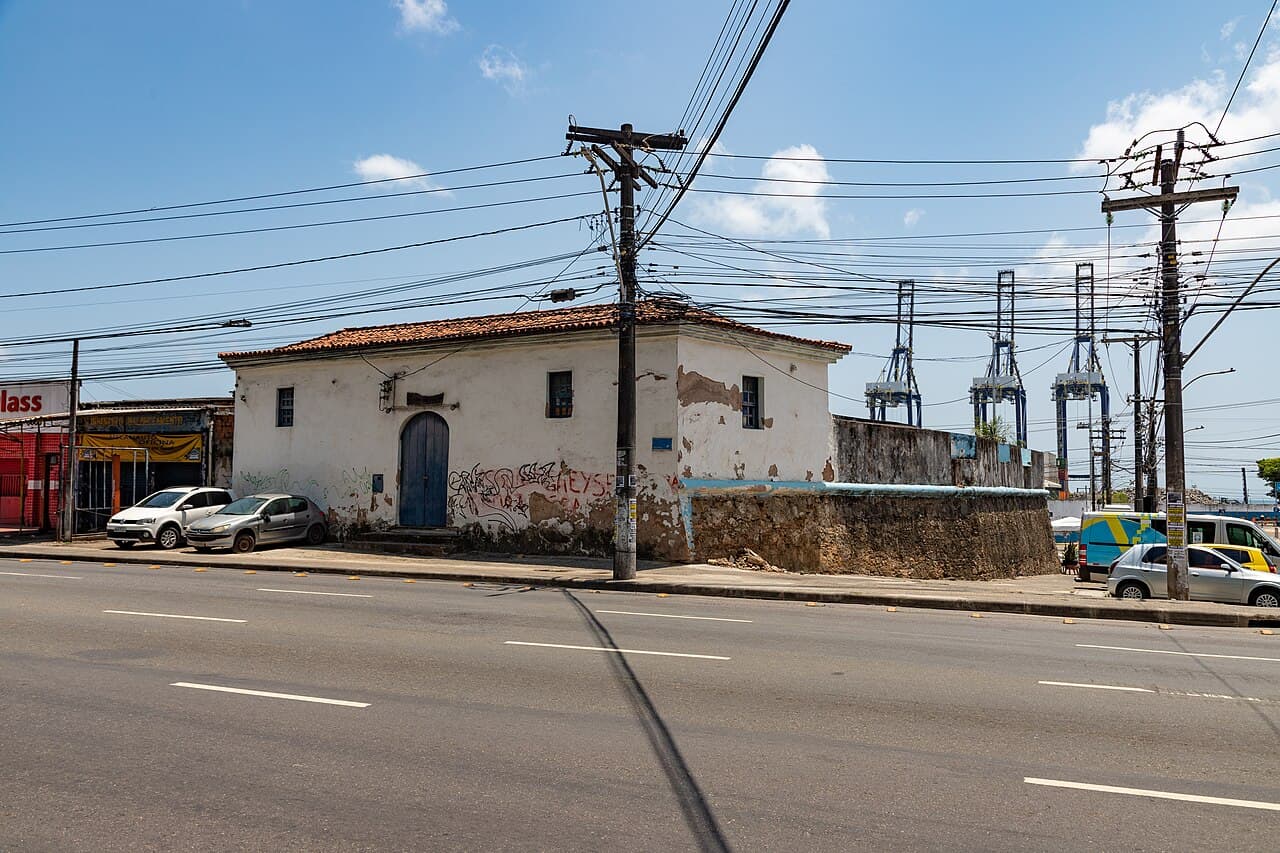
The Small Fort of Santo Alberto is a notable example of a bastioned fortress located in Brazil. This type of fortress is characterized by angular bastions protruding from the main walls, designed to provide defensive coverage against artillery attacks. Bastioned fortresses were a common military architectural style in the colonial period, especially in strategic coastal or riverine locations.
While the exact city location of the Small Fort of Santo Alberto is not widely documented, it is part of Brazil's rich heritage of colonial fortifications built primarily between the 16th and 18th centuries. These forts were established by the Portuguese to protect their territories from foreign invasions and pirate attacks, as well as to control important maritime routes.
Architectural features of the bastioned fortress
The Small Fort of Santo Alberto exhibits typical characteristics of bastioned fortresses, including thick stone walls and angular bastions designed to eliminate blind spots and allow defenders to cover the surrounding moat or terrain with overlapping fields of fire. The bastions are usually pentagonal or arrowhead-shaped, enabling cannon placements that could sweep the approaches to the fort.
Such fortresses often include a central courtyard, barracks, powder magazines, and a main gate fortified with heavy doors and sometimes a drawbridge. The design reflects the influence of European military engineers who adapted Renaissance fortification principles to the New World context.
Historical context and significance
The construction of bastioned fortresses like Santo Alberto was part of the Portuguese strategy to consolidate their control over Brazil during the colonial period. These forts served both defensive and administrative functions, acting as military outposts and symbols of imperial authority.
Although specific historical events tied to the Small Fort of Santo Alberto are not well-documented, forts of this type were often involved in conflicts with indigenous groups, rival colonial powers such as the Dutch and French, and later in internal struggles during Brazil's path to independence.
Preservation and current status
The current condition of the Small Fort of Santo Alberto is not extensively recorded in public sources. However, many similar colonial bastioned fortresses in Brazil range from well-preserved to partially ruined, depending on local conservation efforts. These sites are valued for their cultural heritage and attract visitors interested in military history and colonial architecture.
Visiting information and cultural importance
Visitors to bastioned fortresses in Brazil often explore the robust defensive walls, bastions, and internal structures that reveal insights into colonial military engineering. These sites provide an educational experience about the challenges of colonial defense and the architectural adaptations made for tropical environments.
The Small Fort of Santo Alberto, as part of Brazil's network of colonial fortifications, contributes to understanding the broader history of European colonization in South America and the military technologies of the era.
Frequently asked questions (FAQ)
- What is the Small Fort of Santo Alberto?
- The Small Fort of Santo Alberto is a bastioned fortress in Brazil built during the colonial period to defend strategic locations.
- What architectural features define a bastioned fortress?
- Bastioned fortresses feature angled bastions that provide overlapping fields of fire, thick walls, and defensive structures like moats and fortified gates.
- Can visitors tour the Small Fort of Santo Alberto?
- Specific visiting information for the Small Fort of Santo Alberto is limited, but similar forts in Brazil are often open to the public as historical sites.
- Why were bastioned fortresses important in colonial Brazil?
- They protected colonial territories from invasions, controlled maritime routes, and served as military and administrative centers.
Photo gallery

Information
Loading map...
Visitor reviews
No reviews yet. Been here? Write the first review and help other travelers!
Write the first reviewVisited this castle? Share your experience
Your review helps other travelers and adds first-hand knowledge to our encyclopedia.