Architectural features of the fortress
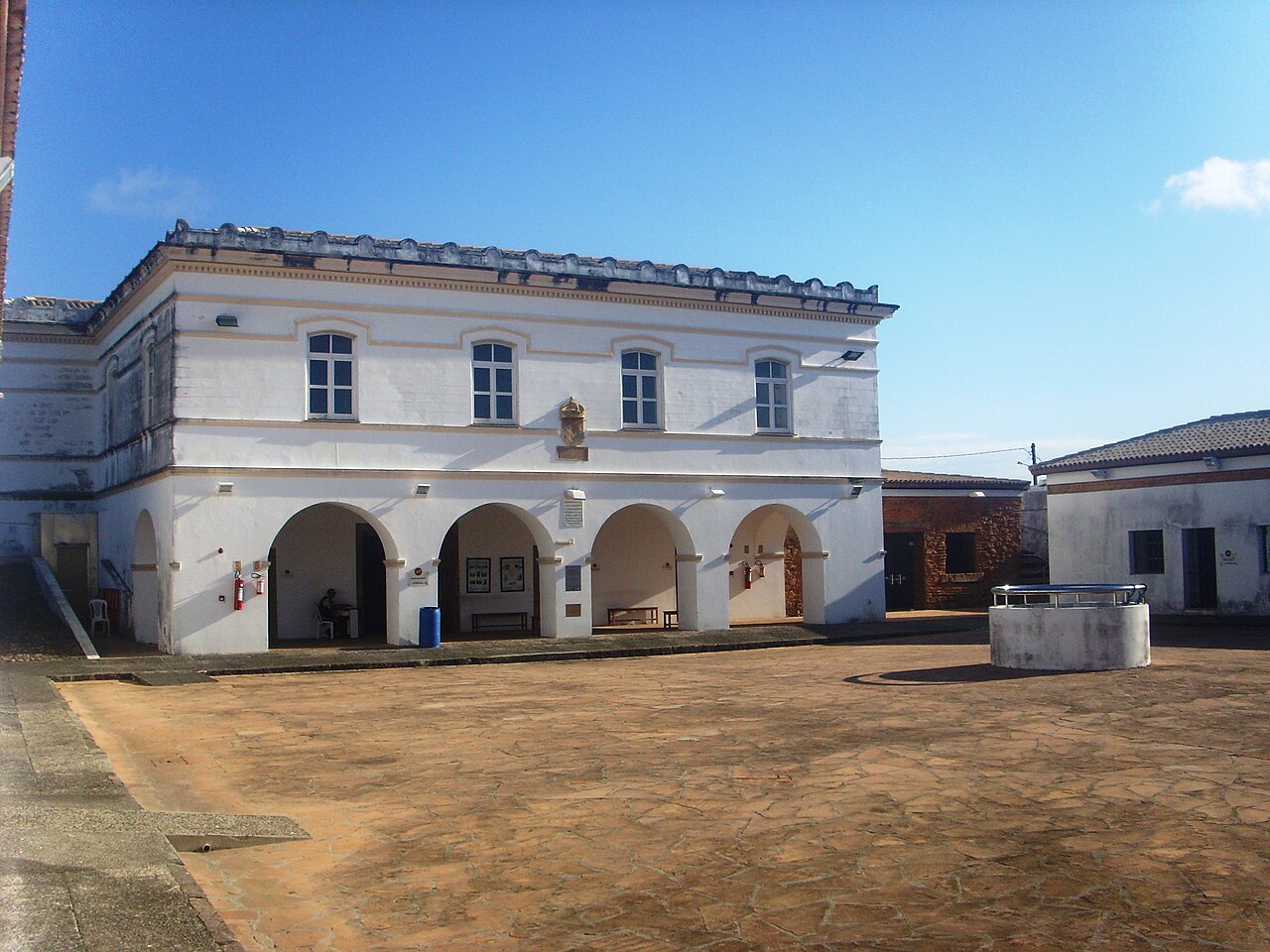
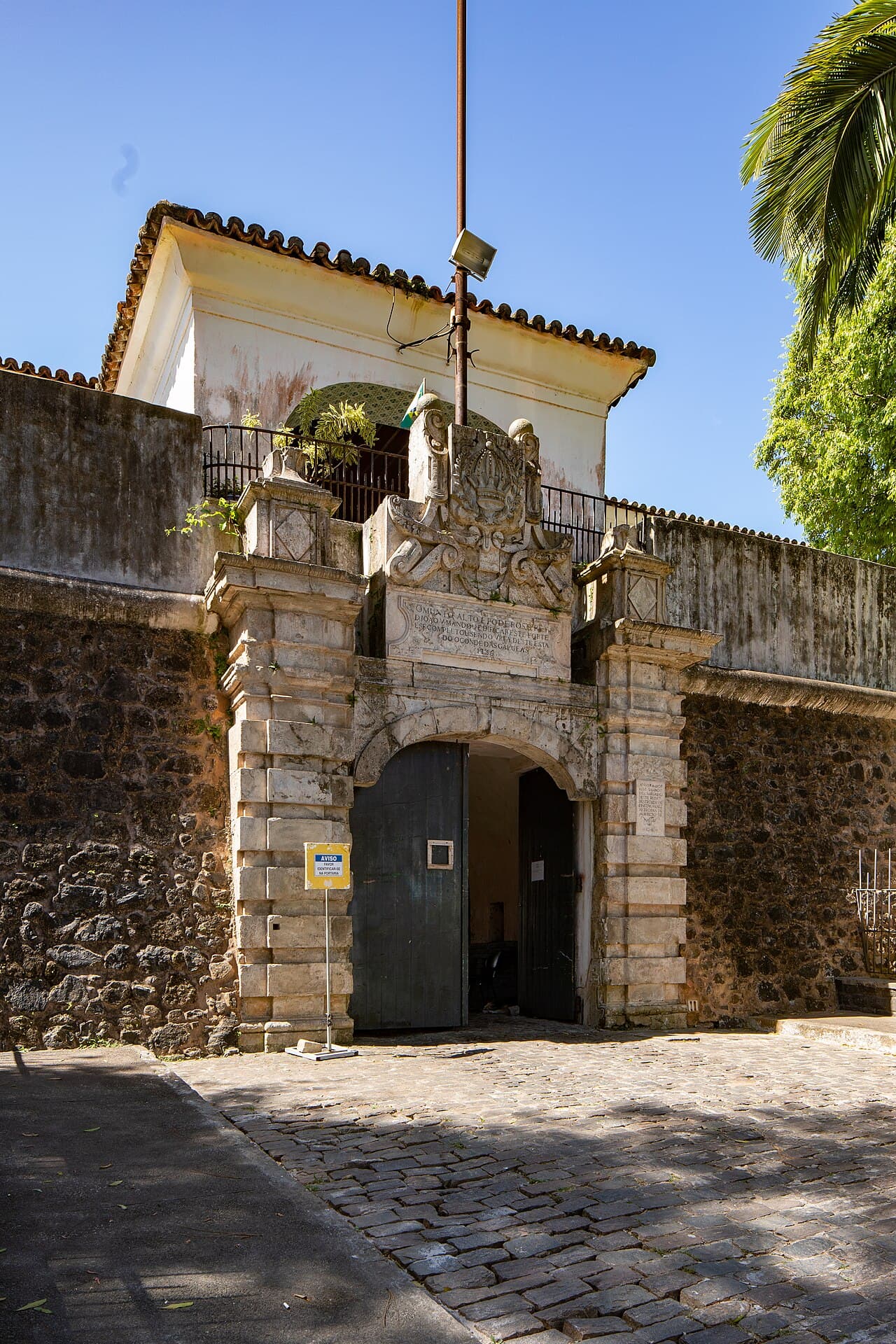
The fortress is constructed following the principles of star fort design, which emerged in Europe during the 16th century and was adapted in colonial territories to enhance defense against cannon fire. Its bastions are positioned at strategic points around the perimeter, allowing defenders to cover adjacent walls with overlapping fields of fire. The walls are typically thick and low to better absorb artillery impact, a departure from the high medieval curtain walls. Within the fortress, there would have been casemates for artillery placement, ramparts for patrolling soldiers, and possibly moats or dry ditches surrounding the structure to impede attackers.
Historical context and significance
Constructed during the colonial era, the Fortress of Barbalho was likely built to protect strategic coastal or riverine locations important for trade and military control. Bastioned fortresses were common in Portuguese colonial holdings, and Brazil’s extensive coastline saw numerous such fortifications erected to defend against European rivals and pirates. The fortress would have played a role in regional defense networks, controlling access points and serving as a military stronghold.
Colonial military strategy
The design of the fortress reflects the adaptation of European military engineering to the New World context. The bastioned layout was intended to maximize defensive coverage and minimize blind spots, a crucial feature in an era of increasingly powerful siege artillery. The fortress would have housed garrisons trained in artillery and small arms, prepared to repel assaults and secure the territory.
Current condition and preservation
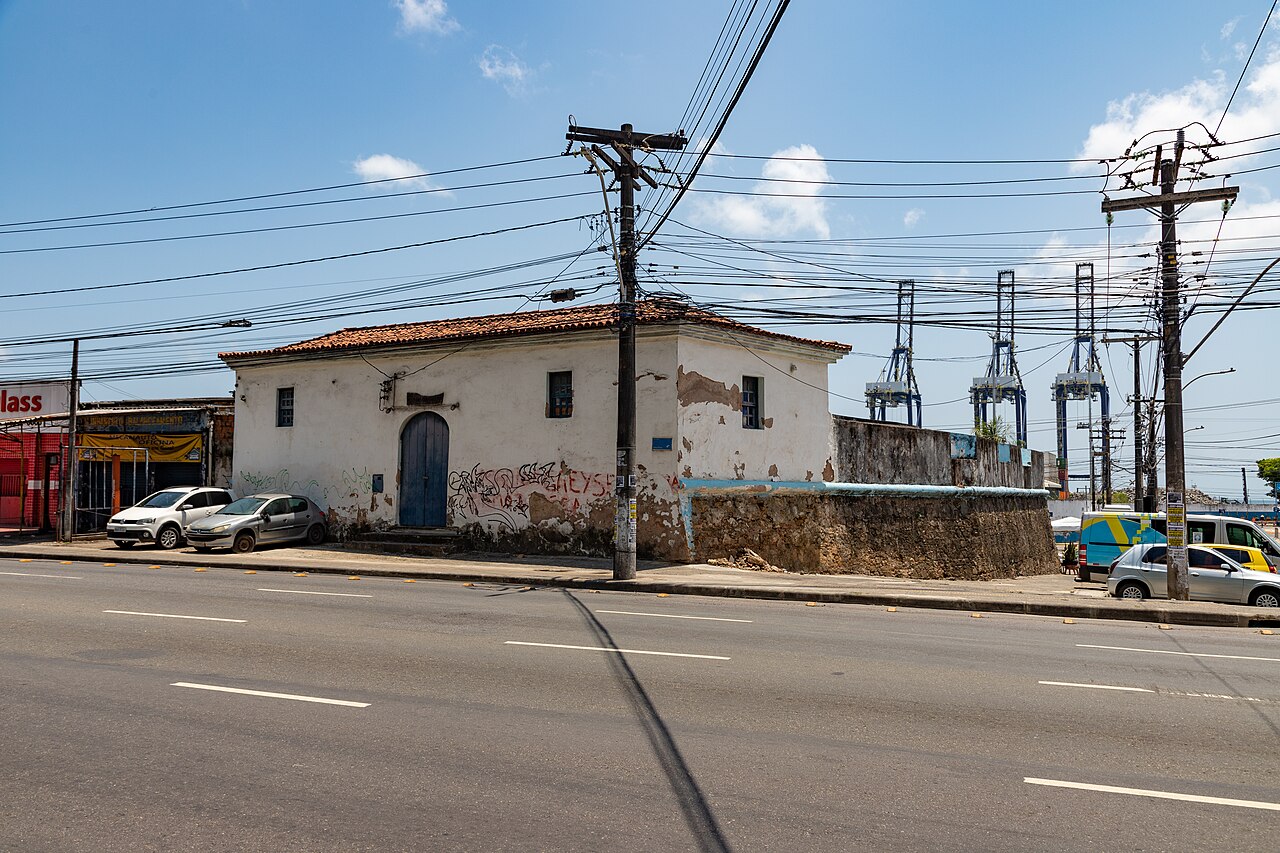
While detailed information about the current state of the Fortress of Barbalho is limited, bastioned fortresses in Brazil often face challenges related to preservation due to environmental factors and urban development pressures. Some similar fortifications have been restored and serve as cultural heritage sites or museums, contributing to tourism and education about Brazil’s colonial past.
Efforts to preserve such fortresses focus on maintaining the structural integrity of the bastions and walls, protecting original materials, and providing visitor access that respects the historical fabric of the site.
Visiting the fortress
Information on public access and visitor facilities at the Fortress of Barbalho is not readily available. Visitors interested in Brazilian colonial military architecture may find value in exploring other well-documented bastioned fortresses in Brazil, which offer insights into the design and function of these impressive structures.
Frequently asked questions (FAQ)
- How do I get to the Fortress of Barbalho?
- The Fortress of Barbalho is located in Brazil and can be accessed via major roads leading to the city of Salvador. Public transportation options, including buses, are available from the city center, and taxis or rideshare services provide convenient alternatives for visitors.
- What is the historical significance of the Fortress of Barbalho?
- The Fortress of Barbalho, built in the 16th century, played a crucial role in the defense against invasions during the colonial period. Its strategic location allowed it to protect the port of Salvador, making it an essential military installation in Brazil's history.
- When was the Fortress of Barbalho constructed?
- Construction of the Fortress of Barbalho began in 1559 and was completed in 1580. This makes it one of the earliest examples of military architecture in Brazil, reflecting the colonial efforts to secure the region from external threats.
- Can I take guided tours of the Fortress of Barbalho?
- Yes, visitors can enjoy guided tours of the Fortress of Barbalho, which provide insights into its history and architecture. Tours are available in multiple languages and are led by knowledgeable guides who share fascinating stories about the fortress and its significance.
- Why is the architecture of the Fortress of Barbalho unique?
- The architecture of the Fortress of Barbalho is unique due to its mix of Renaissance and military styles, characterized by thick walls and strategic vantage points. Its design reflects the defensive needs of the time while also incorporating aesthetic elements, making it a remarkable example of colonial architecture.
- Is it possible to explore the Fortress of Barbalho on my own?
- While guided tours are highly recommended, visitors can explore certain areas of the Fortress of Barbalho on their own during designated hours. However, to fully appreciate its history and architecture, joining a guided tour is encouraged.
- What are the opening hours of the Fortress of Barbalho?
- The Fortress of Barbalho is typically open to visitors from 9 AM to 5 PM, Tuesday through Sunday. It is advisable to check for any changes in hours or special closures before planning your visit.
- What are the ticket prices for visiting the Fortress of Barbalho?
- Ticket prices for the Fortress of Barbalho are generally affordable, with discounts available for children, students, and seniors. It is best to check the official website or contact the site directly for the most current pricing information.
- When is the best time to visit the Fortress of Barbalho?
- The best time to visit the Fortress of Barbalho is during the dry season, from May to October, when the weather is pleasant for outdoor exploration. Visiting during weekdays can also help avoid larger crowds, allowing for a more enjoyable experience.
- Are there any nearby attractions to visit after the Fortress of Barbalho?
- Yes, after visiting the Fortress of Barbalho, you can explore nearby attractions such as the historic Pelourinho district, known for its colonial architecture and vibrant culture. Additionally, the Mercado Modelo, a local market, offers a variety of crafts and souvenirs, making it a perfect complement to your visit.
Photo gallery

Information
Loading map...
Visitor reviews
No reviews yet. Been here? Write the first review and help other travelers!
Write the first reviewVisited this castle? Share your experience
Your review helps other travelers and adds first-hand knowledge to our encyclopedia.