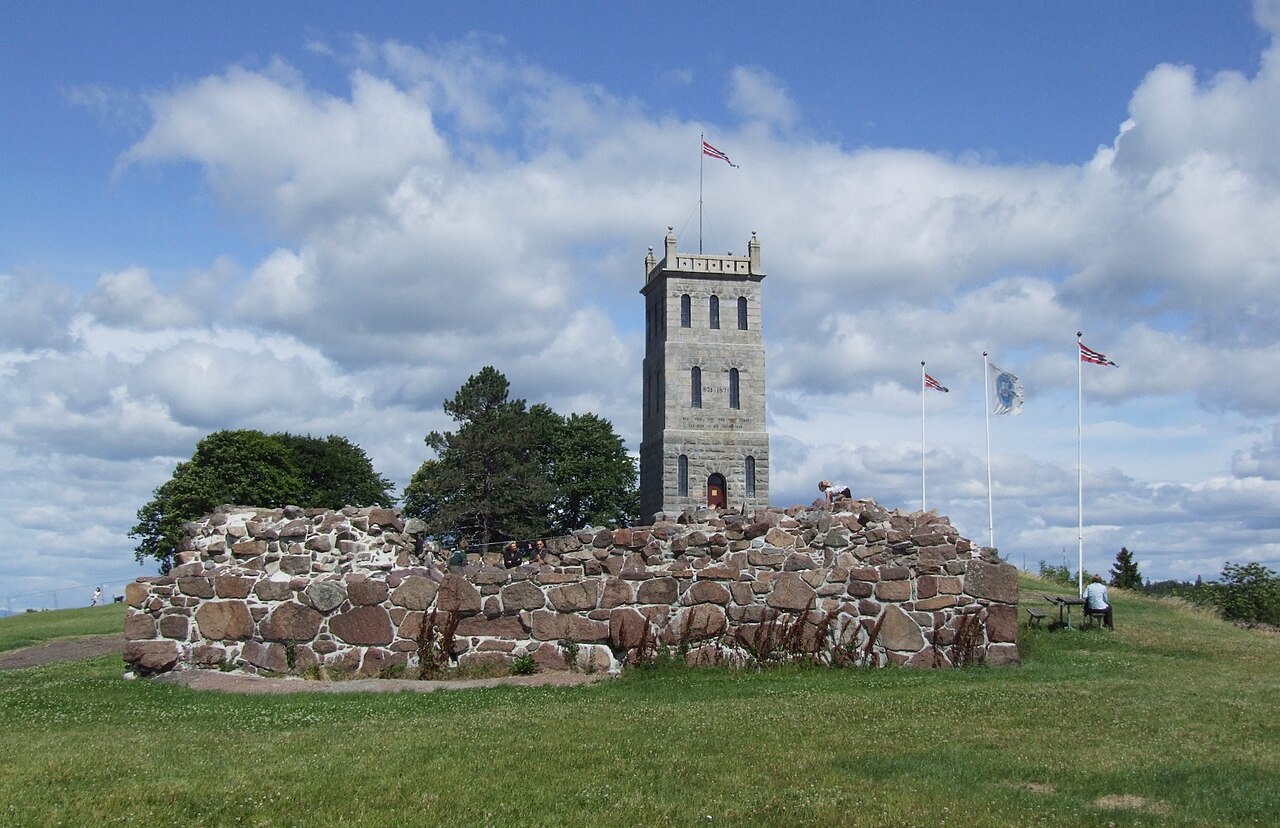
Fredriksvern Fortress
Fredriksvern Fortress, located in Larvik, Norway, is a significant historic naval base with origins tracing back to ancient times. The site, known as Stavern, has been recognized as a harbor since at least the 11th century, with written sources from that era highlighting its use as a good fishing harbor. This strategic coastal location became central to Norway's maritime defense during the 17th and 18th centuries.
Early military development and fortifications
The military significance of Stavern began in earnest during the late 17th century under the reign of Christian IV. Between 1675 and 1679, a major construction effort established Staverns Fortress as part of a broader network of Norwegian fortifications designed to protect the coastline. Shortly thereafter, in the 1680s, Citadellet Fort was constructed by Count Fredrik Gyldenløve. This fort played a crucial role during the Great Northern War (1709–1720), serving as a defensive stronghold against Swedish forces.
Establishment of the naval base and shipyard
During the winter of 1748-1749, King Fredrik V ordered the construction of a shipyard and drydock at Fredriksvern, marking the foundation of Norway's first dedicated naval command base in 1750. This development was motivated by the need to bolster Norway's defenses against potential Swedish aggression. The naval station was strategically important because it could support land forces by disrupting Swedish naval transport routes, thereby hindering invasions.
The shipyard, known as Fredriksværns Værft, was completed in 1750 and became a center for naval construction, including the building of a frigate in 1775. This facility underscored the growing naval capabilities of Norway within the Denmark-Norway union.
Architectural features and cultural landmarks
Fredriksvern Church, completed in 1756, served as the garrison church for the fortress. Architecturally, it reflects a blend of Renaissance and Baroque influences, characteristic of mid-18th century ecclesiastical design in Scandinavia. The church remains a notable cultural landmark within the fortress complex.
Role during Denmark-Norway union and post-1814 developments
While the main naval base for the Common Fleet of Denmark-Norway was located in Copenhagen, the political changes following the dissolution of the union in 1814 elevated Fredriksvern to the primary naval base for the newly independent Royal Norwegian Navy. The Common Fleet had suffered severe losses during the British attack in 1807, and Norway received only a fraction of the remaining naval assets.
Recognizing the need for expansion, Norwegian authorities soon realized that Fredriksvern had strategic limitations. Its position made it vulnerable to land-based attacks, and the existing facilities could not accommodate the growing navy. By 1815, plans were underway to establish a new main naval base.
The transition to Horten
Despite its shortcomings, Fredriksvern remained operational during the early 19th century. However, economic constraints delayed the expansion of the navy and the construction of a new base. It was not until the 1830s that the new naval base at Horten was developed to better serve Norway's maritime defense needs. Nevertheless, Fredriksvern continued to function as an important naval installation for many decades afterward.
Later uses and preservation
Fredriksvern Fortress retained military significance well into the 20th century. It served as an air force academy until 2002, showcasing its adaptability to modern military requirements. Today, the fortress stands as a well-preserved monument reflecting several centuries of Norwegian naval history and coastal defense architecture.
Architectural and strategic characteristics
The fortress complex includes various defensive structures typical of the Renaissance period, such as bastions, ramparts, and dry moats designed to withstand artillery assaults. The integration of the shipyard and drydock facilities within the fortress highlights the dual military and naval functions of Fredriksvern. The combination of Renaissance and Baroque architectural styles is evident in both military and ecclesiastical buildings, illustrating the aesthetic and functional priorities of the era.
Historical significance
Fredriksvern Fortress played a pivotal role in Norway's defense strategy during periods of conflict with Sweden and in the broader context of Scandinavian power struggles. Its establishment marked a shift towards a more autonomous Norwegian naval presence within the Denmark-Norway union and later as an independent nation. The fortress’s continued use into the modern era underscores its enduring strategic value.
Frequently asked questions (FAQ)
- What is Fredriksvern Fortress?
- Fredriksvern Fortress is a historic naval fortress located in Larvik, Norway, built in the late 17th century to protect the coastline. It features impressive architecture with well-preserved buildings and is a testament to Norway's military history. The fortress is now a popular tourist attraction, offering insights into the past and beautiful views of the surrounding area.
- When was Fredriksvern Fortress built?
- Construction of Fredriksvern Fortress began in 1677 and continued over several decades. It was officially completed in 1750, serving as a key military installation during its operational years. The fortress played a significant role in securing Norway’s naval interests until it was decommissioned in the late 19th century.
- What are the opening hours of Fredriksvern Fortress?
- Fredriksvern Fortress is generally open to visitors from May to September, with specific hours varying by day. It is advisable to check the official website before planning your visit, as hours may change due to events or maintenance. Guided tours are often available during peak tourist season.
- Can I visit Fredriksvern Fortress year-round?
- While the fortress is primarily open during the summer months, parts of the site may be accessible year-round for those interested in exploring the exterior and the surrounding grounds. However, visitor facilities and guided tours are limited outside the main season. It’s best to plan your visit in the warmer months for a full experience.
- Is Fredriksvern Fortress accessible for individuals with disabilities?
- Fredriksvern Fortress offers some accessibility features, but due to its historical nature, certain areas may have limitations. The main pathways and some buildings are wheelchair accessible, but visitors are encouraged to inquire about specific accommodations. It’s advisable to contact the site ahead of your visit to ensure a smooth experience.
- What is the best time to visit Fredriksvern Fortress?
- The best time to visit Fredriksvern Fortress is during the summer months, particularly from June to August, when the weather is warm and sunny. During this season, visitors can enjoy guided tours, special events, and the full range of facilities available. Spring and early autumn can also be pleasant, though some services may be limited.
- Are there any nearby attractions to visit?
- Yes, there are several nearby attractions to enhance your visit to Fredriksvern Fortress. The charming town of Larvik offers beautiful beaches, delightful cafes, and shopping opportunities. Additionally, you can explore the historical sites of Bøkeskogen and the beautiful coastal areas that surround the fortress.
- What are the ticket prices for Fredriksvern Fortress?
- Ticket prices for Fredriksvern Fortress vary depending on the season and whether you choose a guided tour. Generally, entrance fees are modest, with discounts available for children and seniors. It's best to check the official website for the most current pricing and any special offers before your visit.
Information
Website
Visit websiteSources & official resources
Verify the information above using these authoritative references.
Loading map...
Visitor reviews
No reviews yet. Been here? Write the first review and help other travelers!
Write the first reviewVisited this castle? Share your experience
Your review helps other travelers and adds first-hand knowledge to our encyclopedia.