Franzensfeste Fortress
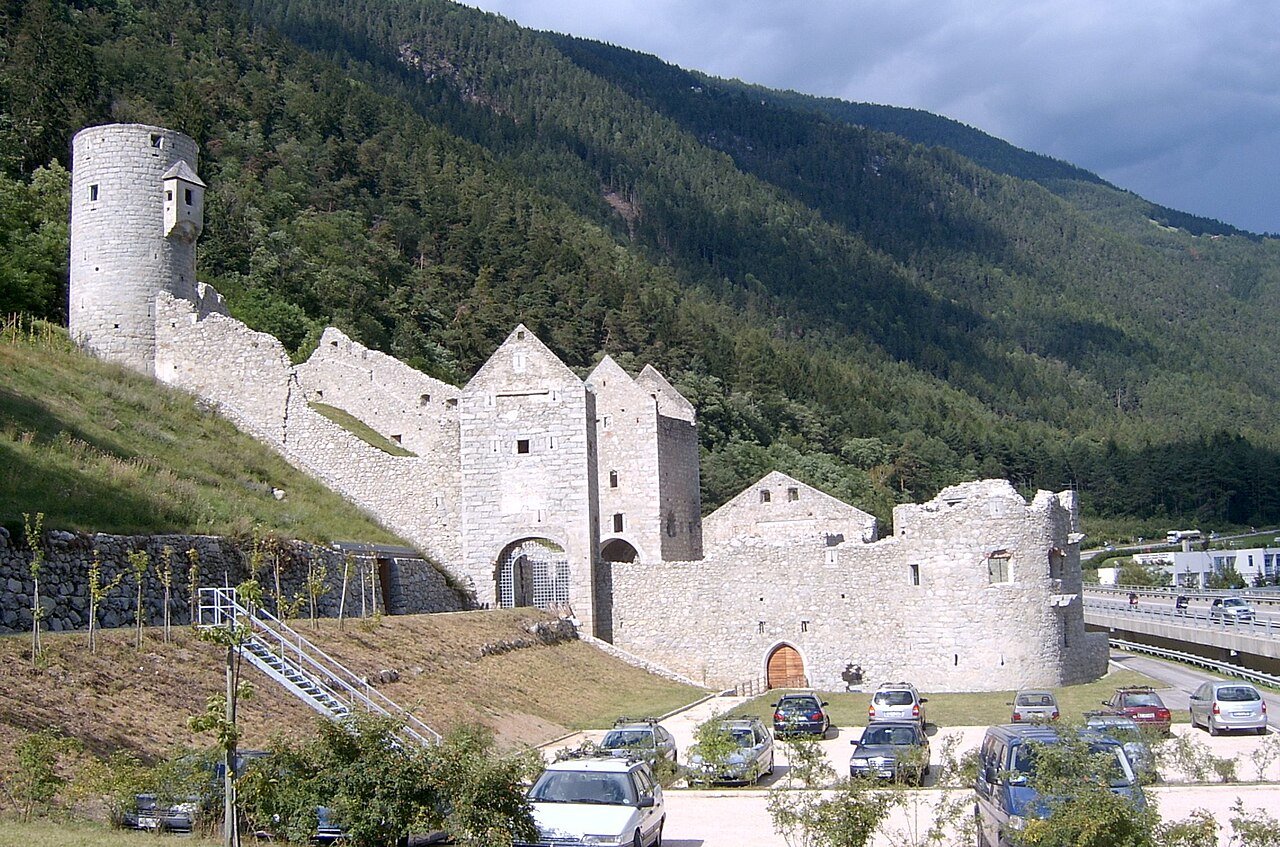
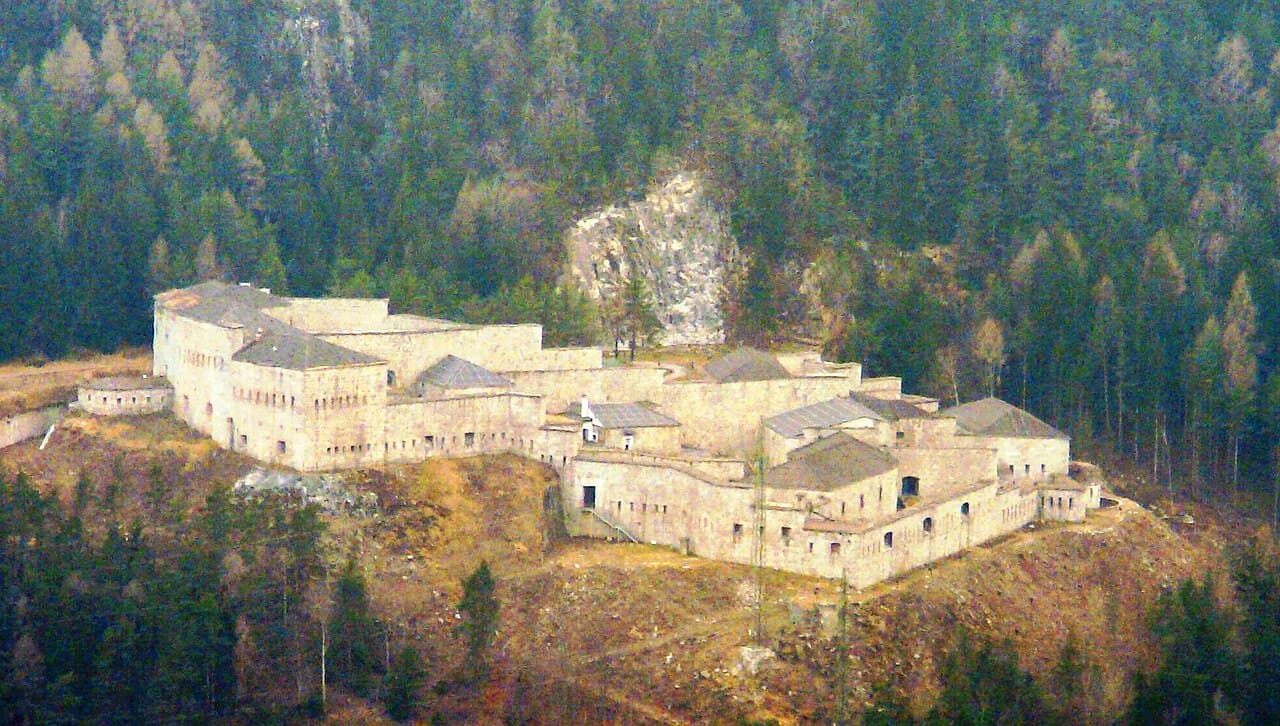
Franzensfeste Fortress (Italian: Forte di Fortezza; German: Festung Franzensfeste, literally "Franz's Fortress") is a prominent 19th-century bastioned fortress located in the village of Franzensfeste in South Tyrol, Italy. This fortress represents a significant example of modern military architecture developed during the early 19th century under the rule of Emperor Francis I of Austria.
Historical context and strategic purpose
The construction of Franzensfeste Fortress began in 1833 as part of the Austrian Empire's efforts to strengthen its defensive positions in the Alpine region. The site was chosen for its strategic location controlling the entrance to the Eisack Valley, a crucial passage connecting the northern and southern parts of the empire. The fortress was intended to serve as a key military stronghold to protect the empire's borders and maintain control over important transit routes.
Despite its ambitious beginnings, the fortress project was halted in 1838 when the Austrian military authorities reassessed the strategic importance of the location. They concluded that the area did not warrant the extensive investment required to complete the fortress, leading to the abandonment of further construction. As a result, Franzensfeste Fortress remained incomplete but still stands as a testament to 19th-century military engineering.
Architectural features and design
Franzensfeste Fortress is classified as a bastioned fortress, a style characterized by angular bastions projecting from the curtain walls to provide overlapping fields of fire and eliminate blind spots. This design was prevalent in the 16th to 19th centuries and was adapted here to fit the mountainous terrain of South Tyrol.
The fortress's layout incorporates robust stone walls and earthworks designed to absorb artillery fire. Its bastions and defensive walls were planned to accommodate cannons and other artillery pieces, reflecting the military technology of the early 1800s. The fortress's position allowed for control over the surrounding valley and acted as a deterrent against potential invasions.
Later history and contemporary use
Although Franzensfeste Fortress was never fully completed or used extensively for military purposes, it has remained a significant historical monument in the region. Over the years, it has attracted interest for its architectural and historical value.
In the summer of 2008, the fortress was opened to the public for the first time during Manifesta 7, the European Biennial of Contemporary Art. This event marked a new chapter in the fortress's history, transforming it from a military relic into a cultural venue. Since then, it has occasionally hosted exhibitions and cultural events, contributing to the local tourism and heritage scene.
Location and accessibility
Franzensfeste Fortress is situated in the village of Franzensfeste, within the autonomous province of South Tyrol in northern Italy. The region is known for its alpine landscapes and historical sites, making the fortress accessible to visitors interested in military history and architecture.
The fortress's location in the Eisack Valley places it near important transport routes, including rail and road connections, facilitating visitor access. While the fortress itself is not fully developed as a tourist site, its occasional public openings and cultural events provide unique opportunities to explore this piece of 19th-century military heritage.
Preservation and condition
Currently, Franzensfeste Fortress is considered partially preserved. Although incomplete and not fully restored, the remaining structures offer valuable insights into the military architectural practices of the period. Preservation efforts focus on maintaining the existing stonework and bastions to prevent further deterioration.
The fortress stands as a monument to the military ambitions of the Austrian Empire in the 19th century and serves as a cultural landmark within the South Tyrol region.
Frequently asked questions (FAQ)
- When was Franzensfeste Fortress built and by whom?
- Franzensfeste Fortress was constructed beginning in 1833 under the direction of Emperor Francis I of Austria. The project was abandoned in 1838 before completion.
- What architectural style characterizes Franzensfeste Fortress?
- The fortress is designed in the bastioned fortress style, featuring angular bastions and robust stone walls typical of 19th-century military fortifications.
- Is Franzensfeste Fortress open to the public?
- The fortress was opened to the public for the first time in 2008 during Manifesta 7, a European contemporary art biennial. It occasionally hosts cultural events and exhibitions.
- Where is Franzensfeste Fortress located?
- It is located in the village of Franzensfeste in South Tyrol, northern Italy, near the Eisack Valley, a historically strategic alpine passage.
- What is the current condition of Franzensfeste Fortress?
- The fortress is partially preserved, with remaining structures maintained to prevent deterioration, though it remains incomplete and not fully restored.
Photo gallery

Information
Loading map...
Visitor reviews
No reviews yet. Been here? Write the first review and help other travelers!
Write the first reviewVisited this castle? Share your experience
Your review helps other travelers and adds first-hand knowledge to our encyclopedia.