Foulksrath Castle — Ireland castle

Foulksrath Castle

Foulksrath Castle: 14th-century Anglo-Norman tower house in County Kilkenny
Jenkinstown, Ireland
Late Medieval (14th–15th c.)
Well Preserved

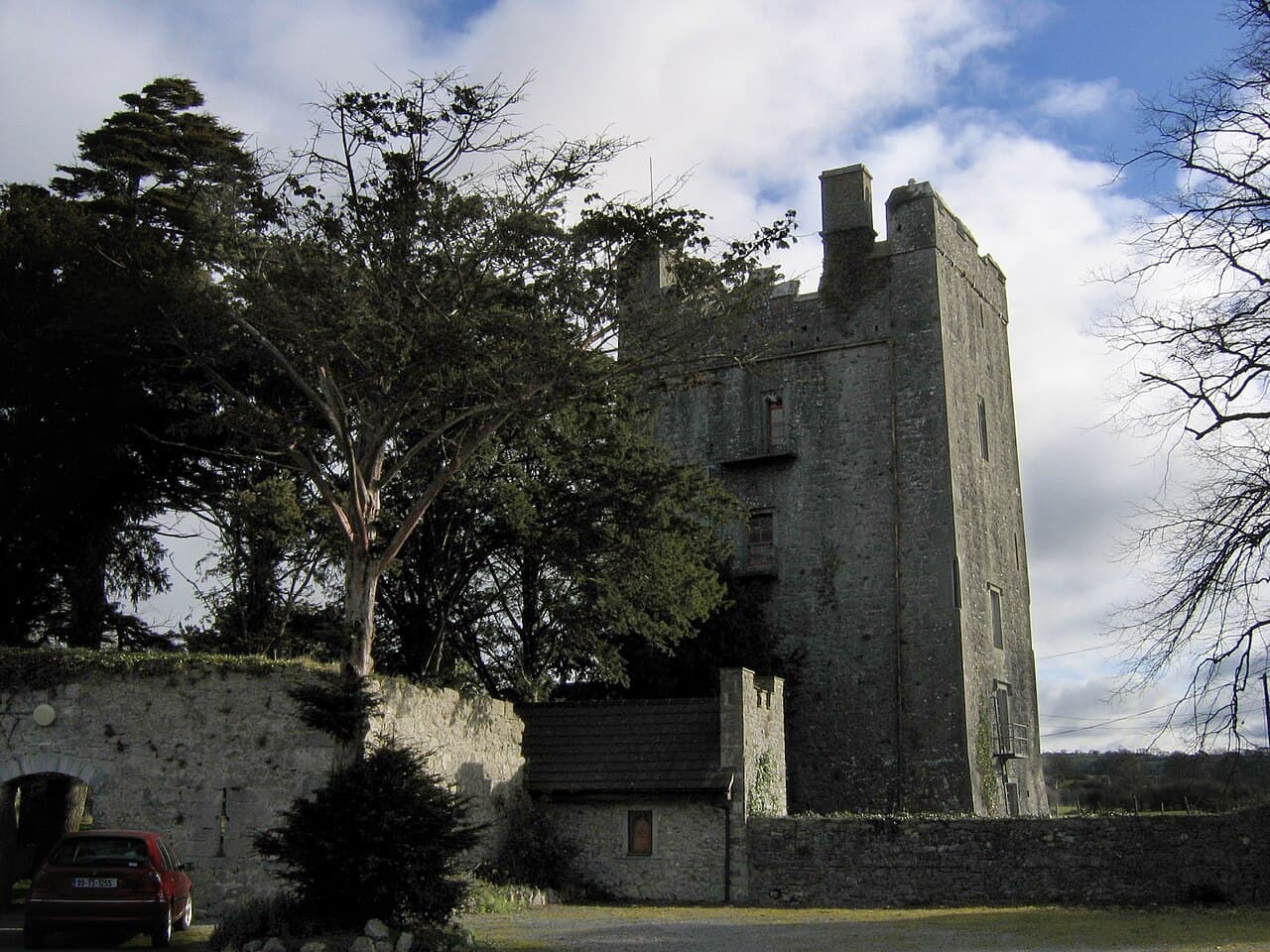
Foulksrath Castle (Irish: Caislean Ratha) is a prominent 14th-century Anglo-Norman tower house situated in Jenkinstown, County Kilkenny, Ireland. This late medieval structure exemplifies the defensive architecture commonly employed by Anglo-Norman settlers during the period, designed primarily for protection and residence.

Historical context and ownership

Constructed in the 14th century, Foulksrath Castle was built amidst a turbulent period in Irish history marked by Anglo-Norman expansion and consolidation. The castle was originally established by the Purcell family, an Anglo-Norman lineage influential in the region. Over the centuries, it remained a significant stronghold in County Kilkenny, witnessing various historical developments including local conflicts and changes in ownership.

Architectural features and design

Structure and layout

The castle is classified as a hill castle due to its strategic elevated position, which provided natural defensive advantages. The main building is a tower house, a common form of fortified residence in medieval Ireland, characterized by its vertical emphasis and compact footprint. The tower is constructed primarily of local stone, featuring thick walls designed to withstand sieges.

Defensive elements

Foulksrath Castle incorporates several typical defensive features of the period, including narrow slit windows for archers, battlements along the parapet for protection during combat, and a strong entrance gate. The elevated position allowed defenders to monitor the surrounding landscape effectively. The castle's design reflects a balance between residential comfort and military functionality.

Interior and living quarters

The interior of the castle includes multiple floors connected by a spiral staircase, with the ground floor often used for storage and the upper floors serving as living quarters. The great hall, a central feature in tower houses, was used for dining and social gatherings. Fireplaces and small windows provided light and warmth, while the thick walls ensured insulation.

Preservation and current condition

Today, Foulksrath Castle is well preserved, maintaining much of its original structure and character. It stands as a significant example of medieval Anglo-Norman architecture in Ireland. The castle is privately owned but occasionally accessible to visitors interested in Ireland's medieval heritage and castle architecture.

Cultural significance and tourism

The castle holds cultural importance as a symbol of the Anglo-Norman influence in Ireland and the architectural style of the late medieval period. It attracts historians, architects, and tourists who appreciate the historical context and craftsmanship of medieval fortifications. Its location in County Kilkenny places it within a region rich in heritage sites, making it a valuable point of interest for cultural tourism.

Visiting information

Visitors interested in exploring Foulksrath Castle should check access permissions as it is privately owned. The surrounding area offers scenic views and opportunities for exploring the medieval landscape of County Kilkenny. Nearby attractions include other historic castles and landmarks reflecting Ireland's rich medieval past.

Frequently asked questions (FAQ)

What is the historical significance of Foulksrath Castle?
Foulksrath Castle, built in the late 15th century, is a notable example of medieval architecture in Ireland. It served as a stronghold for the Foulks family and later played a role in the region's turbulent history, making it an essential site for understanding Ireland's past.
When was Foulksrath Castle built?
Foulksrath Castle was constructed around 1470, showcasing the architectural style of the time. Its well-preserved structure allows visitors to appreciate the craftsmanship and design typical of late medieval castles in Ireland.
Can I visit Foulksrath Castle?
Yes, Foulksrath Castle is open to visitors who wish to explore its rich history and stunning architecture. Guided tours are often available, providing insights into the castle's past and its significance in Irish heritage.
What are the opening hours for Foulksrath Castle?
Foulksrath Castle typically opens from 10 AM to 5 PM, but it is advisable to check the official website or contact the castle directly for the most current hours, especially during holidays or special events.
Is it possible to book a guided tour of Foulksrath Castle?
Yes, guided tours can usually be booked in advance, providing an informative experience about the castle’s history and architecture. It is recommended to reserve your spot during peak tourist seasons to ensure availability.
What is the best time to visit Foulksrath Castle?
The best time to visit Foulksrath Castle is during the late spring and early autumn months when the weather is milder and the surrounding gardens are in full bloom. Visiting during these seasons allows for a more pleasant experience as you explore the grounds.
Are there nearby attractions to visit while at Foulksrath Castle?
Yes, visitors to Foulksrath Castle can explore several nearby attractions, including the charming town of Kilkenny and the picturesque landscapes of the surrounding countryside. Other historical sites, such as Kilkenny Castle, are also within a short drive.
What are the ticket prices for Foulksrath Castle?
Ticket prices for Foulksrath Castle are generally affordable, with discounts often available for children, students, and seniors. It is best to check the official website for the latest pricing information and any special offers.
Is Foulksrath Castle accessible for visitors with disabilities?
Foulksrath Castle strives to accommodate visitors with disabilities, offering accessible pathways and facilities where possible. It is advisable to contact the castle in advance to ensure all needs can be met during your visit.

Photo gallery

Foulksrath Castle
Click to view

Photo by User Postdlf on en.wikipedia•CC BY-SA 3.0

1 photo • Click any image to view in full screen

Information

Hill Castle

Loading map...

Visitor reviews

No reviews yet. Been here? Write the first review and help other travelers!

Write the first review

Visited this castle? Share your experience

Your review helps other travelers and adds first-hand knowledge to our encyclopedia.

Write a review

(5/5)

0/2000 characters

Your review will be visible after admin approval

Nearby castles

11.4 km

Kilkenny Castle

Kilkenny City, United Kingdom

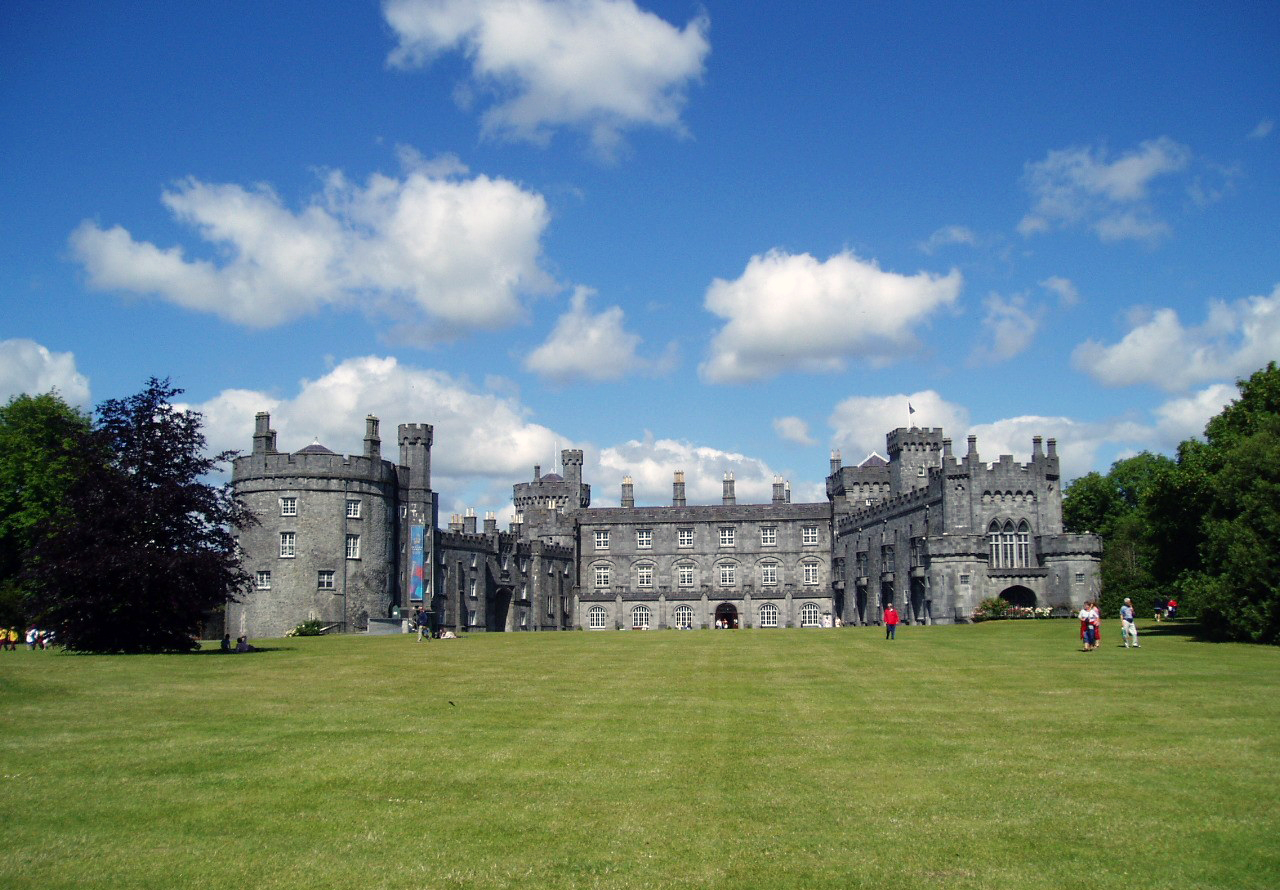
Kilkenny Castle, located in the heart of Kilkenny City, Ireland, stands as a remarkable testament to the Norman conquest and medieval history of the region. Originally constructed in 1195 to control a strategic fording point of the River Nore and key route junctions, the castle symbolized Norman authority and military strength in Ireland. Its imposing stone fortress design, featuring a rectangular layout with four large circular corner towers, was central to the town's defenses during the High Medieval period. The castle's origins trace back to a wooden motte-and-bailey structure built by Richard de Clare, known as Strongbow, shortly after the Norman invasion around 1171-1173. This initial fortification was replaced by a substantial stone castle commissioned by William Marshal, 1st Earl of Pembroke, between 1195 and 1213. The stone castle's three surviving towers remain prominent features, offering insight into early medieval military architecture. Historical ownership and significance Earls of pembroke and early development Following Strongbow's establishment of Norman control, the castle and surrounding lordship of Leinster passed to his daughter Isabel and her husband William Marshal. Marshal's stewardship marked a major phase of development, including the construction of the enduring stone castle. The castle was held by notable medieval families such as the de Braose and de Bohun before reverting to the English crown in 1381. The butler family era In 1391, James Butler, 3rd Earl of Ormonde, purchased Kilkenny Castle, establishing the Butler dynasty's long tenure of over five centuries. The Butlers transformed the castle into their principal residence and a center of political power. Lady Margaret Butler, born in the castle, was the grandmother of Anne Boleyn, linking the site to Tudor England's royal history. Confederate ireland and military conflicts During the turbulent 1640s, Kilkenny Castle served as the headquarters of the Catholic Confederation of Ireland, hosting their parliament from 1642 to 1648 amid the Irish Confederate Wars. The castle suffered siege damage in 1650 during Oliver Cromwell's conquest, with parts of the east wall and northeast tower destroyed. Architectural evolution and restoration 17th-century remodeling and château style After the Restoration of the monarchy in 1660, James Butler, 12th Earl of Ormonde, remodeled the castle into a more elegant château-style residence. He imported Caen stone from France and constructed a new southern gate, transforming the medieval fortress into a grand noble home while retaining key defensive elements. 19th-century expansions and royal visits The 19th century saw further restoration and expansion under architect William Robertson in 1854, including rebuilding the north wing and extending the south curtain wall. The castle hosted royal visitors such as the future King George V in 1899 and King Edward VII in 1904, underscoring its social and political prominence. 20th-century decline and preservation efforts Financial difficulties and changing social conditions led the Butler family to sell the castle's contents and vacate the residence in 1935. The castle remained empty for decades until 1967, when James Butler, 6th Marquess of Ormonde, sold it to the Castle Restoration Committee for a nominal sum to prevent further decay. Since then, extensive restoration has preserved the structure and repurposed parts of the castle for public use. Castle features and public access Surviving medieval structures The castle's rectangular plan with its four circular towers remains clearly visible, with three original towers intact. The defensive moat, once surrounding the castle, is partially preserved and visible near the Parade area. The Parade Tower now functions as a conference venue, blending historical architecture with modern utility. Gardens, parkland, and cultural use The adjoining gardens and parkland, maintained by Ireland's Office of Public Works, are open to the public and contribute to the castle's picturesque setting. The castle houses the Butler Gallery, an art exhibition space named after Peggy and Hubert Butler, which hosts rotating exhibitions of local and national artworks. Archaeological discoveries Excavations in the 1990s led by archaeologist Ben Murtagh uncovered remnants of the original wooden motte-and-bailey castle, the medieval eastern gate, and foundational structures. These findings have enhanced understanding of the castle's phased construction and historical layers. Notable historical events and legacy Irish civil war and siege During the Irish Civil War in 1922, Kilkenny Castle was besieged by Irish Free State forces. Despite damage from the conflict, the Butler family remained in residence for several years afterward. The castle's resilience through military and political upheavals reflects its enduring significance. Cultural and heritage importance Kilkenny Castle remains one of Ireland's most visited historic sites, attracting tourists and scholars alike. Its rich history, architectural evolution, and association with prominent families like the Butlers make it a vital cultural landmark. The castle's public ownership and restoration efforts ensure its preservation for future generations. Today, Kilkenny Castle stands not only as a monument to medieval fortification and noble residence but also as a vibrant cultural center hosting academic ceremonies, art exhibitions, and community events. Its blend of military, residential, and cultural heritage encapsulates centuries of Irish history in a single, iconic site.

High Medieval (11th–13th c.)
Details
11.7 km

Clomantagh Castle

, United Kingdom

Clomantagh Castle stands as a remarkable example of a 15th-century Anglo-Norman tower house located near Freshford in County Kilkenny, Ireland. Constructed in the early 1400s, this fortified residence was typical of the defensive and domestic architecture favored by the Anglo-Norman gentry and minor nobility during the Late Medieval period. Its strategic siting on a hilltop provided both security and control over the surrounding lands, which originally belonged to the influential Earls of Ormond. The castle was built in the 1430s, a time when tower houses were proliferating across Ireland as symbols of power and status. The Butler family, one of the most powerful Anglo-Norman dynasties in Ireland, held Clomantagh Castle for centuries. After the death of Pierce ‘Ruadh’ Butler, the 8th Earl of Ormond, in 1539, the property passed to Richard Butler, 1st Viscount Mountgarret. The Butlers of Mountgarret retained ownership throughout the 16th and 17th centuries, managing the estate until the upheavals of the Cromwellian conquest of Ireland in the mid-1600s, when the castle was confiscated. Architectural features and construction The core structure of Clomantagh Castle is a tall, rectangular tower house constructed from locally quarried stone. The walls are notably thick, designed to withstand attacks and provide a defensible refuge. The tower rises vertically with narrow slit windows, battlements, and a crenellated parapet that exemplify typical defensive features of the period. Internally, the castle would have contained a great hall, private chambers, and storage spaces arranged over multiple floors accessed by narrow spiral staircases. One of the castle’s most intriguing features is a Sheela na gig carving on the exterior walls. This symbolic figure depicts a naked female form and is widely interpreted as a medieval fertility or protective motif. Such carvings are rare and provide valuable insight into the cultural and spiritual beliefs that intersected with the castle’s history. Later additions and adaptations In the 19th century, the castle complex was expanded with the addition of agricultural buildings, including a farmhouse attached directly to the tower. This reflects a shift from the castle’s original military and residential functions towards more practical rural uses. The integration of domestic agricultural structures with the medieval tower is a notable example of adaptive reuse over centuries. Historical context and ownership The castle’s history is closely intertwined with the Butler dynasty, who were key figures in Irish political and social life from the medieval period onward. The Earls of Ormond initially controlled the lands, and through inheritance and political maneuvering, the property came under the branch of the Viscounts Mountgarret. The Butlers maintained the castle as a fortified residence and estate center until the mid-17th century. The Cromwellian conquest brought dramatic changes to land ownership in Ireland, and Clomantagh Castle was seized during this turbulent era. This marked a decline in the castle’s military importance and the beginning of its transition into an agricultural property. Restoration and preservation efforts By the late 20th century, Clomantagh Castle had undergone significant restoration to preserve its structural integrity and historical character. These conservation efforts were recognized by the Royal Institute of the Architects of Ireland for their sensitivity and quality. The restoration stabilized the medieval masonry and preserved key architectural elements, allowing visitors today to appreciate the castle’s historical fabric. The castle remains in well-preserved condition, with much of the original tower house intact alongside the 19th-century additions. Its combination of medieval defensive architecture, symbolic carvings, and later agricultural buildings offers a rich narrative of evolving use and cultural significance. Cultural significance and visitor experience Clomantagh Castle is not only an architectural monument but also a cultural landmark that reflects the complex history of Anglo-Norman settlement, medieval power structures, and rural life in Ireland. The presence of the Sheela na gig carving adds a layer of mystery and spiritual symbolism that attracts historians and visitors interested in medieval folklore. Visitors to the castle can explore the robust stone tower, observe the defensive features typical of the Late Medieval period, and appreciate the juxtaposition of medieval and 19th-century rural architecture. The castle’s setting in the scenic countryside of County Kilkenny enhances its appeal as a destination for those interested in history, architecture, and Irish heritage.

Late Medieval (14th–15th c.)
Details
11.9 km
Kilkenny Castle — Ireland castle

Kilkenny Castle

, Ireland

Kilkenny Castle (Irish: Caisleán Chill Chainnigh) stands prominently in Kilkenny, Ireland, as a significant example of a 13th-century Norman hill castle. Constructed in 1260, the castle was strategically positioned to control a vital fording point of the River Nore and the junction of several important medieval routeways. This location made it a key defensive and administrative center during the High Medieval period, symbolizing Norman authority and power in the region. Medieval origins and strategic importance The castle was originally built by the powerful Butler family, who played a central role in the governance and military control of southeastern Ireland. Its design reflects typical Norman military architecture of the period, featuring four large circular corner towers that provided both defensive strength and a commanding view of the surrounding landscape. The castle was surrounded by a massive ditch, part of which remains visible today near the Parade, adding to its formidable defenses. The location of Kilkenny Castle was no accident; it guarded a key crossing of the River Nore, which was crucial for controlling trade and military movements. The castle's presence helped establish Kilkenny as a significant urban center during the medieval era, fostering the town's growth and prosperity under Norman rule. Architectural features and evolution Kilkenny Castle's original 13th-century construction was typical of Norman fortifications, with thick stone walls and robust towers designed to withstand siege warfare. The four corner towers were circular, a design choice that reduced blind spots and improved defensive capabilities against attackers. Over the centuries, the castle underwent numerous modifications and expansions, reflecting changing architectural styles and the needs of its occupants. While the core medieval structure remains, later additions incorporated elements of Renaissance and post-medieval architecture, including more comfortable living quarters and ornamental features. These changes illustrate the castle's transition from a purely military fortress to a noble residence. The castle's grounds include extensive gardens and parkland, which have been developed and maintained over the centuries, contributing to the site's aesthetic and recreational value today. The butler family and later history The Butler family, who held the title of Earls and later Marquesses of Ormonde, were the castle's principal owners for several centuries. Their influence extended beyond Kilkenny, playing a significant role in Irish political and social history. The castle served as their family seat and a center of power. In the 20th century, the castle's role shifted as the Butler family faced financial difficulties. In 1967, Arthur Butler, the 6th Marquess of Ormonde, sold the castle for a nominal sum of £50 to the Castle Restoration Committee, ensuring its preservation for public benefit. This transfer marked a new chapter in the castle's history, emphasizing conservation and public access. Modern use and public access Today, Kilkenny Castle is managed by the Office of Public Works and serves as a major cultural and historical attraction in Ireland. The castle's gardens and parkland are open to the public, offering visitors a chance to explore the beautifully maintained grounds alongside the historic architecture. The Parade Tower, once part of the castle's defensive system, has been repurposed as a conference venue, blending historic ambiance with modern functionality. Since 2002, the castle has hosted ceremonies for awarding degrees to graduates of the National University of Ireland, Maynooth's Kilkenny Campus, highlighting its ongoing role in the community. Architectural significance and preservation Kilkenny Castle remains a well-preserved example of High Medieval Norman architecture in Ireland. Its combination of military and residential features offers insight into the evolution of castle design from the 13th century onward. The preservation efforts since the 1960s have been crucial in maintaining the castle's structural integrity and historical character. Visitors can still observe key architectural elements such as the circular towers, the remnants of the defensive ditch, and the extensive stone walls. These features provide a tangible connection to Ireland's medieval past and the Norman influence on its landscape.

High Medieval (11th–13th c.)
Details