Fortress of São João
Historical context and strategic importance
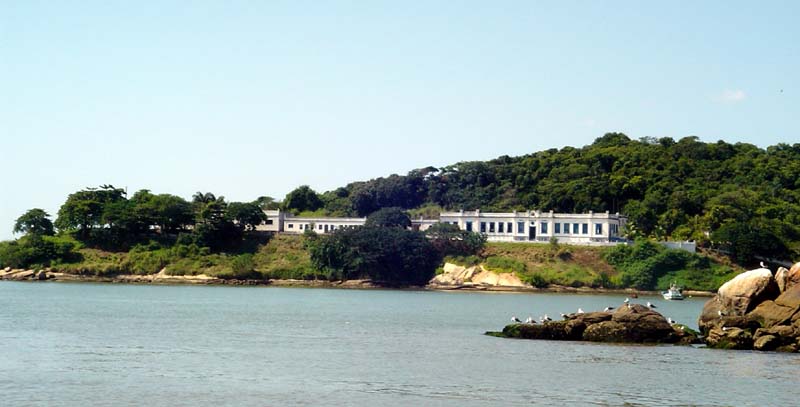
During the colonial era, European powers fortified key coastal points in Brazil to secure their territories and trade routes. The Fortress of São João was built as part of this defensive network, designed to guard important harbors or river mouths against enemy fleets and pirates. Its location was chosen carefully to command views of the sea approaches, enabling early warning and effective defense.
Architectural features and fortification design
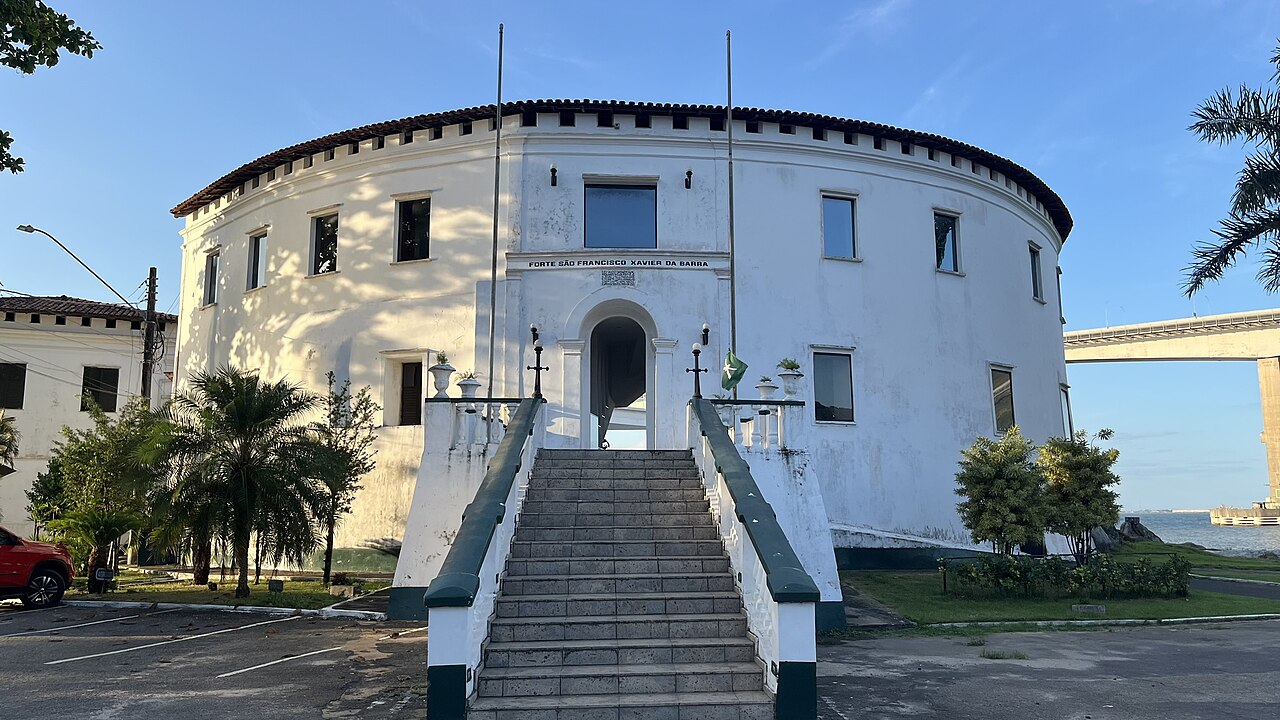
The fortress exemplifies the bastioned fortress style, characterized by angled bastions projecting from the curtain walls. These bastions allowed defenders to cover adjacent walls with overlapping fields of fire, eliminating blind spots and enhancing protection against artillery bombardment. The walls were thick and sloped to absorb cannon fire, and the fortress typically included a moat or water defenses to deter assaults.
Within the fortress, there were usually casemates for artillery placement, barracks for the garrison, storage magazines for ammunition and supplies, and command quarters. The design emphasized both defense and the ability to sustain a prolonged siege.
Construction materials and techniques
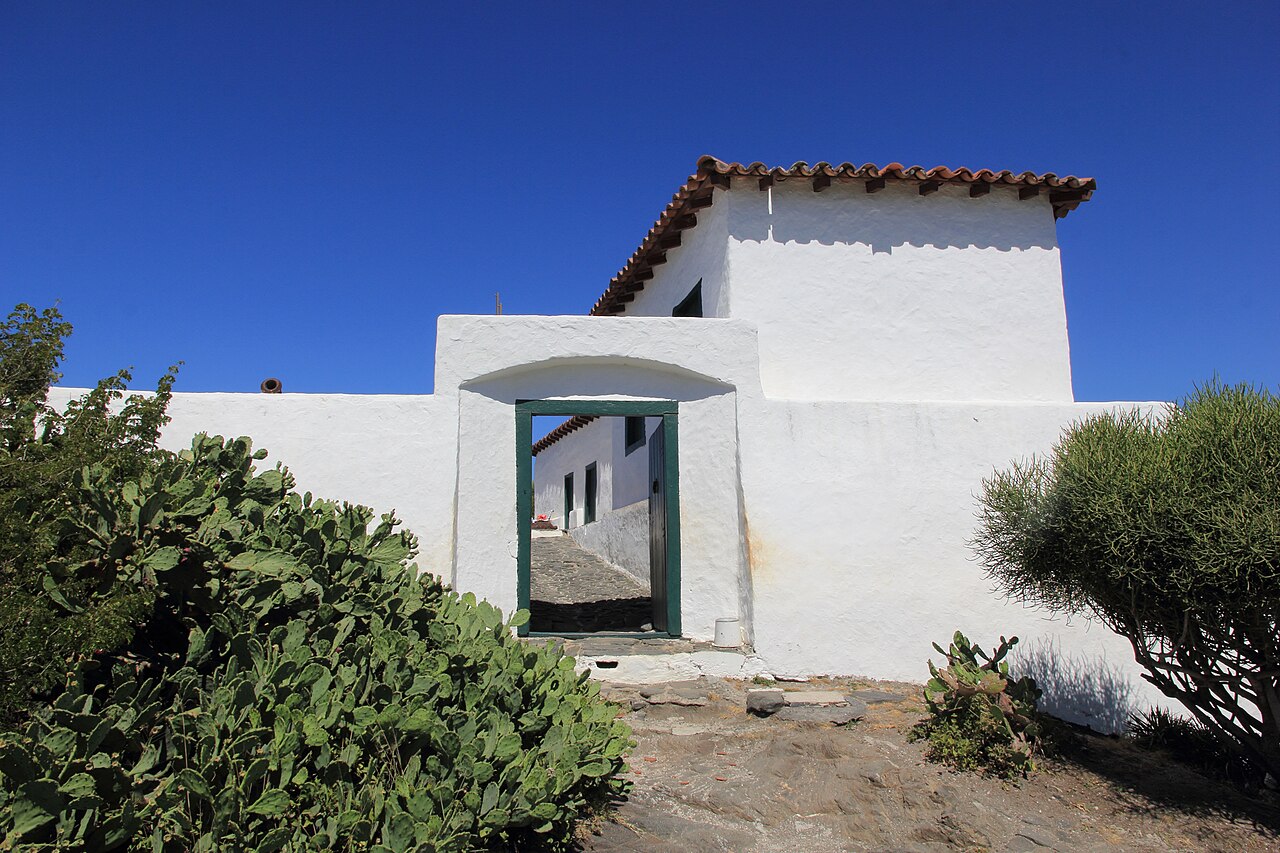
The fortress was constructed primarily from local stone and brick, materials chosen for durability and resistance to the humid coastal climate. The masonry work was robust, with careful attention to mortar composition and wall thickness to withstand both natural erosion and military attacks.
Role in Brazilian history
Throughout its operational period, the Fortress of São João played a vital role in the defense of Brazil’s colonial possessions. It helped deter naval incursions by rival colonial powers and pirates, contributing to the security of the region’s economic activities, including the export of valuable commodities. The fortress also served as a military base and a symbol of colonial authority.
Preservation and current status
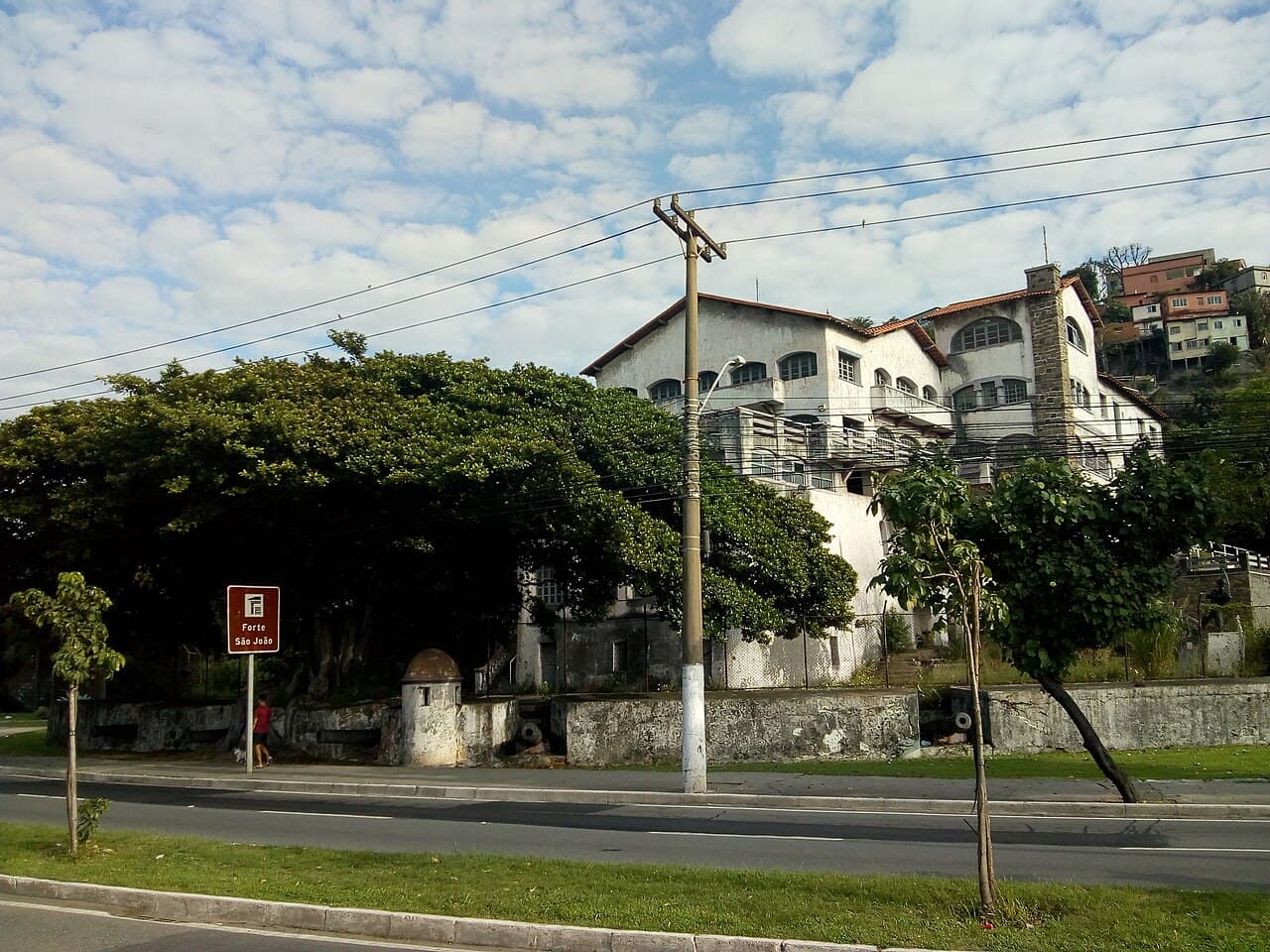
Today, the fortress remains an important cultural and historical landmark. Its bastioned walls and some internal structures are partially preserved, allowing visitors to appreciate the military architecture of the colonial period. Preservation efforts focus on maintaining the structural integrity of the walls and bastions, as well as promoting public awareness of the site’s historical significance.
Visiting the fortress
The fortress is accessible to the public, often featuring guided tours that explain its architectural features and historical context. Visitors can explore the ramparts, bastions, and inner courtyards, gaining insight into the life of soldiers stationed there and the military strategies employed. The site also offers views of the surrounding coastal landscape, enhancing its appeal as a heritage destination.
Architectural significance
The Fortress of São João is a representative example of bastioned fortification adapted to the Brazilian environment. Its design reflects the influence of European military engineering, particularly the principles developed by engineers like Sébastien Le Prestre de Vauban, who revolutionized fortress construction in the 17th century. The fortress illustrates how these concepts were implemented in a colonial context, balancing defensive needs with local conditions.
Comparison with other Brazilian fortresses
Compared to other coastal fortifications in Brazil, the Fortress of São João stands out for its well-preserved bastions and strategic location. While many Brazilian fortresses share similar design elements, this fortress offers insights into regional variations in construction and adaptation to specific defensive requirements.
Frequently asked questions (FAQ)
- What is the historical significance of the Fortress of São João?
- The Fortress of São João played a crucial role in protecting Brazil's colonial coastal territories from naval attacks and piracy during the post-Renaissance period.
- Can I visit the Fortress of São João?
- Yes, the fortress is open to the public and often offers guided tours that showcase its bastioned design and historical context.
- What architectural style is the Fortress of São João built in?
- The fortress is an example of bastioned fortress architecture, featuring angled bastions and thick walls designed for artillery defense.
- When was the Fortress of São João constructed?
- The fortress was built during the post-Renaissance period, likely between the 16th and 18th centuries, coinciding with the rise of bastioned fortifications.
- How well preserved is the fortress today?
- The fortress is partially preserved, with many of its bastions and walls still intact, allowing visitors to explore its defensive structures.
Photo gallery

Information
Loading map...
Visitor reviews
No reviews yet. Been here? Write the first review and help other travelers!
Write the first reviewVisited this castle? Share your experience
Your review helps other travelers and adds first-hand knowledge to our encyclopedia.