Forte de São Mateus do Cabo Frio
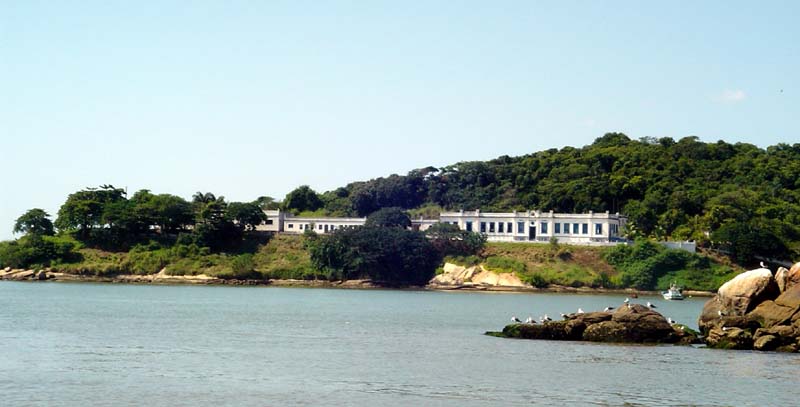
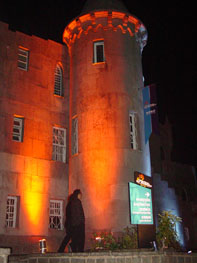
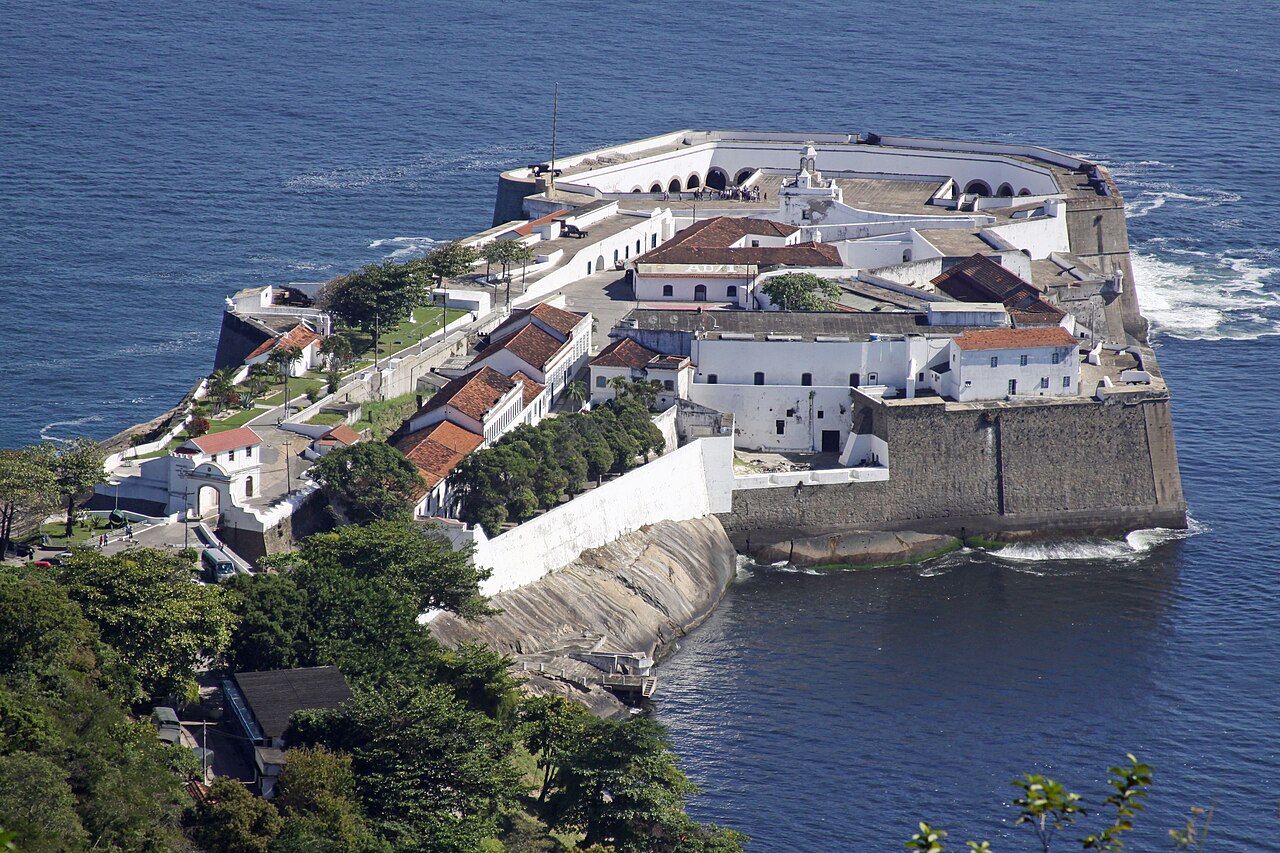
Forte de São Mateus do Cabo Frio is a historic bastioned fortress situated in Cabo Frio, in the state of Rio de Janeiro, Brazil. This fortification was constructed in the 17th century as part of the Portuguese colonial efforts to protect the coastline from foreign invasions and pirate attacks. It is a prominent example of bastioned fortress architecture, a style developed in response to the advent of gunpowder artillery, featuring angular bastions designed to eliminate blind spots and provide overlapping fields of fire.
Historical context and strategic importance
The fort was built during a period when the Portuguese crown sought to strengthen its military presence in Brazil, particularly along vulnerable coastal areas. Cabo Frio was a key location due to its natural harbor and proximity to important shipping routes. The fortress served as a defensive stronghold to safeguard the region against the incursions of rival European powers and pirates who threatened Portuguese colonial interests.
Throughout its history, Forte de São Mateus played a significant role in regional defense, helping to secure the coastline and maintain Portuguese control over the area. Its presence also contributed to the development and settlement of Cabo Frio, as military installations often attracted civilian populations and economic activity.
Architectural features and design
The fortress exemplifies the bastioned fortress typology, characterized by its star-shaped layout with angular bastions projecting from the main walls. This design allowed defenders to cover adjacent walls with cannon and musket fire, reducing vulnerable blind spots. The walls are constructed of stone and mortar, built to withstand artillery bombardment.
Key architectural elements include:
- Bastions: Four main bastions positioned at the corners, providing comprehensive defensive coverage.
- Curtain walls: Thick, low walls connecting the bastions, designed to absorb and deflect cannon fire.
- Moat: A dry or water-filled ditch surrounding the fortress, enhancing defense against infantry assaults.
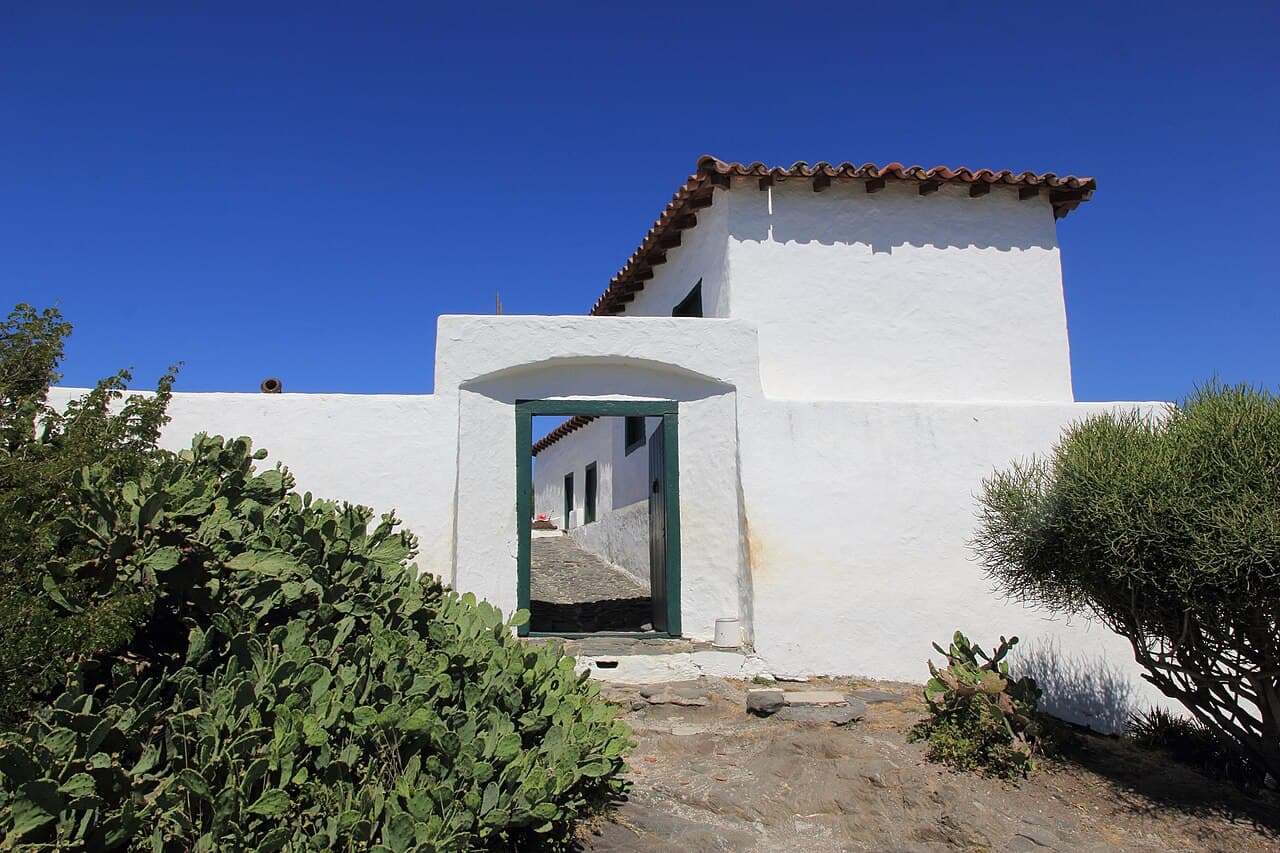
- Gatehouse: The main entrance fortified with defensive features such as a drawbridge or heavy doors.
- Internal structures: Barracks, powder magazines, and storage facilities necessary for sustaining a garrison.
The fortress's design reflects military engineering principles developed in Europe during the Renaissance and adapted to the colonial context of Brazil.
Preservation and current status
Today, Forte de São Mateus do Cabo Frio is recognized as an important cultural and historical monument. It is well preserved and accessible to the public, serving as a museum and tourist attraction. Visitors can explore the fortress's walls, bastions, and internal buildings, gaining insight into the military history of colonial Brazil.
The site also hosts cultural events and exhibitions that highlight the region's heritage and the fort's role in Brazil's colonial past.
Visiting information and cultural significance
The fort is located near the coast, offering scenic views of the Atlantic Ocean and the surrounding landscape. It is a popular destination for tourists interested in history, architecture, and coastal scenery.
Efforts to maintain and restore the fortress have ensured its structural integrity and accessibility, making it an educational resource for understanding the evolution of military architecture in Brazil.
Frequently asked questions (FAQ)
- What is the historical significance of Forte de São Mateus do Cabo Frio?
- Forte de São Mateus do Cabo Frio is a crucial landmark in Brazilian history, built in the 17th century to protect the region from invasions by pirates and other foreign powers. It played a vital role in the defense of the Portuguese colonies and showcases the military architecture of the time.
- When was Forte de São Mateus do Cabo Frio constructed?
- The construction of Forte de São Mateus began in 1620 and was completed in 1624. This makes it one of the oldest fortifications in Brazil, reflecting the early colonial military strategies of the Portuguese.
- What are the opening hours for visiting Forte de São Mateus do Cabo Frio?
- Forte de São Mateus is typically open to visitors from Tuesday to Sunday, from 9:00 AM to 5:00 PM. It's advisable to check for any seasonal changes in hours or special closures before your visit.
- Can I access Forte de São Mateus do Cabo Frio with limited mobility?
- The fort has some accessibility features, but due to its historical structure, certain areas may be challenging for visitors with limited mobility. It's recommended to contact the site ahead of your visit for specific accessibility information and accommodations.
- What is the best time to visit Forte de São Mateus do Cabo Frio?
- The best time to visit is during the dry season, from May to September, when the weather is cooler and less humid. This period allows for a more comfortable exploration of the fort and its surroundings.
- Is there an admission fee for visiting Forte de São Mateus do Cabo Frio?
- Yes, there is a small admission fee to enter Forte de São Mateus do Cabo Frio, typically around R$10 for adults, with discounts available for students and seniors. This fee helps maintain the site and supports its preservation efforts.
- What nearby attractions can I visit while at Forte de São Mateus do Cabo Frio?
- Nearby attractions include the beautiful Praia do Forte beach and the historic city center of Cabo Frio, which features charming colonial architecture and local shops. Exploring these sites can enhance your cultural experience during your visit.
Photo gallery

Information
Loading map...
Visitor reviews
No reviews yet. Been here? Write the first review and help other travelers!
Write the first reviewVisited this castle? Share your experience
Your review helps other travelers and adds first-hand knowledge to our encyclopedia.