Forte de São Francisco Xavier de Piratininga
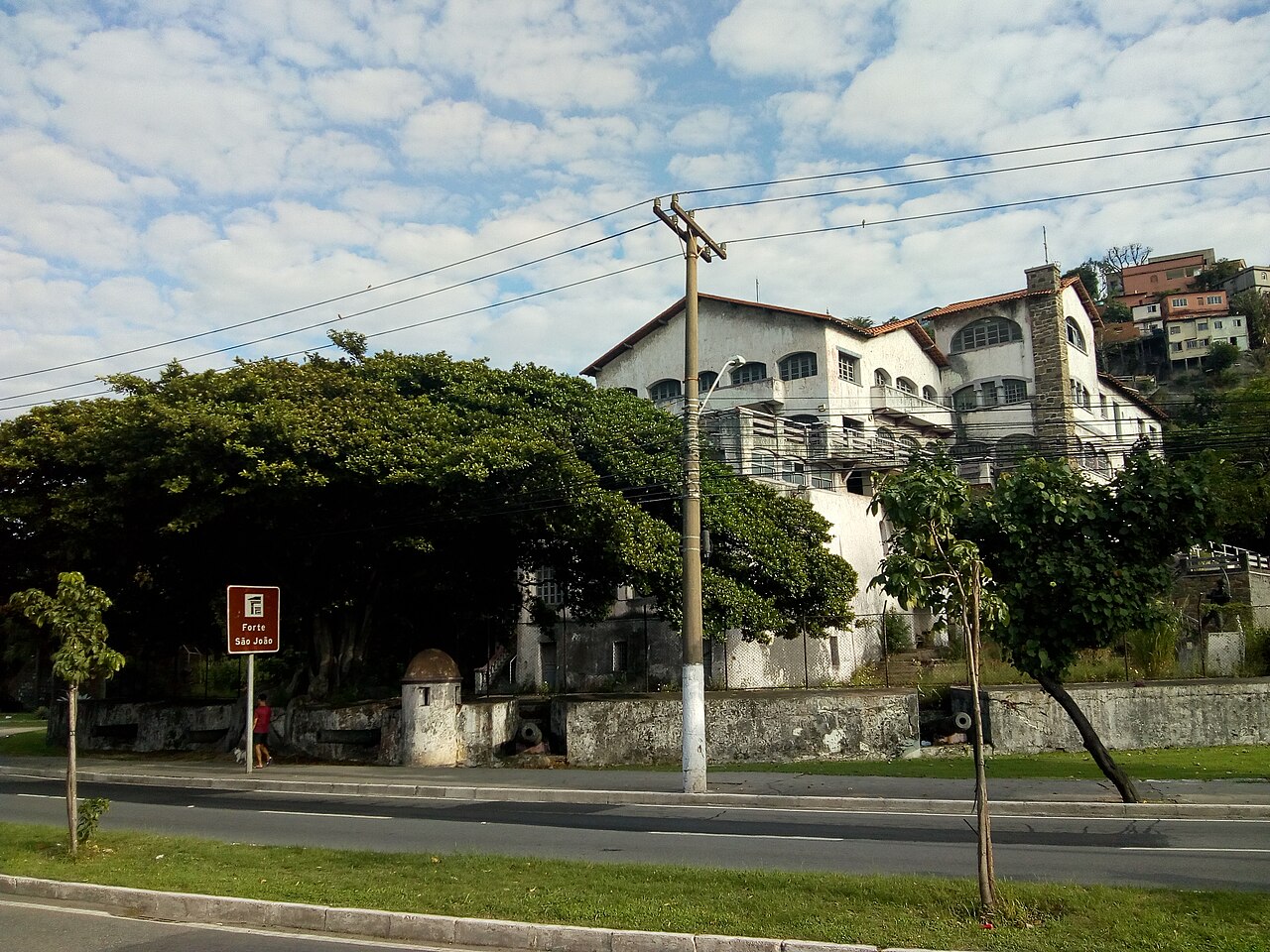
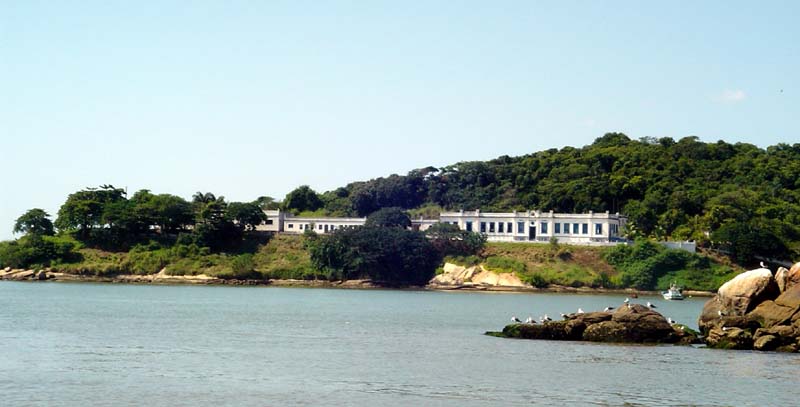
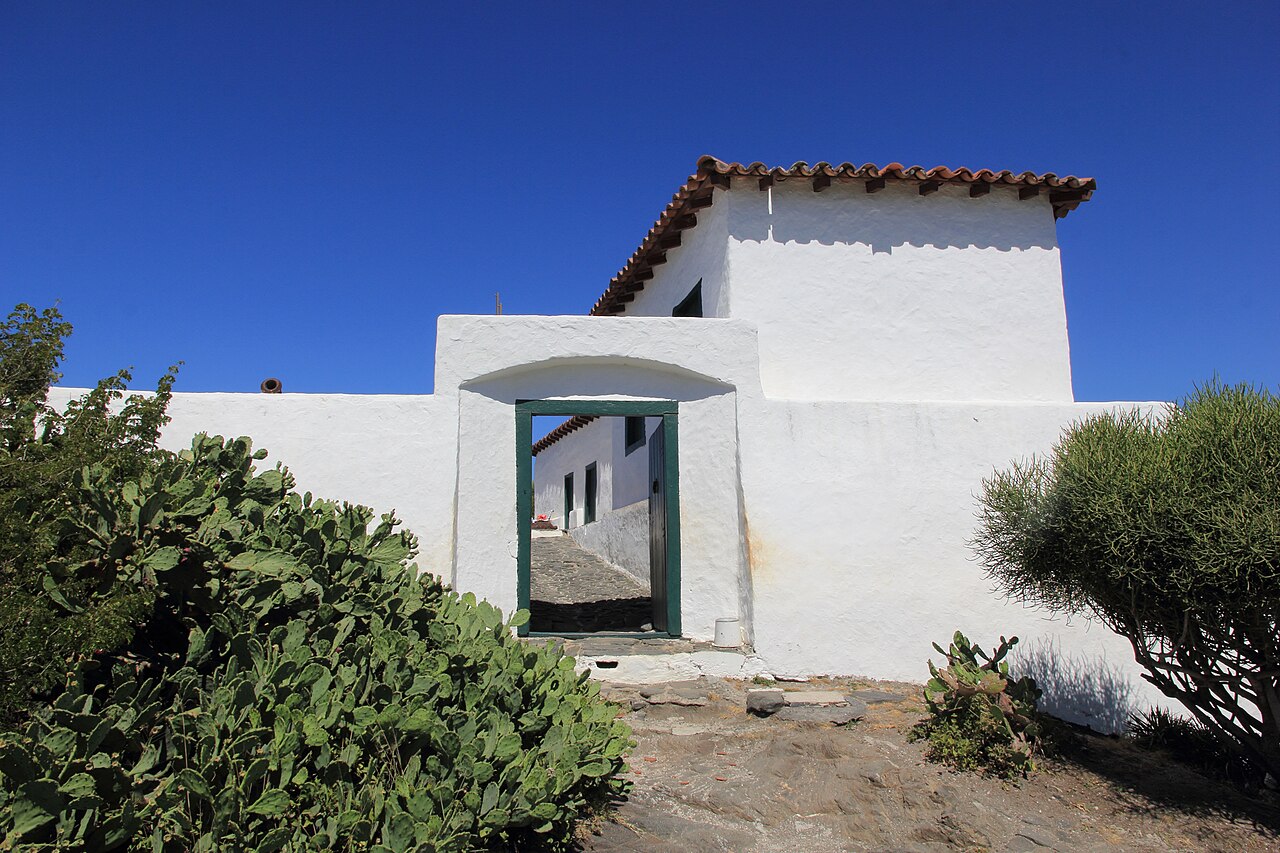
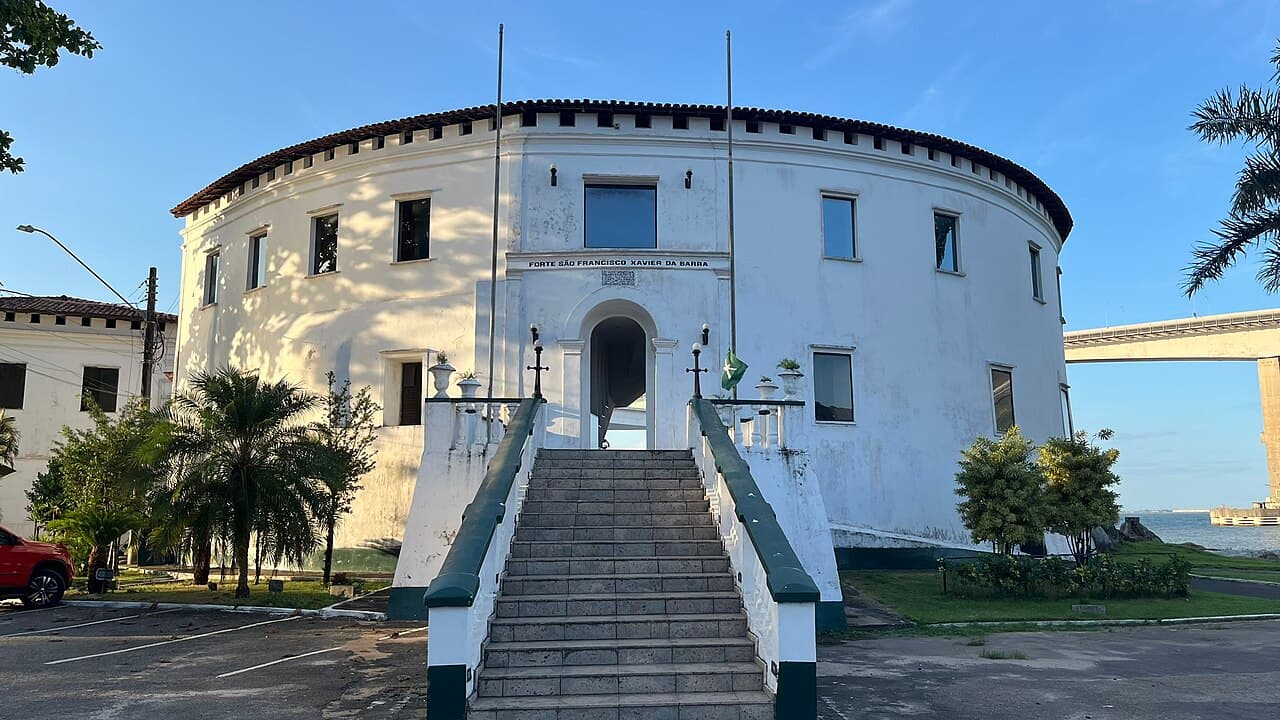
The Fort of São Francisco Xavier de Piratininga, also known as the Fort of São Francisco Xavier da Barra or simply the Fort of Piratininga, is a significant bastioned fortress located in the Inhoã Cove within the city of Vila Velha, in the Brazilian state of Espírito Santo. This fortress was strategically built at the base of Penha Hill to protect the southern entrance of Vitória Bay, a crucial maritime gateway during the colonial era of the Captaincy of Espírito Santo.
Historical context and strategic importance
Constructed during the period of Portuguese colonization, the Fort of São Francisco Xavier de Piratininga played a vital role in the defense system established to safeguard the coastal territories of Brazil from foreign invasions and pirate attacks. Its location at the mouth of Vitória Bay allowed it to control naval access to the bay and the city of Vitória, the capital of Espírito Santo. The fort was part of a broader network of fortifications designed to secure the captaincy's valuable resources and maintain Portuguese dominance in the region.
Architectural features and design
The fort exemplifies the bastioned fortress style, a military architectural design that emerged in the late Renaissance and became widespread in the 16th and 17th centuries. This style is characterized by angular bastions projecting outward from the curtain walls, allowing defenders to cover adjacent walls with crossfire and eliminate blind spots vulnerable to attackers.
The Fort of São Francisco Xavier de Piratininga includes robust stone walls and bastions arranged to optimize defense against artillery and infantry assaults. Its position at the base of Penha Hill provided natural elevation advantages, enhancing the fort's defensive capabilities and visibility over the bay and surrounding coastline.
Key structural elements
- Bastions: The fort features angular bastions that allowed enfilading fire along the walls, a hallmark of bastioned fortifications.
- Curtain walls: Thick and sturdy walls connecting the bastions, designed to withstand cannon fire.
- Moat and ditch: Defensive trenches likely surrounded the fort to impede attackers, typical of bastioned forts of this era.
- Gates and entrances: Controlled access points fortified to prevent enemy breach.
- Internal structures: Barracks, storage rooms, and command posts supported the garrison stationed at the fort.
Role in regional defense and historical events
Throughout its history, the Fort of São Francisco Xavier de Piratininga served as a key military installation protecting the southern approach to Vitória Bay. It was instrumental in deterring attacks during periods of conflict, including threats from rival colonial powers and privateers. The fort's presence contributed to the stability and security of the Espírito Santo captaincy, facilitating the growth of Vila Velha and Vitória as important urban centers.
Preservation and current status
Today, the fort remains a well-preserved example of colonial military architecture in Brazil. Its stone bastions and curtain walls continue to stand, offering visitors insight into the defensive strategies employed during the colonial period. The site is accessible to the public and serves as a cultural and historical landmark, reflecting the region's colonial heritage and maritime defense history.
Visitor experience
Visitors to the Fort of São Francisco Xavier de Piratininga can explore the ramparts and bastions, enjoy panoramic views of Vitória Bay, and learn about the fort's role in Brazil's colonial past. Interpretive signage and guided tours provide context on the fort's construction, military function, and historical significance.
Frequently asked questions (FAQ)
- What is the historical significance of Forte de São Francisco Xavier de Piratininga?
- Forte de São Francisco Xavier de Piratininga, built in the 17th century, played a crucial role in the defense of Brazil against colonial invasions. It served as a military stronghold during the Portuguese colonial period and is a significant landmark reflecting the country's rich history and architectural heritage.
- When was Forte de São Francisco Xavier de Piratininga built?
- Construction of the fortress began in 1660 and was completed in 1697. The fort was strategically designed to protect the coastline and the nearby city of Vila Velha from potential attacks by foreign forces.
- Can I visit Forte de São Francisco Xavier de Piratininga?
- Yes, visitors are welcome to explore the Forte de São Francisco Xavier de Piratininga. The site offers guided tours that provide insights into its history and architecture, making it an enriching experience for tourists and history enthusiasts alike.
- What are the opening hours for Forte de São Francisco Xavier de Piratininga?
- The fortress is typically open to visitors from Tuesday to Sunday, from 9 AM to 5 PM. It is advisable to check for any changes in hours or special events before planning your visit.
- Is it possible to access Forte de São Francisco Xavier de Piratininga with public transportation?
- Yes, the fortress is accessible via local public transportation options, including buses and taxis. Additionally, there are parking facilities nearby for those who prefer to drive.
- What is the best time to visit Forte de São Francisco Xavier de Piratininga?
- The best time to visit is during the dry season, from May to September, when the weather is generally more pleasant. This season provides an excellent opportunity to enjoy the views and explore the surrounding area without the interruptions of rain.
- Are there any nearby attractions to see when visiting Forte de São Francisco Xavier de Piratininga?
- Yes, nearby attractions include the beautiful Praia da Costa beach and the historic Convento da Penha. Both sites offer additional cultural and scenic experiences that complement a visit to the fortress.
- What are the ticket prices for visiting Forte de São Francisco Xavier de Piratininga?
- Admission to the fortress is usually quite affordable, with a small fee for adults and discounted rates for students and seniors. Check the official website or local tourism information for the most current pricing details.
Photo gallery

Information
Loading map...
Visitor reviews
No reviews yet. Been here? Write the first review and help other travelers!
Write the first reviewVisited this castle? Share your experience
Your review helps other travelers and adds first-hand knowledge to our encyclopedia.