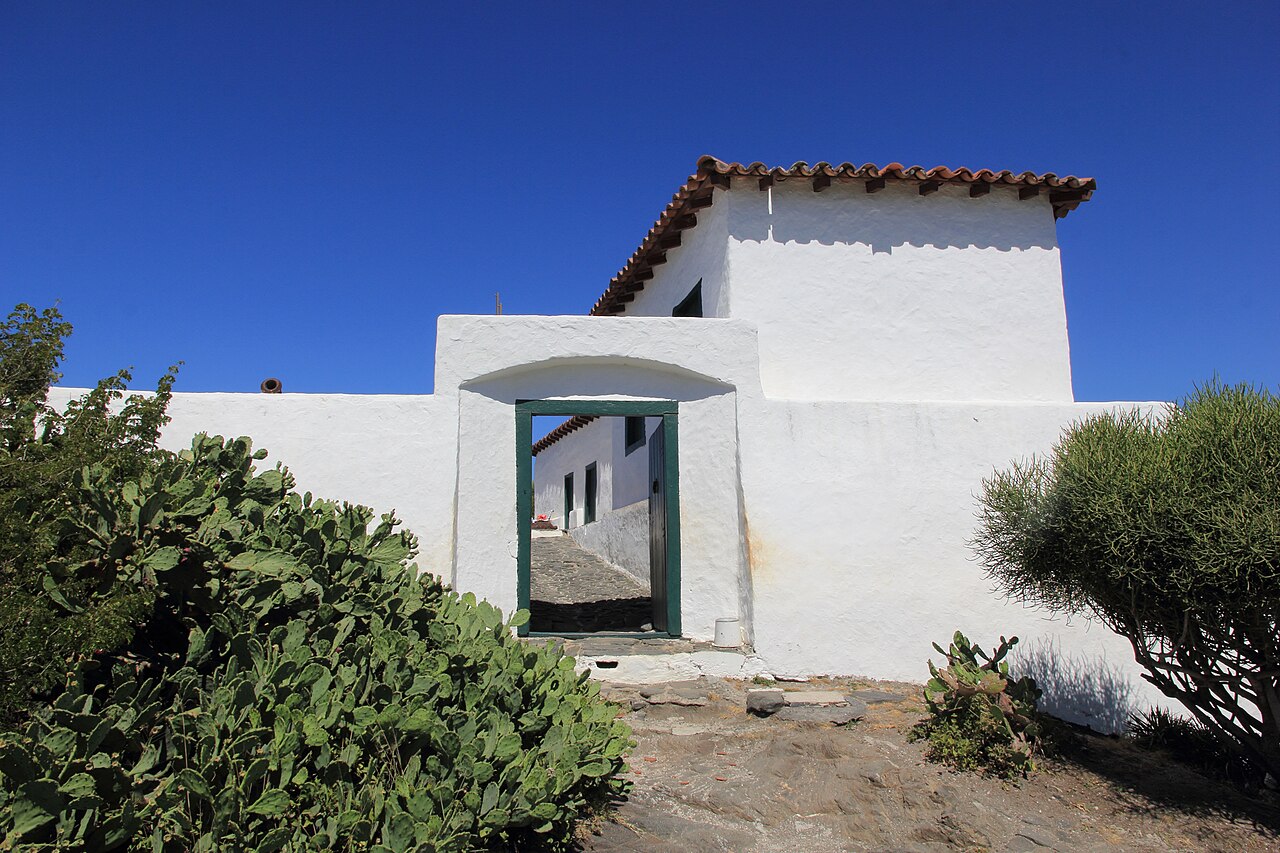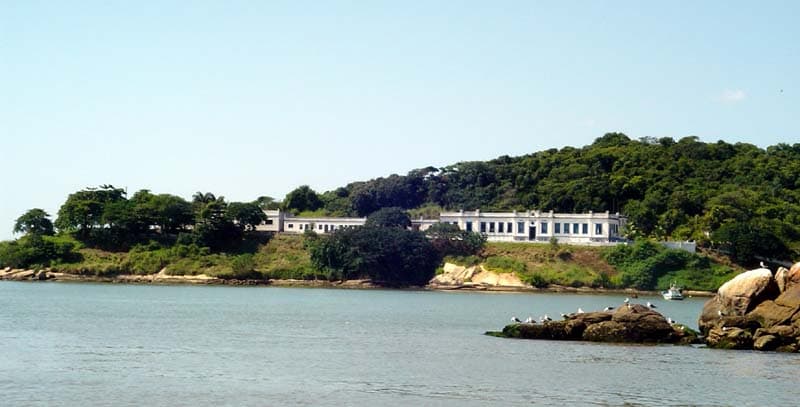
Forte Marechal Hermes is a prominent bastioned fortress located in Brazil, exemplifying military architectural principles designed for coastal defense. This fortress represents a significant example of fortification built to withstand artillery assaults, characteristic of bastioned designs that feature angular walls and projecting bastions to cover all approaches with defensive fire.
Historical context and strategic importance
Constructed during a period when coastal fortifications were critical for protecting important maritime routes and harbors, Forte Marechal Hermes played a key role in safeguarding Brazilian shores from naval threats. Its location was chosen to command strategic access points, allowing defenders to monitor and control sea traffic effectively. The fortress is named after Marechal Hermes da Fonseca, a notable Brazilian military figure, reflecting its military heritage and national significance.
Architectural features and design elements
The fortress exemplifies the bastioned fortress typology, characterized by robust, thick walls and angular bastions projecting outward from the main enclosure. These bastions allowed defenders to cover adjacent walls with crossfire, eliminating blind spots and enhancing the fortress's defensive capabilities. The design incorporates curved curtain walls and ravelins to absorb and deflect enemy artillery fire.
Within the walls, the fortress contains various essential military structures, including casemates for artillery placement, magazines for ammunition storage, and barracks for housing troops. The layout is organized to facilitate rapid movement of soldiers and efficient communication between defensive positions.
Defensive innovations
The fortress's bastions are designed with angled faces to maximize defensive coverage and minimize dead zones. The walls are constructed from durable materials capable of resisting cannon fire, and the overall geometry reflects principles of trace italienne fortification, a style that became widespread in the early modern period.
Role in brazilian military history
Forte Marechal Hermes served as a critical military installation during times of conflict, contributing to the defense of Brazil's coastline against potential invasions and piracy. Its presence helped secure important naval bases and protected commercial shipping lanes essential to the country's economy.
Over time, the fortress has witnessed various phases of military use and adaptation, reflecting changes in warfare technology and strategic priorities. While its active military role has diminished, the fortress remains a symbol of Brazil's coastal defense efforts.
Current condition and cultural significance
Today, Forte Marechal Hermes is recognized for its historical and architectural value. The fortress is generally well preserved, maintaining much of its original structure and defensive features. It serves as a cultural landmark, attracting visitors interested in military history and fortification architecture.
The site offers insight into the evolution of coastal defenses and the application of bastioned design principles in a Brazilian context. Preservation efforts aim to maintain the fortress's integrity while facilitating educational and tourism activities.
Visitor experience
Visitors to Forte Marechal Hermes can explore its extensive walls, bastions, and internal buildings. The fortress provides a tangible connection to Brazil's military past and coastal defense strategies. Interpretive signage and guided tours often highlight the architectural features and historical events associated with the site.
Frequently asked questions (FAQ)
- What is the historical significance of Forte Marechal Hermes?
- Forte Marechal Hermes is a bastioned fortress that played a crucial role in Brazil's coastal defense, protecting important maritime routes and naval bases.
- Can I visit Forte Marechal Hermes?
- Yes, the fortress is generally well preserved and open to visitors who want to explore its military architecture and learn about its history.
- What architectural style characterizes Forte Marechal Hermes?
- The fortress features bastioned fortress design principles, including angled bastions and thick walls typical of trace italienne fortifications.
- When was Forte Marechal Hermes built?
- The exact construction date is not clearly documented, but its design reflects early modern bastioned fortification styles.
- What defensive features does Forte Marechal Hermes have?
- It includes angled bastions, thick curtain walls, casemates for artillery, magazines, and barracks, all designed for effective coastal defense.

Information
Loading map...
Visitor reviews
No reviews yet. Been here? Write the first review and help other travelers!
Write the first reviewVisited this castle? Share your experience
Your review helps other travelers and adds first-hand knowledge to our encyclopedia.