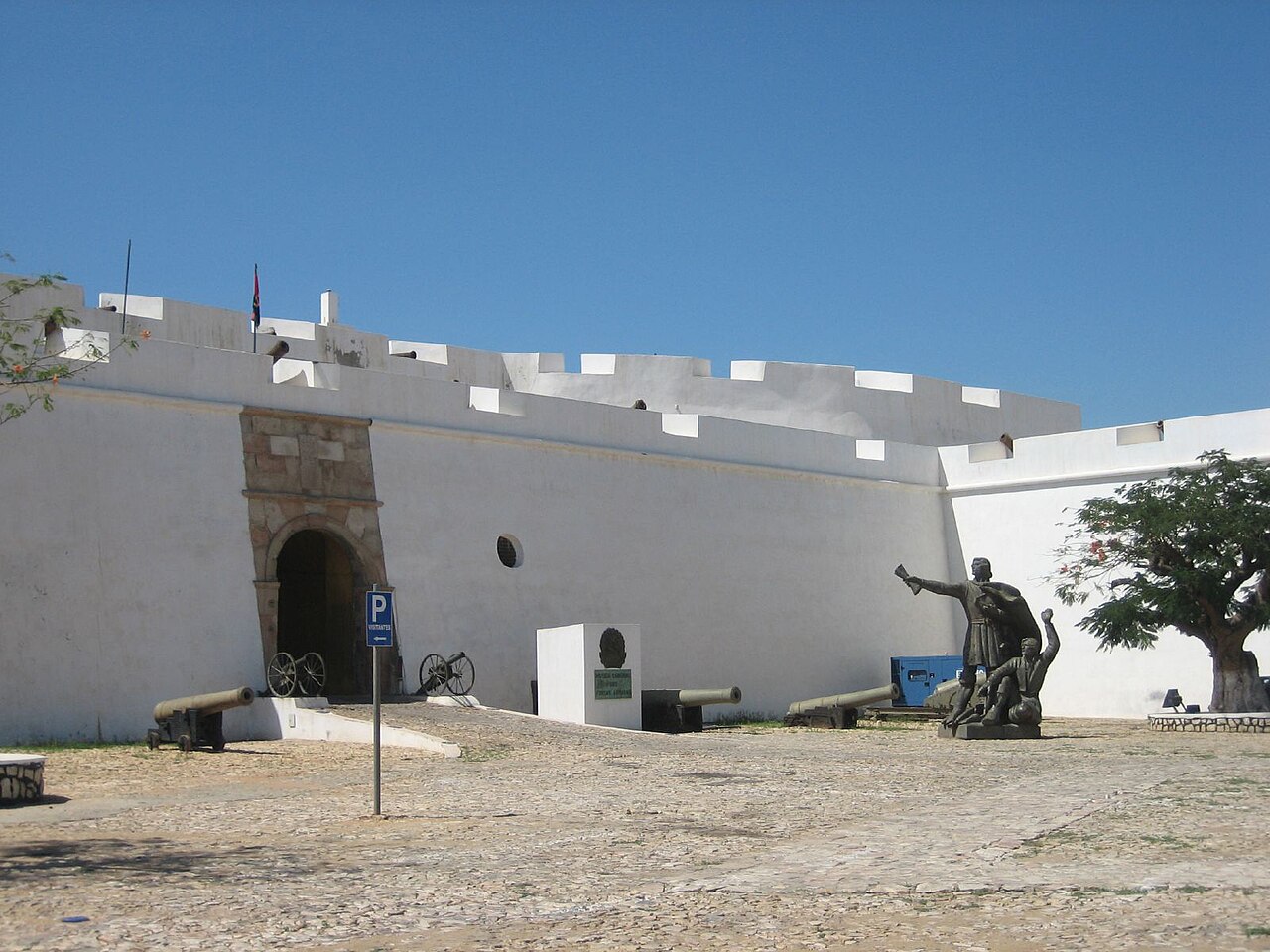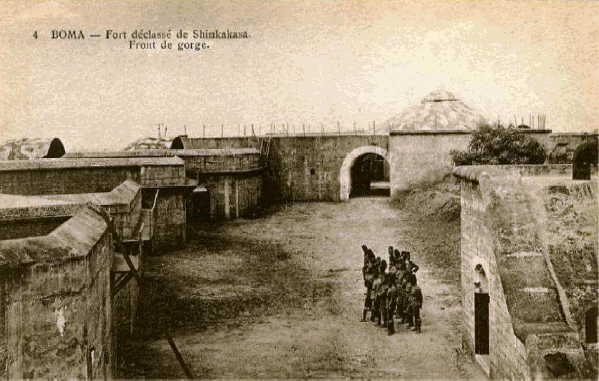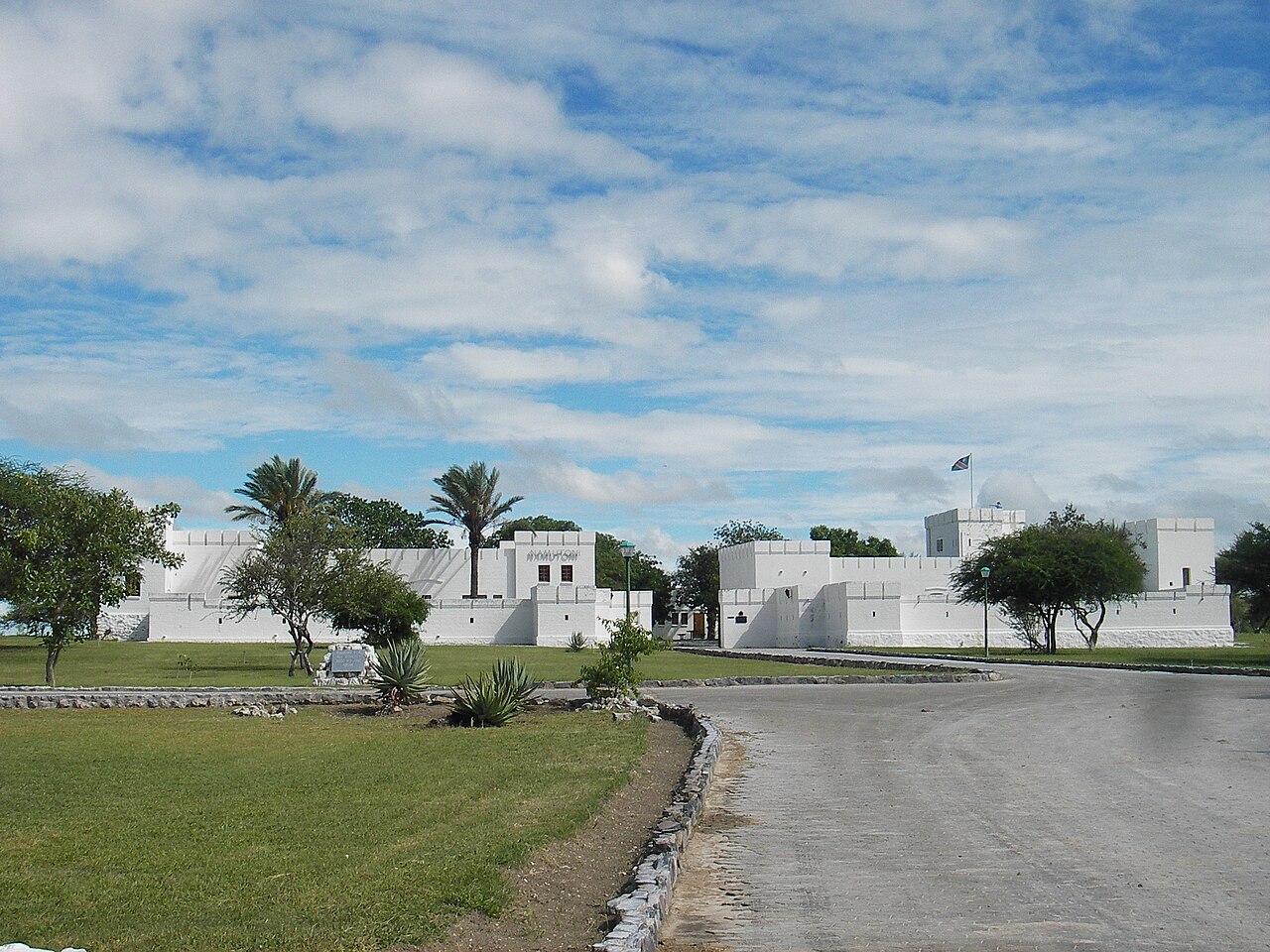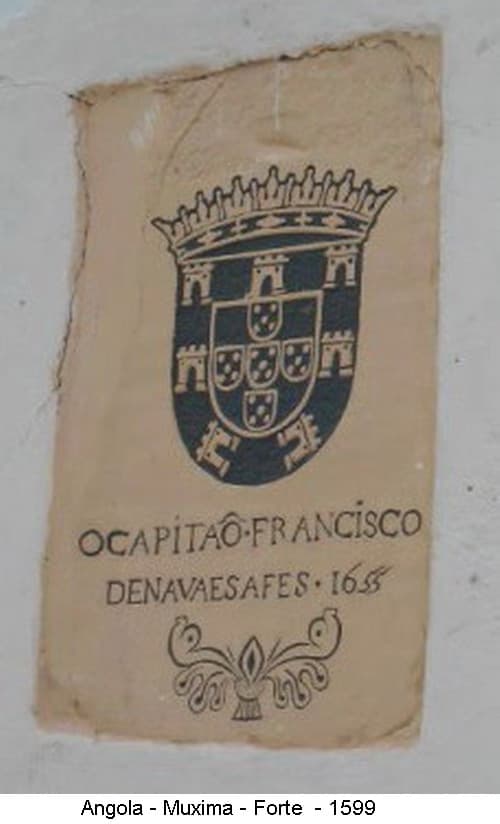
The Fortress of Muxima (Portuguese: Fortaleza de Muxima) is a significant example of 16th-century military architecture located in the Bengo Province of Angola, strategically positioned on the banks of the Cuanza River. Constructed in 1599 using robust stone and mortar, the fortress was designed as a bastioned fortress to serve both defensive and commercial purposes during the Renaissance period.
Historical background and strategic importance
The fortress was established by the Portuguese colonial administration to secure control over the vital Cuanza River, a key route for trade and transportation into the interior of Angola. Its location allowed the Portuguese to monitor and regulate river traffic, protect their interests against local resistance, and safeguard the lucrative trade in slaves and other goods that passed through the region.
Throughout its history, the Fortress of Muxima played a crucial role in the Portuguese colonial military network. It acted as a defensive stronghold against indigenous uprisings and rival European powers seeking influence in West Central Africa. The fortress also functioned as a trading post and a center for missionary activity, reflecting the intertwined nature of commerce, military, and religious objectives during the colonial era.
Architectural features and design
The fortress is a classic example of bastioned fortification design, characteristic of the Renaissance military architecture introduced by the Portuguese in Africa. Its layout includes angular bastions at the corners, which allowed defenders to cover all approaches with overlapping fields of fire. The walls, built thick and high with stone masonry, were designed to resist cannon fire and assaults.
The structure includes a main gate fortified with defensive elements such as a drawbridge and guardhouses. Inside, the fortress contains barracks for soldiers, magazines for storing gunpowder and weapons, and courtyards that facilitated troop movements and logistical operations. The design reflects the adaptation of European fortification principles to the local environment and materials.
Defensive elements
The bastions are equipped with embrasures for artillery, enabling the defenders to repel attacks from land and river. The fortress's location on the riverbank also allowed for control of naval access and provided a natural defensive barrier. The thick walls and robust construction have contributed to the fortress's survival over centuries, despite exposure to tropical weather conditions.
Cultural and heritage significance
Today, the Fortress of Muxima stands as a historical monument reflecting the complex colonial history of Angola. It is a symbol of Portuguese colonial military strategy and the broader history of European expansion in Africa during the Renaissance. The fortress is also significant for its role in the transatlantic slave trade, serving as a holding point for enslaved Africans before their forced departure.
Its preservation offers valuable insights into the architectural techniques of the period and the socio-political dynamics of colonial Angola. The fortress is a site of cultural memory and is often visited by those interested in the history of Angola and Portuguese colonialism.
Current condition and tourism
The fortress remains well preserved, with much of its original structure intact. It is accessible to visitors interested in historical architecture and African colonial history. Efforts have been made to maintain the site, although tropical climate and natural erosion pose ongoing challenges to its preservation.
Visitors can explore the bastions, walls, and internal courtyards while learning about the fortress's role through onsite displays and guided tours. The site provides a tangible connection to Angola's past and offers panoramic views of the Cuanza River and surrounding landscape.
Visiting information
The fortress is open to the public, and it is advisable to visit during daylight hours for safety and to fully appreciate the site. Local guides are available to provide historical context and architectural explanations. The surrounding area offers opportunities for cultural tourism and exploration of Angolan heritage.
Photo gallery

Photo by Virgilio Pena da Costa•Public domain
Information
Loading map...
Visitor reviews
No reviews yet. Been here? Write the first review and help other travelers!
Write the first reviewVisited this castle? Share your experience
Your review helps other travelers and adds first-hand knowledge to our encyclopedia.