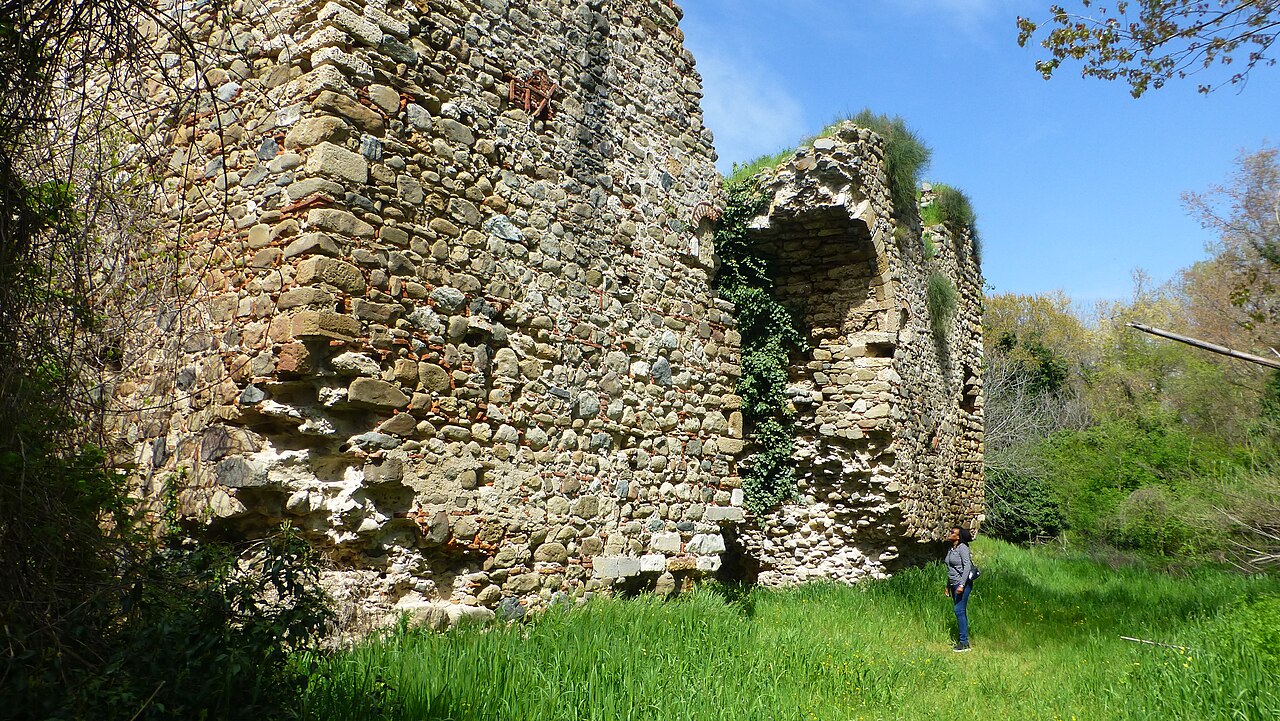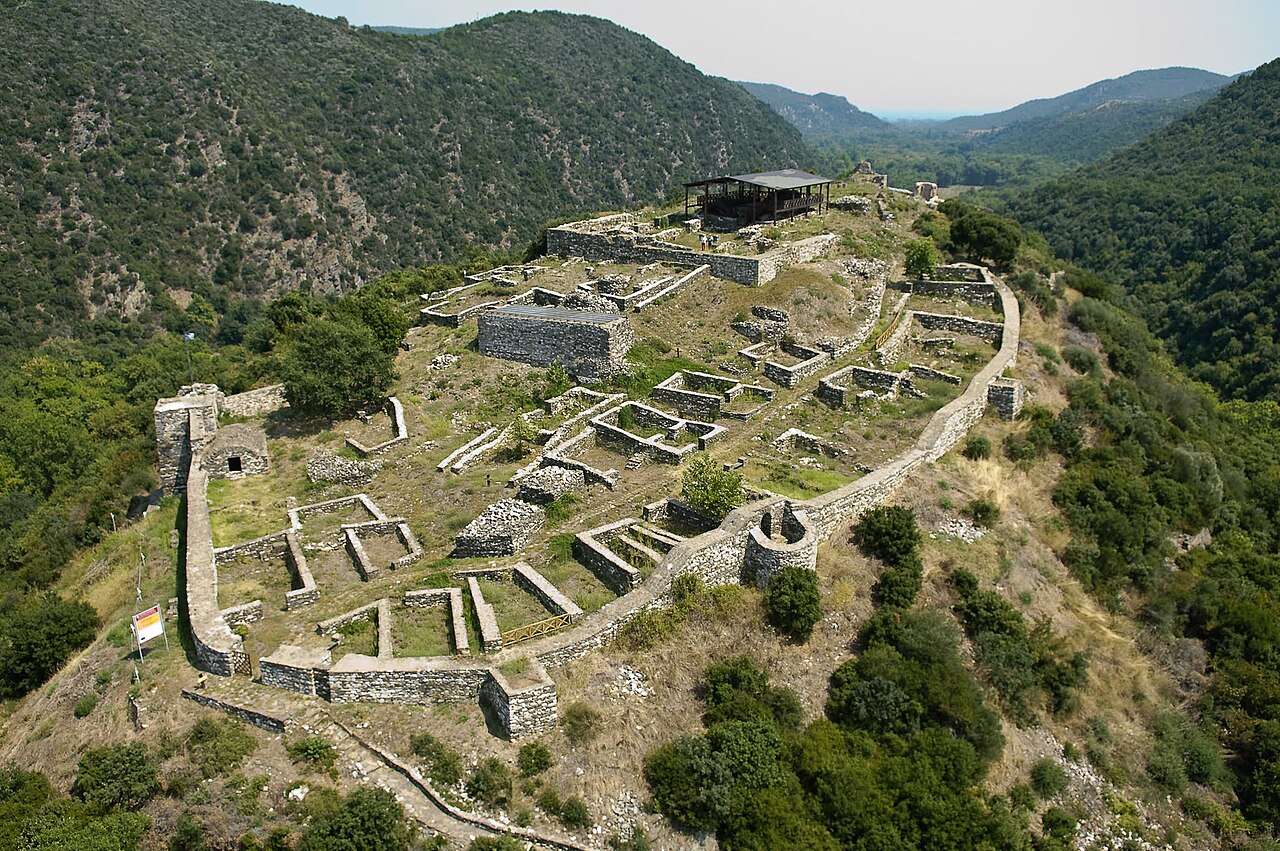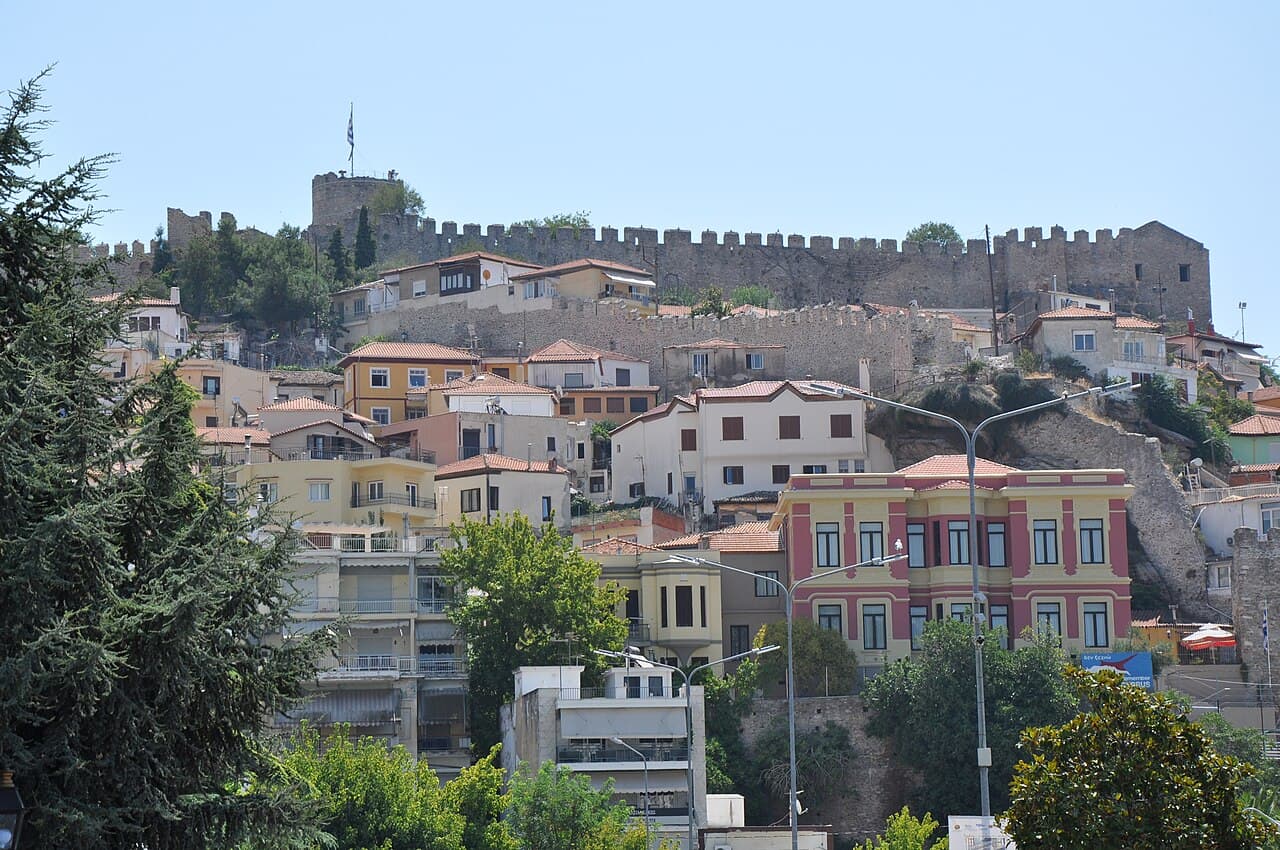
The fortress of Kavala stands as a monumental symbol of the northern Greek city of Kavala, overlooking the Aegean Sea and embodying centuries of strategic military architecture. This hill castle has origins dating back to antiquity, with its fortifications evolving through multiple cultural and historical phases, including significant Byzantine and Ottoman reconstructions. Today, the fortress is renowned for its imposing walls, bastions, and towers that narrate the city's rich defensive history.
Ancient origins and early fortifications
The site of the fortress has been fortified since at least the 5th century BC, when the city of Kavala was initially surrounded by defensive walls. These early fortifications were essential for protecting the settlement, which was strategically positioned along important trade routes connecting Macedonia and Thrace. Over the centuries, the defensive structures underwent numerous modifications to adapt to changing military technologies and threats.
Following the Roman period, the fortress received extensive repairs and enhancements. Emperor Julian (361–363 AD) is recorded to have undertaken restoration works, followed by further fortifications under Emperor Justinian in the 6th century. These efforts reflect the fortress's continued importance as a military stronghold in the region during the late antique period.
In the early Byzantine era, the fortress's defenses were reinforced once again in 926 AD by Basil Cladon, a general of the Theme of Strymon. This period saw the integration of innovative defensive features, including the incorporation of the city's water supply into the fortifications, a concept inspired by earlier models such as Justinian's fortifications at Anastasioupolis.
Medieval expansions and the paleologan enhancements
The fortress underwent a major transformation in the early 14th century under the reign of Andronicus II Palaeologus. Around 1307, long defensive walls were constructed extending from the sea to the summit of the hill, significantly enlarging the fortified area. These walls were designed to provide a robust defense against both land and sea attacks, enclosing an area of approximately 13 hectares.
These long walls were strategically built to control the vital road linking Macedonia to Thrace, a crucial route for trade and military movements. The fortifications featured a series of round and square towers, as well as bastions, primarily concentrated on the vulnerable northern land side. The northern perimeter was secured by a transverse wall stretching 449 meters up a steep slope to inaccessible cliffs rising 64 meters high, demonstrating advanced defensive engineering for the period.
Historical records attribute the construction of a 1.5 km long cross fortification to Andronicus II Palaeologus between 1307 and 1308. This fortification was built in response to an attempted conquest by the Catalans and included multiple towers—three square and one round—interspersed along the defensive line. This extensive network of walls and towers highlights the fortress's strategic importance in regional defense during the late Byzantine period.
Ottoman conquest and reconstruction
The fortress of Kavala experienced a decisive turning point in 1391 when the city fell to the Ottoman Turks, resulting in the complete destruction of the Byzantine castle. The Ottomans recognized the strategic value of the location and undertook a comprehensive reconstruction of the fortress in 1425. The current structure visible today largely reflects this Ottoman rebuilding phase.
The Ottoman reconstruction preserved the fortress's hilltop position and its defensive perimeter but introduced architectural elements and fortification techniques characteristic of Ottoman military design. The citadel, positioned at the summit, was fortified with a combination of square and polygonal towers, including two square towers at the northwest and northeast corners, a polygonal tower on the east side, and a bastion on the southeast. A transverse wall divides the citadel into two sections, with a prominent cylindrical tower crowning the highest point, serving as a lookout and last line of defense.
Architectural features and defensive structures
The fortress's design follows the natural contours of the hill, maximizing the defensive advantage provided by the terrain. The encompassing defensive wall, reinforced by numerous towers and bastions, encloses an extensive area of 13 hectares. The walls are punctuated by four gates, facilitating controlled access and movement between the city and the fortress.
The northern side of the fortress, considered the most vulnerable, is heavily fortified with a combination of round and square towers and bastions. These fortifications were constructed to withstand sieges and assaults, with thick walls and elevated positions for archers and artillery.
The citadel's internal division by a transverse wall and the presence of a cylindrical tower at its highest point reflect sophisticated defensive planning, allowing defenders to retreat and regroup within successive layers of protection. The integration of the city's water supply into the fortifications ensured sustainability during prolonged sieges.
Historical significance and cultural heritage
The fortress of Kavala is not only a military monument but also a cultural landmark that encapsulates the city's historical evolution from antiquity through the Byzantine and Ottoman periods. Its fortifications bear witness to the region's turbulent history, marked by conflicts, sieges, and changing empires.
Today, the fortress is a prominent tourist attraction and a symbol of Kavala's rich heritage. Visitors can explore the extensive walls, towers, and bastions, gaining insight into medieval and early modern military architecture. The site also offers panoramic views of the city and the Aegean coastline, enhancing its appeal as a cultural and historical destination.
Visiting the fortress
Accessible to the public, the fortress of Kavala provides an immersive experience into the past with its well-preserved Ottoman-era walls and Byzantine foundations. Walking along the ramparts and exploring the towers allows visitors to appreciate the strategic design and historical layers embedded in the fortress's structure.
The site is ideal for history enthusiasts, architecture scholars, and tourists interested in the military heritage of Greece. Its location on a hilltop offers spectacular views, making it a favored spot for photography and cultural tourism.
Nearby attractions
Visitors to the fortress can also explore the historic center of Kavala, known for its Ottoman-era architecture, vibrant markets, and waterfront promenade. The city's archaeological museum and traditional neighborhoods complement the fortress visit, providing a comprehensive cultural experience.
Frequently asked questions (FAQ)
- What is the historical significance of the Fortress of Kavala?
- The Fortress of Kavala, built in the late Byzantine era, played a crucial role in the defense of the city against invasions. Its strategic location allowed it to oversee the Aegean Sea and protect trade routes. The fortress has witnessed various historical events, including Ottoman rule, which has shaped its architecture and legacy.
- When was the Fortress of Kavala built?
- Construction of the Fortress of Kavala began in the 15th century under the Ottoman Empire and was completed in the early 16th century. It was built to reinforce the city's defenses and accommodate the growing population. Over the years, it has undergone several renovations, preserving its historical integrity.
- What are the opening hours for the Fortress of Kavala?
- The Fortress of Kavala is typically open to visitors from 8:00 AM to 8:00 PM during the summer months and from 8:00 AM to 5:00 PM in the winter. However, hours may vary on public holidays, so it's advisable to check the official website before your visit. Guided tours are available at specific times throughout the day.
- Can I access the Fortress of Kavala with a wheelchair?
- The Fortress of Kavala has some accessibility options, but due to its historic nature and uneven terrain, complete wheelchair access may be challenging. Some areas may be reachable, but visitors with mobility issues should contact the site in advance to inquire about specific accommodations. It's recommended to visit with an able-bodied companion if possible.
- What is the ticket price for visiting the Fortress of Kavala?
- Tickets for the Fortress of Kavala are reasonably priced, typically around €2 for adults. There are reduced prices for students and seniors, and children under a certain age may enter for free. It's a good idea to check for any special discounts or free admission days.
- When is the best time to visit the Fortress of Kavala?
- The best time to visit the Fortress of Kavala is during the spring (April to June) and fall (September to October) months when the weather is mild and crowds are smaller. Summer can be quite hot, making the climb to the fortress more strenuous. Visiting during the early morning or late afternoon can also enhance your experience with cooler temperatures and beautiful light.
- What nearby attractions should I explore while visiting the Fortress of Kavala?
- While at the Fortress of Kavala, visitors should also explore the charming old town, the Archaeological Museum of Kavala, and the beautiful beaches nearby. The picturesque harbor area offers a great spot for dining and shopping. Additionally, the ancient city of Philippi, a UNESCO World Heritage Site, is just a short drive away and worth a visit.
Photo gallery

Information
Loading map...
Visitor reviews
No reviews yet. Been here? Write the first review and help other travelers!
Write the first reviewVisited this castle? Share your experience
Your review helps other travelers and adds first-hand knowledge to our encyclopedia.