Fort Saint Anthony (Ilha de Moçambique)
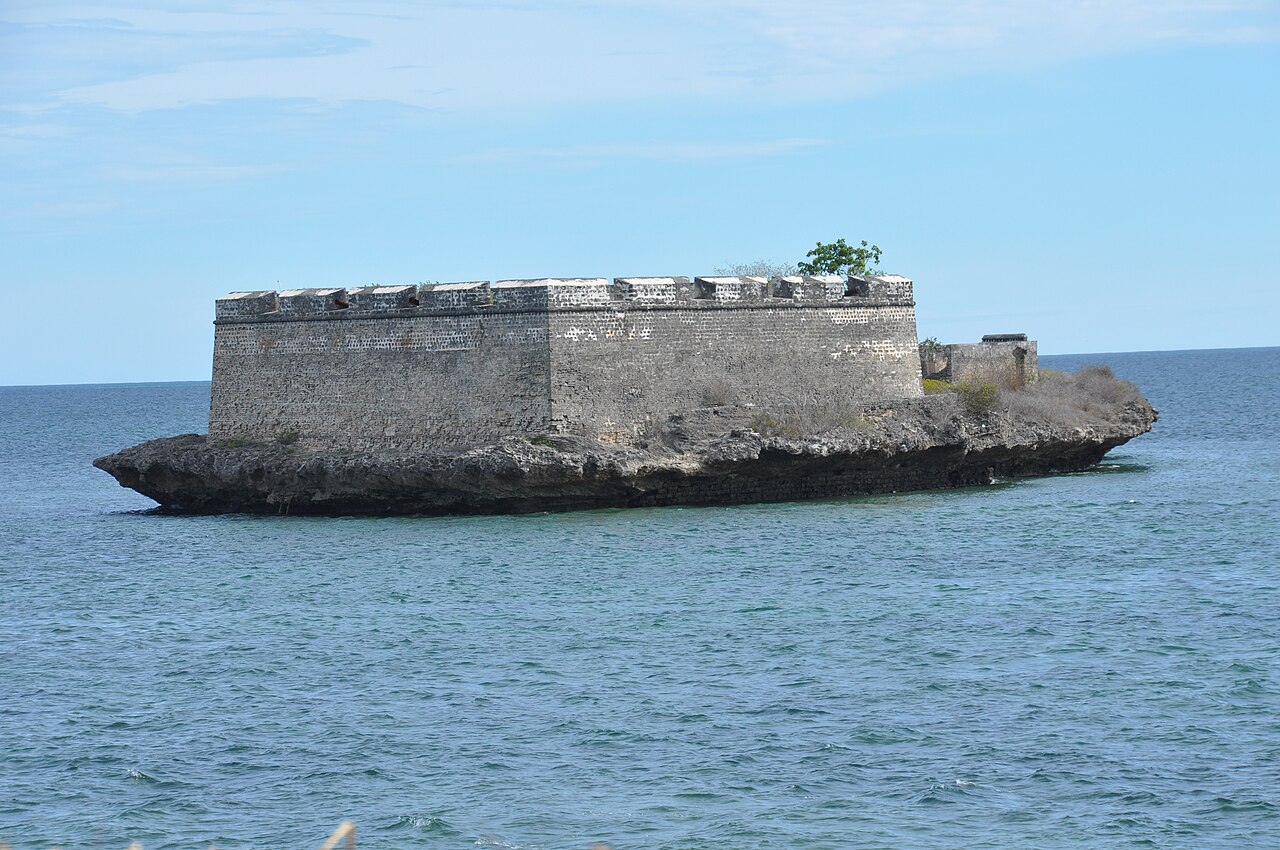
Fort Saint Anthony is a prominent bastioned fortress located on Ilha de Moçambique, a small island off the northeastern coast of Mozambique. This fortress is a key example of 16th-century Portuguese colonial military architecture in East Africa, reflecting the strategic importance of the island as a hub for maritime trade routes between Europe, Africa, and Asia.
The historical context and strategic importance
Constructed in the early 16th century, Fort Saint Anthony was built by the Portuguese as part of their efforts to control the vital sea lanes of the Indian Ocean. Ilha de Moçambique served as a crucial stopover point for Portuguese ships traveling to and from India and the Far East. The fortress was designed to protect the island and its harbor from rival European powers and local threats, playing a significant role in the Portuguese empire's expansion and dominance in the region.
Architectural features and design
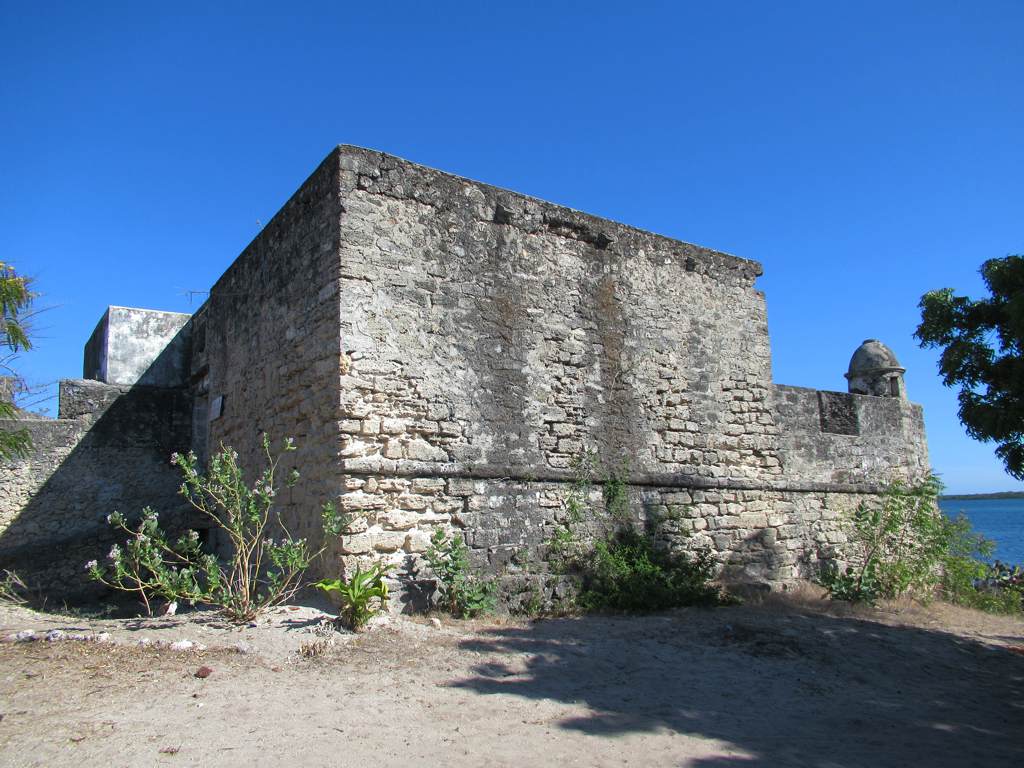
The fortress is a classic example of a bastioned fortress, a style that emerged in response to the development of artillery and gunpowder weapons. Its design includes thick stone walls and angular bastions that project outward, allowing defenders to cover adjacent walls with gunfire and eliminate blind spots. This design improved the fortress's defensive capabilities against cannon fire and sieges.
Fort Saint Anthony is constructed primarily from coral stone and lime mortar, materials locally sourced and typical of Portuguese colonial forts in the region. The fortress includes a central courtyard, surrounded by barracks, storage rooms, and a chapel. The walls are punctuated by gun ports and embrasures designed for cannons and smaller firearms.
The bastions and fortifications
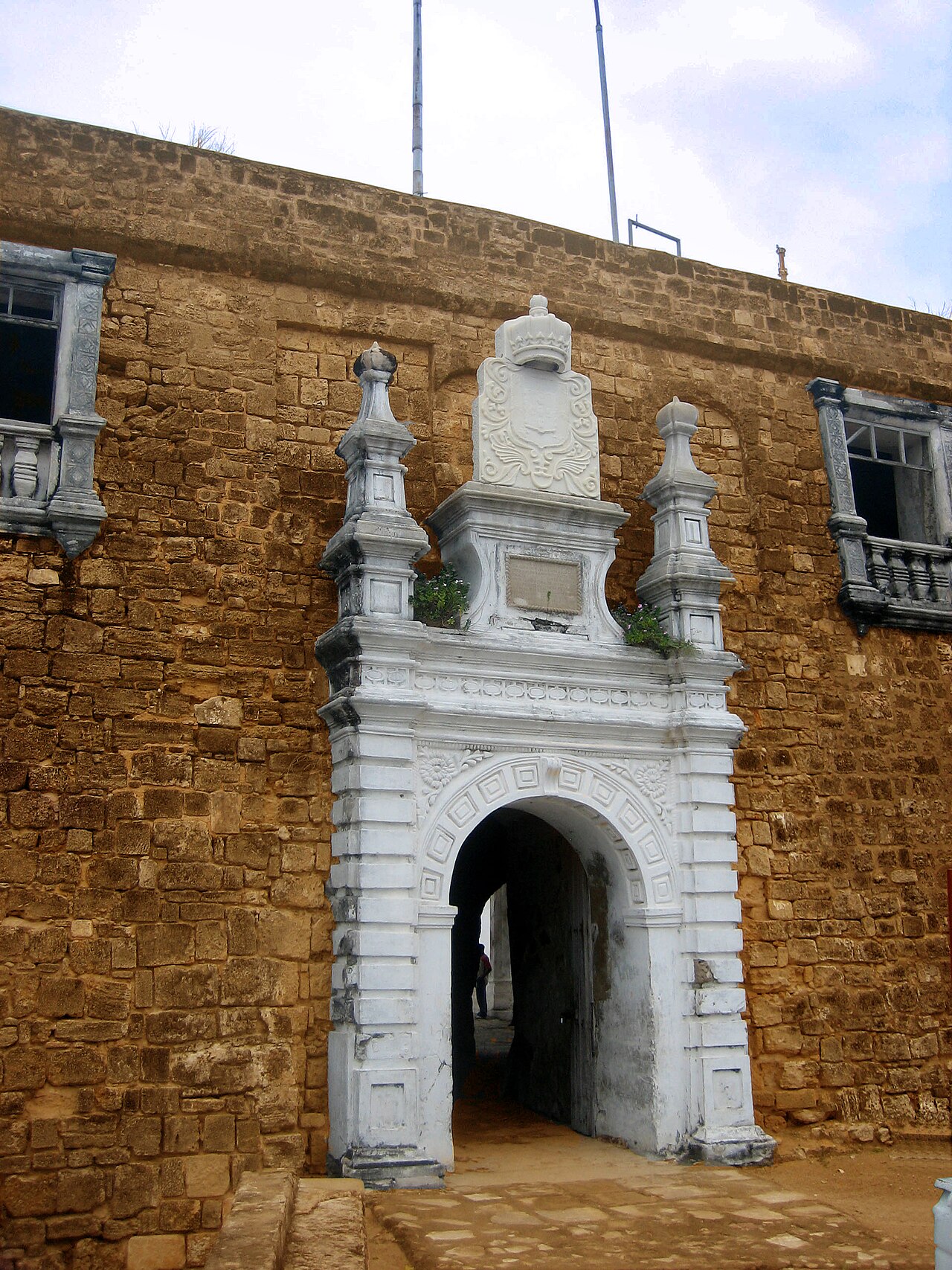
The fortress features several bastions named after saints, which were common in Portuguese fortifications. These bastions provide overlapping fields of fire and are connected by thick curtain walls. The fortifications also include a main gate, reinforced with heavy wooden doors and iron fittings, designed to withstand assaults.
Cultural and heritage significance
Fort Saint Anthony is part of the UNESCO World Heritage Site designation for Ilha de Moçambique, recognized for its unique blend of African, Arab, and European cultural influences. The fortress stands as a tangible reminder of the era of Portuguese exploration and colonization, as well as the complex history of trade, conflict, and cultural exchange in the Indian Ocean region.
Today, the fort remains a significant tourist attraction and a symbol of Mozambique's colonial past. Efforts have been made to preserve its structure, although exposure to the coastal environment has caused some deterioration over the centuries.
Preservation and current condition
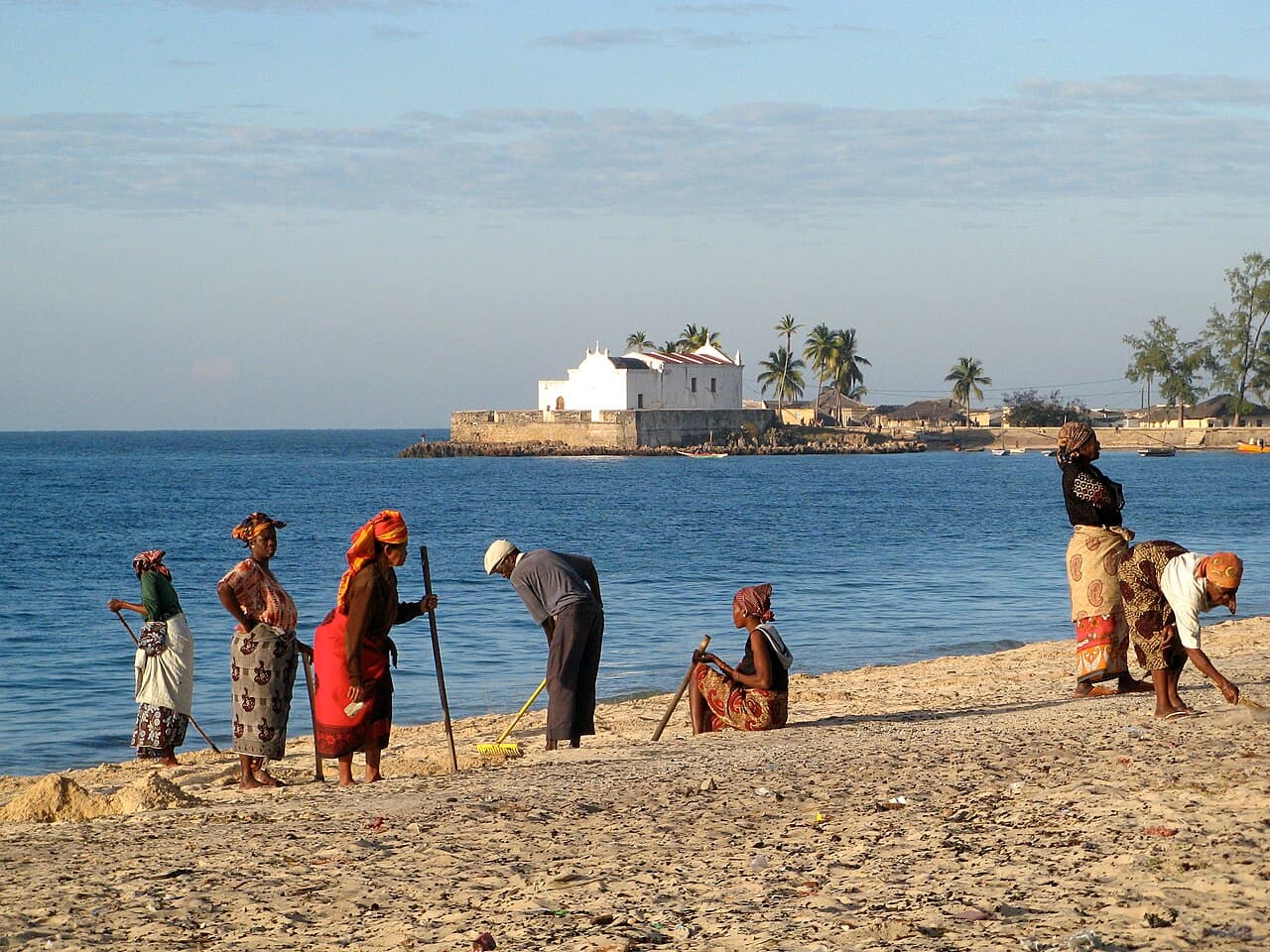
While Fort Saint Anthony remains largely intact, it has experienced weathering and damage due to its coastal location and the tropical climate. Restoration projects have aimed to stabilize the structure and maintain its historical features. The fort is accessible to visitors, offering panoramic views of the surrounding sea and the island's historic town.
Visiting Fort Saint Anthony
Visitors to Fort Saint Anthony can explore its bastions, walk along the ramparts, and learn about its history through onsite information panels. The fort's location on Ilha de Moçambique makes it a key stop for those interested in colonial history, maritime trade, and military architecture. The island itself features other historical buildings and a blend of cultural influences, making it a rich destination for heritage tourism.
Frequently asked questions (FAQ)
- When was Fort Saint Anthony built and by whom?
- Fort Saint Anthony was built in the early 16th century by the Portuguese as a strategic military fortress on Ilha de Moçambique.
- What architectural style characterizes Fort Saint Anthony?
- The fortress is characterized by the bastioned fortress style, featuring thick stone walls and angular bastions designed for artillery defense.
- Is Fort Saint Anthony accessible to visitors?
- Yes, the fort is open to visitors who can explore its bastions, ramparts, and central courtyard, learning about its historical significance.
- Why is Fort Saint Anthony significant in Mozambique's history?
- It represents Portuguese colonial military presence and control over key maritime trade routes in the Indian Ocean during the 16th century.
- What materials were used in the construction of Fort Saint Anthony?
- The fortress was constructed primarily from coral stone and lime mortar, typical of Portuguese colonial forts in East Africa.
Photo gallery

Information
Loading map...
Visitor reviews
No reviews yet. Been here? Write the first review and help other travelers!
Write the first reviewVisited this castle? Share your experience
Your review helps other travelers and adds first-hand knowledge to our encyclopedia.