Fort São Sebastião
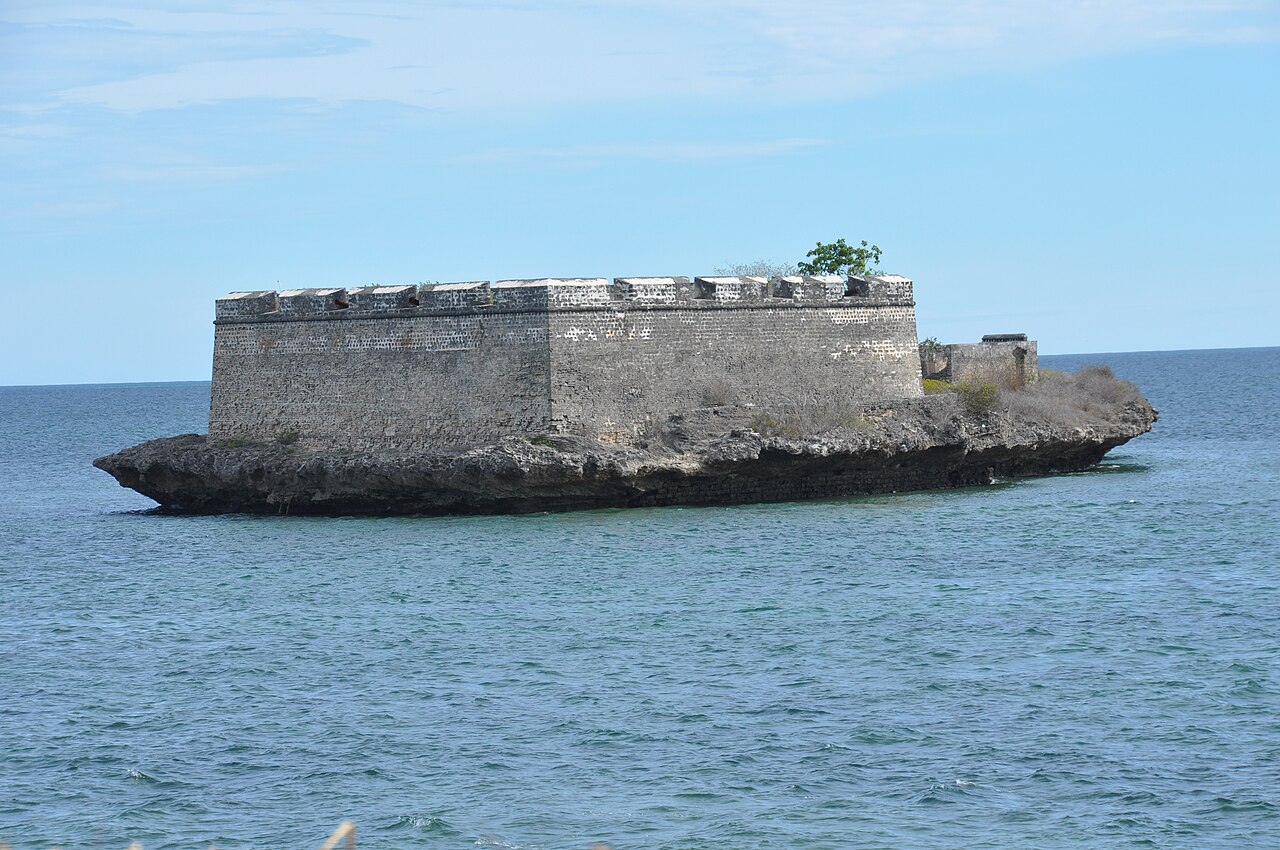
Fort São Sebastião stands prominently at the northern tip of Mozambique Island, within the historic Stone Town area. It is recognized as the oldest complete fort still standing in sub-Saharan Africa, a remarkable testament to early European colonial architecture on the continent. Construction of the fort began in 1558 under Portuguese rule and spanned approximately fifty years, reflecting the strategic importance of Mozambique Island as a key maritime hub in the Indian Ocean trade routes.
Historical significance and construction
The fort was built during the Renaissance period, a time when Portuguese explorers and traders sought to establish fortified outposts along the African coast to protect their interests against rival European powers and local resistance. Its design incorporates elements typical of a bastioned fortress, characterized by angular bastions that allowed defenders to cover all approaches with cannon fire, a cutting-edge military architectural style of the 16th century.
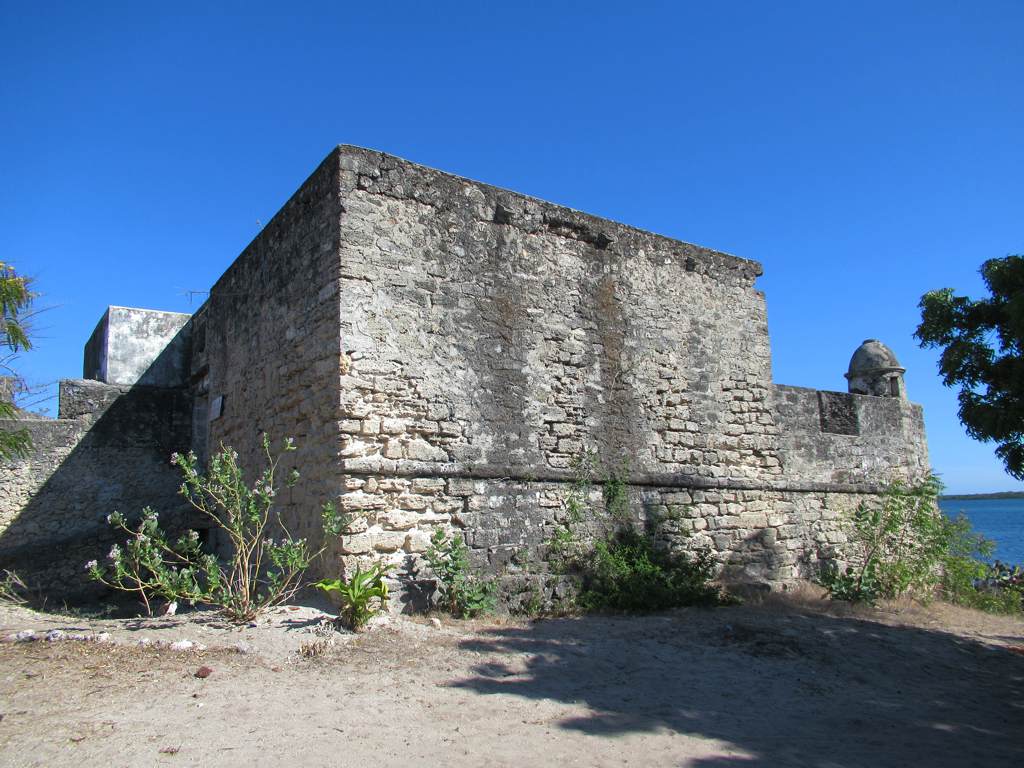
The fort's construction utilized coral stone and lime mortar, materials locally sourced and commonly used in coastal African fortifications. The lengthy construction period reflects the challenges of building such a massive structure in a remote location, as well as the evolving military needs of the Portuguese empire in the region.
Architectural features and layout
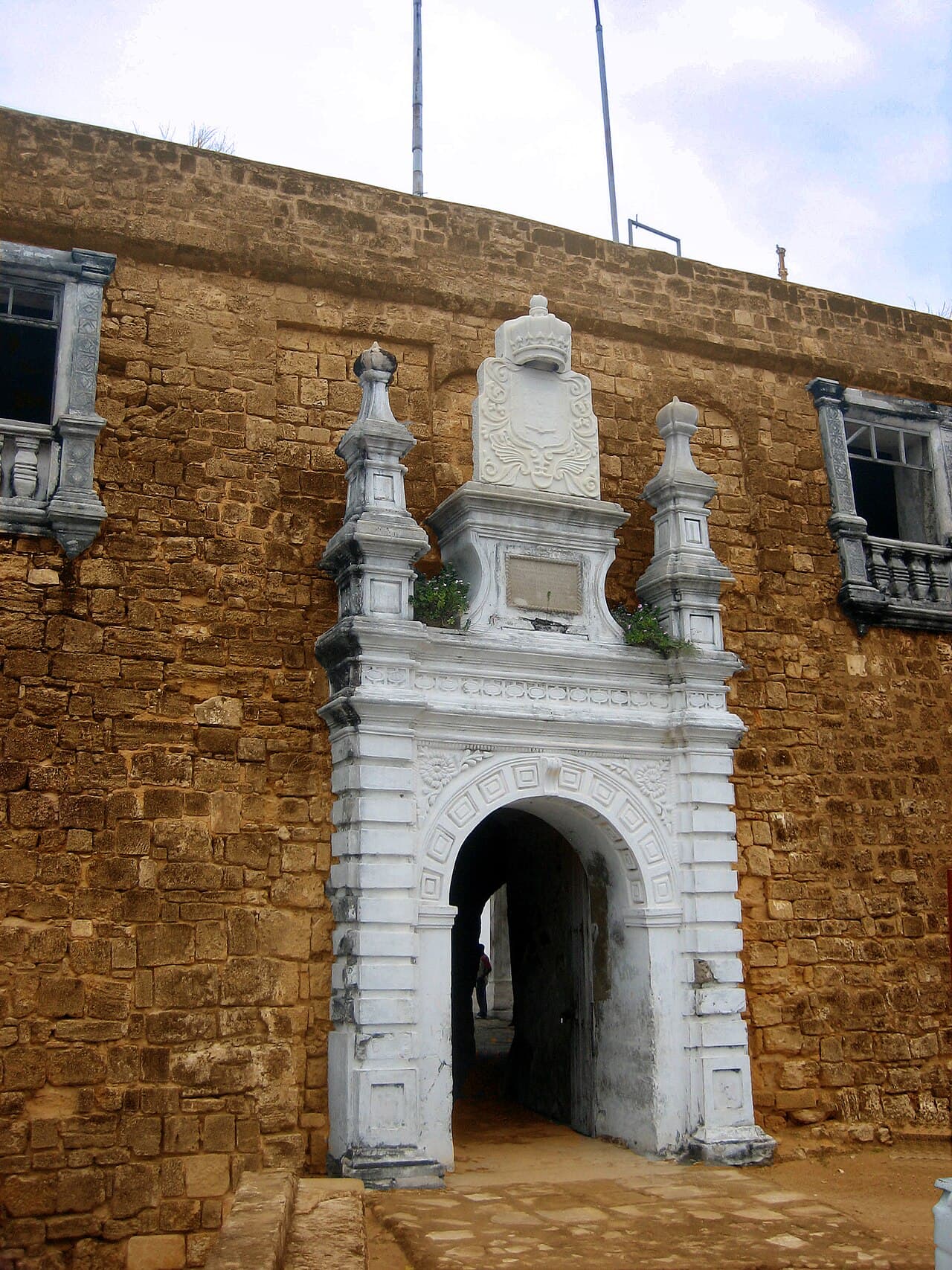
Fort São Sebastião features massive stone walls and bastions designed to withstand cannon bombardment and sieges. The fortress layout includes a central courtyard surrounded by barracks, storage rooms, and defensive structures. Its bastions are positioned to provide overlapping fields of fire, a hallmark of Renaissance military engineering.
Within the fort, visitors can find remnants of the original gunpowder magazine, dungeons, and officers' quarters. The fort's strategic position overlooking the Indian Ocean allowed Portuguese forces to monitor and control maritime traffic effectively.
The chapel of Nossa Senhora de Baluarte
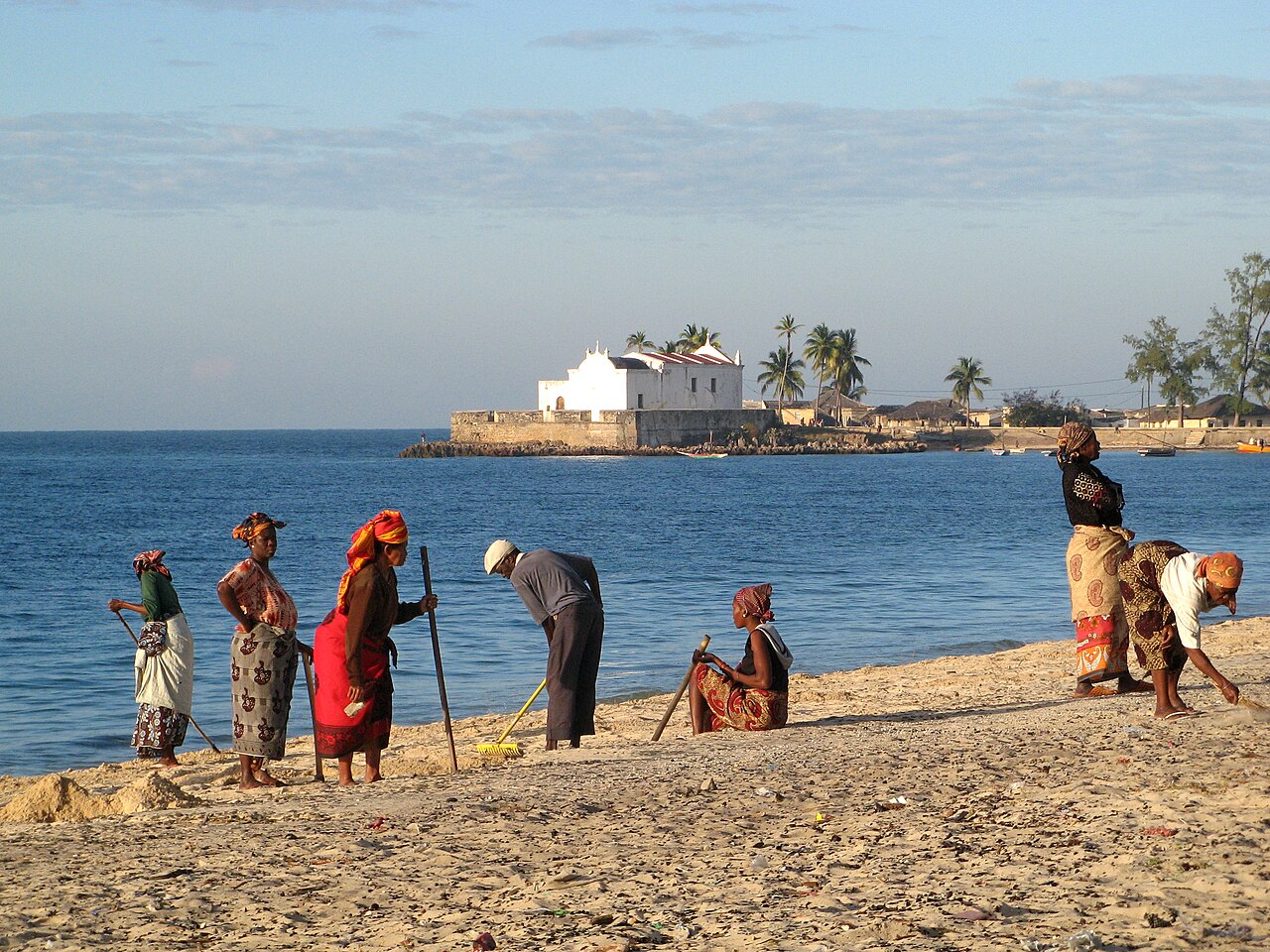
Just outside the fort lies the Chapel of Nossa Senhora de Baluarte, built in 1522. This chapel is considered the oldest European building in the southern hemisphere and is a prime example of Manueline vaulted architecture in Mozambique. Its intricate stonework and vaulted ceilings demonstrate the early introduction of Portuguese architectural styles to East Africa.
The chapel, recently restored, serves as a cultural and historical landmark complementing the military heritage of the fort. It highlights the religious and colonial aspects of Portuguese presence on Mozambique Island.
Role in regional history and heritage
Throughout its history, Fort São Sebastião played a crucial role in the defense of Portuguese interests against rival European powers, Arab traders, and local African kingdoms. Its imposing presence symbolized Portuguese dominance in the region during the height of the Indian Ocean spice trade.
Today, the fort is a significant heritage site, attracting historians, architects, and tourists interested in the early colonial history of East Africa. Its preservation offers insights into Renaissance military architecture adapted to African coastal environments.
Modern cultural significance and tourism
The fort and the chapel have been featured in cultural works, including the 1964 film Africa Addio / Africa Blood and Guts, which documented various aspects of African history and colonial legacies. Visitors to Mozambique Island can explore the fort's extensive grounds, gaining a tangible connection to the complex history of European expansion and African resistance.
Efforts to maintain and restore the fort continue, ensuring that this unique example of a 16th-century bastioned fortress remains accessible for future generations. The site is part of the broader historical fabric of Mozambique Island, which is recognized as a UNESCO World Heritage Site for its blend of African, Arab, and European cultural influences.
Frequently asked questions (FAQ)
- How do I get to Fort São Sebastião?
- Fort São Sebastião is located in the town of Mozambique Island, which can be accessed by road and boat. Visitors can fly into Nampula or Pemba and then take a taxi or local transport to the island. Once on the island, the fort is within walking distance of most accommodations.
- What is the historical significance of Fort São Sebastião?
- Fort São Sebastião, built in the 16th century by the Portuguese, played a crucial role in protecting the trade routes along the Indian Ocean. It is one of the best-preserved examples of Portuguese colonial military architecture in Africa. The fort stands as a testament to the region's colonial history and has been designated a national monument.
- When was Fort São Sebastião constructed?
- Construction of Fort São Sebastião began in 1558 and was completed in the early 17th century. The fort was built to defend against invasions and to secure Portuguese trading interests in the region. Its strategic location on Mozambique Island made it a vital military installation throughout its history.
- Can I visit Fort São Sebastião?
- Yes, Fort São Sebastião is open to visitors who wish to explore its historical architecture and learn about its significance. Guided tours are available, providing insights into the fort's history and its role in the region. Visitors are encouraged to check for any special events or exhibitions that may be taking place during their visit.
- Why is Fort São Sebastião popular among tourists?
- Fort São Sebastião is popular for its rich history, stunning ocean views, and well-preserved architecture. Tourists are drawn to its unique blend of cultural heritage and scenic beauty, making it a perfect spot for photography and exploration. Additionally, its location on Mozambique Island offers a chance to experience local culture and cuisine.
- Is it possible to access Fort São Sebastião with mobility challenges?
- While Fort São Sebastião has some accessible features, the terrain can be uneven, and some areas may be challenging for visitors with mobility issues. It is advisable to contact the site in advance to inquire about specific accessibility options and accommodations. The staff are generally helpful and can provide assistance as needed.
- What are the opening hours for Fort São Sebastião?
- Fort São Sebastião is typically open to visitors from 9 AM to 5 PM, but hours may vary on public holidays. It is recommended to check the official website or contact local tourism offices for the most current information regarding opening times. Arriving early can help avoid crowds and allow for a more enjoyable visit.
- What are the ticket prices for visiting Fort São Sebastião?
- The entrance fee for Fort São Sebastião is generally affordable, making it accessible for most visitors. Prices may vary for locals and international tourists, so it’s best to check the latest rates upon arrival. Some guided tours may have additional costs, but they often include informative insights into the fort's history.
- What nearby attractions should I visit while at Fort São Sebastião?
- While visiting Fort São Sebastião, you can explore other attractions on Mozambique Island, including the beautiful beaches and the local markets. The nearby Church of São Paulo, a historic site, is also worth a visit. Additionally, the island's vibrant culture and delicious seafood cuisine provide a delightful experience for all visitors.
Photo gallery

Photo by Fort_of_Sao_Sebastiao.jpg: Erik Cleves Kristensen derivative work: JotaCartas (talk)•CC BY 2.0
Information
Loading map...
Visitor reviews
No reviews yet. Been here? Write the first review and help other travelers!
Write the first reviewVisited this castle? Share your experience
Your review helps other travelers and adds first-hand knowledge to our encyclopedia.