Fort São Lourenço
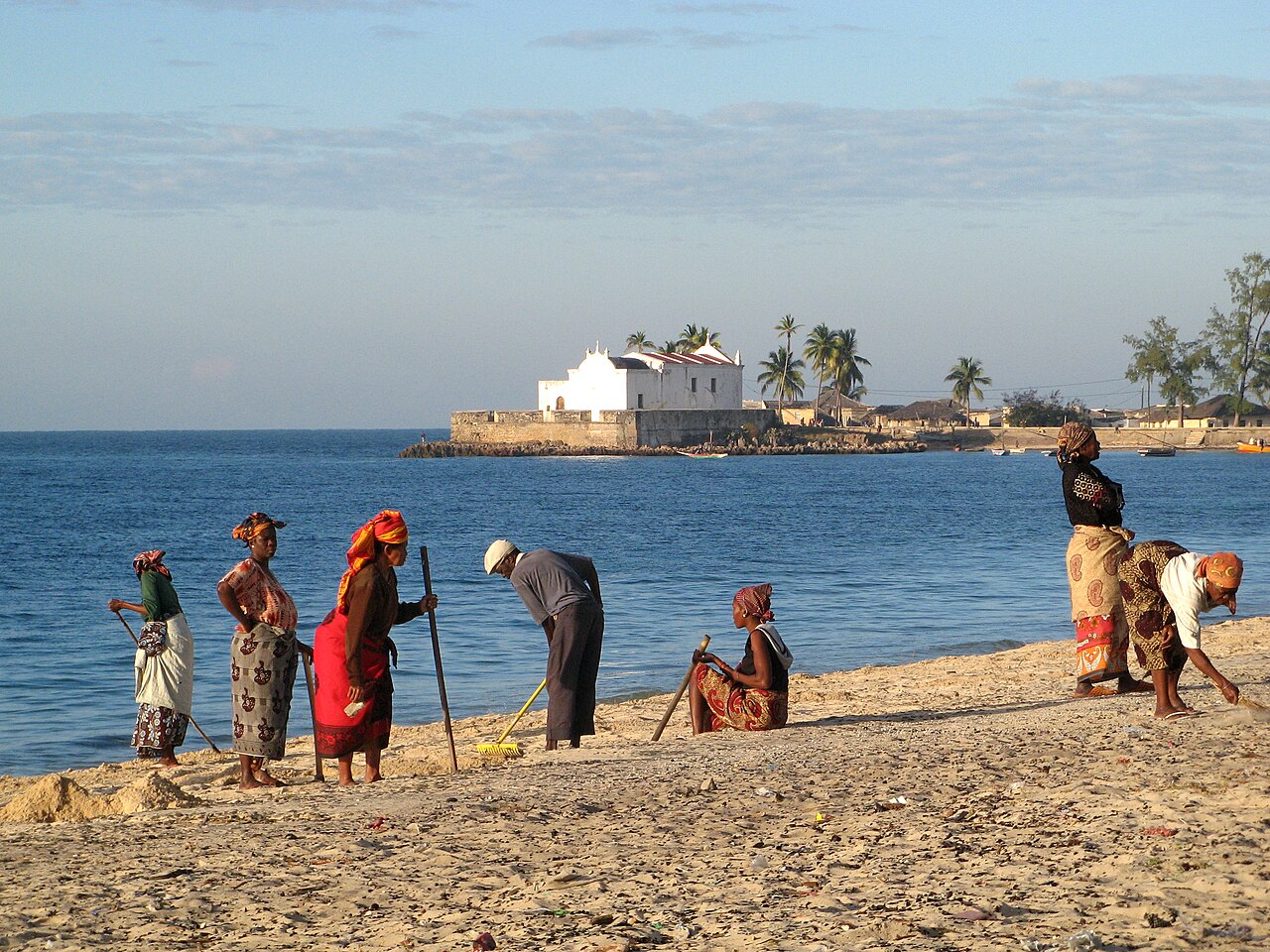
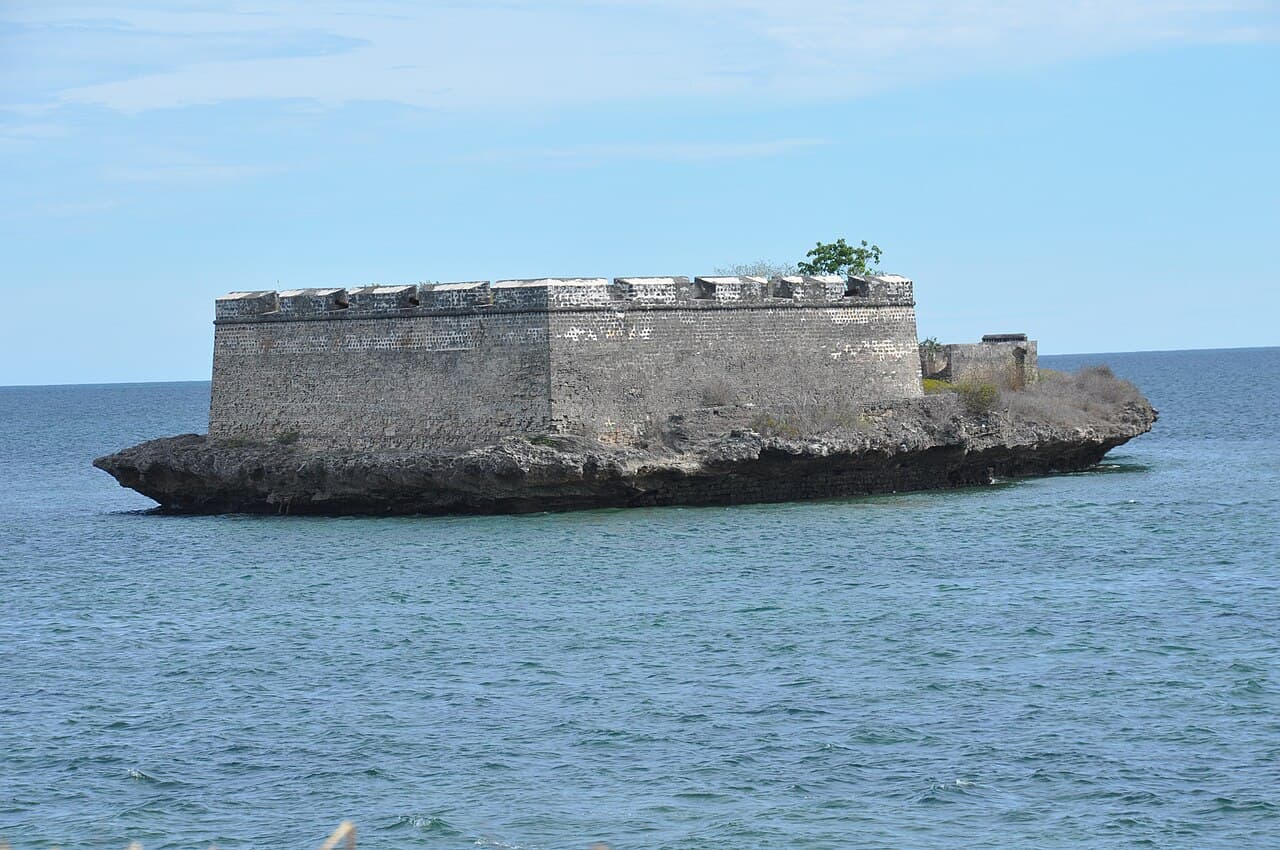
Fort São Lourenço, also known as Fortim de São Lourenço in Portuguese, is a historic bastioned fortress constructed in the 16th century during the Renaissance period. It is situated on the São Lourenço Islet, adjacent to the Island of Mozambique in the province of Nampula, Mozambique. This small fortlet played a strategic role in the defense system established by the Portuguese along the East African coast during their era of maritime expansion and colonial control.
Strategic location and historical context
The fort's location on São Lourenço Islet was chosen for its tactical advantage, overseeing the narrow channels and maritime routes around the Island of Mozambique. The island itself served as a crucial stopover for Portuguese ships traveling between Europe and Asia, particularly India, during the Age of Discovery. Fort São Lourenço was part of a network of fortifications designed to protect Portuguese trade interests and settlements from rival European powers and local resistance.
Architectural features and design
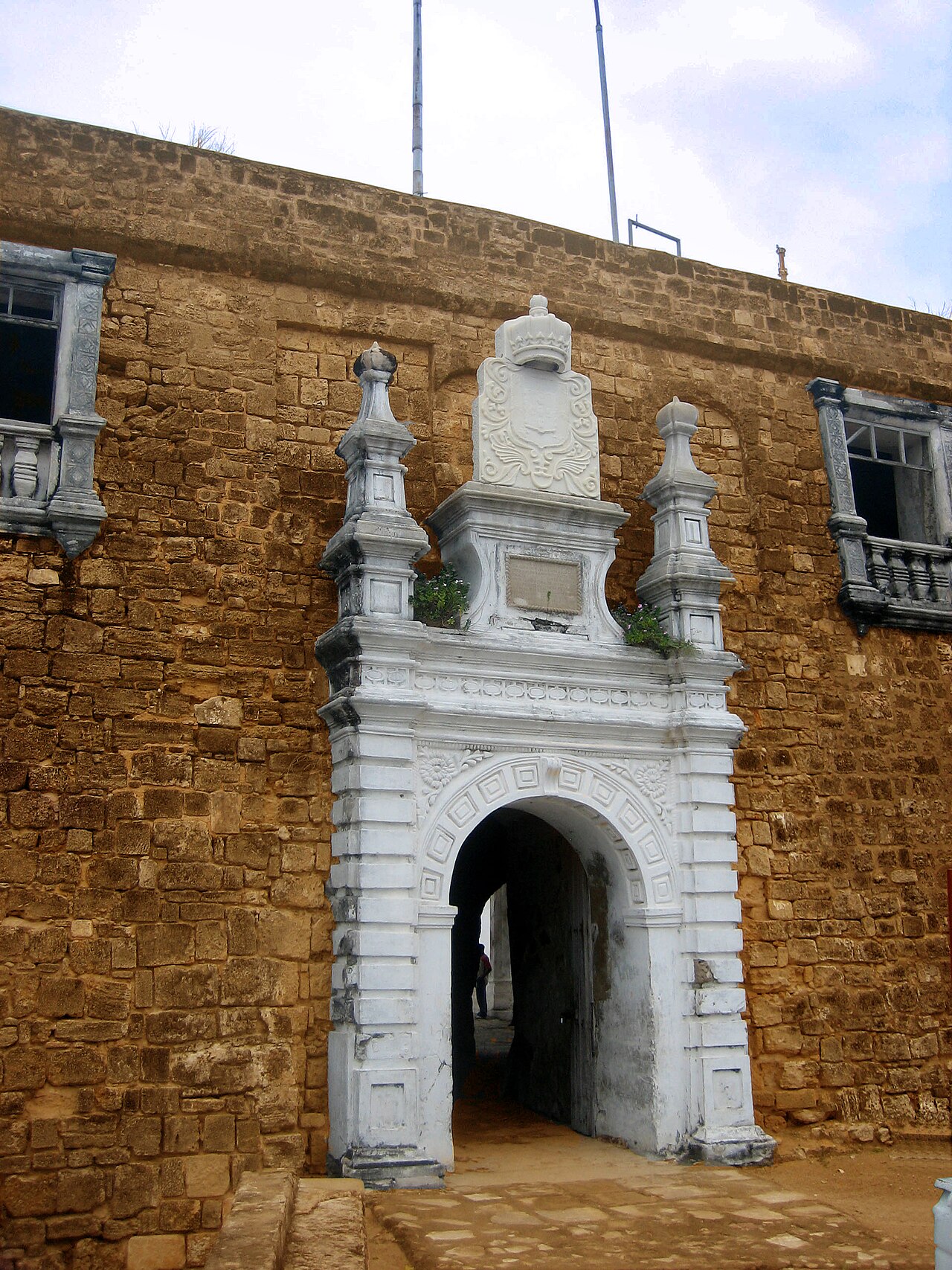
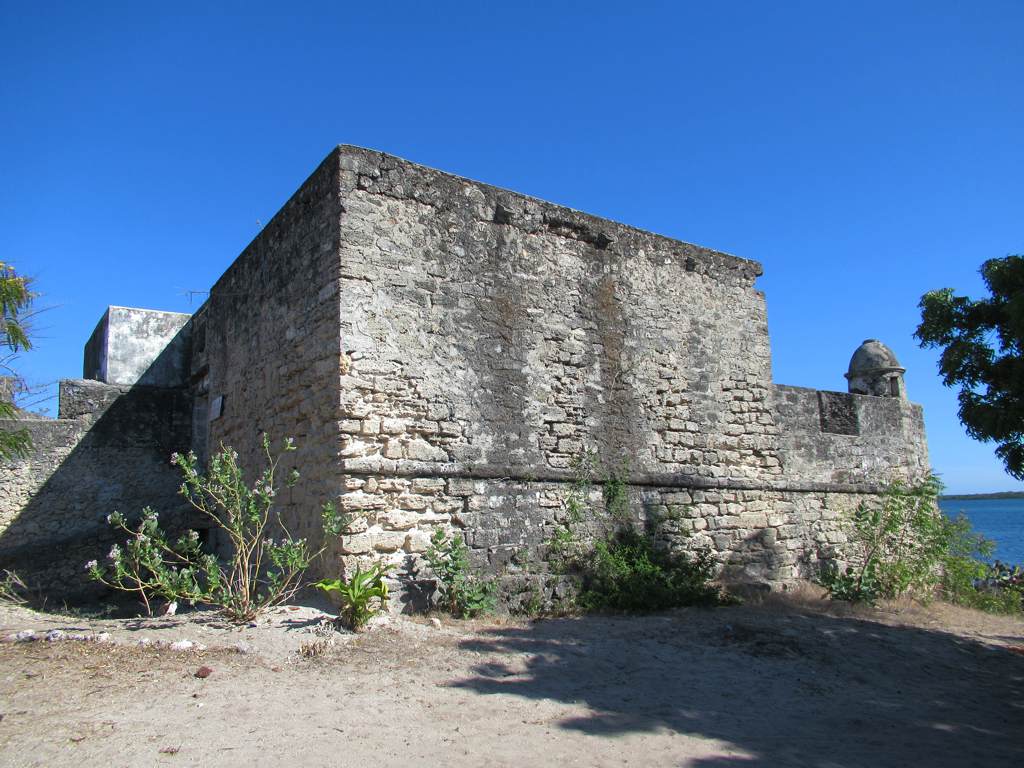
Fort São Lourenço exemplifies the bastioned fortress style, a military architectural design that evolved during the Renaissance to counter the increasing effectiveness of artillery. The fort features angular bastions projecting from its walls, allowing defenders to cover adjacent walls with gunfire and eliminate blind spots. This design was a significant advancement over medieval castles with round towers, providing better defense against cannon fire.
The fort's compact size reflects its function as a fortlet, with thick stone walls and limited internal space. Its construction utilized local materials and Portuguese building techniques adapted to the tropical coastal environment. The fort likely included essential military structures such as gun platforms, barracks, storage rooms, and a small courtyard.
Role in Portuguese colonial defense
During the 16th century, the Portuguese established a stronghold on the Island of Mozambique, which became the capital of Portuguese East Africa. Fort São Lourenço contributed to the overall defensive system protecting this vital colonial outpost. It guarded against potential attacks from rival European powers, including the Dutch and the English, as well as local African groups resisting Portuguese control.
While relatively small, the fort's bastioned design allowed it to mount artillery and provide overlapping fields of fire with nearby fortifications on the island. This network of forts ensured the security of the harbor and the safe passage of Portuguese ships engaged in the lucrative spice and slave trades.
Preservation and current status
Today, Fort São Lourenço remains a significant historical monument, though its condition varies. The fort is recognized for its cultural heritage value as part of the Island of Mozambique, which is a UNESCO World Heritage Site. Efforts to preserve the fort and its surroundings contribute to understanding the Portuguese colonial legacy and the military architecture of the Renaissance period in East Africa.
Visitors to the Island of Mozambique can explore Fort São Lourenço as part of the broader historical landscape, which includes several other forts, churches, and colonial-era buildings that illustrate the complex history of the region.
Architectural legacy and influence
Fort São Lourenço is an example of how European military architectural styles were adapted to new environments and strategic needs during the Renaissance. The bastioned fortress design represented a shift from medieval fortifications to modern artillery-resistant structures, influencing fort construction worldwide.
The fort's presence in Mozambique highlights the global reach of Portuguese maritime power and the spread of Renaissance military engineering techniques beyond Europe. It stands as a testament to the interconnected history of Africa, Europe, and Asia during the early modern period.
Frequently asked questions (FAQ)
- What is the historical significance of Fort São Lourenço?
- Fort São Lourenço, built in the 16th century, is one of the oldest surviving structures in Mozambique, serving as a vital defense against pirates and enemies during the colonial period. It represents the strategic military architecture of the time and is a testament to the Portuguese influence in East Africa. The fort's preservation allows visitors to glimpse the colonial history and the turbulent past of the region.
- When was Fort São Lourenço built?
- Fort São Lourenço was constructed between 1558 and 1563. It was designed to protect the harbor of Mozambique Island and served as a key military installation for over three centuries. Its construction reflects the architectural styles and defensive strategies of the era.
- Can I visit Fort São Lourenço?
- Yes, Fort São Lourenço is open to visitors, allowing you to explore its historical grounds and learn about its significance. Guided tours are often available, providing a deeper understanding of the fort's history and architecture. Be sure to check local guidelines for any visitor restrictions or requirements.
- What are the opening hours for Fort São Lourenço?
- Fort São Lourenço typically opens daily from 9 AM to 5 PM, but it is advisable to check for any seasonal variations or special events that may affect these hours. Early morning visits can provide a quieter experience as you explore the fort. Plan your visit accordingly to make the most of your time there.
- Is it possible to get guided tours of Fort São Lourenço?
- Yes, guided tours are available and are highly recommended for a comprehensive understanding of the fort's history and architectural details. Knowledgeable guides can provide fascinating insights into the fort's role in Mozambique's history. Be sure to inquire about tour times upon arrival.
- What is the best time to visit Fort São Lourenço?
- The best time to visit Fort São Lourenço is during the dry season, from May to October, when the weather is cooler and more pleasant for outdoor exploration. This period offers clear skies and lower humidity, making your visit more enjoyable. Additionally, visiting during weekdays may help you avoid larger crowds.
- Are there any nearby attractions to Fort São Lourenço?
- Yes, there are several nearby attractions, including the historic city of Mozambique Island, which features colonial architecture and vibrant local culture. The nearby Church of St. Paul and the Museum of the Island of Mozambique are also worth exploring. These sites complement your visit to Fort São Lourenço and provide a broader understanding of the area's history.
- What are the ticket prices for Fort São Lourenço?
- Ticket prices for Fort São Lourenço are generally affordable, with discounts available for students and children. It is advisable to check the official website or local information for the most current pricing details. Purchasing tickets at the entrance is typically straightforward, but consider arriving early during peak tourist seasons.
- Is Fort São Lourenço accessible for visitors with disabilities?
- Fort São Lourenço has made efforts to improve accessibility, but visitors with disabilities should check in advance for specific accommodations. While some areas may be challenging due to the fort's historical design, staff can provide assistance as needed. It is recommended to contact the fort's management for additional information on accessibility options.
Photo gallery

Photo by USAID U.S. Agency for International Development•Public domain
Information
Loading map...
Visitor reviews
No reviews yet. Been here? Write the first review and help other travelers!
Write the first reviewVisited this castle? Share your experience
Your review helps other travelers and adds first-hand knowledge to our encyclopedia.