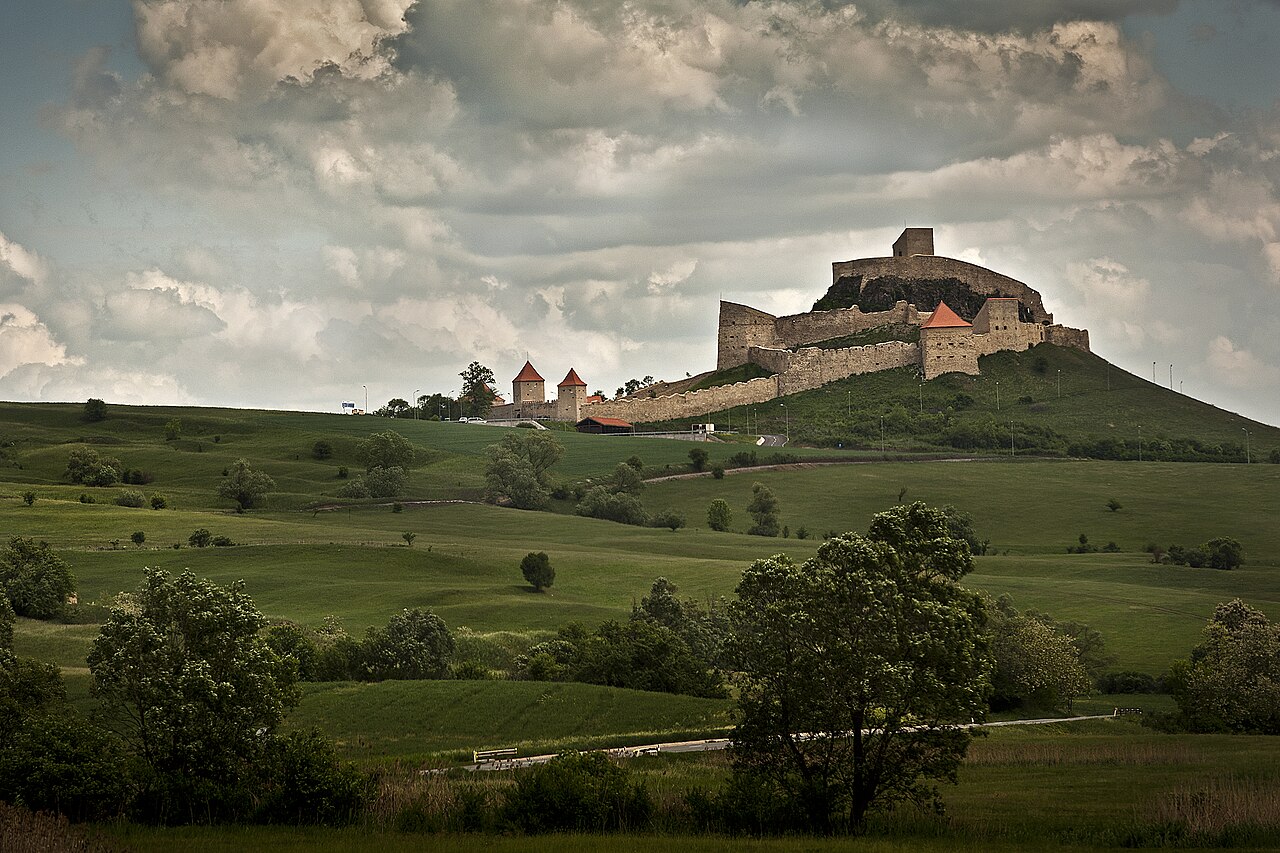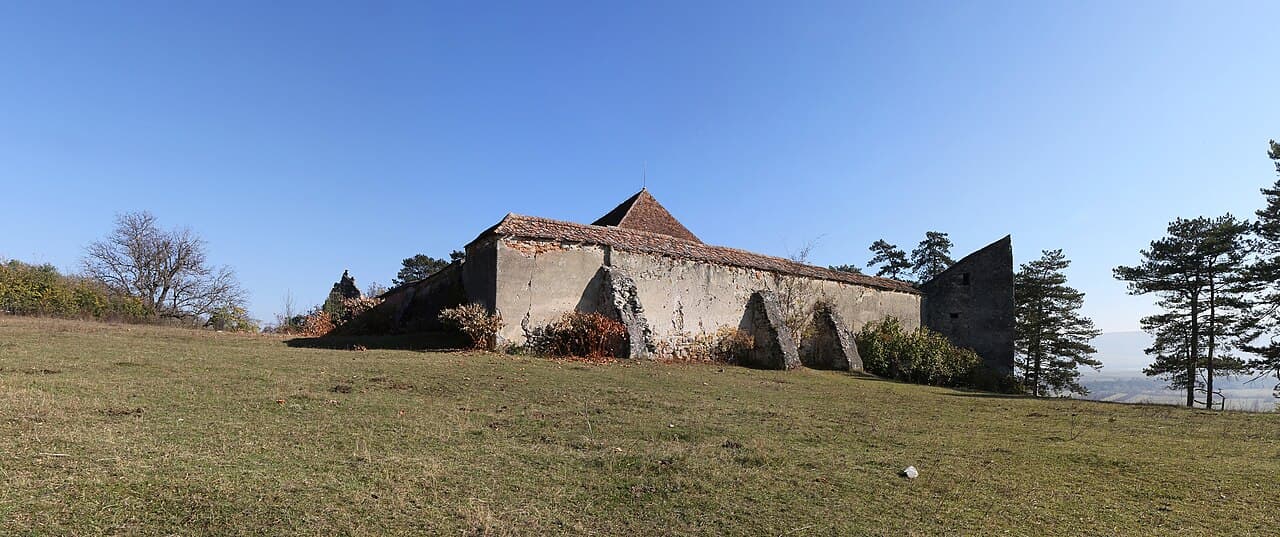
Fortified church in Ungra
The fortified church in Ungra is a notable example of a bastioned fortress type structure located in Romania, specifically within the historical region of Transylvania. This fortified church represents a unique architectural form that blends religious and defensive functions, a characteristic feature of many Transylvanian Saxon communities during the medieval period.
Historical context and significance
Fortified churches like the one in Ungra were primarily constructed between the 14th and 16th centuries as a response to frequent invasions and raids, particularly by Ottoman forces and other marauders. These structures served as places of worship and as safe havens for the local population during times of conflict. The fortified church in Ungra exemplifies this dual role, reflecting the turbulent history of Transylvania during the late medieval period.
Architectural features and defensive elements
The church is surrounded by a robust defensive wall equipped with bastions, a feature that distinguishes it from simpler fortified churches. These bastions allowed defenders to cover the perimeter effectively and provided vantage points for surveillance and defense. The walls are typically thick and constructed from local stone, designed to withstand sieges and attacks.
Bastions and curtain walls
The bastions are strategically placed to enable overlapping fields of fire, a common military architectural technique in fortress design. Curtain walls connect these bastions, forming a continuous defensive barrier around the church and its associated buildings.
Additional defensive structures
Other defensive features likely include narrow windows or arrow slits, a fortified gatehouse, and possibly a moat or ditch, although specifics for Ungra are less documented. The church itself often has thick walls and small windows, making it a defensible refuge.
Architectural style and construction period
The fortified church in Ungra is primarily associated with the late medieval period and exhibits architectural elements typical of the Gothic style as adapted by the Transylvanian Saxons. This includes pointed arches, ribbed vaults, and buttresses integrated into the defensive design. The construction likely dates from the 15th to 16th centuries, consistent with the period when many such churches were fortified.
Cultural and heritage importance
This church is part of the broader network of Transylvanian Saxon fortified churches, which are recognized for their cultural and historical value. These churches are emblematic of the Saxon communities' resilience and their architectural ingenuity in combining sacred and military functions. The fortified church in Ungra contributes to this heritage, reflecting the socio-political realities of medieval Transylvania.
Current condition and preservation
The church is generally well preserved or partially restored, maintaining much of its original defensive and ecclesiastical architecture. Preservation efforts focus on maintaining the integrity of the bastions and curtain walls, as well as the church structure itself, to ensure its continued role as a historical monument and a place of local cultural identity.
Visiting information and accessibility
Visitors to the fortified church in Ungra can explore the defensive walls and the church interior, gaining insight into medieval fortress architecture and religious life. Opening hours and ticket prices vary, but typically such sites are accessible during daytime hours with modest entrance fees or donations supporting conservation.
Frequently asked questions (FAQ)
- What is the historical significance of the fortified church in Ungra?
The church served as both a place of worship and a defensive refuge for the local community during the late medieval period, reflecting the region's turbulent history. - When was the fortified church in Ungra built?
Construction dates mainly to the 15th and 16th centuries, aligning with the period of heightened fortification of churches in Transylvania. - Can visitors explore the defensive bastions?
Yes, the bastions and surrounding walls are accessible to visitors, offering views of the defensive architecture and the surrounding landscape. - What architectural style characterizes the church?
The church exhibits Gothic architectural features adapted for defense, including pointed arches and thick stone walls. - Is the fortified church in Ungra part of a larger heritage network?
Yes, it is one of many Transylvanian Saxon fortified churches recognized for their cultural and historical importance in Romania.
Frequently asked questions (FAQ)
- How do I get to the Fortified Church in Ungra?
- The Fortified Church in Ungra is located in the village of Ungra, Romania. You can reach it by car or public transport from nearby cities, with regular bus services available. It’s advisable to check local transport schedules for the most accurate information.
- What is the historical significance of the Fortified Church in Ungra?
- The Fortified Church in Ungra dates back to the 13th century and served as a vital place of worship and defense for the local community. It reflects the unique architectural style of the Transylvanian Saxons and has been designated as a historic monument, showcasing the region's rich cultural heritage.
- When was the Fortified Church in Ungra built?
- Construction of the Fortified Church began in the 13th century, with significant alterations occurring in the following centuries. Its architecture combines elements from the Gothic and Romanesque styles, making it a fascinating example of medieval architecture in Romania.
- Can I take photographs inside the church?
- Yes, visitors are generally allowed to take photographs inside the Fortified Church, but it's best to check for any specific restrictions upon arrival. Remember to be respectful of the place and other visitors while capturing your memories.
- Why is the Fortified Church a popular tourist attraction?
- The Fortified Church in Ungra is popular due to its stunning architecture, historical significance, and picturesque setting. Visitors are drawn to its unique blend of cultural history and beautiful surroundings, making it an ideal spot for both history enthusiasts and casual tourists.
- Is it possible to access the Fortified Church with a wheelchair?
- Access to the Fortified Church may be limited for visitors with mobility issues due to its historical architecture and uneven terrain. It’s recommended to contact the site in advance to inquire about specific accessibility options and assistance available.
- What are the opening hours for the Fortified Church in Ungra?
- The Fortified Church typically opens to visitors during the day, but exact hours may vary seasonally. It is advisable to check the official website or contact local tourism offices for the most current information on opening hours before your visit.
- What are the ticket prices for visiting the Fortified Church?
- Entry to the Fortified Church in Ungra is usually free, but donations are welcomed to help maintain the site. Some guided tours may have a small fee, so it's best to check in advance for any associated costs during your visit.
- What are some nearby attractions to visit after the Fortified Church?
- After visiting the Fortified Church, you can explore other nearby attractions such as the medieval town of Sighisoara and the picturesque landscapes of the Apuseni Mountains. These locations offer a perfect blend of history, culture, and natural beauty, making them ideal for a day trip.
Photo gallery

Information
Loading map...
Visitor reviews
No reviews yet. Been here? Write the first review and help other travelers!
Write the first reviewVisited this castle? Share your experience
Your review helps other travelers and adds first-hand knowledge to our encyclopedia.