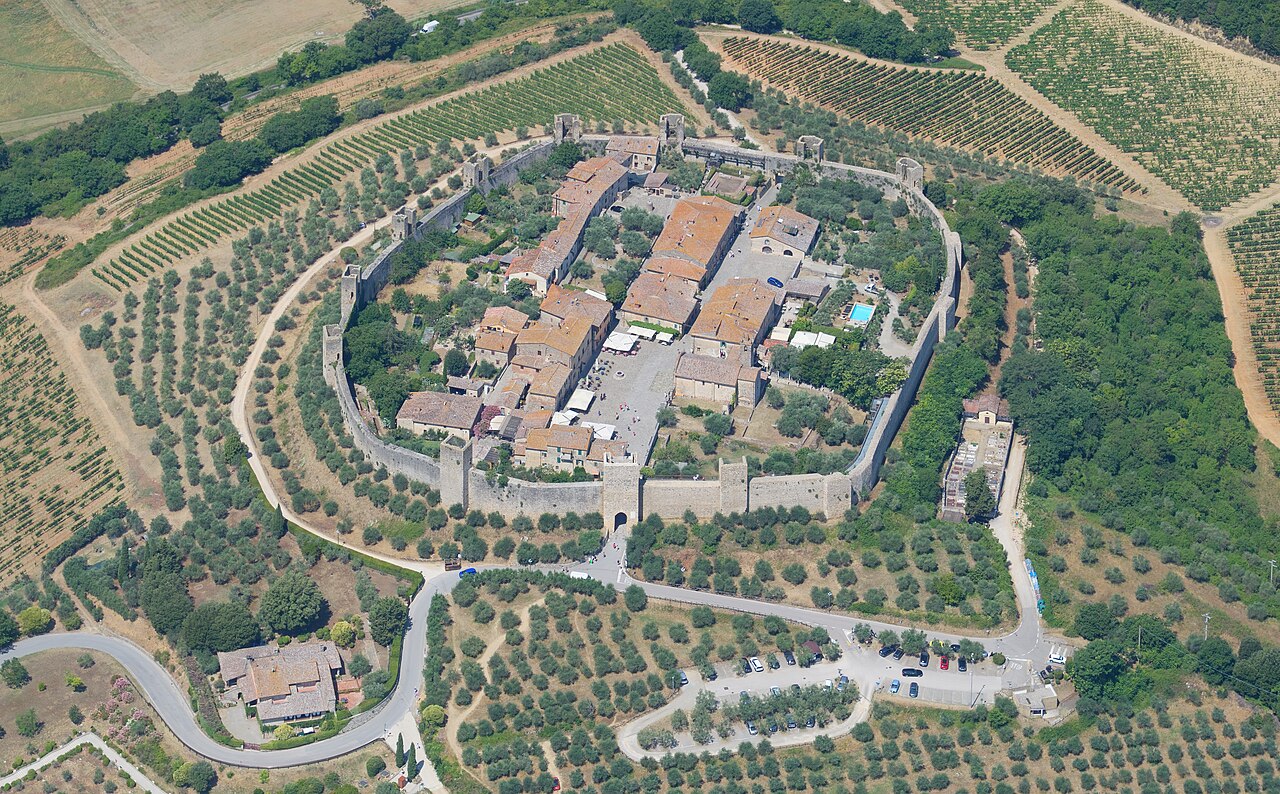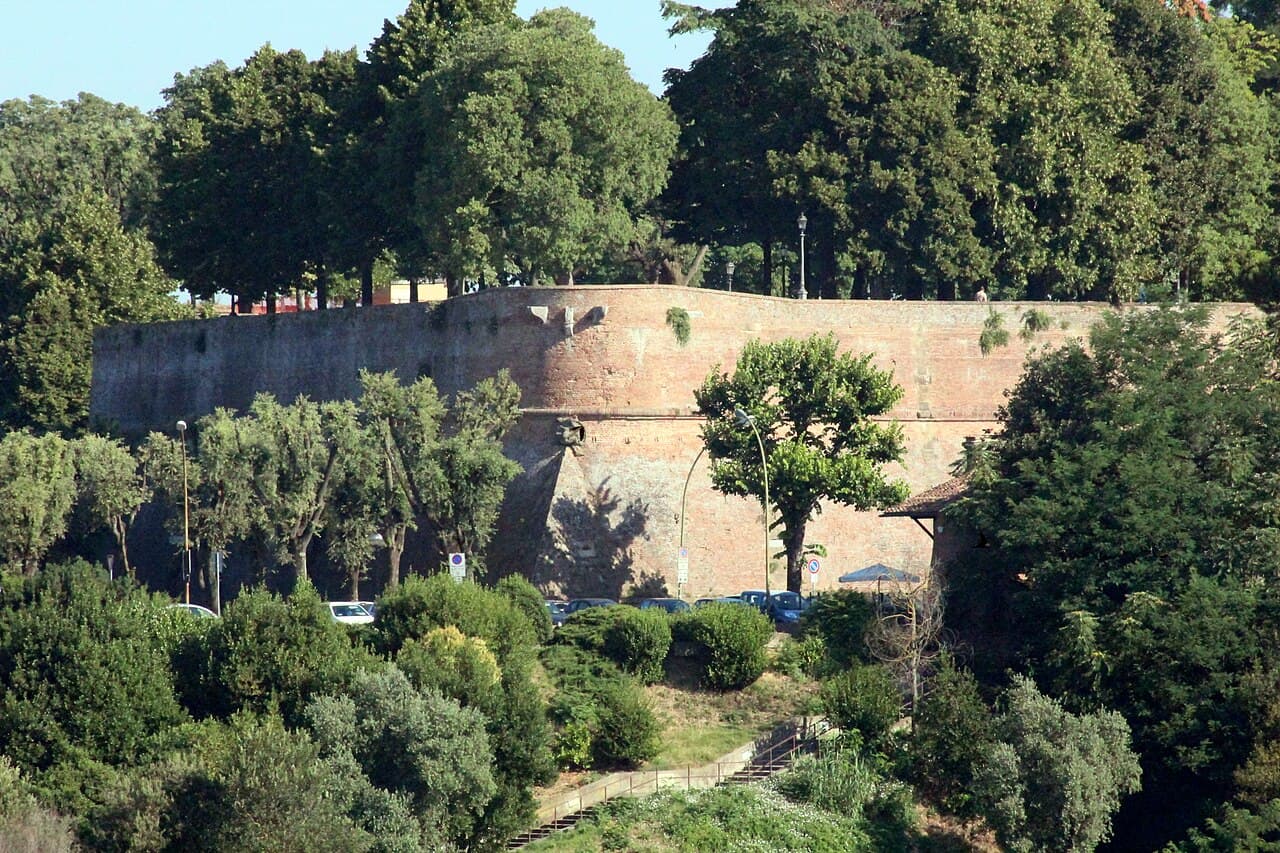
Fortezza Medicea, also known as the Medici Fortress or the Fort of Saint Barbara, is a prominent Renaissance bastioned fortress located in the historic city of Siena, Italy. Constructed between 1561 and 1563 under the orders of Duke Cosimo I de' Medici, this fortress was part of a strategic effort to consolidate Medici power in Tuscany shortly before Cosimo became the first Grand Duke of Tuscany.
The fortress occupies a commanding position on the northern edge of Siena's historic center, specifically in the Terzo of Camollia, adjacent to the neighborhood of San Prospero. Since 1923, it has overlooked the city's Artemio Franchi/Montepaschi Arena, a key landmark in modern Siena.
Historical context and construction
The 16th century was a period marked by political upheaval and military innovation in Italy. The Medici family, having risen to power in Florence, sought to strengthen their control over the region of Tuscany, including Siena, which had been an independent republic until its conquest in 1555. The construction of the Fortezza Medicea was a direct response to the need for a modern military stronghold capable of withstanding artillery sieges, a relatively new threat in fortress design at the time.
Commissioned by Duke Cosimo I, the fortress was designed with the latest principles of military architecture, emphasizing bastioned fortifications that could better resist cannon fire. The design incorporated angled bastions projecting outward from the main walls, allowing defenders to cover adjacent walls with gunfire, eliminating blind spots. This style was a significant evolution from medieval castle designs and reflected the influence of the Italian Renaissance military engineering.
Architectural features and layout
The Fortezza Medicea is characterized by its massive stone walls and angular bastions at each corner, which provided overlapping fields of fire. The fortress is roughly rectangular in plan, with four bastions named after saints or symbolic figures, including the prominent Saint Barbara Bastion, named after the patron saint of artillerymen.
The walls are punctuated by casemates and gun embrasures, designed to house artillery pieces and protect the gunners. The fortress also includes a moat, which added an additional layer of defense, although its use was more symbolic by the time of construction due to advances in siege tactics.
Inside the fortress, there were barracks, magazines for storing gunpowder and supplies, and command quarters. The layout was functional, prioritizing military utility over residential comfort, reflecting its primary role as a defensive structure rather than a noble residence.
Role in siena's history
After Siena's fall to the Medici in 1555, the fortress served as a symbol and instrument of Medici dominance, controlling the city and suppressing potential rebellions. Its presence was a constant reminder of the new political order imposed on Siena.
Over the centuries, the Fortezza Medicea's military importance declined with changes in warfare and political structures. By the 19th and 20th centuries, it had been repurposed for various uses, including as a prison and later as a public park and cultural venue.
Modern use and preservation
Today, the Fortezza Medicea is a well-preserved example of Renaissance bastioned fortress architecture. It serves as a public space hosting cultural events, exhibitions, and concerts, integrating Siena's rich historical heritage with contemporary community life.
The fortress's preservation has been a priority for local authorities, ensuring that its architectural integrity and historical significance are maintained. Visitors can explore its walls, bastions, and interior spaces, gaining insight into the military and political history of Renaissance Tuscany.
Architectural significance in the renaissance military context
The design of the Fortezza Medicea reflects the broader evolution of military architecture during the Renaissance, when the introduction of gunpowder and artillery necessitated new defensive strategies. The bastioned style, with its angular walls and overlapping fields of fire, became a standard across Europe, influencing fortress construction for centuries.
Its construction under the direction of Medici leadership highlights the intersection of political power and military innovation in 16th-century Italy. The fortress not only provided defense but also projected the authority and modernity of the Medici regime.
Visiting information
The Fortezza Medicea is accessible to the public and offers a unique opportunity to explore a significant military monument within the urban fabric of Siena. Visitors can walk along the ramparts, visit exhibition spaces, and enjoy panoramic views of the city and surrounding Tuscan landscape.
Its location near the Artemio Franchi/Montepaschi Arena makes it a convenient stop for tourists exploring Siena's historic center. The fortress is often included in guided tours that cover Siena's medieval and Renaissance heritage.
Photo gallery

Information
Current owner
Municipality of Siena
Loading map...
Visitor reviews
No reviews yet. Been here? Write the first review and help other travelers!
Write the first reviewVisited this castle? Share your experience
Your review helps other travelers and adds first-hand knowledge to our encyclopedia.