Fortezza da Basso
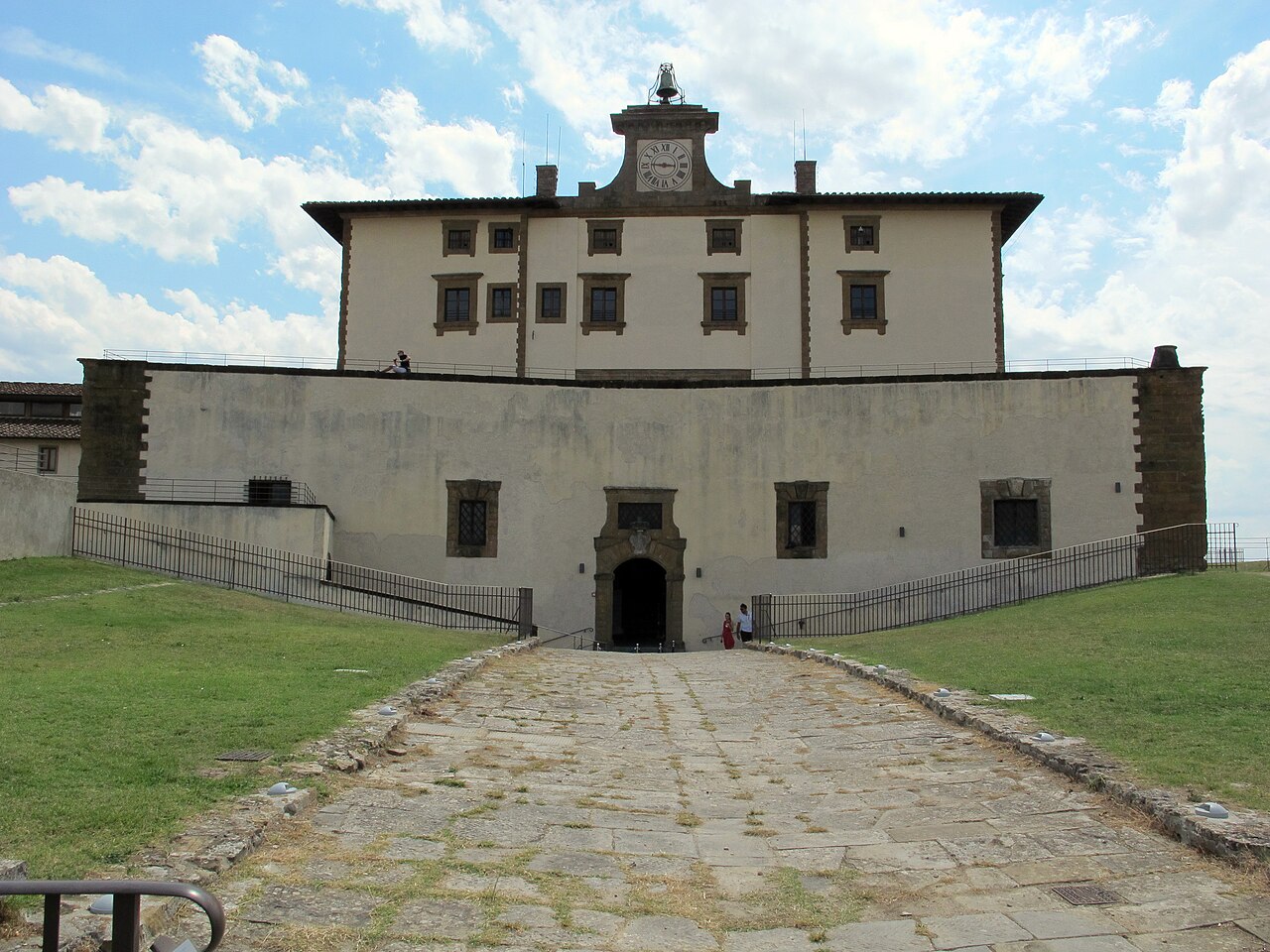
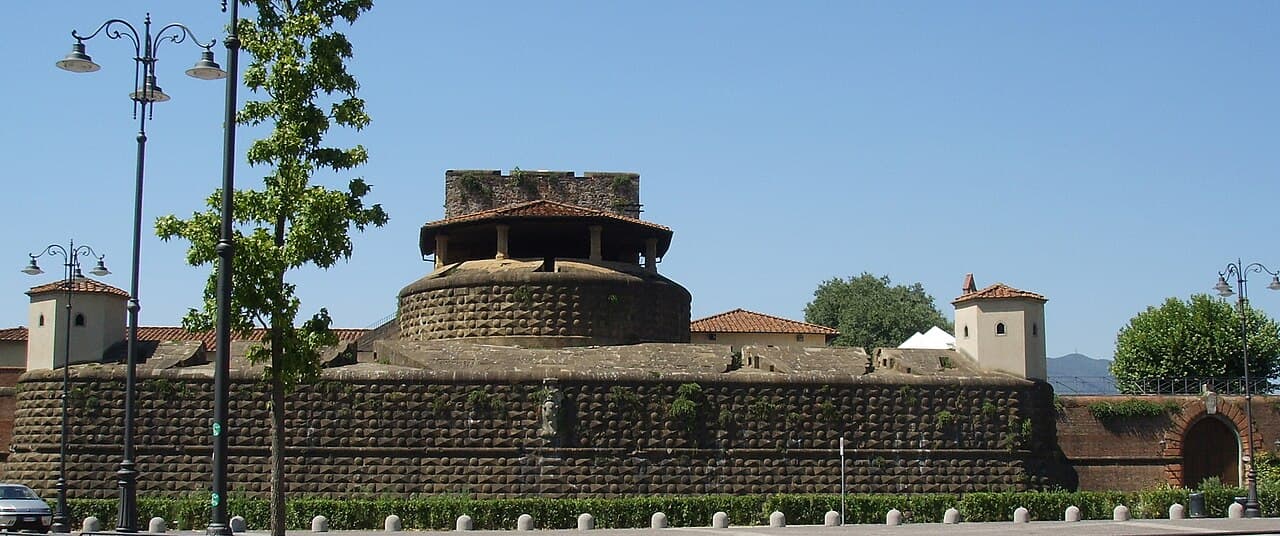
Fortezza da Basso, officially known as the Fortress of Saint John the Baptist (Fortezza di San Giovanni Battista), is a prominent Renaissance bastioned fortress located in Florence, Italy. Constructed in the 16th century, it was designed as a military stronghold integrated into the city's defensive walls dating back to the 14th century. The fortress represents a significant example of Renaissance military architecture, characterized by its massive bastions, thick walls, and strategic layout optimized for artillery defense.
Historical context and construction
The Fortezza da Basso was commissioned by the ruling Medici family, specifically under the reign of Cosimo I de' Medici, Grand Duke of Tuscany, who sought to strengthen Florence's defenses during a period of political unrest and external threats. The fortress was designed by the architect Benedetto da Rovezzano and later completed by other engineers specializing in fortifications. Its construction began around 1534 and was completed by the mid-16th century, reflecting the shift in military architecture necessitated by the use of gunpowder and cannons.
Architectural features
The fortress exemplifies the bastioned fort design typical of the Renaissance, featuring angular bastions that protrude from the main walls, allowing defenders to cover adjacent walls with crossfire. The walls are constructed from robust stone and brick masonry, designed to absorb and deflect cannon fire. The fortress encloses a large internal courtyard and includes several gates and ravelins (detached triangular fortifications) that enhance its defensive capabilities.
Its layout is roughly square, with four main bastions at each corner named after religious and military figures, and surrounded by a moat that was originally filled with water. The fortress also includes underground passages and storage rooms for munitions. The design reflects the influence of Italian military engineers who adapted medieval fortifications to the demands of early modern warfare.
Role and evolution through history
Initially built for defense, the Fortezza da Basso played a crucial role in protecting Florence from invasions and internal uprisings. Over the centuries, its military function diminished as warfare evolved and the city expanded beyond its walls. By the 19th and 20th centuries, the fortress was repurposed as a venue for public events.
Today, the fortress covers nearly 100,000 square meters and serves as a major exhibition and conference center. It hosts internationally renowned events such as Pitti Immagine, a leading fashion industry trade show, along with concerts, fairs, and cultural exhibitions. Its spacious halls and preserved historic architecture provide a unique setting that blends heritage with contemporary use.
Preservation and current condition
The Fortezza da Basso is well preserved, with its bastions, walls, and gates maintained to retain their historical integrity. Restoration efforts have ensured the fortress remains structurally sound while adapting parts of the interior for modern functions. It stands as a testament to Florence's rich history and architectural innovation during the Renaissance.
Visiting the fortress
Visitors to Florence can explore the fortress grounds during various public events and exhibitions. While the fortress itself is primarily a functional exhibition space, its imposing walls and bastions are accessible for viewing and photography. The site offers insight into Renaissance military engineering and the historical development of Florence's urban landscape.
The fortress is located near the city center, making it easily reachable by public transport and within walking distance of other Florence landmarks. Visitors interested in military architecture, Renaissance history, or cultural events will find Fortezza da Basso a noteworthy destination.
Frequently asked questions (FAQ)
- How do I get to Fortezza da Basso?
- Fortezza da Basso is conveniently located in the heart of Florence, easily accessible by public transport. You can take a bus or tram to the nearby stops and enjoy a short walk to the castle.
- What is the historical significance of Fortezza da Basso?
- Fortezza da Basso was constructed in the 16th century as a military fortification for the Medici family. Its strategic location and robust architecture played a crucial role in the defense of Florence during various conflicts.
- When was Fortezza da Basso built?
- Construction of Fortezza da Basso began in 1534 and was completed in 1560. The fortress was designed by the renowned architect Giovanni Battista di Sangallo the Younger and reflects the Renaissance military architecture style.
- Can I access the interior of Fortezza da Basso?
- Yes, the interior of Fortezza da Basso is accessible to visitors, especially during exhibitions and events. It often hosts various cultural events, trade fairs, and exhibitions throughout the year.
- Why is Fortezza da Basso a popular tourist destination?
- Fortezza da Basso is popular for its rich history, stunning architecture, and vibrant event calendar. Visitors appreciate the opportunity to explore its grounds and learn about its role in Florence's history.
- Is it possible to visit Fortezza da Basso year-round?
- Yes, Fortezza da Basso is open year-round, but specific access may vary depending on events and exhibitions. It is advisable to check the official calendar before planning your visit.
- What are the opening hours for Fortezza da Basso?
- Fortezza da Basso generally opens at 9 AM, but closing times can vary based on events. During exhibitions, it may remain open until 8 PM, so checking the schedule ahead of your visit is recommended.
- What are the ticket prices for visiting Fortezza da Basso?
- Ticket prices for Fortezza da Basso vary depending on the events hosted at the venue. Many exhibitions are free or have a nominal fee, while special events may require a higher ticket price.
- What are some nearby attractions to visit after Fortezza da Basso?
- After visiting Fortezza da Basso, you can explore other nearby attractions such as the Basilica di Santa Maria Novella, the Mercato Centrale, and the stunning gardens of the Boboli Gardens. These sites offer a glimpse into Florence's rich culture and history.

Information
Current owner
Municipality of Florence
Loading map...
Visitor reviews
No reviews yet. Been here? Write the first review and help other travelers!
Write the first reviewVisited this castle? Share your experience
Your review helps other travelers and adds first-hand knowledge to our encyclopedia.