Castello di Torregalli
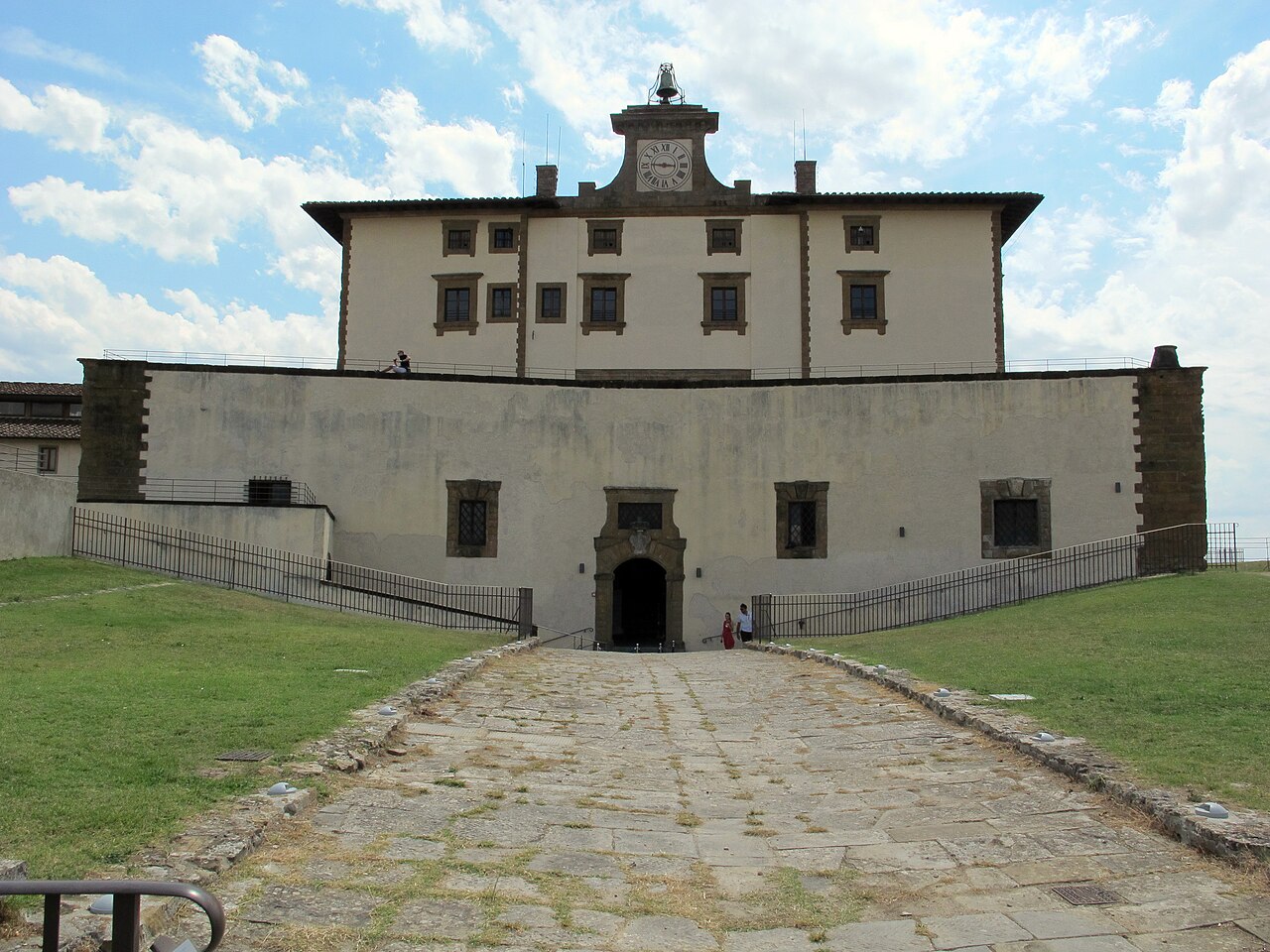
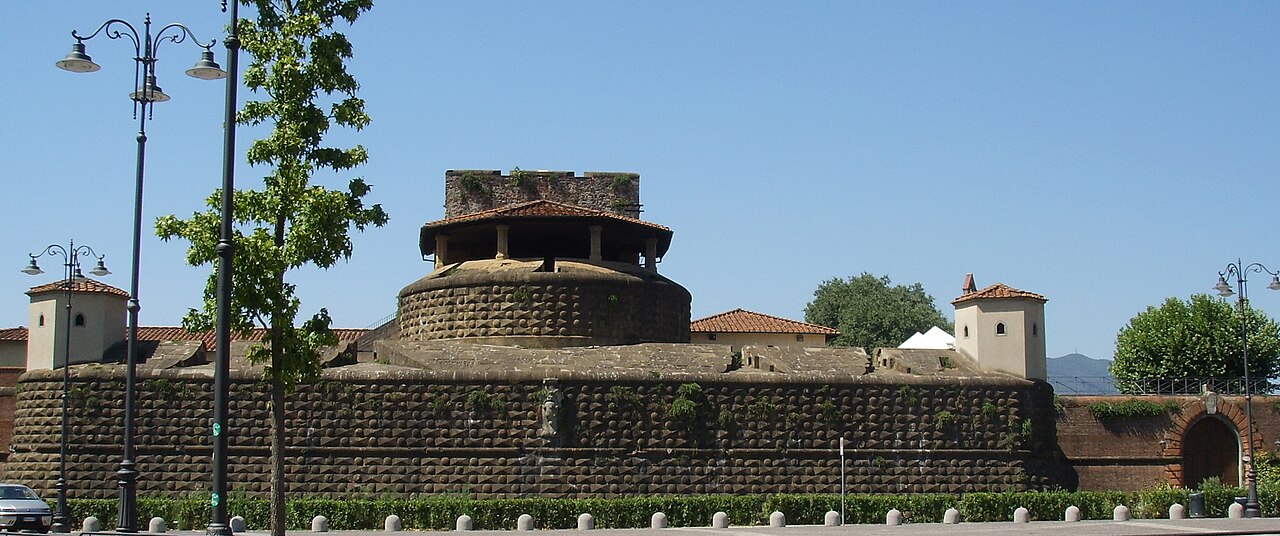
The Castello di Torregalli, also known as Torre Galli, is a remarkable historic estate located near Florence in the Tuscany region of Italy. This site exemplifies the architectural and cultural evolution from a medieval defensive structure to a refined Renaissance villa, reflecting centuries of Italian history and artistic development. Originally part of a strategic defensive network along the ancient Moscianese road in the Soffiano area, the castle's origins are rooted in military necessity, but over time it transformed into a symbol of aristocratic prestige and Renaissance elegance.
First documented in 1427, the property was initially recorded as a farmstead with an attached palace owned by Francesco di Filippo di Loso de' Nerli, a member of a prominent Florentine family. The original structure was a fortified block featuring a stone tower, designed primarily for defense. This tower, constructed with finely cut ashlar masonry, remains the central architectural element around which the estate expanded.
Architectural evolution from fortress to Renaissance villa
During the 15th century, the estate underwent significant transformation under the stewardship of the de' Nerli family. By 1532, Giacomo di Filippo de' Nerli Padovano had expanded the complex by adding three additional buildings around the original tower, creating an enclosed courtyard that emphasized both security and residential comfort. This courtyard layout, typical of Renaissance villas, facilitated a harmonious blend of functional and aesthetic considerations.
The villa's architectural features were enhanced with Renaissance elements such as a walled garden and a loggia supported by Corinthian columns with acanthus leaf capitals. The loggia, consisting of five semicircular arches resting on stone corbels, served as an elegant transitional space between the interior and the garden, embodying the Renaissance ideals of symmetry and classical beauty.
17th-century enhancements and garden design
In 1623, ownership passed to the Galli family from Prato, who renamed the estate Torre Galli and undertook extensive expansions and decorative projects. Their contributions included the addition of three ornamental nymphaea—architectural water features integrated into the garden's design. These nymphaea were positioned along the main garden axis against the outer boundary wall and included grottoes that once housed statues representing mythological figures such as Polyphemus and possibly Galatea or Acis, though the original sculptures have been lost.
The garden was meticulously arranged in a cruciform pattern, with paths intersecting at a central circular basin edged with brick and pietra serena, a local sandstone prized for its refined appearance. The garden's layout was aligned with the villa's courtyards and a cypress-lined avenue, reflecting the Renaissance emphasis on order, geometry, and integration of natural and architectural elements.
Additional estate features included a vineyard, orchard, meadow, and a designated hunting area, underscoring the villa's role as both an agricultural estate and a leisure retreat.
19th-century restorations and medieval revival influences
In 1868, Count Paolo Gentile Farinola acquired the property and initiated restoration efforts that introduced a medieval revivalist character to the villa's exterior. He added battlements that enhanced the fortress-like appearance of the structure, blending historical styles to evoke the romanticized medieval past popular in the 19th century. Farinola also commissioned a chapel designed by Luigi del Moro, featuring a Latin cross plan and architectural details such as pointed arch corbels beneath the eaves and a cusped entrance portal flanked by pilasters with water-leaf capitals. The chapel retains its original wooden door, fastened with period-appropriate nails, preserving its historical authenticity.
Interior architectural features and decorative elements
The villa's interior reflects its layered history, with cross vaults supported by octagonal sandstone pillars in the central block, demonstrating both structural ingenuity and aesthetic refinement. The lateral wings contain vaulted rooms accessible independently, with one wing featuring a large arched opening and a first-floor balcony that connects the surrounding buildings, facilitating movement and social interaction within the estate.
Notably, the main hall was adorned with frescoes by Baccio del Bianco during the 17th century, adding artistic value and cultural significance to the residence. The wrought iron balustrade of the curved staircase in the enlarged entrance courtyard, dating to 1764, exemplifies elegant craftsmanship with semicircular shapes and intricate scroll motifs, highlighting the attention to detail in the villa's later modifications.
20th-century history and preservation efforts
Throughout the 20th century, Castello di Torregalli functioned primarily as a working farm until 1991. This period saw the construction of greenhouses that altered the original garden layout and the unfortunate loss of many garden statues. During World War II, the villa served as quarters for Afro-American soldiers for approximately eight months, a unique historical footnote marked by graffiti left on some walls, providing a tangible link to the site's wartime past.
In 1991, the estate was officially recognized as a site of historical and artistic interest, prompting comprehensive restoration efforts led by Florentia Coop. These restorations aimed to preserve both the architectural integrity and the decorative heritage of the villa and its gardens, ensuring the survival of this culturally significant site for future generations.
Architectural and cultural significance
The Castello di Torregalli stands as an exemplary case of architectural evolution from a medieval hill castle to a Renaissance villa enriched with Baroque garden elements and 19th-century revivalist features. Its well-preserved structures, including the stone tower, vaulted interiors, loggia, nymphaea, and chapel, offer valuable insights into the changing tastes and functions of Italian aristocratic residences over several centuries.
The estate's gardens, with their formal layout and water features, reflect the Renaissance and Baroque fascination with nature, geometry, and mythology, while the 19th-century restorations illustrate the era's romanticized view of the medieval past. The villa's layered history, artistic decorations, and connection to notable families such as the de' Nerli and Galli enrich its cultural narrative, making it a significant heritage site near Florence.
Frequently asked questions (FAQ)
- When was Castello di Torregalli originally built?
- The original structure of Castello di Torregalli dates back to the 15th century, with the earliest record from 1427. It began as a fortified block with a stone tower before evolving into a Renaissance villa.
- What architectural styles are represented at Castello di Torregalli?
- Castello di Torregalli features a mix of architectural styles, including medieval defensive elements, Renaissance villa characteristics, Baroque garden features, and 19th-century medieval revivalist additions.
- Are the gardens at Castello di Torregalli open to visitors?
- Information about public access to the gardens is limited. Visitors should check locally for current visiting hours and access policies, as the estate has undergone restoration and private ownership changes.
- What notable artistic works are found at Castello di Torregalli?
- The villa's main hall contains frescoes by Baccio del Bianco from the 17th century, and the garden once featured statues representing mythological figures such as Polyphemus, though many original artworks have been lost.
- What is the significance of the nymphaea in the garden?
- The three 17th-century nymphaea are ornamental water features integrated into the garden design, symbolizing classical mythology and enhancing the aesthetic and cultural value of the estate's landscape.
Information
Loading map...
Visitor reviews
No reviews yet. Been here? Write the first review and help other travelers!
Write the first reviewVisited this castle? Share your experience
Your review helps other travelers and adds first-hand knowledge to our encyclopedia.