Belvedere (Florence)
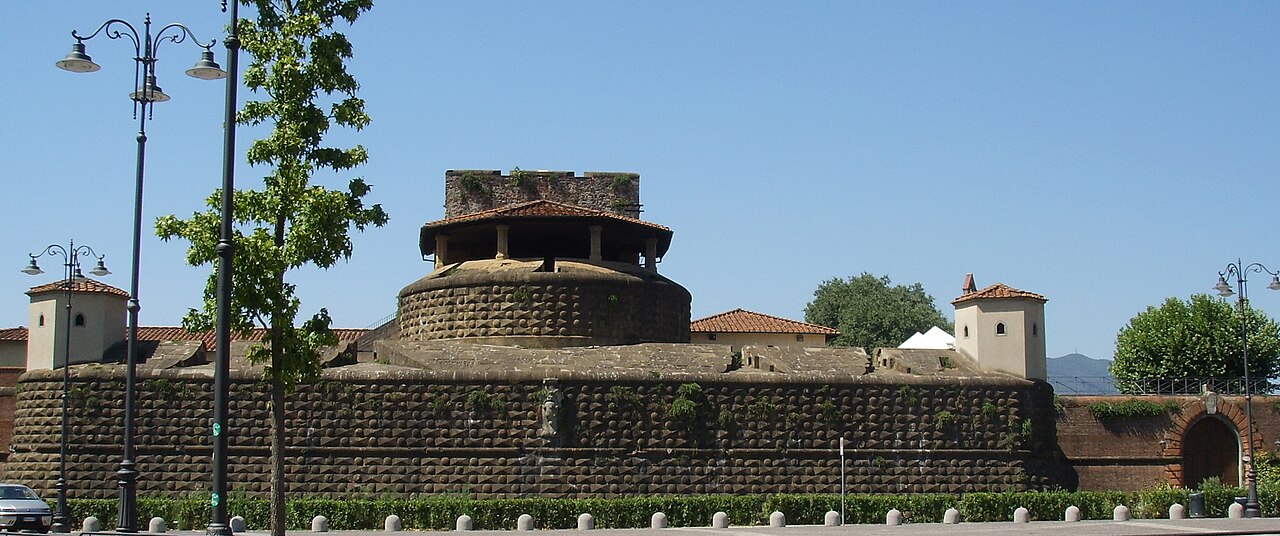
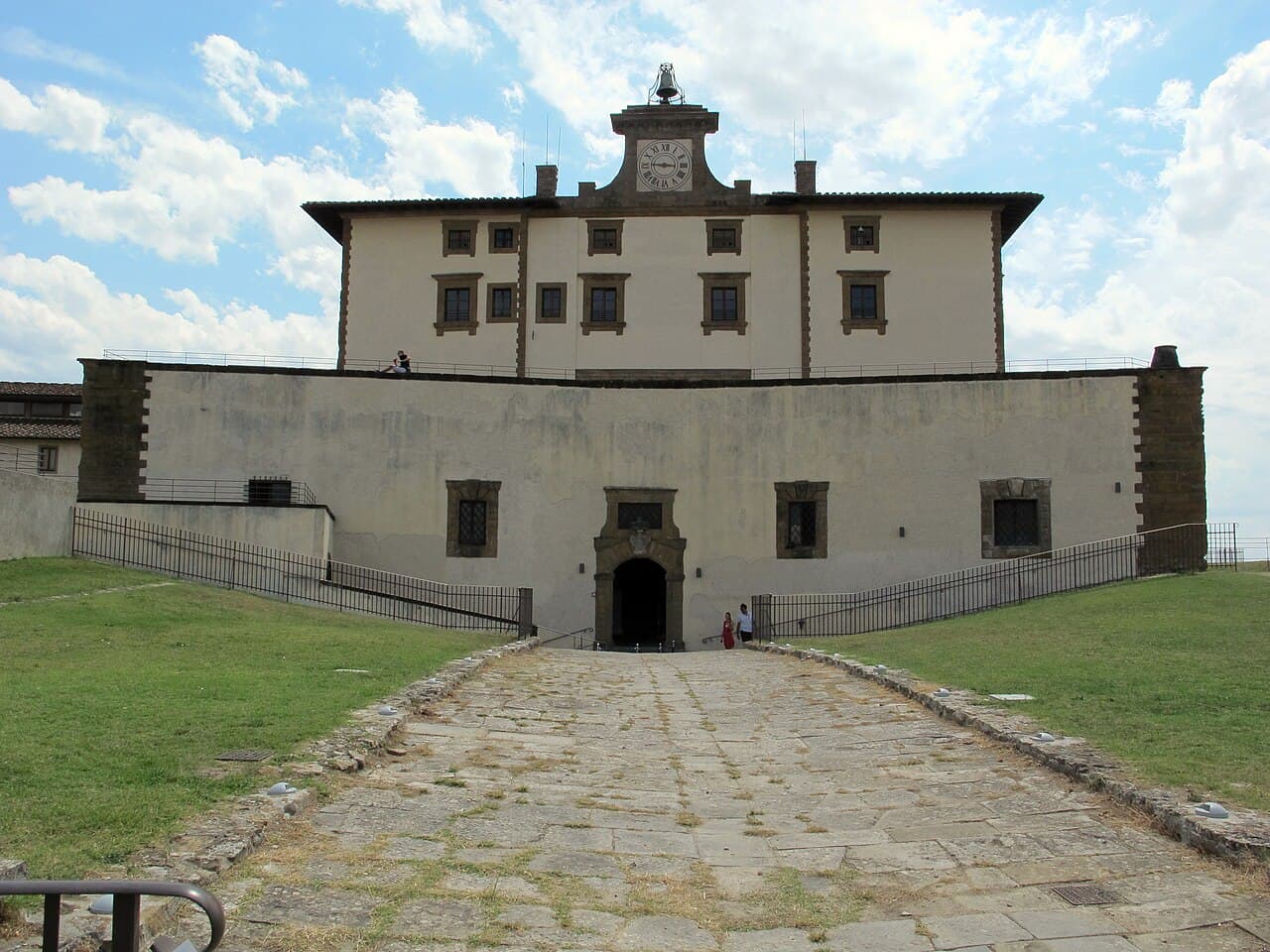
The Forte di Belvedere, also known as the Fortezza di Santa Maria in San Giorgio del Belvedere, is a prominent 16th-century bastioned fortress located in Florence, Italy. Constructed during the Renaissance period, this fortress exemplifies the military architectural innovations of the time, designed to protect the city and its ruling elite.
Historical background and purpose
The fortress was commissioned by Cosimo I de' Medici, the Grand Duke of Tuscany, as part of a broader effort to fortify Florence against external threats and internal uprisings. Built between 1590 and 1595, the Forte di Belvedere was strategically positioned on a hill overlooking the city. Its elevated location provided commanding views over Florence and the surrounding countryside, enabling defenders to monitor approaching enemies and secure the city’s southern flank.
The fortress played a dual role: it served as a military stronghold and as a refuge for the Medici family in times of siege or rebellion. Its construction was part of a comprehensive defensive system that included other fortifications around Florence.
Architectural design and features
The design of Belvedere Fortress reflects the Renaissance military architecture principles that emerged in response to the development of artillery. The fortress is characterized by its bastioned walls, which are angled to deflect cannonballs and provide overlapping fields of fire. This design minimized blind spots and maximized defensive effectiveness.
The fortress is enclosed by thick walls and features four bastions at each corner, connected by curtain walls. The bastions are equipped with artillery platforms, allowing defenders to mount cannons and cover all approaches. The walls are constructed from robust stone and brick materials, ensuring durability against bombardment.
Inside the fortress, there are various military buildings, including barracks, armories, and storage facilities. The central area contains a large courtyard that was used for troop assembly and drills.
Notable architectural elements
- Main gate: The entrance is fortified with a heavy gate and defensive structures, including a drawbridge and machicolations for dropping projectiles on attackers.
- Watchtowers: Positioned along the walls, these towers provided vantage points for lookouts and archers.
- Underground passages: Some tunnels and passages allowed safe movement of troops and supplies within the fortress during sieges.
Cultural significance and current status
The Forte di Belvedere is not only a military monument but also a cultural landmark in Florence. Over the centuries, it has witnessed numerous historical events, including sieges and changes in political power.
Today, the fortress is well preserved and serves as a museum and event space. It offers visitors panoramic views of Florence and the Arno River, making it a popular destination for tourists and locals alike. The site hosts art exhibitions and cultural events, integrating its historical legacy with contemporary cultural life.
Visiting information
The fortress is accessible to the public, with guided tours available that explain its history and architectural features. Visitors can explore the bastions, walk along the walls, and enjoy the expansive courtyards.
Its location on a hill means that the approach involves some uphill walking, but the views and historical experience are rewarding.
Frequently asked questions (FAQ)
- When was the Forte di Belvedere built?
- The Forte di Belvedere was constructed between 1590 and 1595 during the Renaissance period under the commission of Cosimo I de' Medici.
- What is the architectural style of the Belvedere fortress?
- The fortress is designed in the Renaissance military architectural style, featuring bastioned walls optimized for artillery defense.
- Can visitors tour the Forte di Belvedere?
- Yes, the fortress is open to the public with guided tours available that showcase its history, architecture, and panoramic views of Florence.
- What are the main defensive features of the fortress?
- Key defensive features include thick bastioned walls, artillery platforms, fortified gates with drawbridges, watchtowers, and underground passages.
- Why was the Forte di Belvedere built?
- It was built to protect Florence and the Medici family from external attacks and internal uprisings, serving both as a military stronghold and a refuge.
Photo gallery

Information
Loading map...
Visitor reviews
No reviews yet. Been here? Write the first review and help other travelers!
Write the first reviewVisited this castle? Share your experience
Your review helps other travelers and adds first-hand knowledge to our encyclopedia.