Forte La Carnale
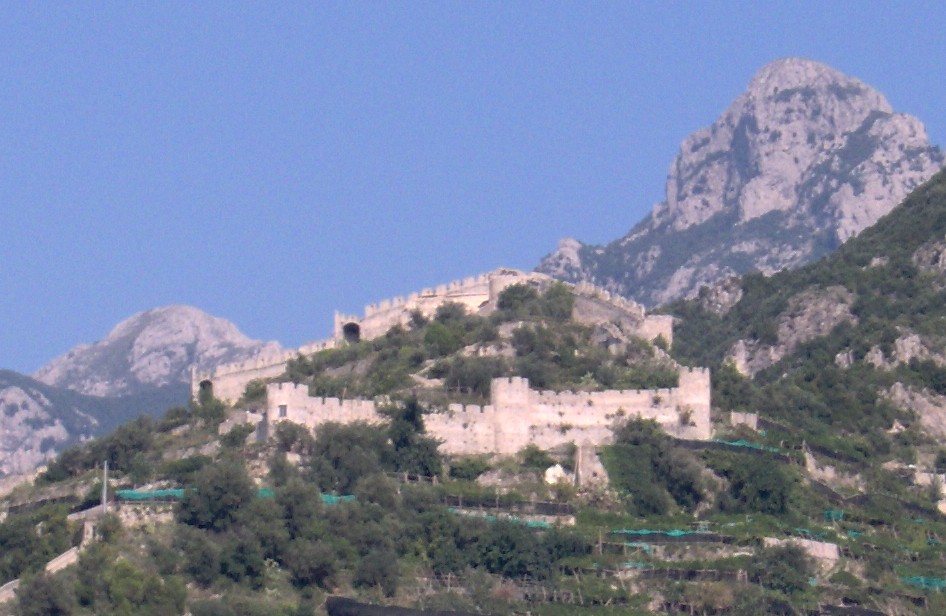
Forte la Carnale stands as a significant Renaissance coastal fortress near the mouth of the river Irno in Salerno, Italy. Constructed in 1563, it formed part of an extensive defense system of towers designed to protect the city from Saracen invasions during a period marked by frequent maritime threats. The fortress likely derives its name from a Saracen massacre around the year 872, a historical event that underscores the long-standing strategic importance of this location.
Its position near the coastline allowed it to serve as a vital lookout point, where mounted sentinels could rapidly alert the city of approaching enemies from the sea. The design of Forte la Carnale reflects the military architectural principles of the Renaissance period, emphasizing both defensive strength and functionality to withstand the evolving nature of warfare in the 16th century.
Historical significance and military role
The fortress played a pivotal role in the defense of Salerno throughout its history. By the mid-17th century, it became a strategic base for Ippolito from Pastena, who led a rebellion against the Spanish rule. Around this time, a garrison of approximately 100 soldiers was stationed at the fortress to prevent the landing of French troops, thereby protecting Salerno from capitulation during ongoing European conflicts. This military use highlights the fortress's continued relevance well beyond its initial construction.
During World War II, Forte la Carnale again became a site of military importance, witnessing historic events that left visible marks on the structure. Its enduring role in various conflicts illustrates its adaptability and strategic value over several centuries.
Architectural features and restoration
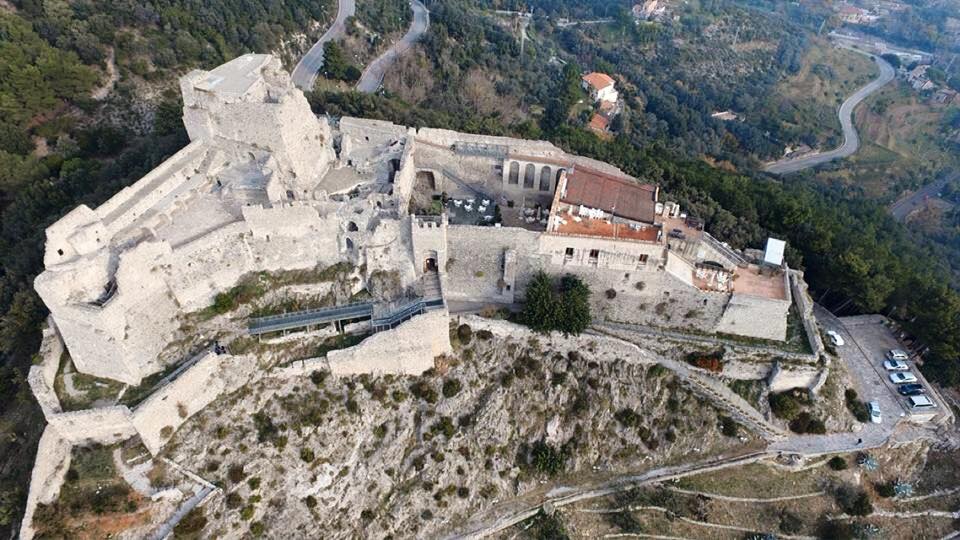
The fortress is characterized by its robust walls and two-level structure, which now houses halls used for cultural exhibitions. The restoration efforts have preserved its original defensive features while adapting the interior for public use. Visitors can explore the halls that once served military purposes and now function as venues for art and cultural events.
A notable feature is the belvedere terrace, offering panoramic views that extend from the Gulf of Salerno to the Amalfi Coast and the Cilento region. This vantage point underscores the fortress's original purpose as a lookout and warning station, providing expansive surveillance over the surrounding sea and land.
Cultural and touristic importance
Today, Forte la Carnale is fully restored and open to the public, serving as a cultural hub in Salerno. Its halls host exhibitions and dining venues, making it a vibrant part of the local community and a destination for visitors interested in military history and Renaissance architecture. The fortress's location and preservation allow for an immersive experience into the defensive strategies of the past while enjoying spectacular natural views.
Its combination of historical depth, architectural integrity, and scenic surroundings makes Forte la Carnale a noteworthy example of Renaissance military architecture on the Italian coast.
Frequently asked questions (FAQ)
- How do I get to Forte La Carnale?
- Forte La Carnale is located in Salerno, Italy, and can be easily accessed via public transportation, including buses and trains. If you are driving, there are parking facilities nearby, and the castle is within walking distance from the city center.
- What is the historical significance of Forte La Carnale?
- Forte La Carnale dates back to the 16th century and played a crucial role in the defense of Salerno against invasions. It is a testament to the military architecture of the time and reflects the historical struggles of the region.
- When was Forte La Carnale built?
- Construction of Forte La Carnale began in the early 1500s and was completed in the subsequent decades. The fortress was strategically built to protect the coastal city of Salerno during a period of frequent conflicts.
- Can I take guided tours at Forte La Carnale?
- Yes, guided tours are available at Forte La Carnale, offering in-depth insights into its history and architecture. Tours are typically conducted in multiple languages and can be booked in advance for a better experience.
- Why is the architecture of Forte La Carnale unique?
- The architecture of Forte La Carnale is unique due to its blend of Renaissance military design and local building materials. The fortress features thick walls, bastions, and a strategic layout that exemplify the defensive techniques of its era.
- Is it possible to visit Forte La Carnale year-round?
- Yes, Forte La Carnale is open to visitors year-round, although hours may vary by season. It is recommended to check the official website for the most current opening hours and any seasonal events.
- What are the ticket prices for visiting Forte La Carnale?
- Ticket prices for Forte La Carnale are generally affordable, with discounts available for students and seniors. Children under a certain age may enter for free, making it an accessible option for families.
- When is the best time to visit Forte La Carnale?
- The best time to visit Forte La Carnale is during the spring and fall when the weather is mild and pleasant. These seasons also tend to have fewer tourists, allowing for a more enjoyable experience exploring the castle.
- Are there any nearby attractions to visit along with Forte La Carnale?
- Yes, there are several nearby attractions including the beautiful Salerno Cathedral and the scenic Lungomare promenade. Additionally, the vibrant historic center of Salerno is just a short walk away, offering shops and local cuisine.
Information
Loading map...
Visitor reviews
No reviews yet. Been here? Write the first review and help other travelers!
Write the first reviewVisited this castle? Share your experience
Your review helps other travelers and adds first-hand knowledge to our encyclopedia.