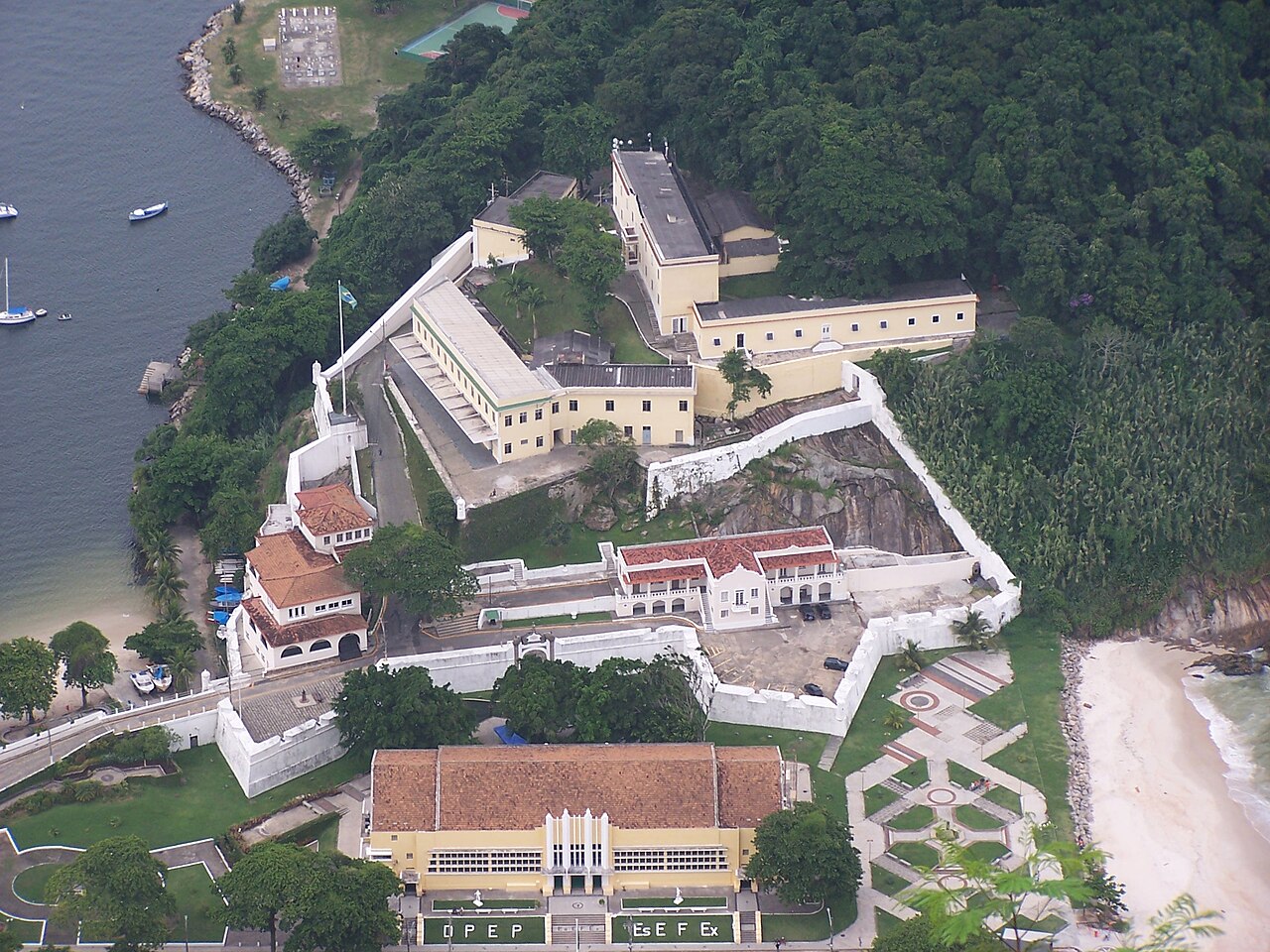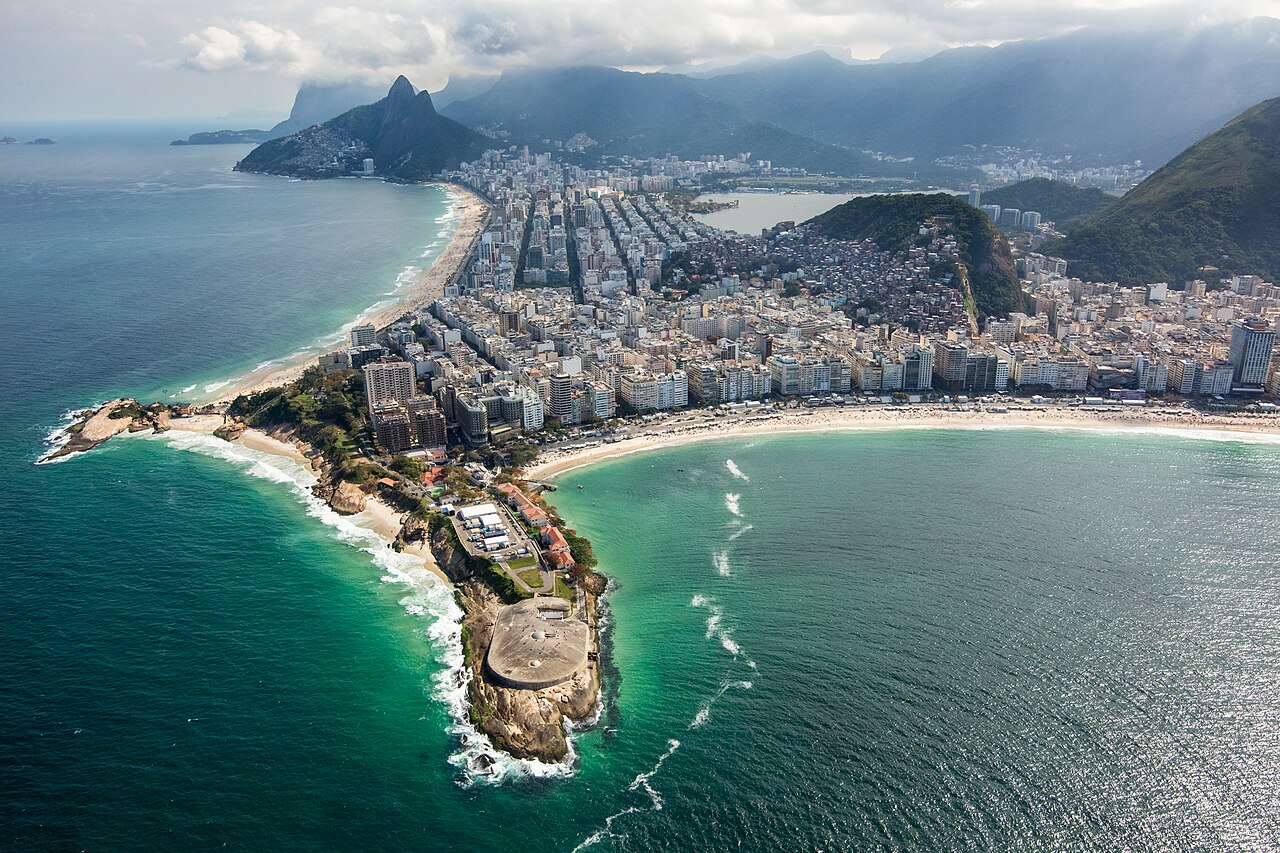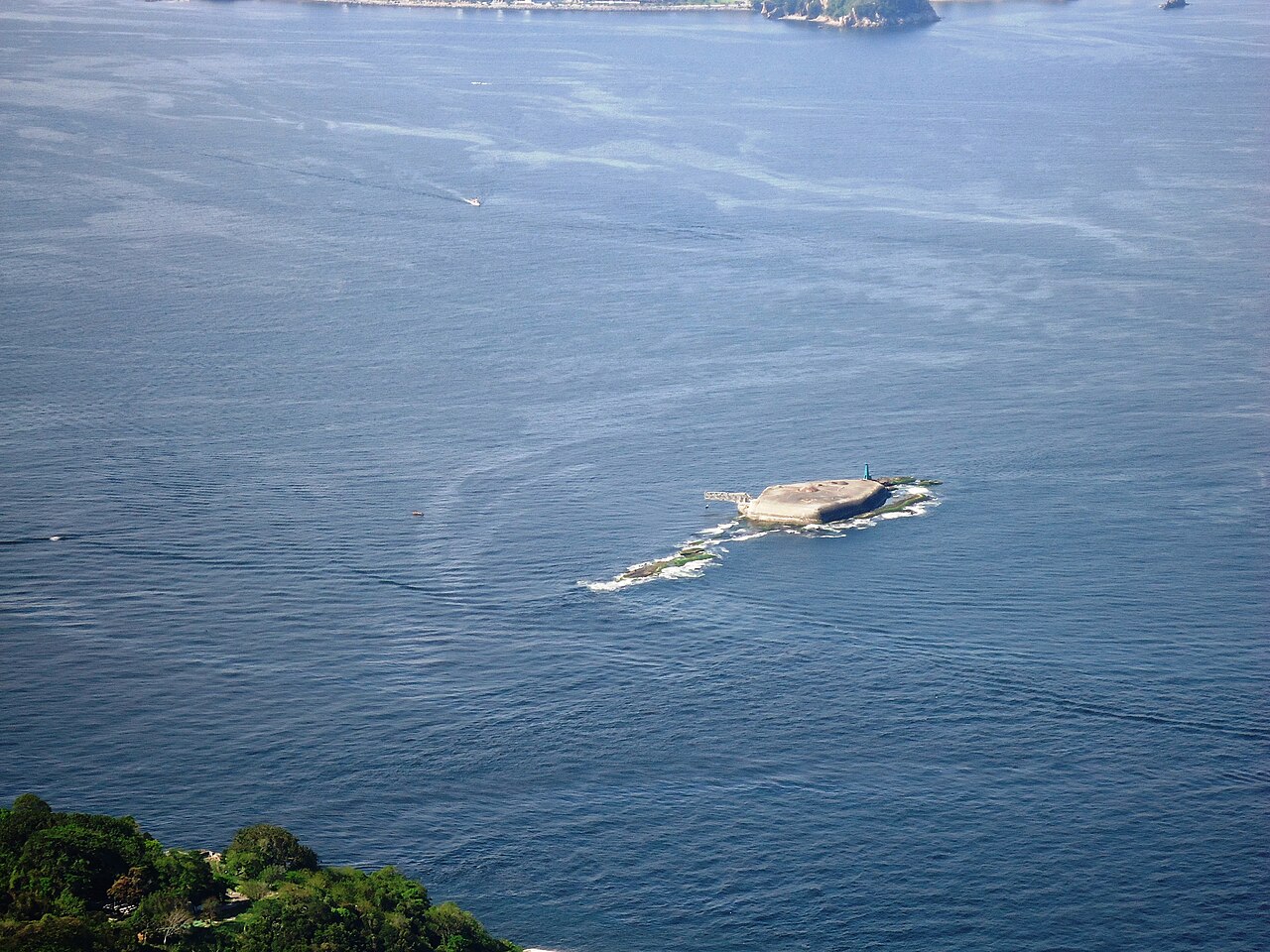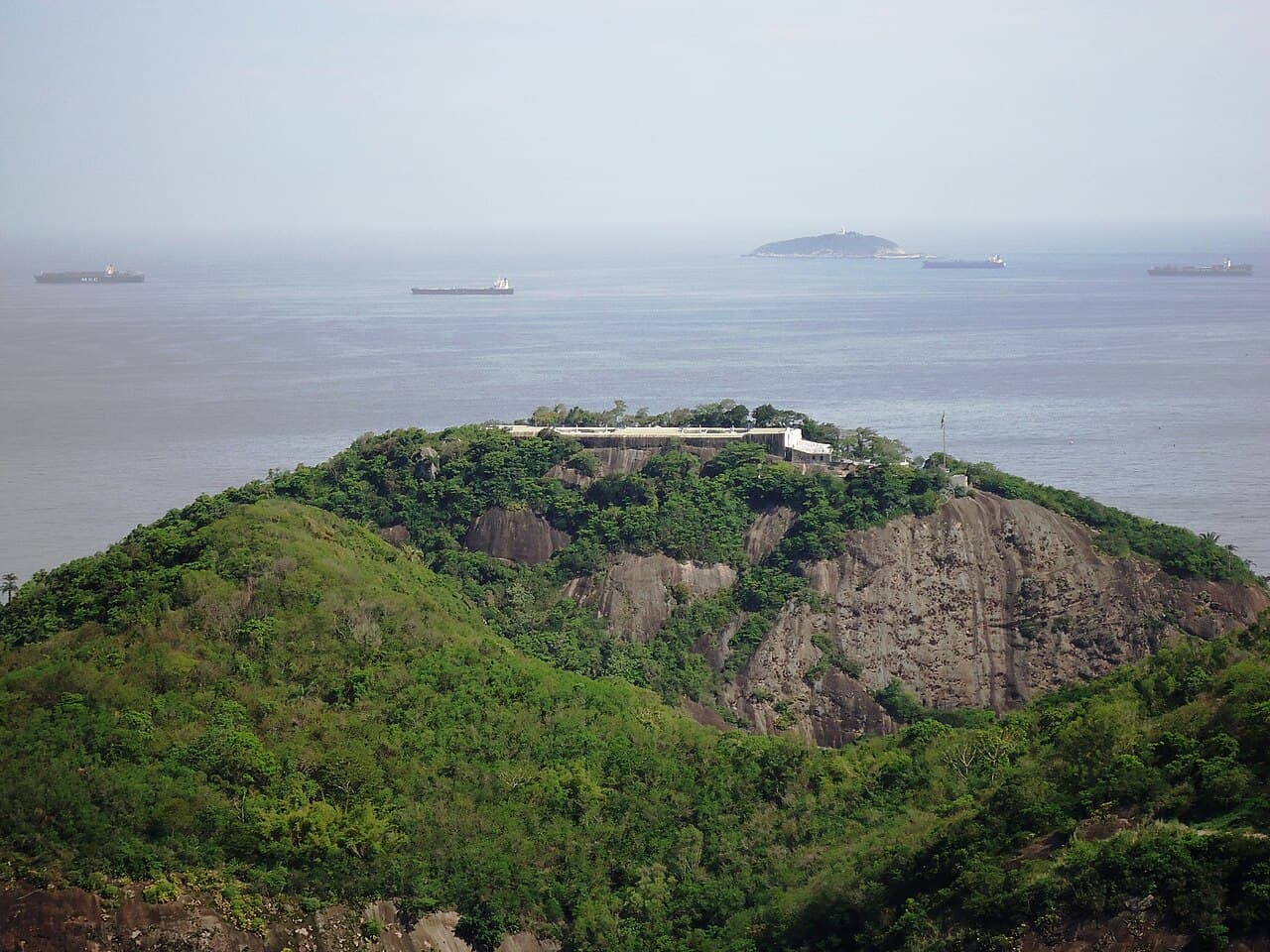
Forte Duque de Caxias is a significant example of a bastioned fortress located in Brazil, reflecting the military architectural principles that were prominent in the design of coastal and strategic fortifications from the early modern period onward. While the exact city location is not specified, the fortress is recognized for its robust defensive structures designed to withstand artillery attacks, typical of bastioned fortifications.
Architectural features and design
The fortress is characterized by its angular bastions projecting outward from the main walls, which allowed defenders to cover adjacent walls with overlapping fields of fire. This design minimized blind spots and was a key element in fortification strategies developed during the Renaissance and post-medieval periods. The walls of Forte Duque de Caxias are thick and constructed to absorb and deflect cannon fire, demonstrating the adaptation of military architecture to the advent of gunpowder artillery.
Typical components of the fortress include curtain walls connecting the bastions, a moat or ditch surrounding the structure for added defense, and a gatehouse fortified to control access. Inside, the fortress likely housed barracks, storage rooms for munitions, and command quarters, arranged to support a garrison capable of defending the installation effectively.
Historical context and significance
The fortress is named after Duque de Caxias, a prominent military figure in Brazilian history, known for his leadership and contributions to the Brazilian army in the 19th century. While the exact construction date of the fortress is unclear, its architectural style and defensive features align with those developed between the 17th and 19th centuries, a period when coastal fortifications were critical for protecting colonial and national interests in Brazil.
Forte Duque de Caxias served as a strategic military installation, likely guarding important coastal or riverine access points. Its bastioned design reflects the influence of European military engineering adapted to local conditions in Brazil, underscoring the global exchange of military technology during the colonial and post-colonial eras.
Preservation and current status
The fortress's current condition is not specified, but bastioned fortresses of this type often range from well-preserved to partially restored or ruins, depending on historical events and conservation efforts. Such fortifications are valuable cultural heritage sites, offering insights into military history, architectural evolution, and regional defense strategies.
Many similar fortresses in Brazil have been preserved as museums or historical parks, providing educational opportunities and promoting tourism. Forte Duque de Caxias, by virtue of its design and historical associations, holds potential for similar uses if it is accessible to the public.
Military architecture in brazil
Brazil's military architecture includes a variety of fortifications built to protect its extensive coastline and important waterways. Bastioned fortresses like Forte Duque de Caxias are part of this tradition, incorporating European design principles to address the challenges posed by artillery warfare. These structures often feature thick walls, bastions for flanking fire, and strategic placement to control key points.
The adaptation of these designs to the Brazilian environment involved considerations such as local materials, climate, and topography. This fusion of European military architecture with local conditions contributes to the unique character of Brazilian fortifications.
Frequently asked questions (FAQ)
- How do I get to Forte Duque de Caxias?
- Forte Duque de Caxias is located in the city of Caxias do Sul, Brazil. You can reach the fort by car or public transportation, with several bus routes available from major cities nearby. The fort is easily accessible, and there is parking available on-site for visitors.
- What is the historical significance of Forte Duque de Caxias?
- Forte Duque de Caxias was built in the 19th century to protect the southern borders of Brazil. It played a crucial role during various conflicts, including the War of the Triple Alliance. Today, it stands as a monument to Brazil's military history and cultural heritage.
- When was Forte Duque de Caxias constructed?
- Construction of Forte Duque de Caxias began in 1858 and was completed in 1863. The fort was named after the influential military leader and statesman, Duque de Caxias, who was pivotal in Brazil's history. Its architecture reflects the military engineering of its time.
- Can I visit Forte Duque de Caxias with a guided tour?
- Yes, guided tours are available at Forte Duque de Caxias, allowing visitors to learn more about its rich history and architecture. These tours are conducted by knowledgeable guides who provide insights and answer questions. It is recommended to book in advance, especially during peak tourist seasons.
- Why is the architecture of Forte Duque de Caxias noteworthy?
- The architecture of Forte Duque de Caxias is significant as it combines military functionality with aesthetic appeal, showcasing the design principles of the 19th century. Its sturdy walls and strategic layout were designed to withstand attacks, while also reflecting the artistic styles of the period. The fort's preservation allows visitors to appreciate historical military architecture.
- Is it possible to explore the fort's grounds and exhibits?
- Yes, visitors can explore the grounds of Forte Duque de Caxias, which include various exhibits detailing its history and military significance. The fort features well-preserved structures and informative displays that enhance the visitor experience. Be sure to check for any special exhibits that may be available during your visit.
- What are the opening hours of Forte Duque de Caxias?
- Forte Duque de Caxias is open to visitors from Tuesday to Sunday, with hours typically from 9 AM to 5 PM. It is advisable to check the official website or contact the fort for any changes to the schedule or special holiday hours. Arriving early can help you avoid crowds and enjoy a more leisurely visit.
- What are the ticket prices for visiting Forte Duque de Caxias?
- Ticket prices for Forte Duque de Caxias are generally affordable, with discounts available for students and seniors. Children under a certain age may enter for free. It's a good idea to check the official website for the most current pricing and any special promotions that may be available during your visit.
- What is the best time to visit Forte Duque de Caxias?
- The best time to visit Forte Duque de Caxias is during the cooler months of the year, typically from May to September, when temperatures are more comfortable for outdoor exploration. Weekdays are usually less crowded than weekends, allowing for a more enjoyable experience. Be sure to check the weather forecast before your visit to plan accordingly.
- Are there nearby attractions to explore after visiting Forte Duque de Caxias?
- Yes, there are several attractions near Forte Duque de Caxias, including parks, museums, and cultural sites that showcase the region's history and natural beauty. The nearby city of Caxias do Sul offers various dining and shopping options as well. Exploring these attractions can complement your visit to the fort and provide a fuller experience of the area.
Photo gallery

Information
Loading map...
Visitor reviews
No reviews yet. Been here? Write the first review and help other travelers!
Write the first reviewVisited this castle? Share your experience
Your review helps other travelers and adds first-hand knowledge to our encyclopedia.