Tamandaré da Laje Fort — Brazil castle

Tamandaré da Laje Fort

Tamandaré da laje fort

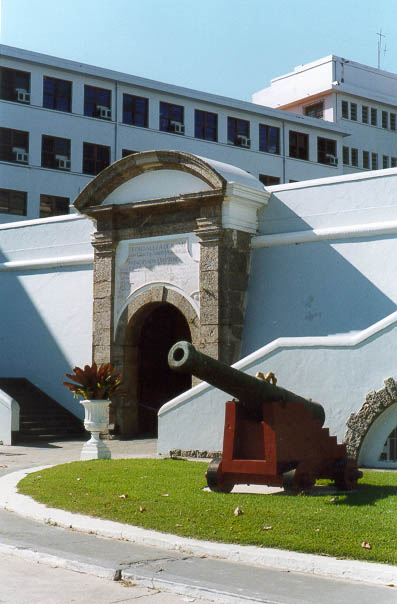
Tamandaré da Laje Fort is a prominent example of a bastioned fortress located on the Brazilian coast. This fortification was constructed primarily for coastal defense, reflecting the strategic military architecture typical of such structures. Its design incorporates angular bastions that allowed defenders to cover all approaches with overlapping fields of fire, a hallmark of bastioned forts developed during the early modern period.

Historical context and strategic importance

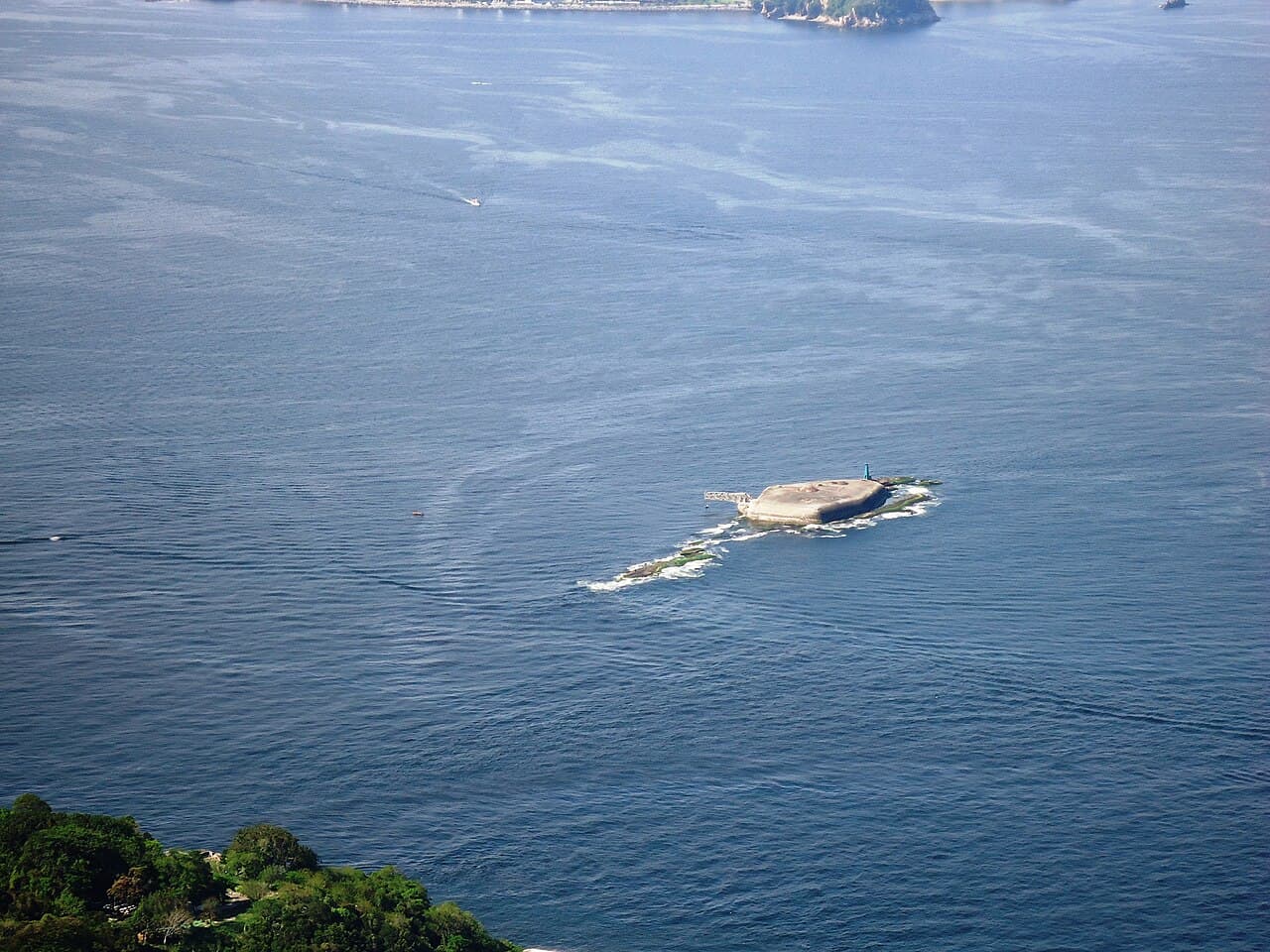
The fort was built to protect the coastline and nearby harbors from naval attacks and piracy, a common threat during the colonial and post-colonial eras in Brazil. While the exact construction date of Tamandaré da Laje Fort is not precisely documented, it likely dates from the 17th to 18th centuries, a period when European powers fortified their overseas territories extensively. The fort's location on a rocky outcrop or islet ("laje" meaning slab or flat rock in Portuguese) provided a natural defensive advantage, enabling control over maritime access routes.

Architectural features and design

The fort exemplifies the bastioned fortress typology, characterized by its star-shaped layout with bastions projecting outward from the main walls. This design minimized blind spots and maximized defensive coverage. The walls are constructed from robust stone masonry, designed to withstand artillery bombardment. The fort likely includes thick curtain walls, ramparts, and casemates for housing troops and storing ammunition.

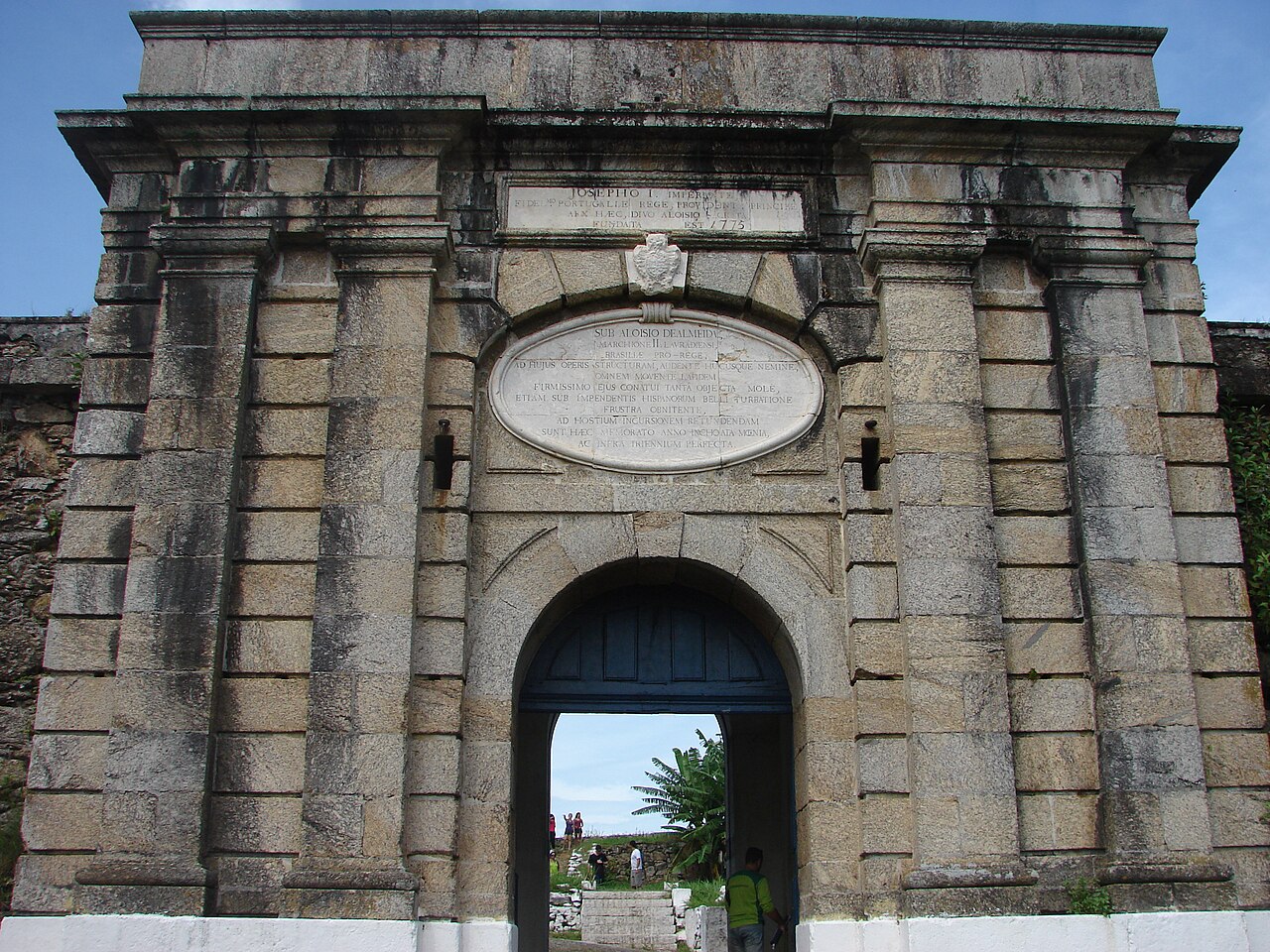
Additional features may include a dry moat or natural water barriers enhancing defense. The internal layout would have accommodated garrison quarters, magazines, and command posts. Access to the fort was probably controlled by a heavily fortified gate or drawbridge, typical of bastioned forts.

Role in brazilian coastal defense

Tamandaré da Laje Fort played a significant role in the defense network along Brazil's coast, working in conjunction with other forts to protect key ports and settlements. Its strategic position allowed monitoring and control of maritime traffic, deterring enemy ships and safeguarding trade routes. The fort's military relevance persisted through various conflicts, including colonial skirmishes and later national defense efforts.

Current condition and preservation

Today, the fort's condition may vary from partially preserved to ruins, depending on conservation efforts and environmental factors. Coastal forts like Tamandaré da Laje often face challenges such as erosion, saltwater damage, and neglect. Preservation initiatives aim to maintain the structural integrity and historical value of the site, sometimes incorporating the fort into cultural tourism and educational programs.

Visiting tamandaré da laje fort

Access to the fort can be limited due to its location on a rocky islet or coastal area. Visitors interested in military architecture and Brazilian history may find guided tours or boat trips available, depending on local tourism infrastructure. The fort offers insights into colonial military engineering and Brazil's maritime heritage.

Frequently asked questions (FAQ)

What is the historical significance of Tamandaré da Laje Fort?
Tamandaré da Laje Fort served as a coastal defense bastioned fortress protecting Brazilian ports from naval attacks and piracy during the colonial and post-colonial periods.
Can I visit Tamandaré da Laje Fort?
Visiting Tamandaré da Laje Fort may be possible through guided tours or boat trips, depending on local tourism services and access conditions.
What architectural features define Tamandaré da Laje Fort?
The fort features a star-shaped bastioned layout with thick stone walls, ramparts, and casemates designed for artillery defense and troop accommodation.
When was Tamandaré da Laje Fort built?
The exact construction date is uncertain but likely falls within the 17th to 18th centuries, aligning with European colonial fortification trends.
Why was Tamandaré da Laje Fort strategically important?
Its location on a rocky outcrop allowed control over maritime routes, providing a defensive stronghold against enemy ships and protecting trade along Brazil's coast.

Photo gallery

Tamandaré da Laje Fort
Click to view

Photo by Carlos Luis M C da Cruz•CC BY-SA 3.0

1 photo • Click any image to view in full screen

Information

Bastioned Fortress

Loading map...

Visitor reviews

No reviews yet. Been here? Write the first review and help other travelers!

Write the first review

Visited this castle? Share your experience

Your review helps other travelers and adds first-hand knowledge to our encyclopedia.
Write a review

(5/5)

0/2000 characters

Your review will be visible after admin approval

Nearby castles

1.3 km
Fortaleza de São João — Brazil castle

Fortaleza de São João

Rio de Janeiro, Brazil

The Fortress of São João da Barra do Rio de Janeiro, widely known as the Fortress of São João, is a prominent 16th-century bastioned fortress located in the Urca neighborhood of Rio de Janeiro, Brazil. It was constructed under the command of Estácio de Sá with the primary purpose of defending the strategic Guanabara Bay from French incursions during the early colonial period. This fortress stands as one of the earliest examples of European military architecture in Brazil, embodying the Renaissance star fort design that was revolutionary for its time.Historical context and strategic importanceDuring the mid-16th century, the Portuguese crown sought to consolidate its control over the territory that would become Brazil. The French had established a foothold in the region, notably through the short-lived colony of France Antarctique around Guanabara Bay. To counter this threat, the Portuguese initiated the construction of the Fortress of São João in 1565. The fortress played a critical role in securing the bay's entrance, protecting the emerging city of Rio de Janeiro and its vital maritime routes from foreign invasion.Architectural features and designThe fortress is a classic example of a Renaissance bastioned fortress, also known as a star fort, characterized by its angular bastions designed to deflect cannon fire and provide overlapping fields of defensive fire. The design incorporates thick stone walls, moats, and artillery platforms strategically placed to cover the approaches by sea. The star-shaped layout allowed defenders to cover all angles and minimize blind spots, a significant advancement over medieval castle designs.The fortress includes several key structures such as ramparts, curtain walls, and cannons emplacements. Its location on a rocky promontory enabled effective control over the bay's narrow entrance, making it difficult for enemy ships to pass undetected or unchallenged.Construction and materialsBuilt primarily from local stone and mortar, the fortress's construction began shortly after Estácio de Sá's arrival in 1565. The builders incorporated European military engineering techniques adapted to the tropical climate and available materials. The walls were constructed to withstand both artillery bombardment and the humid coastal environment, which posed challenges for preservation.Role in colonial defense and later historyThroughout the colonial period, the Fortress of São João remained a key defensive installation for Rio de Janeiro. It was involved in various military actions, including repelling attacks and serving as a base for Portuguese forces. Over time, the fortress underwent modifications and enhancements to keep pace with evolving military technology and threats.In the 18th and 19th centuries, the fortress's military importance gradually declined due to changes in warfare and the expansion of the city. However, it remained a symbol of the city's colonial heritage and Brazil's early military architecture.Preservation and current statusToday, the Fortress of São João is recognized as a significant cultural and historical monument in Brazil. It is well preserved and serves as a museum and tourist attraction, offering visitors insights into the early colonial defenses of Rio de Janeiro and the architectural innovations of its time. The site includes guided tours that explain the fortress's history, construction, and role in protecting the city.The fortress's location in the Urca neighborhood also places it near other historical landmarks, making it an important part of Rio de Janeiro's cultural tourism circuit.

Renaissance (15th–17th c.)
Details
2.6 km
Fortaleza de São Francisco Xavier da Ilha de Villegagnon — Brazil castle

Fortaleza de São Francisco Xavier da Ilha de Villegagnon

, Brazil

The Fortaleza de São Francisco Xavier da Ilha de Villegagnon is a prominent hill castle located on Villegagnon Island in Guanabara Bay, Brazil. Constructed in the 16th century, this fortress played a crucial role in the early colonial defense system of Rio de Janeiro. It was built by the French in 1555 during their brief occupation of the region, marking one of the earliest European fortifications in the Americas. The fortress was named after the French admiral Nicolas Durand de Villegagnon, who led the expedition that established the colony of France Antarctique on the island. The strategic position of the fortress on an island in the bay allowed control over naval access to the city of Rio de Janeiro, making it a key military installation. Its design reflects the military architectural principles of the Renaissance period with influences from European fortification techniques adapted to the tropical environment. The fortress features robust stone walls, bastions, and artillery placements designed to repel attacks from both sea and land. Historical context and construction The fortress was originally constructed by the French in 1555 as part of their attempt to establish a foothold in Brazil, known as the France Antarctique colony. This effort was aimed at challenging Portuguese dominance in the region. The fortifications were intended to protect the settlement and secure the bay against Portuguese incursions. After several years of conflict, the Portuguese forces recaptured the island in 1567, incorporating the fortress into their defensive network. The Portuguese made modifications and improvements to the existing structure, reinforcing it to withstand further attacks. Over the centuries, the fortress underwent various restorations and adaptations to meet evolving military needs. Architectural features and layout The fortress is characterized by its star-shaped bastions, a hallmark of Renaissance military architecture designed to provide overlapping fields of fire and reduce blind spots. The walls are constructed from local stone and mortar, thick enough to absorb cannon fire. The layout includes a central courtyard surrounded by barracks, storage rooms, and command quarters. Defensive features include ramparts with parapets, embrasures for cannons, and a moat that once surrounded parts of the fortress. The entrance is fortified with a gatehouse that controlled access to the island. The structure's adaptation to the island's rocky terrain demonstrates careful planning to maximize defensive capabilities. Role in Brazilian colonial history The fortress was a focal point in the struggle between French and Portuguese forces for control over Brazil. Its capture by the Portuguese marked the end of French ambitions in the area and solidified Portuguese control over Guanabara Bay. Throughout the colonial period, the fortress served as a military garrison and a deterrent against foreign invasions and pirate attacks. In later centuries, as military technology advanced, the fortress's strategic importance declined, but it remained a symbol of colonial heritage. It witnessed various historical events and changes in political power, reflecting the broader history of Brazil's colonization and defense. Preservation and current status Today, the Fortaleza de São Francisco Xavier da Ilha de Villegagnon is partially preserved and serves as a historical monument. It is managed by the Brazilian Navy and is occasionally open to visitors interested in military history and colonial architecture. The site offers insight into early European fortification methods in South America and the complex colonial history of Brazil. The fortress's location on Villegagnon Island makes access limited, contributing to its preservation. Efforts have been made to maintain the structure and prevent further deterioration, though some areas remain in ruins. The site is valued for its cultural significance and as a rare example of 16th-century military architecture in the region.

Renaissance (15th–17th c.)
Details
2.7 km
Fort of Saint Louis — Brazil castle

Fort of Saint Louis

Niterói, Brazil

Fort of Saint Louis (Portuguese: Forte de São Luís) is a significant bastioned fortress located in Niterói, in the state of Rio de Janeiro, Brazil. This fortification is an important example of colonial military architecture designed to protect the coast and the entrance to Guanabara Bay, a vital harbor during the colonial and imperial periods of Brazil. Historical background and strategic importance The construction of the Fort of Saint Louis dates back to the early 17th century, during the time when the Portuguese Crown sought to secure its territories in South America against foreign invasions and pirate attacks. The fort was part of a broader defensive system to safeguard the approaches to the city of Rio de Janeiro, which was a crucial port for the export of gold, sugar, and other colonial commodities. Situated on a strategic coastal point in Niterói, the fort was positioned to control naval access to the bay and provide crossfire coverage with other nearby fortifications. This location allowed it to serve as a deterrent against invading fleets and to protect the maritime routes essential for trade and military movements. Architectural features and design The fort's design reflects the principles of the bastioned fortress style, which was prevalent in European military architecture from the 16th to the 18th centuries. This style is characterized by angular bastions projecting from the curtain walls, allowing defenders to cover adjacent walls with flanking fire, eliminating blind spots. The walls of the Fort of Saint Louis are constructed from local stone and masonry, thick enough to withstand cannon fire. The bastions are positioned at the corners of the fort, creating a polygonal shape that maximizes defensive coverage. The fort includes embrasures for artillery, barracks for soldiers, and storage areas for ammunition and supplies. Inside the fort, there are remnants of the original structures such as the commander's quarters and the powder magazine. The layout is compact but functional, designed to accommodate a garrison and support sustained defense during sieges. Role in Brazilian history Throughout its history, the Fort of Saint Louis played a key role in the defense of the Rio de Janeiro region. It was active during various conflicts, including colonial skirmishes and the struggles for Brazilian independence in the early 19th century. Although it never faced a major siege, its presence was a significant factor in deterring enemy attacks. In the 19th and 20th centuries, as military technology evolved, the fort's strategic importance diminished. It was eventually decommissioned as an active military installation but preserved as a cultural and historical monument. Current condition and cultural significance Today, the Fort of Saint Louis is recognized as a well-preserved example of colonial military architecture in Brazil. It is maintained as a historical site open to visitors interested in Brazil's colonial past and military heritage. The fort is part of Niterói's cultural landscape and contributes to the understanding of the region's defense systems during the Portuguese colonial era. It offers panoramic views of Guanabara Bay and the city of Rio de Janeiro, making it a popular destination for tourists and history enthusiasts. Visitor experience and accessibility Visitors to the fort can explore the ramparts, bastions, and internal chambers, gaining insight into the fortification techniques used during the colonial period. Informational plaques and guided tours provide context about the fort's construction, military role, and historical events. The site is accessible by road from central Niterói and is often included in cultural heritage tours of the region. Its coastal setting also makes it a scenic spot for photography and historical study.

Early Medieval (5th–10th c.)
Details