Fort Copacabana
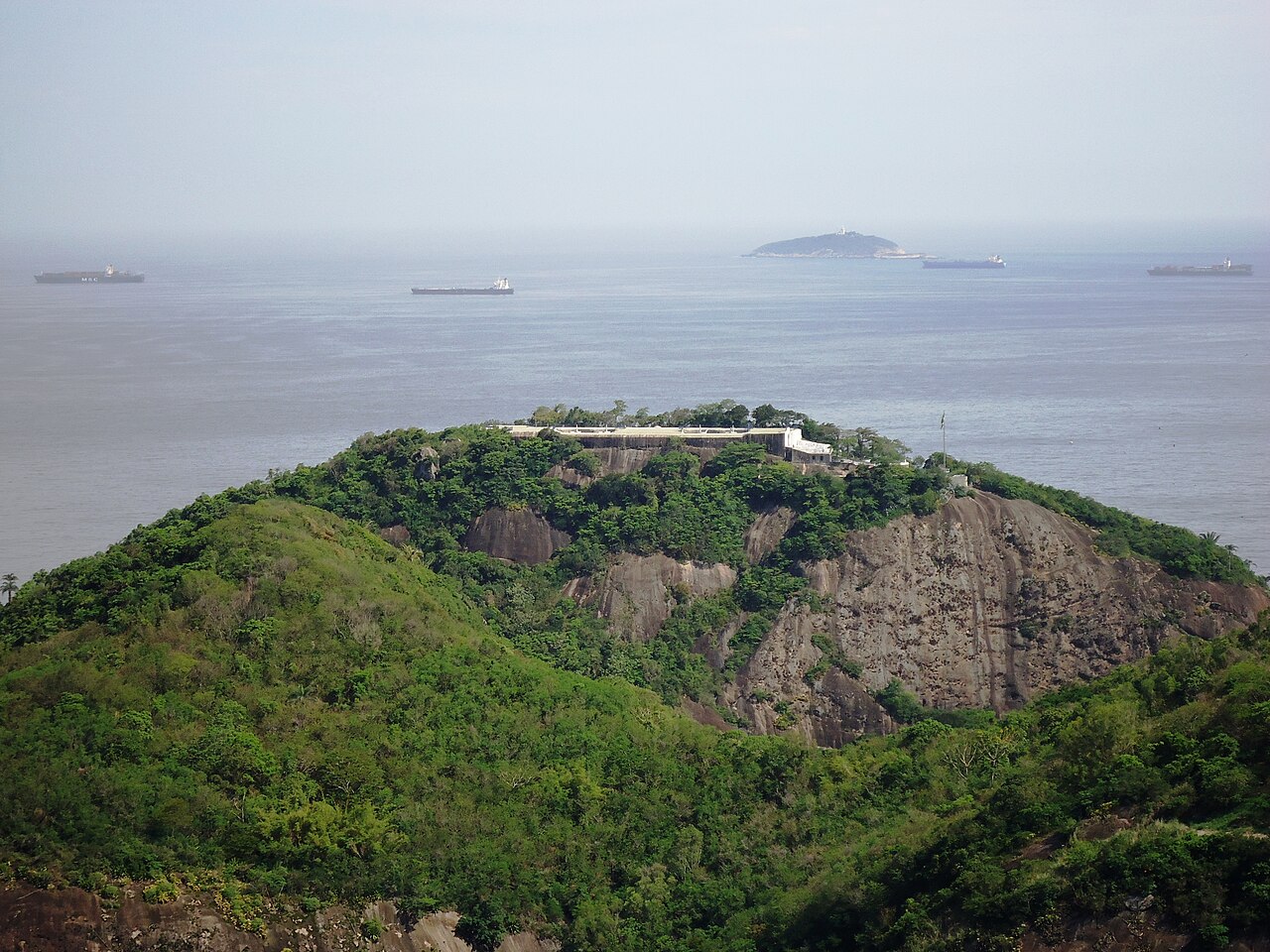
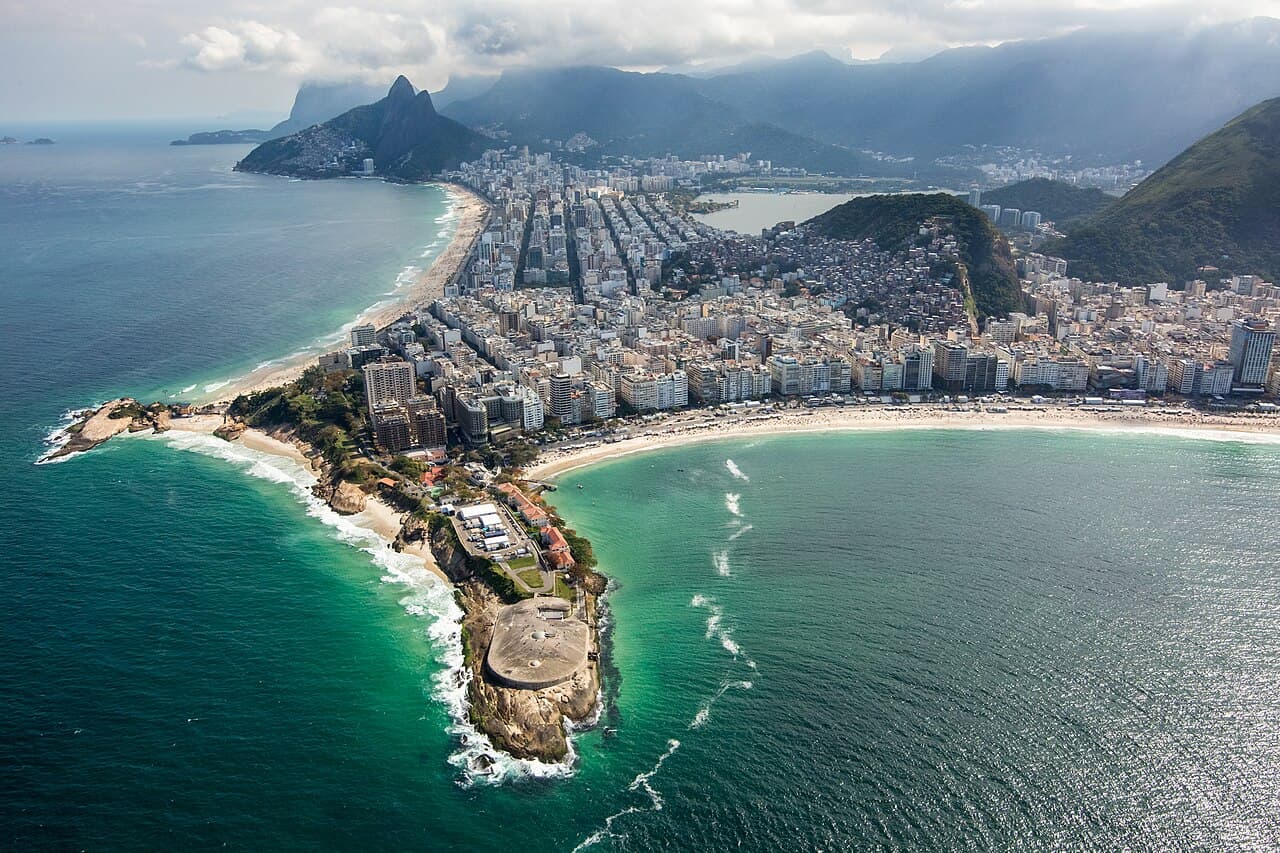
Fort Copacabana (Portuguese: Forte de Copacabana) is a significant military installation located at the southern end of the famous Copacabana beach in Rio de Janeiro, Brazil. Constructed in the early 20th century, this bastioned fortress was designed to protect the coastline and the city from naval threats. It remains an important symbol of Brazil's coastal defense history and military heritage.
Architectural design and fortifications
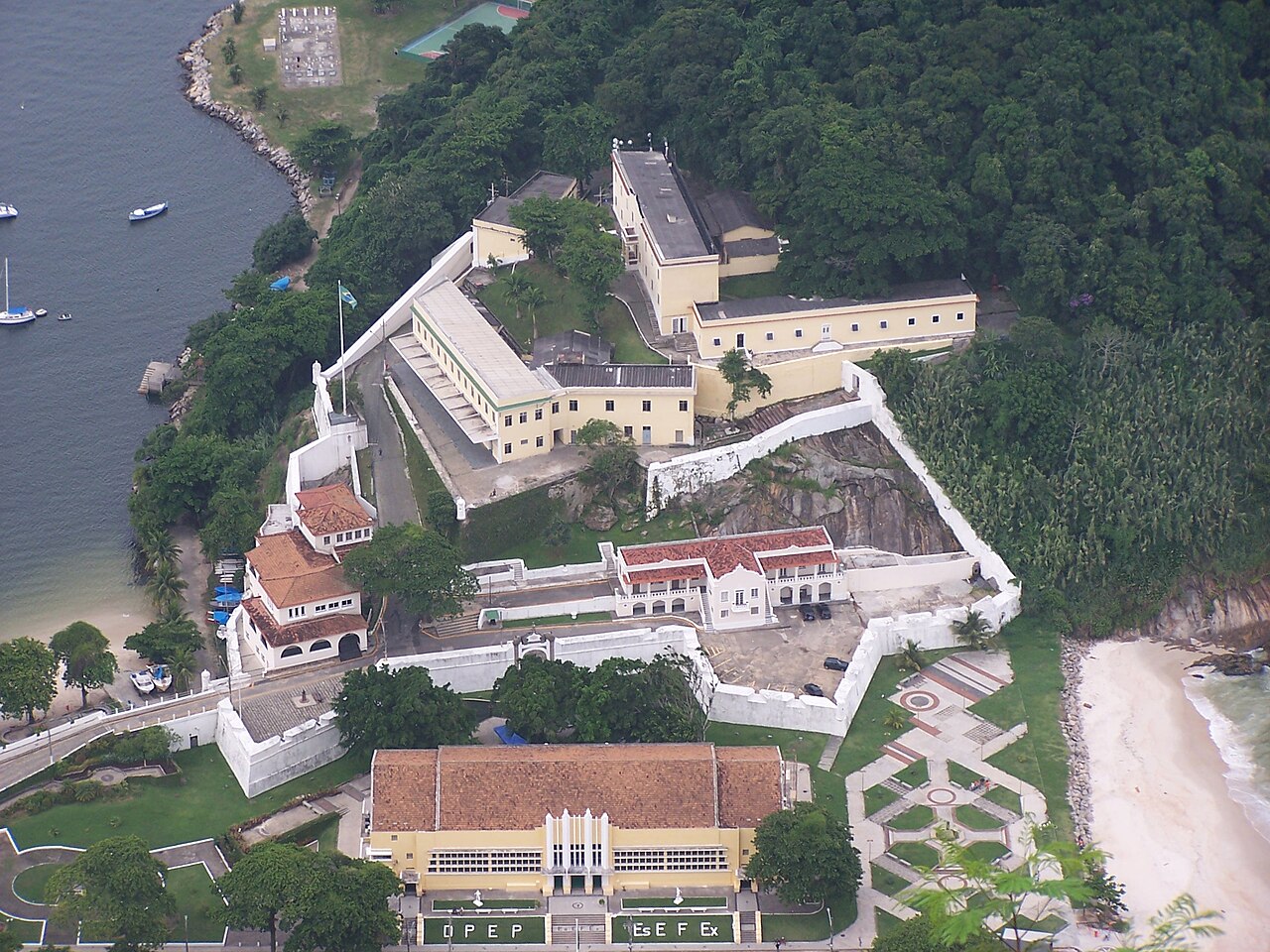
The fort's design reflects early 20th-century military architecture, characterized by its bastioned walls which provide overlapping fields of fire and enhanced defensive capabilities against enemy ships. The structure is built with reinforced concrete and stone, typical of the period's fortifications, featuring gun emplacements strategically positioned to cover the approaches to the bay.
The layout includes multiple bastions connected by curtain walls, a moat area, and a central courtyard that served as a staging ground for troops and artillery. The fort’s coastal artillery batteries were equipped with heavy-caliber guns capable of engaging enemy vessels at considerable distances.
Historical context and military significance
Built between 1908 and 1914, Fort Copacabana was part of a broader modernization effort of Brazil's coastal defenses during a time of growing naval threats in the region. Its construction was influenced by contemporary European military engineering principles, adapted to the specific geographic and strategic needs of Rio de Janeiro's coastline.
The fort played a role during the Revolt of the Copacabana Fort in 1922, an important episode in Brazilian history where rebellious military officers used the fort as a stronghold during an uprising against the federal government. This event highlighted the fort’s strategic importance and its role in the country’s political and military struggles.
Museum and public access
Today, Fort Copacabana functions as a military museum, known as the Army Historical Museum (Museu Histórico do Exército). The museum hosts exhibits on Brazil's military history, including artifacts, weaponry, uniforms, and documents related to the fort’s operational period and broader Brazilian military campaigns.
Visitors can explore the fortifications, including the bastions, gun emplacements, and the central courtyard. The site offers panoramic views of Copacabana beach and the Atlantic Ocean, making it a popular destination for tourists interested in military architecture and history.
Location and surrounding environment
Situated at the southern tip of Copacabana beach, the fort occupies a strategic position overseeing the entrance to Guanabara Bay. This location was chosen to maximize its defensive coverage of the bay and the city’s coastline.
The fort is easily accessible from the city center and is integrated into the urban landscape of Rio de Janeiro, providing a unique blend of historical military architecture and vibrant beach culture.
Preservation and current condition
Fort Copacabana is well preserved and maintained by the Brazilian Army. Its condition allows for public visitation and educational use. Restoration efforts have ensured the structural integrity of the bastioned walls and artillery positions, preserving the fort’s historical authenticity.
The site continues to serve a dual role as both an active military base and a cultural heritage site, balancing operational needs with public access and historical preservation.
Frequently asked questions (FAQ)
- How do I get to Fort Copacabana?
- Fort Copacabana is easily accessible via public transportation. You can take a metro to Cantagalo Station and walk about 15 minutes, or use local buses that stop nearby. Taxis and rideshare services are also convenient options for reaching the fort.
- What is the historical significance of Fort Copacabana?
- Fort Copacabana was built in the late 19th century to protect the city of Rio de Janeiro from naval attacks. It played a vital role during various military conflicts, including the Brazilian Revolution of 1924. Today, it stands as a symbol of Brazil's military history and heritage.
- When was Fort Copacabana constructed?
- Construction of Fort Copacabana began in 1908 and was completed in 1914. It was designed to bolster the city's coastal defenses and has since become a popular tourist destination. The fort's strategic location offers stunning views of the Atlantic Ocean.
- Can I visit Fort Copacabana year-round?
- Yes, Fort Copacabana is open for visitors throughout the year. However, it's advisable to check specific opening hours and any seasonal changes before your visit. The fort often hosts events and exhibitions, adding to the experience.
- Why is Fort Copacabana considered an architectural gem?
- Fort Copacabana showcases a unique blend of military architecture, incorporating elements of neo-colonial design. Its formidable structure and strategic layout highlight both functionality and aesthetic appeal. The fort's design has been preserved, allowing visitors to appreciate its historical and architectural significance.
- Is it possible to access the fort's interior?
- Yes, visitors can access the interior of Fort Copacabana, which includes museums and exhibitions that detail its history and military significance. Guided tours are available and provide deeper insights into the fort's past. Be sure to check for any special exhibits during your visit.
- What are the ticket prices for Fort Copacabana?
- Entry to Fort Copacabana is generally affordable, with a nominal fee for adults. Discounts may be available for students, seniors, and children, making it accessible for families. Always check the official website for the most current pricing and any special offers.
- What are the opening hours for Fort Copacabana?
- Fort Copacabana is typically open from 10 AM to 6 PM daily. However, hours may vary on holidays or during special events, so it's wise to confirm before your visit. Early morning visits can provide a quieter experience and beautiful sunrise views.
- What nearby attractions should I visit after Fort Copacabana?
- After visiting Fort Copacabana, you can explore the famous Copacabana Beach, just a short walk away. The area is also home to a variety of shops, restaurants, and cultural sites, including the Copacabana Palace Hotel and the Fort's own museum. Make sure to enjoy the vibrant atmosphere of the beachside promenade.
Photo gallery

Information
Loading map...
Visitor reviews
No reviews yet. Been here? Write the first review and help other travelers!
Write the first reviewVisited this castle? Share your experience
Your review helps other travelers and adds first-hand knowledge to our encyclopedia.