Forte de São Sebastião (Angra do Heroísmo)
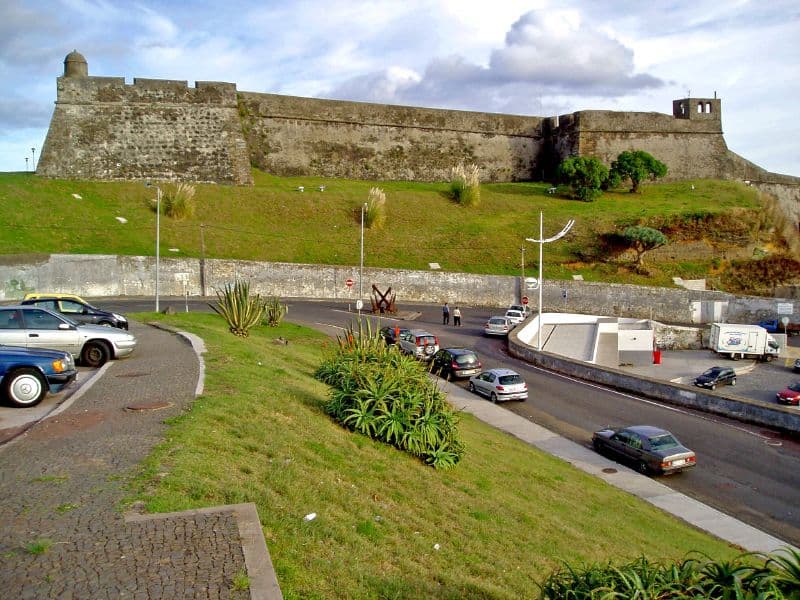
Forte de São Sebastião, also known as Castelo de São Sebastião or colloquially as Castelinho ("Little castle"), is a 16th-century bastioned fortress situated in the port of Pipas, within the parish of Nossa Senhora da Conceição in the city and municipality of Angra do Heroísmo, on the south coast of Terceira Island in the Azores archipelago, Portugal. This fortification is a key example of Renaissance military architecture adapted to the strategic needs of Atlantic island defense during the Age of Discovery.
Historical context and strategic importance
Constructed in the 16th century, Forte de São Sebastião was built during a period when the Azores islands were a crucial stopover for Portuguese ships traveling between Europe, Africa, and the Americas. The fort's primary purpose was to protect the harbor of Angra do Heroísmo, one of the most important ports in the Azores, from pirate attacks and naval incursions. Its location on the south coast of Terceira Island allowed it to guard the entrance to the port of Pipas, which was vital for the security of the city and its maritime activities.
The fort played a significant role in the defense system of Terceira, which included several other fortifications designed to repel attacks from privateers and enemy fleets during periods of conflict such as the Portuguese Restoration War in the 17th century. Forte de São Sebastião was part of a network of bastioned forts that reflected the evolution of military engineering in response to the introduction of artillery and gunpowder weaponry.
Architectural features and design
Forte de São Sebastião exemplifies the bastioned fortress design, characteristic of the Renaissance period, which emphasized angular bastions to provide overlapping fields of fire and eliminate blind spots around the walls. The fort's layout is compact, earning it the nickname "Castelinho" due to its relatively small size compared to other Azorean fortifications.
The fortress is constructed primarily of local volcanic stone, which provided both durability and camouflage against the rugged coastal landscape. Its walls are thick and angled, designed to absorb and deflect cannon fire. The bastions are positioned to cover the approaches to the harbor, with embrasures and gun ports strategically placed for artillery deployment.
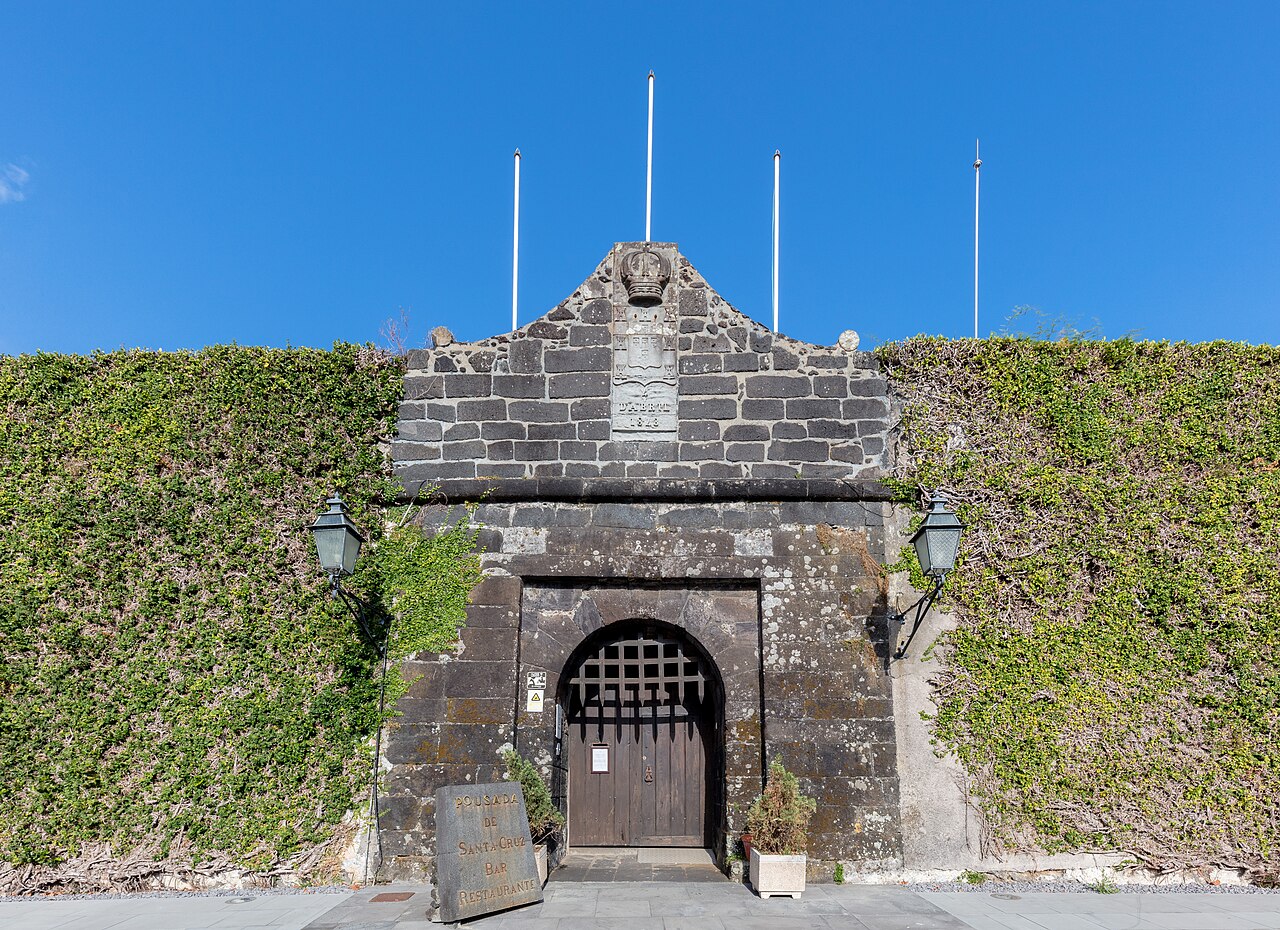
Inside, the fort includes a courtyard and various chambers that would have housed garrison troops, ammunition stores, and command facilities. The entrance is fortified with a strong gate and defensive elements such as machicolations and battlements, typical of military architecture from the Renaissance era adapted for island defense.
Role in local history and preservation
Throughout its history, Forte de São Sebastião has witnessed several episodes of military and maritime significance. It served as a deterrent against pirate raids and was actively used during conflicts involving the Azores. Its presence contributed to the security and economic stability of Angra do Heroísmo, which was a vital port for transatlantic navigation.
Today, the fort remains well preserved and is a cultural heritage site reflecting the military history of the Azores. It is accessible to visitors interested in exploring the island's defensive architecture and offers insights into the strategic maritime importance of Terceira Island during the Renaissance and beyond.
Visiting Forte de São Sebastião
Visitors to Forte de São Sebastião can explore its robust walls, bastions, and internal spaces, gaining a tangible sense of the fort's defensive capabilities. The site provides panoramic views of the port of Pipas and the surrounding coastline, making it a popular destination for those interested in military history and scenic vistas.
The fort's location within Angra do Heroísmo, a UNESCO World Heritage city, allows visitors to combine their visit with other historical and cultural attractions on Terceira Island. Information panels and guided tours often provide additional context about the fort's construction, architectural features, and role in Azorean history.
Frequently asked questions (FAQ)
- What is the historical significance of Forte de São Sebastião?
- Forte de São Sebastião, built in the late 16th century, is a significant example of military architecture in Portugal. It served as a defense against pirates and enemy ships, playing a crucial role in protecting the island of Terceira during various conflicts.
- When was Forte de São Sebastião constructed?
- The construction of Forte de São Sebastião began in 1593 and was completed in 1602. This stronghold was designed to fortify the harbor of Angra do Heroísmo, which was vital for maritime trade and military operations in the Atlantic.
- What are the opening hours of Forte de São Sebastião?
- Forte de São Sebastião is typically open to visitors from 9 AM to 6 PM, with extended hours during the summer months. It is advisable to check the official website for any seasonal variations or special closures before planning your visit.
- Can I access Forte de São Sebastião with a wheelchair?
- Yes, the site has made efforts to be accessible to all visitors, including those with mobility challenges. However, some parts of the fort may have uneven surfaces, so it is recommended to inquire at the entrance for the best routes.
- What are the ticket prices for visiting Forte de São Sebastião?
- Admission to Forte de São Sebastião is typically free, but there may be a small fee for guided tours or specific exhibitions. Always check for any updates on pricing before your visit to ensure you have the latest information.
- When is the best time to visit Forte de São Sebastião?
- The best time to visit is during the spring and early fall when the weather is mild and crowds are fewer. Summer can be busy, but it offers vibrant local events and activities that enhance the experience.
- Are there nearby attractions to visit along with Forte de São Sebastião?
- Yes, nearby attractions include the beautiful Angra do Heroísmo city center, a UNESCO World Heritage site, and the lovely Monte Brasil, which offers hiking trails and stunning views. Exploring these sites can enrich your visit to the castle and provide a deeper insight into the region's history.
Photo gallery

Information
Loading map...
Visitor reviews
No reviews yet. Been here? Write the first review and help other travelers!
Write the first reviewVisited this castle? Share your experience
Your review helps other travelers and adds first-hand knowledge to our encyclopedia.