Fort of Santa Cruz
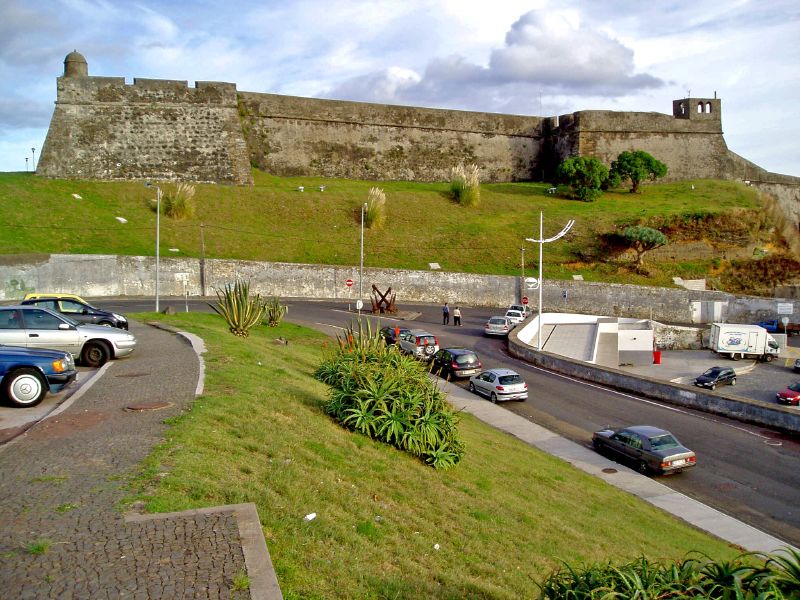
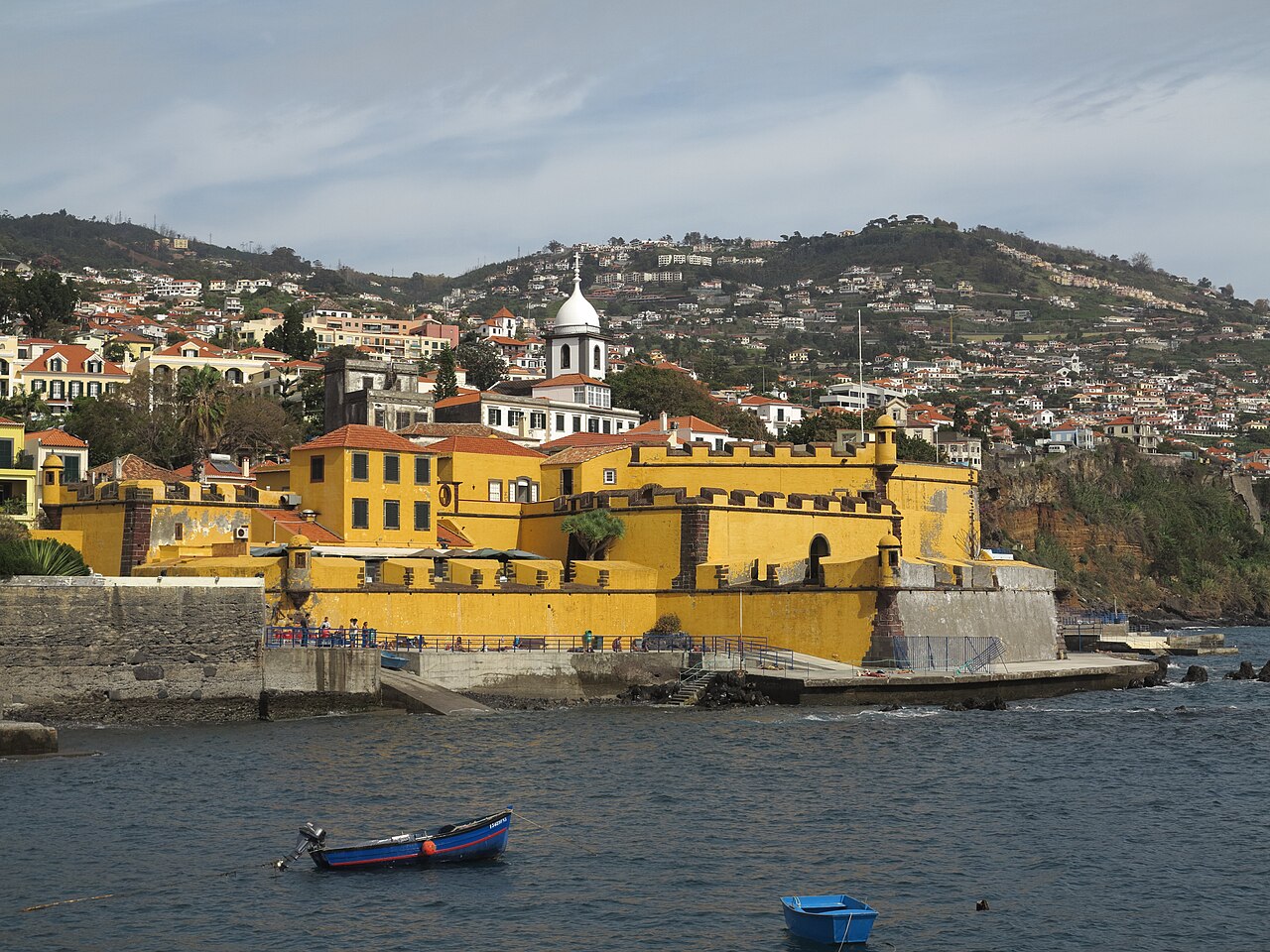
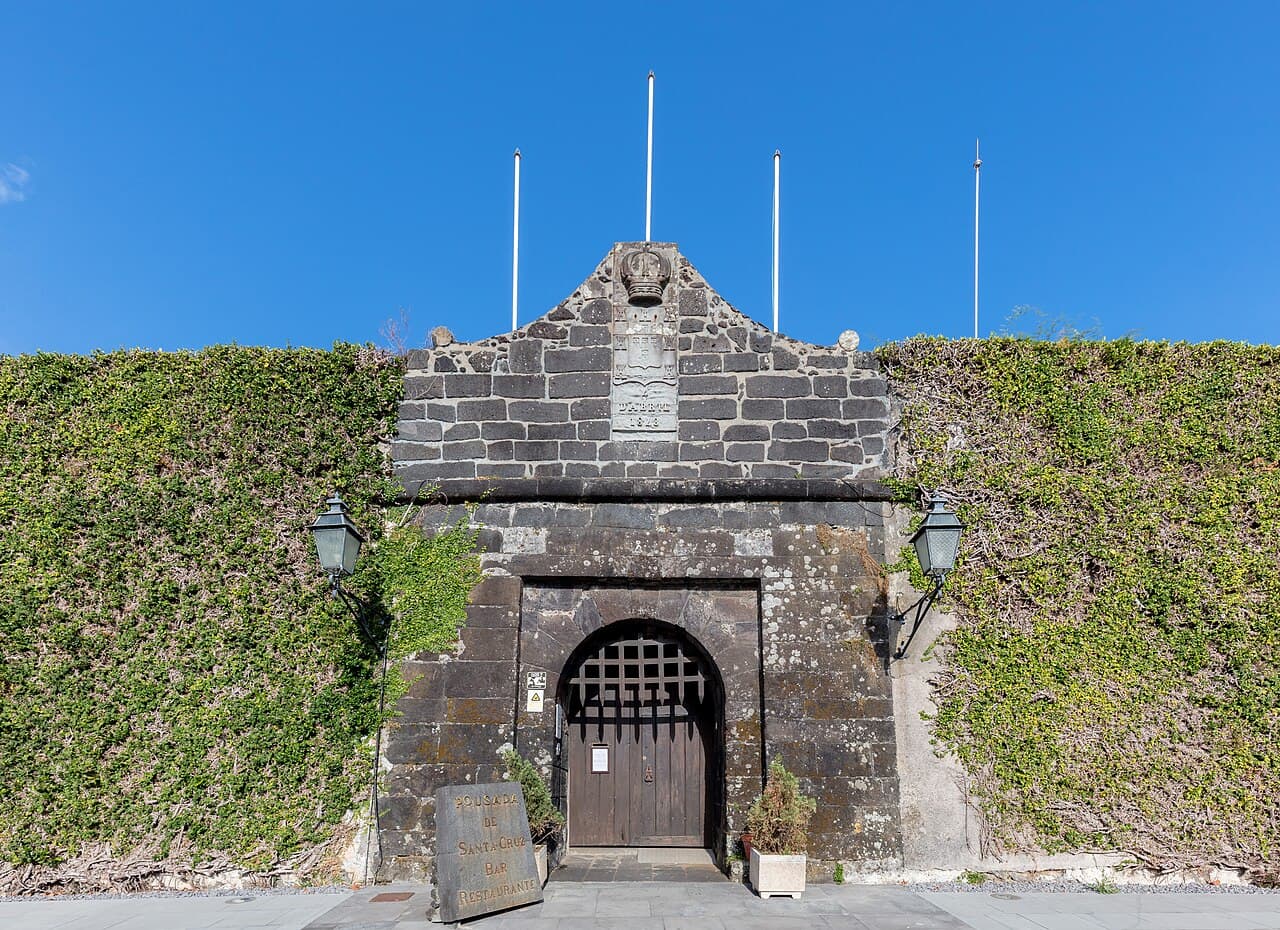
The Fort of Santa Cruz (Portuguese: Forte de Santa Cruz da Horta or Castelo da Santa Cruz) is a prominent 16th-century bastioned fortress located in the civil parish of Angústias, within the municipality of Horta on the island of Faial in the Portuguese Azores archipelago. This fortification is an important example of Renaissance military architecture in the Atlantic, designed to protect the strategic harbor of Horta, a key maritime port for transatlantic navigation and regional defense.
Situated on the edge of Horta Bay in the historic center of the city, the fort was constructed to work in coordination with two other coastal defenses: the Fort of Bom Jesus at the mouth of the Ribeira da Conceição and the Fort of Greta located along the coast of the extinct volcanic spatter cone Monte da Guia. Together, these fortifications formed a defensive network to secure the entrance to the harbor and the southern access to the bay against potential naval attacks and pirate incursions during the 16th century and beyond.
Historical context and strategic importance
The construction of the Fort of Santa Cruz dates back to the 16th century, a period marked by the expansion of Portuguese maritime exploration and the need to protect overseas territories and important ports. The Azores, located in the mid-Atlantic, were crucial waypoints for ships traveling between Europe, Africa, and the Americas. Horta, situated on Faial Island, became a vital harbor for replenishment and shelter, necessitating robust defensive structures.
The fort was part of a broader Portuguese effort to fortify the Azores against threats from rival European powers and pirates. Its position allowed it to control the bay entrance effectively, preventing enemy ships from gaining easy access to the port facilities and the town itself.
Architectural features and design
As a bastioned fortress, the Fort of Santa Cruz exemplifies the Renaissance military architectural style that incorporated angled bastions designed to deflect cannon fire and provide overlapping fields of fire. This style was a response to the increasing use of gunpowder artillery in warfare, demanding new fortification designs that could withstand bombardment and improve defensive capabilities.
The fort's layout includes thick stone walls and angular bastions projecting outward to cover adjacent walls and the harbor approach. The walls were constructed from locally sourced volcanic stone, providing durability against both attack and the harsh Atlantic weather conditions. The bastions allowed defenders to fire upon approaching vessels from multiple angles, creating interlocking zones of defense.
The interior of the fort contains casemates for artillery placement, storage rooms, and quarters for the garrison. The design also features a central courtyard and access points strategically positioned to control movement within the fort and to the surrounding city.
Defensive elements
The fort is equipped with ramparts and battlements that provided cover for soldiers while allowing them to observe and repel attackers. Its strategic location on a rocky promontory allowed for natural defense advantages, including elevation and clear sightlines over the bay.
Additionally, the fort's walls were designed to resist cannon fire, with sloped surfaces to absorb and deflect shots. The moat or ditch surrounding parts of the fort further impeded enemy advances, though specific details about its presence and extent vary in historical records.
Role through history and preservation
Throughout its history, the Fort of Santa Cruz played a key role in the defense of Horta and the Azores. It witnessed various periods of military activity, including threats during the 17th and 18th centuries from European conflicts and piracy. The fort helped secure the safety of the harbor, which was essential for the economic and social development of Faial Island.
In modern times, the fort has been preserved as a cultural heritage site. Although no longer serving a military function, it remains a well-preserved example of Renaissance bastioned fortifications and is accessible to visitors interested in military history and architecture. Its location within the city makes it a significant landmark and a reminder of the Azores' strategic maritime importance.
Current condition and visitor experience
The Fort of Santa Cruz is currently well preserved, with much of its original structure intact. Visitors can explore the fort's walls, bastions, and internal spaces, gaining insight into the defensive strategies of the period. The site offers panoramic views of Horta Bay and the surrounding landscape, enhancing its appeal as a historical attraction.
Interpretive signage and occasional guided tours provide context about the fort's construction, historical role, and architectural features. The fort's proximity to the city center allows easy access for tourists and locals alike.
Relationship with other Azorean fortifications
The Fort of Santa Cruz's defensive role was complemented by the nearby Fort of Bom Jesus and Fort of Greta. Together, these fortifications formed a coordinated system to protect Horta's harbor from seaborne threats. Each fort covered different approaches and worked in unison to create a layered defense.
This network of forts illustrates the strategic military planning of the Portuguese during the Renaissance, emphasizing control over key maritime points in the Atlantic. The forts remain important historical landmarks that reflect the Azores' role in global navigation and defense.
Frequently asked questions (FAQ)
- What is the historical significance of the Fort of Santa Cruz?
- The Fort of Santa Cruz, built in the late 16th century, played a crucial role in protecting the harbor of Horta from potential invasions. It served as a military defense structure during various conflicts and has become a symbol of the region's maritime history.
- When was the Fort of Santa Cruz constructed?
- Construction of the Fort of Santa Cruz began in 1567 and was completed in 1581. This period marked a time of heightened maritime activity and the need for coastal defense in the Azores, making the fort an important strategic asset.
- What are the opening hours for visiting the Fort of Santa Cruz?
- The Fort of Santa Cruz is generally open to visitors from 9 AM to 6 PM daily, although hours may vary seasonally. It is advisable to check the official website or local tourism information for any updates or changes in schedule.
- Is it possible to access the Fort of Santa Cruz with limited mobility?
- Accessibility to the Fort of Santa Cruz may be challenging for those with limited mobility due to its historical architecture and uneven surfaces. It is recommended to contact the fort's administration for specific accessibility options and accommodations available for visitors.
- Can I buy tickets in advance for the Fort of Santa Cruz?
- Tickets for the Fort of Santa Cruz can typically be purchased on-site; however, advanced bookings may be available during peak tourist seasons. It is best to check the official site for any online ticketing options or special events that may require pre-purchase.
- What is the best time to visit the Fort of Santa Cruz?
- The best time to visit the Fort of Santa Cruz is during the spring and early autumn months when the weather is mild and pleasant. Additionally, these seasons often see fewer tourists, allowing for a more enjoyable and less crowded experience.
- Are there nearby attractions to visit after the Fort of Santa Cruz?
- Yes, following a visit to the Fort of Santa Cruz, you can explore the charming city of Horta, including its marina and vibrant waterfront. Other nearby attractions include the Peter's Scrimshaw Museum and the beautiful beaches of the island, making it a perfect day of exploration.
Photo gallery

Information
Loading map...
Visitor reviews
No reviews yet. Been here? Write the first review and help other travelers!
Write the first reviewVisited this castle? Share your experience
Your review helps other travelers and adds first-hand knowledge to our encyclopedia.