Fortaleza de São Tiago — Portugal castle

Fortaleza de São Tiago

Fortaleza de São Tiago, Funchal: a 17th-century bastioned fortress
Funchal, Regiao Autonoma da Madeira, Portugal
Renaissance (15th–17th c.)
Well Preserved

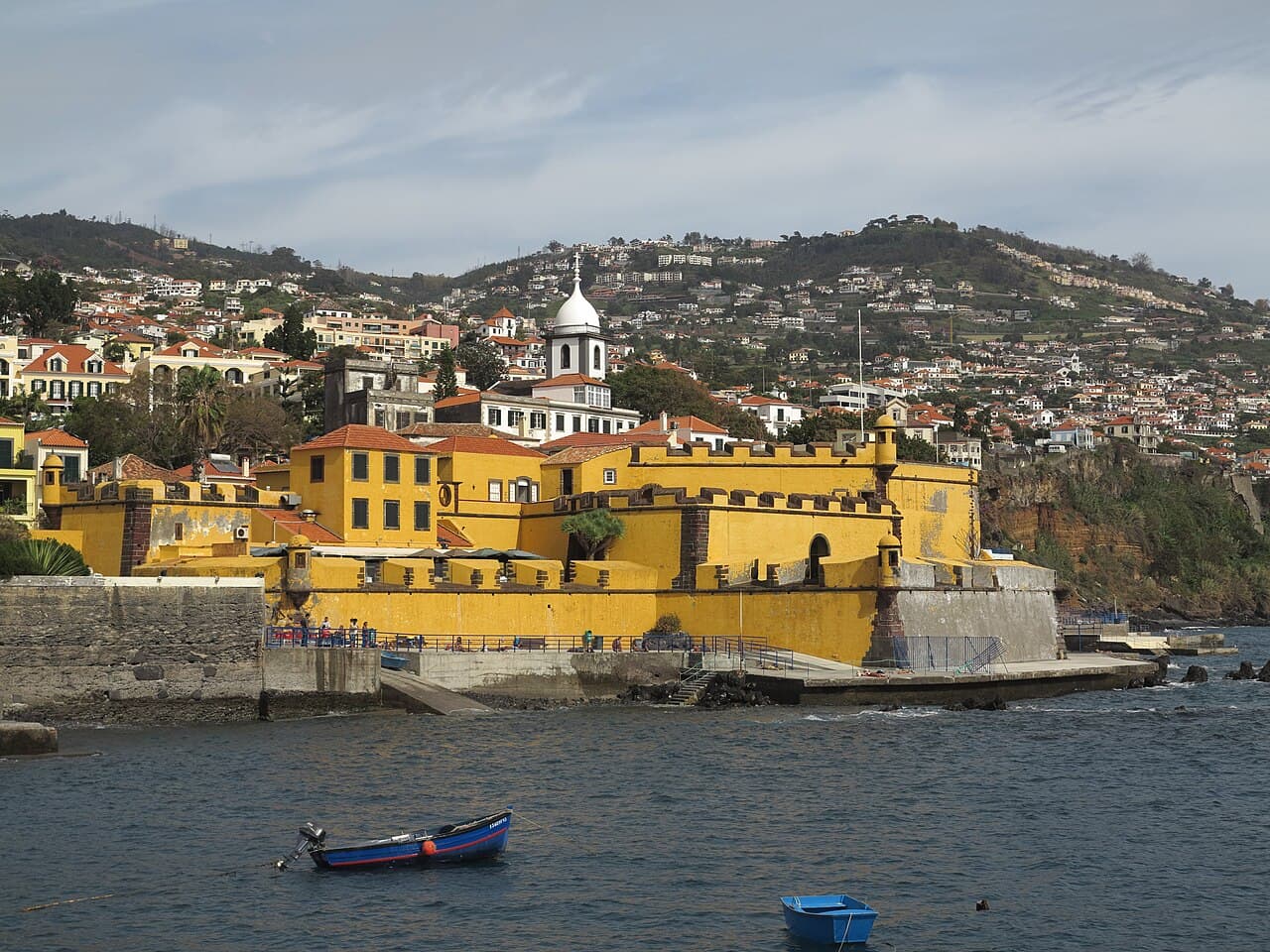
Fortaleza de São Tiago, also known as the Fort of Saint James, is a prominent 17th-century bastioned fortress located in the historic center of Funchal, the capital city of Madeira, Portugal. This fortification was constructed during the Renaissance period as a strategic military defense against the frequent pirate attacks and potential foreign invasions threatening the island. Its position overlooking the Atlantic Ocean provided a commanding view essential for coastal defense and early warning of approaching hostile ships.

Historical context and strategic importance

Built in the early 17th century, the Fortaleza de São Tiago was part of a broader network of fortifications designed to protect Madeira, a vital stopover for ships traveling between Europe, Africa, and the Americas. The island's location made it a frequent target for corsairs and privateers during the Age of Sail. The fort's construction reflected the military architectural advances of the Renaissance, incorporating bastioned defenses that allowed for better resistance against artillery attacks compared to medieval curtain walls.

Architectural features and design

The fort is characterized by its distinctive bastioned layout, a hallmark of Renaissance military architecture. Its thick, sloped walls were designed to absorb and deflect cannon fire, enhancing its defensive capabilities. The fort's yellow-painted walls stand out vividly against the coastal landscape and the blue Atlantic backdrop, making it a visual landmark in Funchal.

The structure includes several artillery platforms and gun emplacements strategically positioned to cover the harbor entrance and adjacent coastline. Its design also features a moat and fortified gatehouse, which controlled access and added layers of defense. Inside, the fort housed barracks for soldiers, ammunition magazines, and storage rooms necessary for sustained military operations.

Defensive innovations

The bastioned design allowed defenders to cover all approaches with overlapping fields of fire, eliminating blind spots that earlier medieval castles suffered from. This geometric layout was a significant evolution in fortress construction, responding to the widespread use of gunpowder artillery in warfare.

Role through history

Throughout its history, Fortaleza de São Tiago played a critical role in the defense of Madeira. It successfully deterred several pirate raids and was maintained as a military installation well into the 19th century. As the threat of piracy waned and military technology evolved, the fort's military importance declined.

In the 20th century, the fort was repurposed as a cultural venue and museum space, preserving its historical significance while opening it to the public. It now hosts exhibitions and cultural events, contributing to Madeira's tourism and heritage preservation.

Current status and visitor experience

Today, Fortaleza de São Tiago is a well-preserved bastioned fortress and a prominent cultural landmark in Funchal. Visitors can explore its ramparts, courtyards, and interior chambers, gaining insight into the island's military history and Renaissance fortification techniques.

The fort offers panoramic views of the Atlantic Ocean and the city of Funchal, making it a popular destination for tourists and history enthusiasts alike. Interpretive displays and guided tours provide detailed information about the fort's construction, historical context, and architectural features.

Accessibility and amenities

Located within the Zona Velha (Old Town) of Funchal, the fort is easily accessible on foot from the city center. It is open to visitors throughout the year, with ticketed entry supporting its maintenance and cultural programs. Nearby amenities include cafes, shops, and other historical sites, enhancing the visitor experience.

Architectural significance in the Renaissance military context

Fortaleza de São Tiago exemplifies the transition from medieval fortifications to modern bastioned forts influenced by Renaissance military engineering principles. Its design reflects the adaptation to gunpowder weaponry, emphasizing angular bastions and low, thick walls capable of withstanding cannon fire.

This fort represents a key example of Portuguese coastal defense architecture during the 17th century, combining functional military requirements with aesthetic considerations, such as its distinctive yellow facade that remains a symbol of Funchal's heritage.

Frequently asked questions (FAQ)

How do I get to Fortaleza de São Tiago in Funchal?
Fortaleza de São Tiago is located in the Zona Velha (Old Town) of Funchal and is easily accessible on foot from the city center. Public transport and taxis are also available for visitors coming from other parts of Madeira.
What is the historical significance of Fortaleza de São Tiago?
The fort was built in the early 17th century to protect Madeira from pirate attacks and foreign invasions. It is a key example of Renaissance military architecture and played a crucial role in the island's coastal defense.
Can I visit the interior of the fort?
Yes, visitors can explore the fort's interior, including its courtyards, artillery platforms, and chambers. Guided tours are available to provide detailed historical and architectural information.
What are the opening hours and ticket prices for Fortaleza de São Tiago?
The fort is open daily from 10:00 to 18:00. Admission costs €3 for adults and €1.50 for children, supporting the fort's preservation and cultural activities.
Is the fort suitable for families and children?
Yes, Fortaleza de São Tiago is family-friendly, offering spacious outdoor areas and educational exhibits suitable for children. It provides a safe and engaging environment for visitors of all ages.

Photo gallery

Fortaleza de São Tiago
Click to view

Photo by TeWeBs•CC BY-SA 3.0

1 photo • Click any image to view in full screen

Information

Bastioned Fortress

Opening hours

10:00-18:00, daily

Ticket prices

€3 adult, €1.50 child

Current owner

Municipality of Funchal

Loading map...

Visitor reviews

No reviews yet. Been here? Write the first review and help other travelers!

Write the first review

Visited this castle? Share your experience

Your review helps other travelers and adds first-hand knowledge to our encyclopedia.
Write a review

(5/5)

0/2000 characters

Your review will be visible after admin approval

Nearby castles

448 km
Castle of Santa Catalina — Spain castle

Castle of Santa Catalina

Santa Cruz de La Palma, Spain

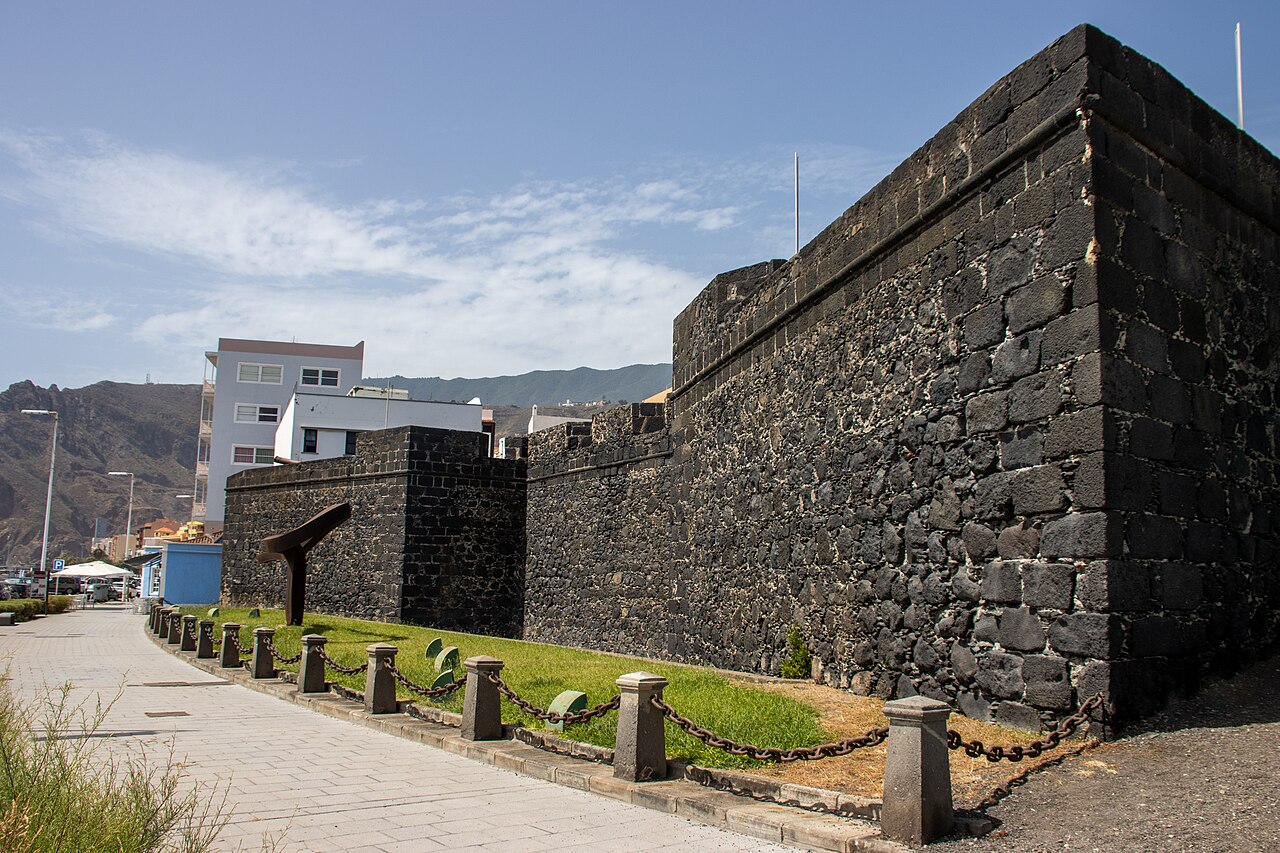
The Castle of Santa Catalina stands prominently in Santa Cruz de La Palma, on the island of La Palma in the Canary Islands, Spain. Originally constructed in the mid-16th century, this hill castle played a crucial role in the coastal defenses against pirate incursions and seaborne attacks. Its strategic location overlooking the sea at approximately 19 meters above sea level allowed it to monitor and protect the eastern coastline effectively. The castle's history reflects the military and political challenges faced by the Spanish settlers in the region during the Renaissance and later periods.The initial fortification was built between 1554 and 1560 following a devastating raid by French pirates in 1553, which exposed the vulnerability of Santa Cruz de La Palma. This first structure featured an elliptical platform and a circular tower, designed to provide a strong defensive position. The military engineer Leonardo Torriani later modified the design in 1585, enhancing its defensive capabilities. Despite these improvements, the castle suffered significant damage from severe sea storms and flooding in the mid-17th century, leading to its ruin between 1666 and 1681. The remains of this original fortification were eventually dismantled to make way for a new and more robust fortress.Construction of the current castleThe present-day Castle of Santa Catalina was constructed between 1685 and 1692 on an adjacent site to the original ruins. This reconstruction was driven by ongoing military needs to defend the island against external threats. Funding for the new fortress came from a public subscription that raised 30,000 silver reales, supplemented by contributions from the island's government in 1686. The castle was designed with a quadrangular plan featuring triangular bastions at each corner, a hallmark of Italian Renaissance military architecture. This design allowed for effective coverage of all sides and improved defense against attackers.Architectural featuresThe fortress is surrounded by a broad embankment and a moat, crossed by a wooden bridge that serves as the main entrance. The entrance portal is adorned with the coat of arms of the Catholic Monarchs of Spain, underscoring the castle's royal connections. Inside, the castle contains various functional spaces including weapon and gunpowder storage rooms, dungeons used as prison cells, warehouses, and living quarters for the garrison and the commanding governor. These features highlight the castle's dual role as a military stronghold and a place of incarceration.Historical significance and useThroughout its history, the Castle of Santa Catalina served as the main defensive structure of Santa Cruz de La Palma. It housed a permanent garrison and was actively manned until 1808. The castle also functioned as a prison, with notable detainees such as the lawyer Anselmo Pérez de Brito. By 1883, the castle was officially inventoried, reflecting its recognized historical importance. However, by 1924, it was declared unsuitable for modern military use, marking the end of its active defensive role.In 1949, the castle was sold to private owners who initially planned to demolish it. These plans were halted by a government decree that placed the castle under legal protection the same year. In 1951, the Castle of Santa Catalina was declared a Historic Monument, making it the only preserved fortification from the Habsburg era in the Canary Islands. Since then, it has remained privately owned but accessible to the public through agreements with local authorities, except for brief closures such as in early 2020.Cultural and artistic elementsIn 1999, the sculpture "El Alisio", created by the artist Martín Chirino, was installed in front of the castle. This artwork represents the characteristic trade winds of the Canary Islands, linking the fortress symbolically to its maritime environment. The sculpture was restored between 2014 and 2016, further enhancing the cultural significance of the site.Location and surroundingsThe castle's location is defined by natural features such as ravines and rock formations, with beaches nearby. These geographic elements not only provided natural barriers but also contributed to the strategic defensive position of the castle. Overlooking the sea, the castle's elevated site offered commanding views that were vital for early warning and defense against naval threats.Preservation and current statusToday, the Castle of Santa Catalina remains in well-preserved condition due to ongoing preservation efforts. It stands as an important example of Renaissance military architecture in Spain and is a significant cultural monument within the Canary Islands. Its accessibility to the public allows visitors to explore its historic walls, bastions, and internal chambers, offering insight into the military history and architectural advancements of the period.

Renaissance (15th–17th c.)
Details
467.5 km

Paso Alto Castle

Santa Cruz de Tenerife, Spain

Paso Alto Castle is a historically significant hill castle located along the coast of Santa Cruz de Tenerife in Spain. Constructed in the early 17th century, this fortress was a critical element in the island’s coastal defense system, designed to protect against naval threats during a period of intense maritime conflict. Its strategic position capitalized on local winds and currents that forced enemy ships close to shore, enabling effective control and defense of maritime access points. Early construction and strategic importance The construction of Paso Alto Castle began shortly after 1625 under the direction of Commander General Francisco de Andía. This period marked heightened concerns over naval incursions, prompting the Spanish military to bolster defenses around the Canary Islands. The castle’s design and location reflect typical 17th-century military architecture focused on coastal fortification, blending natural landscape advantages with man-made defenses. During the 1640s, amid the conflict with Portugal, the fortress underwent significant reinforcement to withstand ongoing warfare pressures. Its importance was further underscored in 1657 when it sustained a severe attack led by the English admiral Robert Blake. This assault inflicted the greatest damage on the city's fortifications, highlighting the castle’s frontline role in defending Santa Cruz. Rebuilt resilience and military engagements Plans to demolish the castle in 1683 were halted by Captain General Félix Nieto de Silva, known as the Count of Guaro, who recognized its ongoing strategic value. The fortress suffered major damage from a violent storm in 1774, necessitating a comprehensive rebuilding completed in 1782. An inscription commemorating this reconstruction remains visible on the site, serving as a testament to the castle’s resilience. In 1797, Paso Alto Castle played a pivotal role in repelling the British assault on Santa Cruz commanded by Admiral Horatio Nelson. The castle’s artillery and defensive capabilities contributed significantly to the successful resistance against one of the era’s most formidable naval powers. Multifunctional military use and cultural heritage Beyond its defensive function, the castle served as a prison during various periods. Notably, it incarcerated the local pirate known as Cabeza de Perro before his execution. In the 20th century, during the Spanish Civil War, it detained José Carlos Schwartz, the last republican mayor of Santa Cruz, prior to his execution, underscoring its continued use as a place of confinement and political significance. The castle is also linked to a significant religious and cultural artifact: the Baroque painting of Cristo de Paso Alto. This artwork, once housed in the castle’s chapel, remarkably survived the intense British bombardment in 1797 unharmed. This survival was considered miraculous by local residents and inspired an annual pilgrimage tradition that, after waning, has seen recent efforts at revival. Architectural layout and features Paso Alto Castle is constructed on a semicircular plan covering approximately 1,428 square meters and built over two levels. The rear section contains two stories with distinct functions. The lower floor housed a chapel, living quarters for troops, dungeons, storage rooms, and stables, reflecting the castle’s dual role as a military fortress and prison. The upper level accommodated the governor’s and officers’ quarters alongside essential service areas such as the kitchen, pantry, and a guardroom. The materials used in construction are not extensively documented, but the presence of an 18th-century commemorative inscription confirms major rebuilding after the 1774 storm. The chapel's significance is heightened by its housing of the Baroque Cristo de Paso Alto painting, a symbol of local faith and resilience. Later developments and current status In the late 19th century, concerns over a potential American invasion led to the construction of a nearby artillery battery. This addition was removed in the 1960s to make way for the Paso Alto Military Sports Club. Over time, ownership transferred from military to civilian authorities, with official registry records dating back to 1900 and administrative changes continuing until 1957. Today, Paso Alto Castle remains in state hands but is currently unused. The fortress has suffered considerable decay and is classified as a ruin. Despite this, its historical significance is preserved through its registration in official property records, including the Property Registry of Santa Cruz de Tenerife and the Cadastre, ensuring ongoing recognition and protection. Historical legacy and cultural impact The castle’s role in key historical events, such as the 1657 English attack and the 1797 British assault led by Admiral Nelson, underscores its importance in Spanish military history. Its use as a prison through various eras adds layers to its historical narrative, linking it to notable figures and political turmoil. The survival of the Baroque Cristo de Paso Alto painting during bombardment has cemented the castle’s place in local cultural memory, inspiring religious traditions and community identity. Efforts to revive the associated pilgrimage reflect a renewed interest in the castle’s heritage and its role in the spiritual life of the region. Architectural significance As a 17th-century hill castle designed for coastal defense, Paso Alto represents a fusion of natural topography and military engineering. Its semicircular plan and multi-level layout demonstrate an adaptation to both the landscape and the functional demands of artillery warfare and garrison life. The integration of living quarters, prison facilities, and a chapel within the fortress illustrates the multifunctional nature of such military installations. Preservation challenges Despite its historical and cultural importance, the castle faces challenges common to many coastal fortifications, including weathering from sea air, storm damage, and neglect following military decommissioning. Preservation efforts are complicated by its current unused status and the need for sustainable management strategies to protect the site for future generations.

Post-Renaissance (17th–18th c.)
Details
468.6 km
San Joaquin Castle — Spain castle

San Joaquin Castle

, Spain

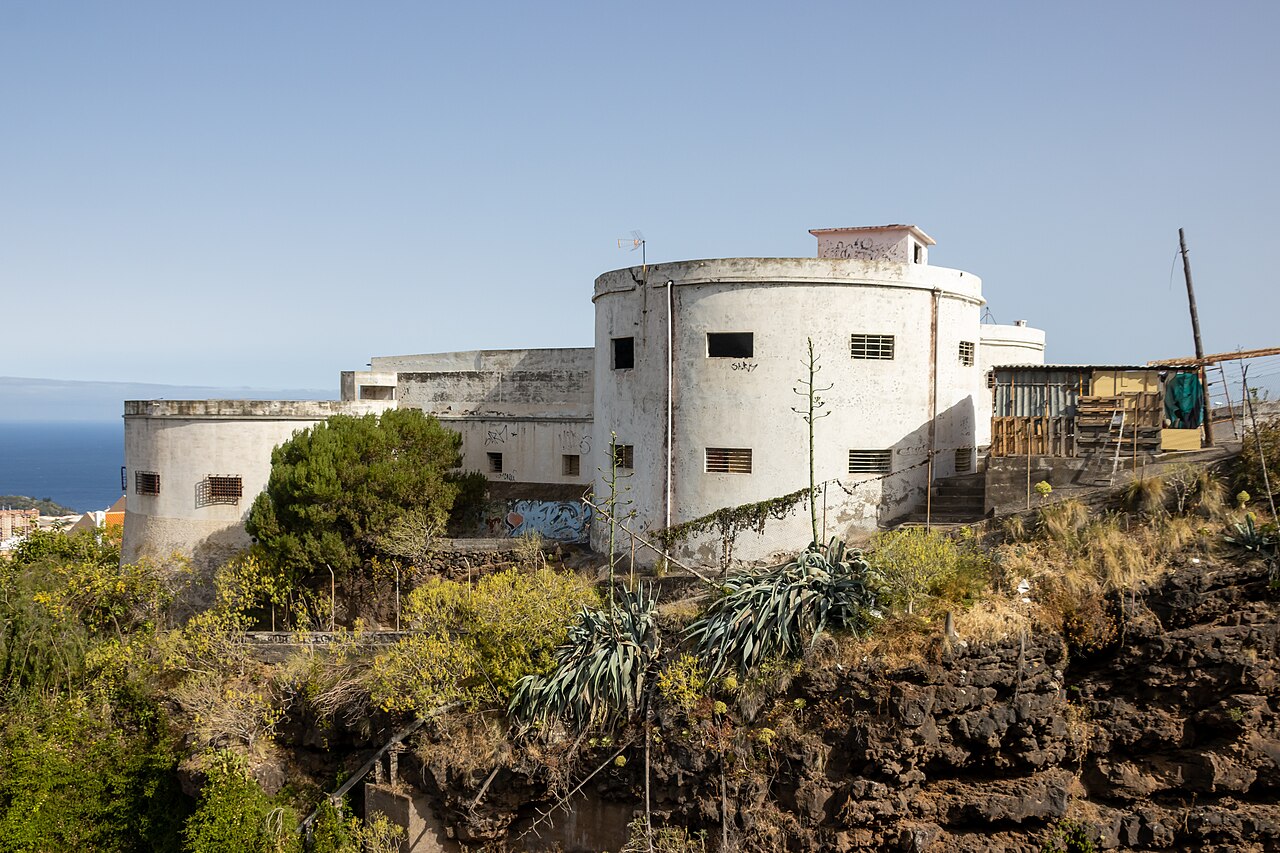
San Joaquin Castle (Spanish: Castillo de San Joaquín) is a significant hill castle located in La Cuesta, along the historic road connecting Santa Cruz de Tenerife and San Cristóbal de La Laguna in the Canary Islands, Spain. This fortress was strategically built to protect the interior of Tenerife, particularly as a fallback defense should the island's coastal fortifications be breached. Historical context and construction The origins of San Joaquin Castle trace back to the late 16th century when, in 1586, Governor Juan Núñez de la Fuente commissioned the construction of defensive platforms at the site. These initial works were designed by the Italian military engineer Leonardo Torriani, known for his expertise in fortifications. However, these early platforms were eventually abandoned and did not develop into a full fortress. The current structure of the castle was constructed much later, beginning in 1780, during the late Renaissance period transitioning into the early modern era. The castle was built to strengthen the island's interior defenses amidst ongoing concerns about invasions and pirate attacks in the Atlantic. Its location on a hill provided a commanding view of the surrounding landscape, making it a critical point of surveillance and defense. Architectural features San Joaquin Castle is characterized by its square plan with circular towers at each of the four corners, a typical design element for fortifications intended to provide overlapping fields of fire and eliminate blind spots. The castle encloses a central courtyard with bays on two sides, which likely served both functional and defensive purposes. Two of the towers were specifically designed as gunpowder storage facilities, emphasizing the castle's role as a military stronghold. The robust walls and towers were constructed to withstand artillery attacks and provide a secure refuge for troops and munitions. Adaptations and uses over time While the exterior of the castle has remained largely unchanged since its construction, the interior has undergone numerous modifications to accommodate various uses throughout its history. It has served as a military prison, an ammunition depot, and even a dovecote for the Cuerpo de Colombofilia Militar Español, a military pigeon corps that utilized the site for communication purposes. These adaptations reflect the castle's evolving role in response to changing military needs and technologies over the centuries. Current status and cultural significance In 1996, San Joaquin Castle was sold to a private owner and has since been abandoned, leading to concerns about its preservation. Despite this, the castle remains an important cultural landmark in Tenerife. The Spanish Ministry of National Education officially recorded the castle on 22 April 1949, and it was declared a site of cultural interest on 15 February 2000. This designation recognizes the castle's historical, architectural, and cultural value to the Canary Islands and Spain as a whole. Visiting and accessibility Although currently abandoned and not regularly open to the public, the castle's location near major towns like Santa Cruz de Tenerife and San Cristóbal de La Laguna makes it accessible for visitors interested in military architecture and Spanish history. The site offers a unique glimpse into the island's defensive strategies during the Renaissance and early modern periods. Visitors should note that the castle's interior may be unsafe due to its abandoned condition, and access might be restricted.

Renaissance (15th–17th c.)
Details