Fortress of Santa Cruz
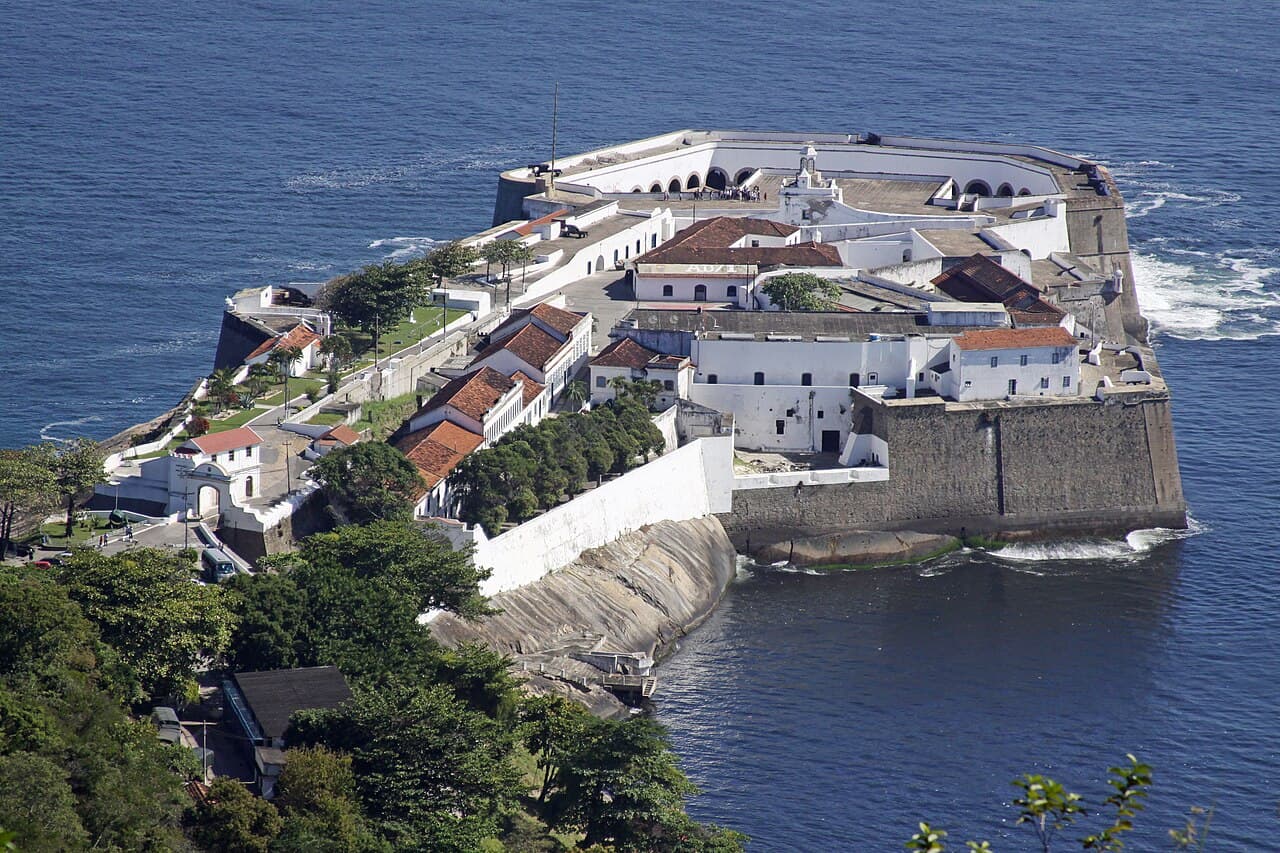
Fortress of Santa Cruz da Barra, known in Portuguese as Fortaleza de Santa Cruz da Barra, is a significant bastioned fortress located in Niterói, in the state of Rio de Janeiro, Brazil. This fortress has played a crucial role in the defense of Guanabara Bay since its origins in the 16th century, serving as a key military installation to protect the bay and the city of Rio de Janeiro from naval threats.
Historical background and strategic importance
The fortress was initially constructed in the late 16th century during the Portuguese colonial period. Its primary purpose was to guard the entrance to Guanabara Bay, a vital maritime gateway to Rio de Janeiro, which was becoming an increasingly important colonial city. Over the centuries, the fortress underwent numerous expansions and reinforcements, adapting to advances in military technology and changing strategic needs.
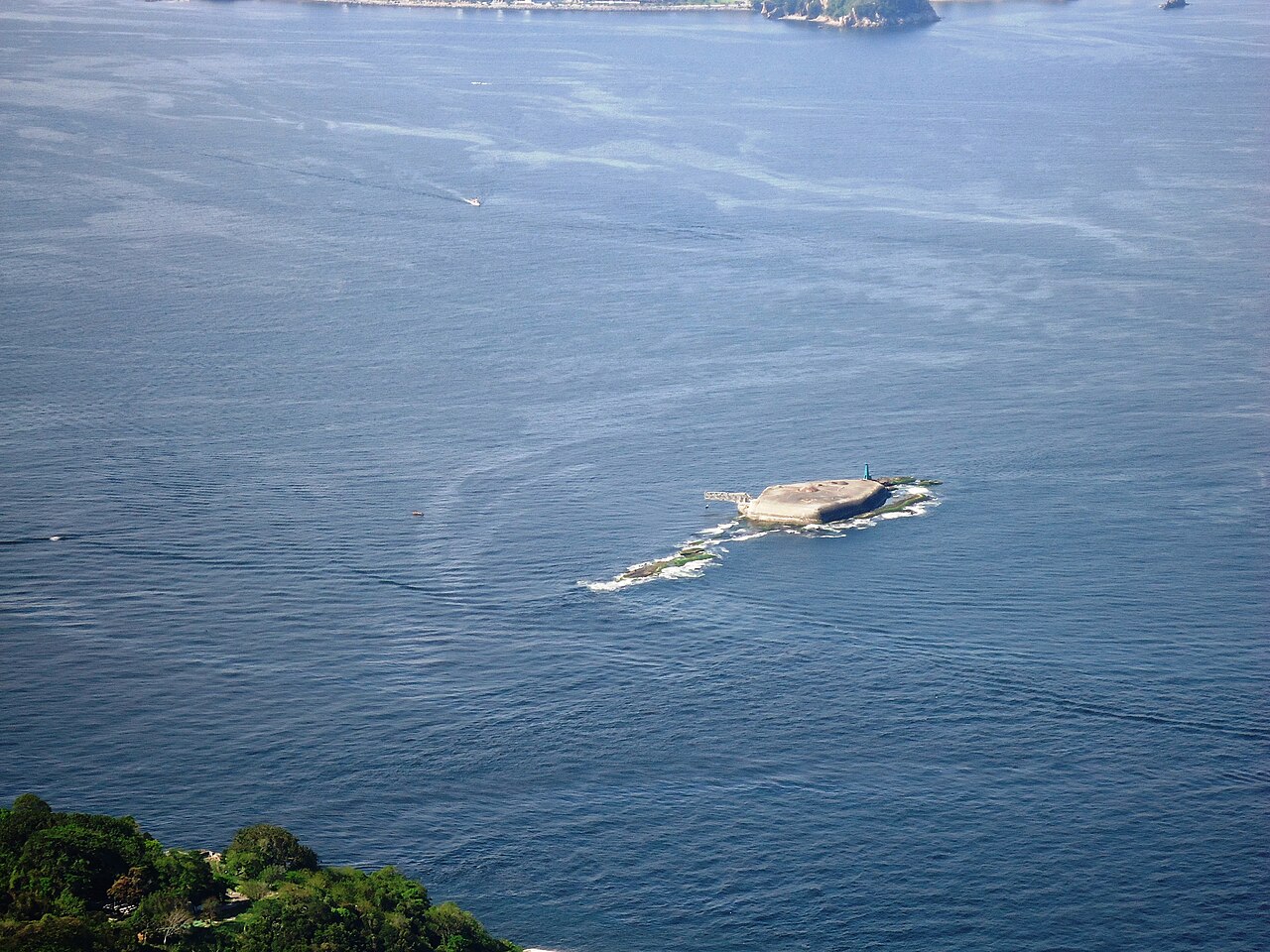
The location of the fortress on the eastern side of the bay allowed it to control naval access effectively. It formed part of a defensive network along with other forts, including the Fortress of São João on the opposite side of the bay. This network was essential to protect the region from invasions by foreign powers and pirates during the colonial era and beyond.
Architectural features and design
The Fortress of Santa Cruz da Barra exemplifies the bastioned fortress style, characterized by angular bastions designed to provide overlapping fields of fire and eliminate blind spots. This style was prevalent in the early modern period as a response to the development of artillery, requiring fortifications to withstand cannon fire and provide strong defensive positions.
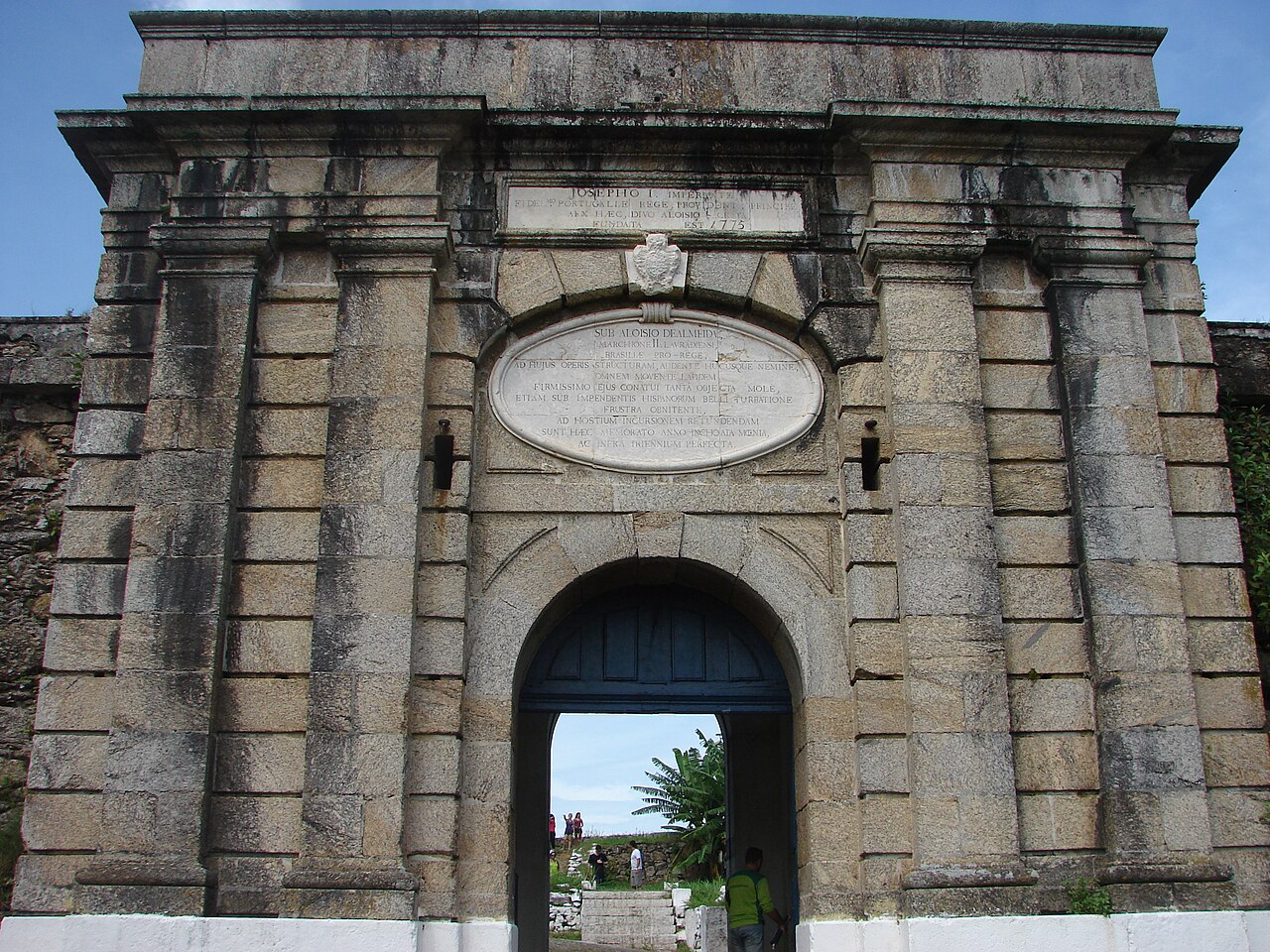
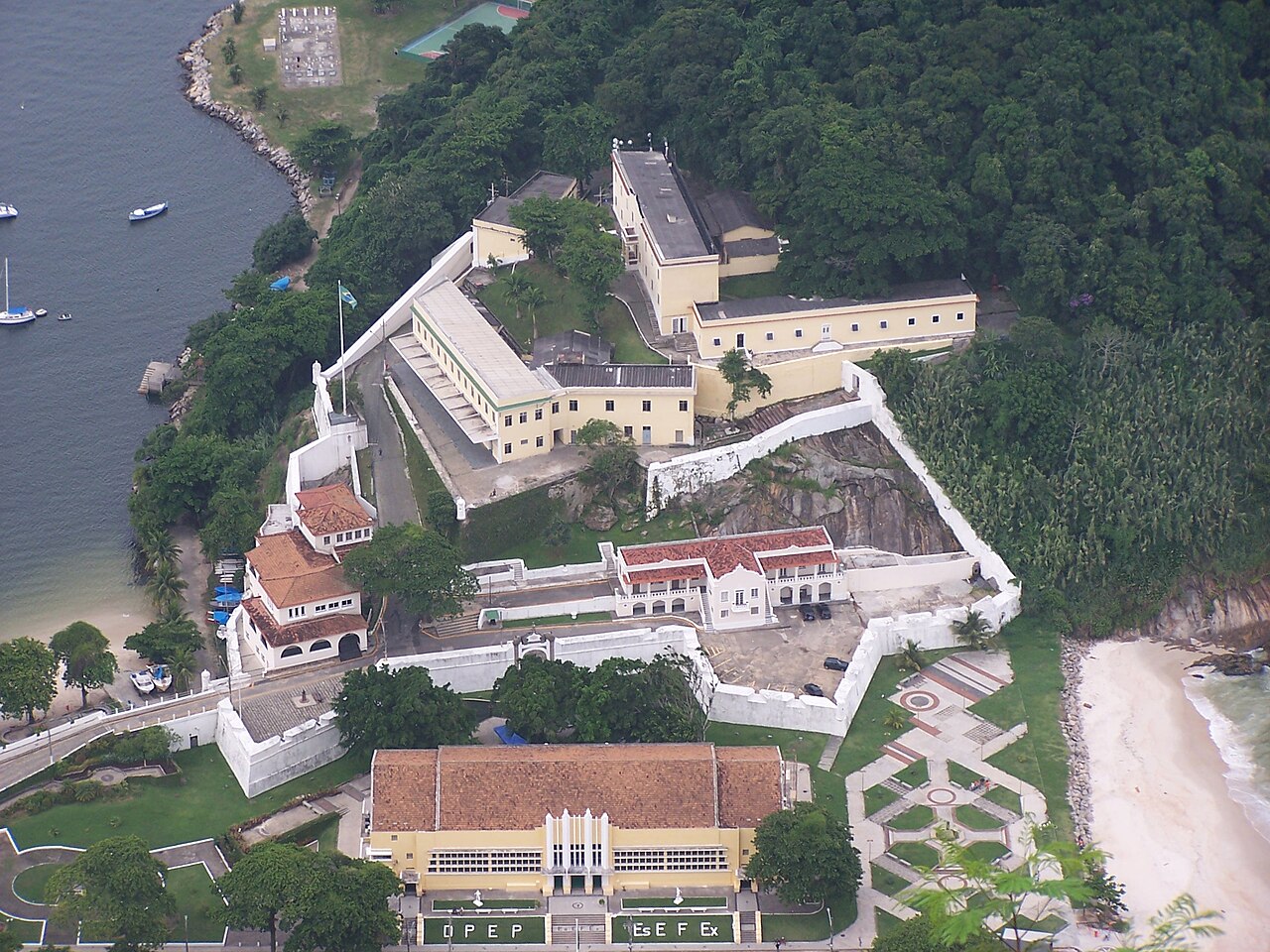
The fortress's layout includes multiple bastions connected by thick curtain walls, a moat, and a series of defensive outworks. The walls are constructed of stone and masonry, built to endure sustained attacks. The bastions are positioned to cover the approaches by sea, with artillery placements commanding the bay's entrance.
Inside the fortress, there are various military structures such as barracks, powder magazines, and command posts. The design reflects the evolution of military architecture from the 16th century through subsequent centuries, with modifications made to enhance defensive capabilities and accommodate changes in armament.
Role through history and military engagements
Throughout its history, the fortress has been involved in several military conflicts and played a defensive role during periods of European colonial rivalry, such as conflicts between Portugal, the Netherlands, and France. It also served as a deterrent during the Brazilian struggle for independence and later military events.
In the 19th and early 20th centuries, the fortress continued to be maintained and modernized to meet contemporary military standards, although its strategic importance diminished with changes in naval warfare and the development of new defense technologies.
Preservation and current status
Today, the Fortress of Santa Cruz da Barra is well preserved and functions as a historic site open to visitors. It is recognized for its cultural and architectural significance, offering insights into the military history of Brazil and colonial fortifications in South America.
The fortress is accessible to the public, with guided tours that explain its history, architecture, and role in regional defense. It remains a prominent landmark in Niterói and an important part of Brazil's heritage.
Frequently asked questions (FAQ)
- How do I get to the Fortress of Santa Cruz?
- The Fortress of Santa Cruz is located in Niterói, Brazil, and can be accessed by public transportation, taxi, or car. If you are using public transport, take the metro to the Niterói station and then a bus or taxi to the fortress. There are also parking facilities available if you choose to drive.
- What is the historical significance of the Fortress of Santa Cruz?
- The Fortress of Santa Cruz, built in the 16th century, played a crucial role in Brazil’s military history, particularly in defending the Guanabara Bay against naval attacks. It was strategically important during the Portuguese colonial period and later in the conflicts of the 19th century. Today, it stands as a testament to the military architecture of its time.
- When was the Fortress of Santa Cruz built?
- Construction of the Fortress of Santa Cruz began in 1555 and was completed in 1620. It was designed to protect the entrance of Guanabara Bay and has undergone various renovations throughout its history. The fortress reflects the military engineering of the era and has been preserved as a historical site.
- Can I take guided tours of the Fortress of Santa Cruz?
- Yes, guided tours are offered at the Fortress of Santa Cruz, providing visitors with in-depth knowledge of its history and architecture. These tours typically include key areas of the fortress, such as the battlements and museum exhibits. It is advisable to check the schedule and book in advance for larger groups.
- Why is the Fortress of Santa Cruz a popular tourist attraction?
- The Fortress of Santa Cruz is popular for its rich history, stunning architecture, and breathtaking views of Guanabara Bay and Rio de Janeiro. Visitors enjoy exploring its well-preserved structures and learning about its historical significance in Brazil. The combination of cultural heritage and scenic beauty makes it a must-visit destination.
- Is it possible to visit the Fortress of Santa Cruz with children?
- Yes, the Fortress of Santa Cruz is family-friendly and welcomes visitors of all ages. Children can enjoy exploring the vast grounds and learning about the fortress's history through interactive exhibits. However, parental supervision is recommended as some areas may have uneven surfaces.
- What are the opening hours for the Fortress of Santa Cruz?
- The Fortress of Santa Cruz is typically open to visitors from Tuesday to Sunday, from 10 AM to 5 PM. It is closed on Mondays and certain public holidays, so it's wise to check the official website for any updates regarding hours of operation. Arriving early in the day can enhance your experience as the site is less crowded.
- Are there any ticket prices for visiting the Fortress of Santa Cruz?
- Yes, there is a nominal entrance fee to visit the Fortress of Santa Cruz, which helps maintain the site. Ticket prices may vary for adults, children, and seniors, with discounts often available for students and groups. It's best to check the official website for the most current pricing information and any special promotions.
- What is the best time to visit the Fortress of Santa Cruz?
- The best time to visit the Fortress of Santa Cruz is during the dry season from May to September when the weather is typically pleasant. Mornings or late afternoons are ideal for visiting, as temperatures are milder and the light is perfect for photography. Additionally, visiting during weekdays can help avoid crowds.
- What nearby attractions can I visit after the Fortress of Santa Cruz?
- After visiting the Fortress of Santa Cruz, you can explore the beautiful Parque da Cidade, which offers panoramic views of Niterói and Rio de Janeiro. The Museu de Arte Contemporânea (MAC) is also nearby, featuring stunning architecture and an impressive collection of modern art. Both locations provide great experiences that complement your visit to the fortress.
Photo gallery

Information
Loading map...
Visitor reviews
No reviews yet. Been here? Write the first review and help other travelers!
Write the first reviewVisited this castle? Share your experience
Your review helps other travelers and adds first-hand knowledge to our encyclopedia.