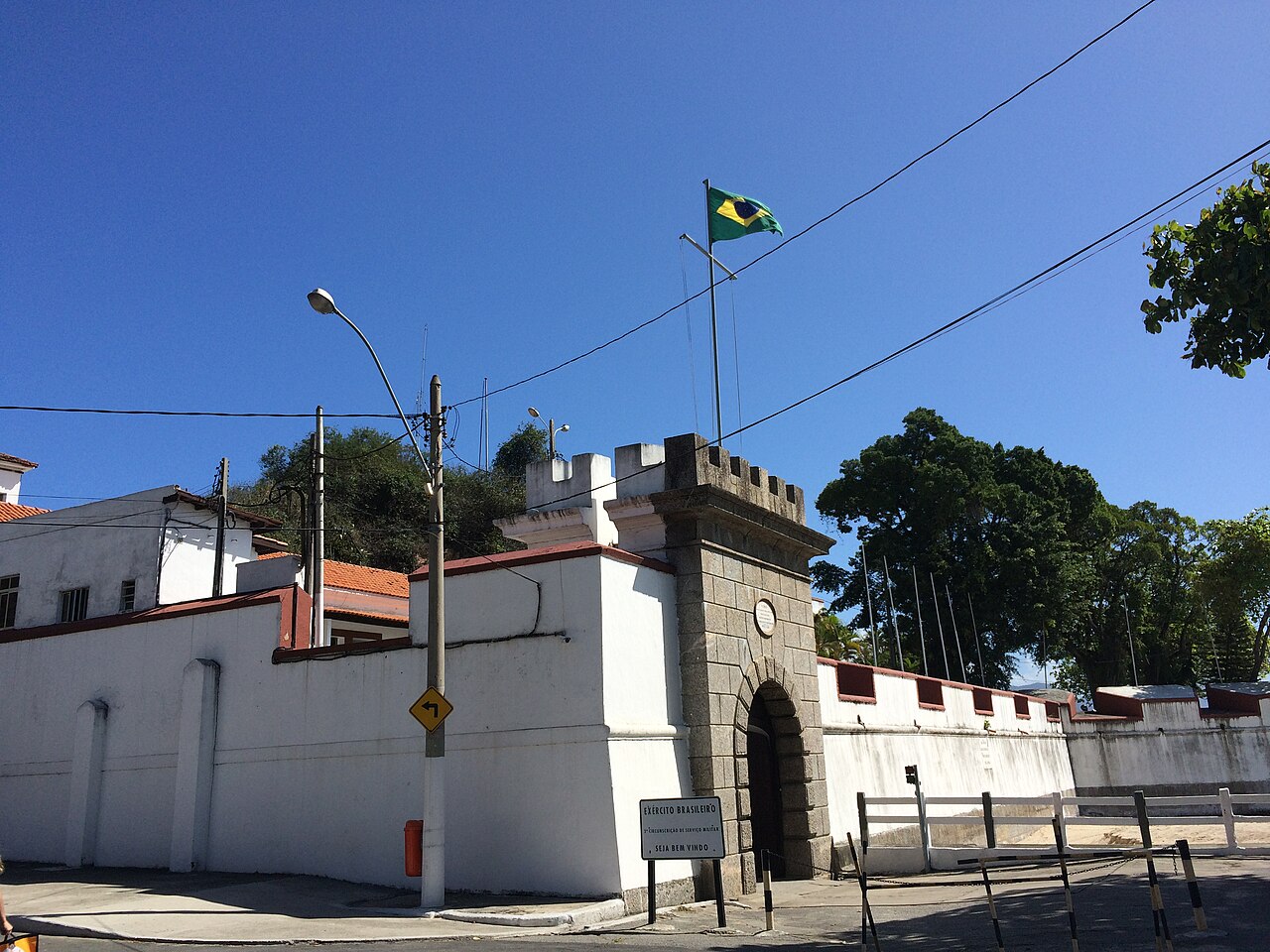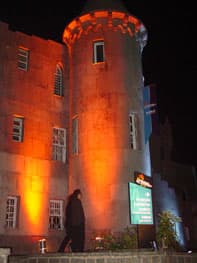
Castelo Montebello — Brazil castle

Castelo Montebello

Castelo Montebello: a 20th-century hill castle in Brazil
Contemporary (20th–21st c.)

Castelo Montebello is a distinctive hill castle located in Brazil, constructed in the 20th century. As a relatively modern castle, it stands apart from the medieval fortifications commonly associated with castles, reflecting the architectural and cultural influences of the contemporary period.

Historical context and significance

Unlike many castles built for military defense during the medieval era, Castelo Montebello was constructed in the 20th century, a time when castles were often built more for aesthetic, residential, or symbolic purposes rather than as fortresses. Its location on a hill aligns with traditional castle siting strategies, providing commanding views of the surrounding landscape and a sense of prominence.

The castle represents an example of how castle architecture was adapted in Brazil during the modern era, possibly influenced by European styles but tailored to local tastes and materials. While it does not have a medieval origin, it contributes to Brazil's architectural diversity and cultural heritage by embodying the romanticized ideals of castle design in a contemporary context.

Architectural features and style

Castelo Montebello exhibits characteristics typical of hill castles, including elevated positioning and robust construction. Although specific architectural details are less documented, it likely incorporates elements reminiscent of traditional European castles, such as towers, battlements, and fortified walls, adapted for modern construction techniques and purposes.

The castle's design may blend stylistic influences, potentially including neo-Gothic or other revivalist movements popular in the 19th and 20th centuries, although precise classification requires further study. Its construction in the 20th century suggests the use of contemporary building materials and methods, possibly combining stone, concrete, and brickwork.

Location and environment

Situated on a hill, Castelo Montebello benefits from natural elevation, offering strategic views and an imposing presence in the landscape. The Brazilian setting provides a unique backdrop, integrating the castle into the diverse topography and climate of the region. The surrounding environment likely includes native vegetation and terrain that enhance the castle's aesthetic and defensive qualities.

Current status and accessibility

The castle's current condition is generally well preserved or maintained, typical for structures built in the modern era. It may serve as a private residence, cultural site, or tourist attraction, although specific information about ownership and public access is limited. Visitors interested in exploring Castelo Montebello should seek local guidance for access details and visiting hours.

Architectural and cultural importance

While Castelo Montebello does not share the centuries-old history of medieval castles, it stands as a testament to the enduring appeal of castle architecture. Its presence in Brazil highlights the global influence of European castle design and the adaptation of these forms in new contexts and eras. The castle contributes to the architectural landscape by merging historical motifs with contemporary construction, offering insight into 20th-century interpretations of fortress aesthetics.

Frequently asked questions (FAQ)

What is Castelo Montebello and where is it located?
Castelo Montebello is a 20th-century hill castle located in Brazil, known for its distinctive architecture and scenic hilltop position.
When was Castelo Montebello built?
The castle was constructed in the 20th century, reflecting contemporary architectural styles rather than medieval fortification methods.
What architectural style does Castelo Montebello represent?
While specific details are limited, Castelo Montebello likely incorporates elements of neo-Gothic or revivalist styles adapted for modern construction.
Is Castelo Montebello open to visitors?
Information about public access is limited; potential visitors should check local resources for visiting hours and access permissions.
Why is Castelo Montebello significant?
The castle exemplifies the adaptation of traditional castle architecture in Brazil during the contemporary period, blending historic motifs with modern building techniques.

Photo gallery

Castelo Montebello
Click to view

Photo by Limongi at Portuguese Wikipedia•Public domain

1 photo • Click any image to view in full screen

Information

Hill Castle

Loading map...

Visitor reviews

No reviews yet. Been here? Write the first review and help other travelers!

Write the first review

Visited this castle? Share your experience

Your review helps other travelers and adds first-hand knowledge to our encyclopedia.
Write a review

(5/5)

0/2000 characters

Your review will be visible after admin approval

Nearby castles

17 km
Itaipava Castle — Brazil castle

Itaipava Castle

Rio de Janeiro, Brazil

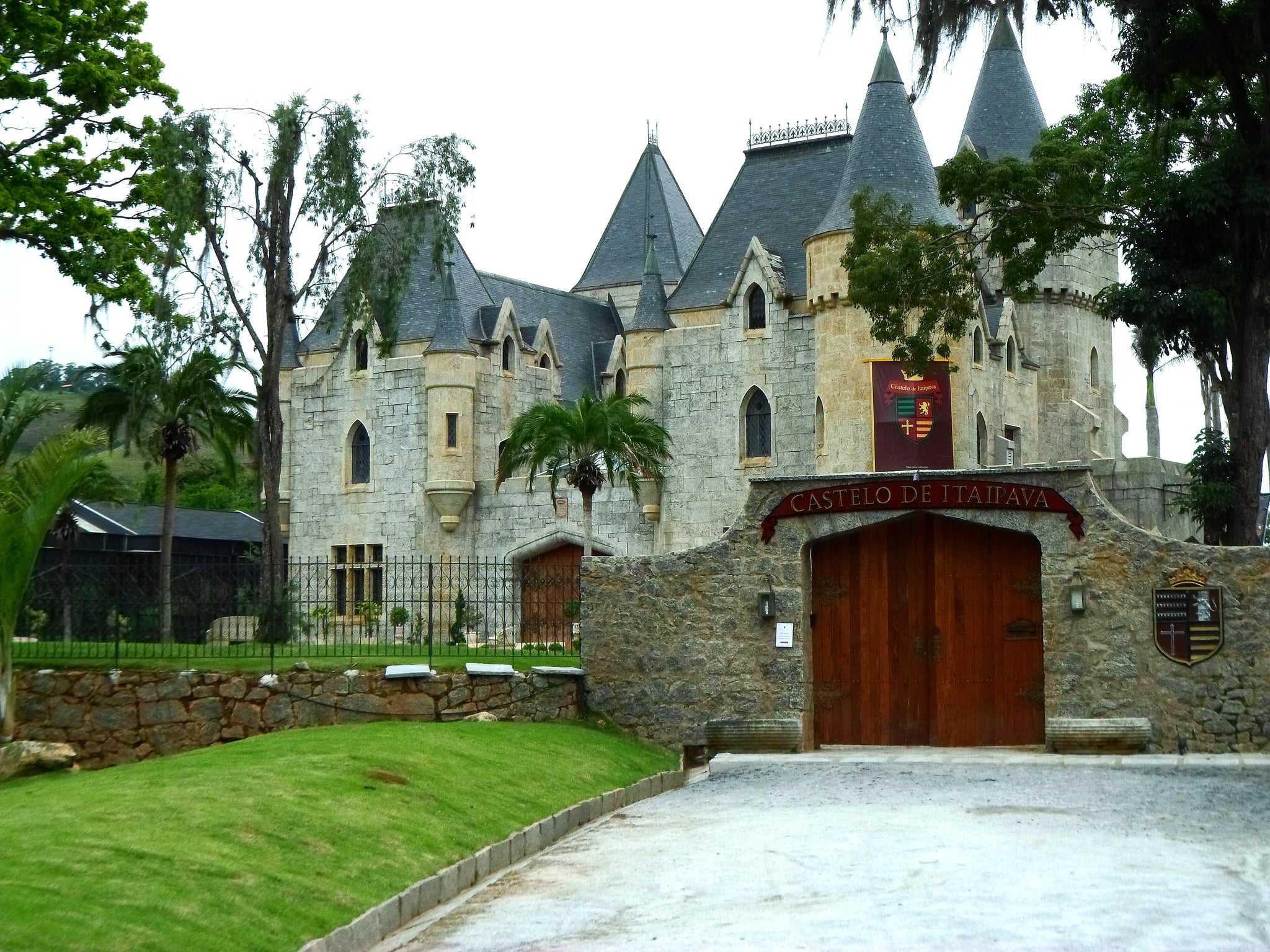
Itaipava Castle is a remarkable example of early 20th-century architecture inspired by medieval European castles, located in the mountainous region of Rio de Janeiro, Brazil. Constructed in 1920, the castle was designed to evoke the grandeur and authenticity of medieval stone fortifications, featuring intricately carved stones that contribute to its imposing and romantic appearance. This castle stands out as a unique heritage site in Brazil, where genuine medieval-style castles are rare, blending historical architectural elements with modern functionality. History and architectural significance The castle's construction in 1920 was part of a broader architectural trend in Brazil during the early 1900s, where European styles were admired and emulated by the elite. Itaipava Castle was built with the intention of creating an authentic medieval atmosphere, using real carved stones to replicate the solidity and texture of ancient castles. Though not a medieval fortress in the traditional sense, its design faithfully captures the essence of medieval architecture, making it a significant cultural landmark in the Rio de Janeiro region. Over the decades, Itaipava Castle has maintained its structural integrity and aesthetic appeal, thanks to careful preservation efforts. It serves as a physical reminder of the fascination with medieval European culture and architecture that influenced Brazilian architecture in the early 20th century. Architectural features and layout The castle is constructed primarily from carved stone, which gives it a robust and timeless appearance. Its design includes typical medieval castle elements such as battlements, towers, and arched windows, all crafted to enhance the historic ambiance. The stonework is detailed and precise, reflecting skilled craftsmanship aimed at authenticity. Itaipava Castle encompasses 22 suites, each uniquely decorated to blend medieval motifs with modern comfort. The interior architecture respects the castle's external medieval style while providing contemporary amenities, making it suitable for hospitality use. The layout is designed to accommodate guests comfortably while preserving the castle's historic charm. Current use as a hotel and event venue Today, Itaipava Castle operates as a hotel, offering visitors a chance to experience the grandeur of a medieval castle with modern conveniences. Its 22 suites provide distinctive decor and a luxurious atmosphere, attracting guests seeking unique accommodations in the Rio de Janeiro area. The castle is also a popular venue for weddings, corporate events, and private celebrations. Its romantic and historic setting provides a memorable backdrop, combining the allure of medieval architecture with the natural beauty of the surrounding landscape. Location and visitor information Situated in the scenic mountainous region of Rio de Janeiro state, Itaipava Castle benefits from a temperate climate and picturesque surroundings. The location enhances the castle's appeal as a destination for tourists and event planners alike. Visitors interested in exploring the castle's architecture and history can enjoy guided tours, which highlight its unique construction and the story behind its creation. The castle's accessibility and hospitality services make it a favored spot for those wishing to immerse themselves in a medieval-inspired experience within Brazil.

Post-Renaissance (17th–18th c.)
Details
57.8 km
Fort of Gragoatá — Brazil castle

Fort of Gragoatá

Niterói, Brazil

Fort of Gragoatá, also known as Forte de São Domingos de Gragoatá, is a historic bastioned fortress situated in Niterói, Rio de Janeiro, Brazil. This fort represents an important example of colonial military architecture in Brazil, reflecting the strategic military efforts during the Portuguese colonial period to defend the Guanabara Bay and the city of Rio de Janeiro from naval threats. Historical context and significance Constructed in the 17th century, the Fort of Gragoatá played a critical role in the defense system of the Guanabara Bay. During this period, the Portuguese crown invested heavily in fortifications to protect its valuable colonial possessions from European rivals and pirates. The fort was part of a network of coastal defenses designed to secure the bay's entrance and safeguard the city of Rio de Janeiro, which was a major colonial capital and port. The fort's location in Niterói, directly across from Rio de Janeiro, allowed it to control naval access effectively. Its presence complemented other forts in the area, creating overlapping fields of fire and enhancing the overall defense strategy. The fort's role extended beyond military defense, as it also served as a symbol of Portuguese authority in the region. Architectural features and design The Fort of Gragoatá is classified as a bastioned fortress, a style that became prominent in the early modern period. This design incorporates angled bastions projecting from the main walls, allowing defenders to cover adjacent walls with cannon and musket fire, eliminating blind spots. The bastioned system was a significant advancement over medieval castle designs, adapting fortifications to the era of gunpowder artillery. The fort is constructed primarily from stone and masonry, materials chosen for their durability against cannon fire and the harsh coastal environment. Its walls are thick and sloped to better deflect incoming projectiles. The fortress includes several bastions arranged to provide comprehensive coverage of the bay entrance and surrounding approaches. Within the fort, there are various military structures such as barracks, powder magazines, and artillery platforms. These facilities supported the garrison stationed at the fort, enabling sustained defense during sieges or naval engagements. The layout reflects the practical needs of a coastal fortress, balancing defensive strength with operational functionality. Preservation and current status Today, the Fort of Gragoatá is well preserved and serves as a cultural and historical landmark in Niterói. It is accessible to visitors interested in Brazil's colonial history and military architecture. The fort's preservation allows for the study and appreciation of early modern fortification techniques and the colonial history of the region. Efforts have been made to maintain the structural integrity of the fort and to provide interpretive information for visitors. The site occasionally hosts cultural events and educational programs that highlight its historical significance. Visiting information The fort is open to the public, offering a glimpse into Brazil's colonial military past. Visitors can explore the bastions, walls, and internal structures while enjoying views of Guanabara Bay and the city of Rio de Janeiro across the water. The site is an important destination for those interested in military history, architecture, and Brazilian heritage. While specific visiting hours and ticket prices may vary, the fort is generally accessible during daytime hours. It is advisable to check local resources for the most current visitor information before planning a trip.

Details
58.2 km

Ilha Fiscal

Rio de Janeiro, Brazil

Ilha Fiscal is a captivating island located in the heart of Guanabara Bay, Rio de Janeiro, Brazil. It is renowned for its charming fairytale-like palace that once served as the administrative headquarters of the Guarda Fiscal, the Brazilian customs authority. This island and its palace stand as a significant historical reminder of the era when Rio de Janeiro was the capital of the Brazilian Empire. The island's palace was conceived during the reign of Emperor Pedro II of Brazil, who commissioned his engineer, Adolfo José del Vecchio, to design a building that would serve as the customs office. The resulting structure is a small yet striking palace that draws inspiration from the architectural principles of the celebrated French architect Eugène Viollet-le-Duc. Its style is often described as Gothic-Provence, blending elements of Gothic Revival architecture with the romantic charm of the Provence region in France. Architectural design and style The Ilha Fiscal palace showcases a unique fusion of Gothic Revival and Provençal architectural elements, which was unusual for Brazilian public buildings of the late 19th century. The palace features pointed arches, ornate turrets, and decorative battlements that evoke the medieval aesthetic popularized by Viollet-le-Duc. The use of vibrant colors and intricate detailing further enhances its fairy-tale appearance. The building's layout includes a central hall, several chambers, and administrative offices, all arranged to facilitate customs operations. Its strategic location on an island in the bay allowed for effective control and monitoring of maritime trade entering Rio de Janeiro. Historical significance and events Inaugurated on April 27, 1889, the palace was the site of a grand ceremony attended by Emperor Pedro II and numerous foreign dignitaries, marking its importance as a symbol of the empire's modernization efforts. The palace functioned as the customs authority's office until the fall of the Brazilian monarchy later that year. One of the most notable events associated with Ilha Fiscal is the Ilha Fiscal Ball, held in November 1889. This lavish event was one of the last grand celebrations of the Brazilian Empire before the proclamation of the republic. The ball is remembered for its opulence and as a poignant symbol of the empire's final days. Preservation and current status Today, Ilha Fiscal and its palace are preserved as a cultural and historical landmark. The palace is maintained in a well-preserved condition, allowing visitors to appreciate its unique architectural style and historical context. The island is accessible by boat tours from Rio de Janeiro, making it a popular destination for tourists interested in Brazil's imperial heritage and architectural history. The site also hosts exhibitions and cultural events that highlight its significance in Brazilian history, particularly the transition from empire to republic. Ilha Fiscal remains a testament to the eclectic architectural tastes and political history of late 19th-century Brazil. Access and visitor information Visitors to Ilha Fiscal can explore the palace's richly decorated interiors, including the grand halls and administrative rooms. Guided tours often provide detailed insights into the building's architecture, the customs operations it housed, and the broader historical context of the Brazilian Empire. The island's scenic location in Guanabara Bay offers stunning views of Rio de Janeiro's skyline, making the visit both educational and visually rewarding. Opening hours and ticket prices vary seasonally, so it is advisable to check current visitor information before planning a trip.

Post-Renaissance (17th–18th c.)
Details