Forte de Santo Inácio de Tamandaré — Brazil castle

Forte de Santo Inácio de Tamandaré

Forte de Santo Inácio de Tamandaré
Tamandaré, Pernambuco, Brazil
Post-Renaissance (17th–18th c.)
Well Preserved

Forte de Santo Inácio de Tamandaré is a significant bastioned fortress located in the coastal municipality of Tamandaré, in the state of Pernambuco, Brazil. This fortification is a notable example of military architecture designed to protect the Brazilian coastline from naval threats during the colonial period. Its strategic position near the Atlantic Ocean allowed it to serve as a defensive stronghold against pirate incursions and foreign invasions.

Historical background and construction

The fort was originally constructed in the 18th century, a period marked by intense colonial competition in the Americas. Built primarily by Portuguese colonial forces, Forte de Santo Inácio was part of a broader network of coastal defenses aimed at securing Brazil's northeastern shores. The fortress's design reflects the military engineering principles of the time, emphasizing robust bastions and thick walls to withstand artillery attacks.

Architectural features and design

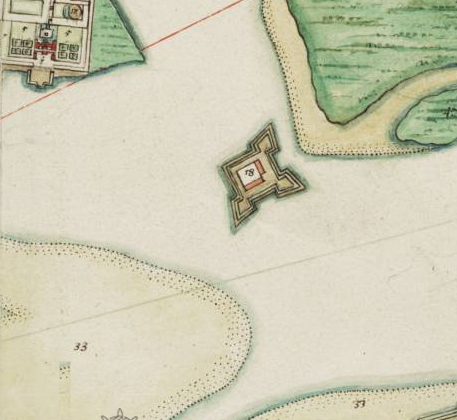
The fortress is characterized by its bastioned layout, a style that became widespread in the 16th and 17th centuries and continued into the 18th century for coastal defenses. This design includes angular bastions projecting from the main walls, enabling defenders to cover adjacent walls with crossfire and eliminate blind spots. The thick stone walls and elevated platforms were constructed to support heavy cannons and provide a commanding view of the surrounding sea and land approaches.

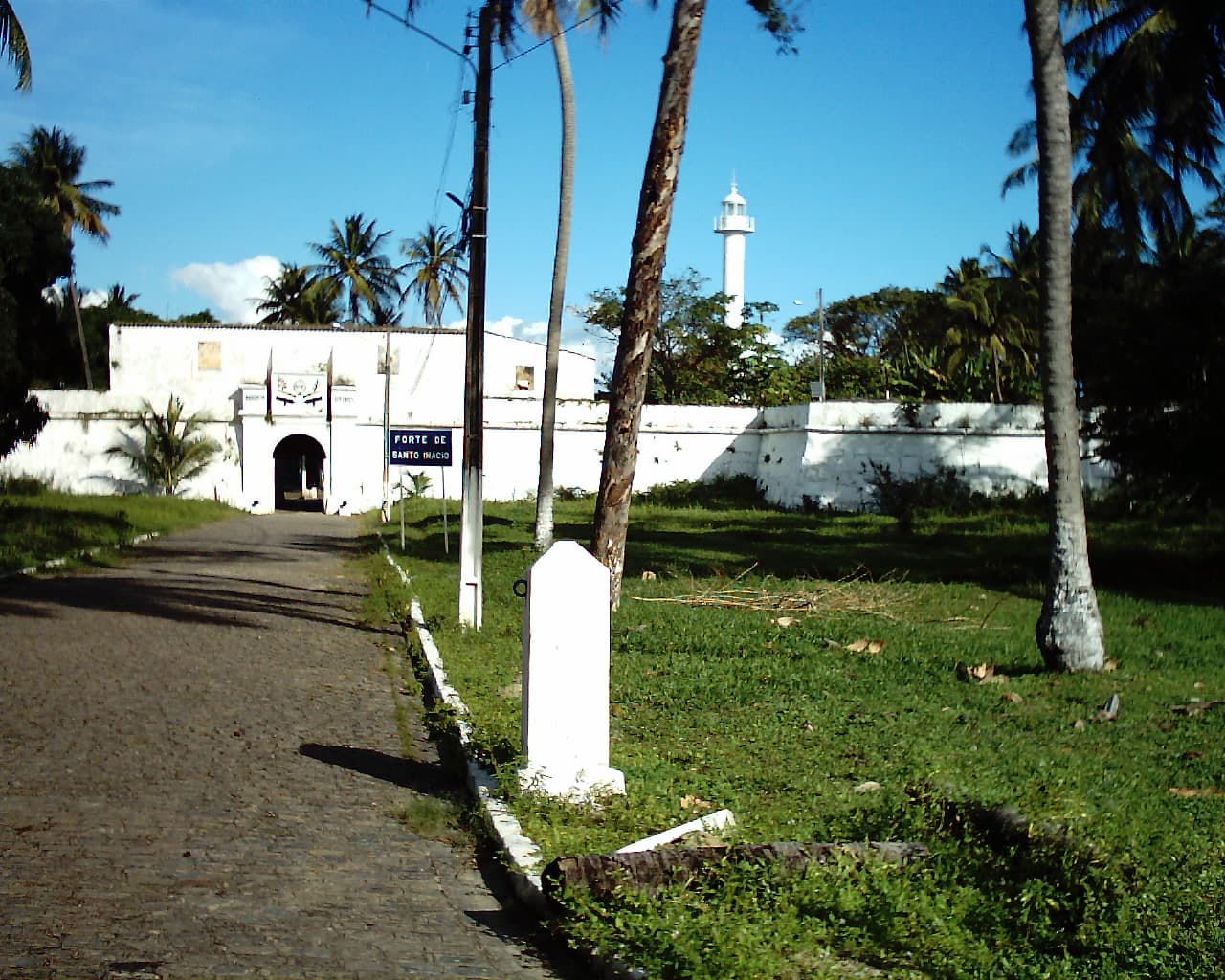
Inside the fort, there are remnants of barracks, powder magazines, and storage rooms, which were essential for sustaining the garrison during sieges or extended periods of alert. The fort's entrance is marked by a sturdy gatehouse, often featuring a drawbridge or heavy wooden doors, designed to control access and enhance security.

Restoration and current condition

Forte de Santo Inácio underwent significant restoration in 2015, which aimed to preserve its structural integrity and historical authenticity. The restoration efforts focused on stabilizing the stone masonry, repairing damaged bastions, and restoring the fort's defensive features to their original appearance as much as possible. Today, the fortress stands in a well-preserved condition, serving as a cultural heritage site and tourist attraction.

Significance and visitor experience

The fort is an important cultural landmark in Pernambuco, offering visitors insight into Brazil's colonial military history and coastal defense strategies. Its location provides panoramic views of the Atlantic Ocean and the surrounding landscape, making it a popular destination for history enthusiasts and tourists alike. Educational programs and guided tours often highlight the fort's role in regional defense and its architectural features.

Access and amenities

Visitors to Forte de Santo Inácio de Tamandaré can explore the fortress grounds, including the bastions, ramparts, and internal chambers. The site is accessible by road from the town center of Tamandaré, with signage directing visitors to the fort. Facilities may include informational panels, rest areas, and occasionally cultural events that celebrate the region's heritage.

Preservation efforts and future outlook

Ongoing preservation efforts aim to maintain the fort's condition and promote its historical significance. Local authorities and heritage organizations collaborate to ensure that Forte de Santo Inácio remains a protected site, balancing tourism with conservation. The fort's restoration has contributed to increased awareness of Brazil's colonial past and the importance of safeguarding such military architectural monuments.

Frequently asked questions (FAQ)

What is the historical significance of Forte de Santo Inácio de Tamandaré?
Forte de Santo Inácio de Tamandaré, built in the 18th century, played a crucial role in protecting Brazil's coastline from invasions. It served as a military fortress during colonial times and is a testament to the country's rich colonial history.
When was Forte de Santo Inácio de Tamandaré constructed?
The construction of Forte de Santo Inácio began in 1763 and was completed in 1765. Its strategic location was chosen to defend the region from potential threats during the colonial period.
What are the opening hours of Forte de Santo Inácio de Tamandaré?
The fortress is open to visitors from Tuesday to Sunday, from 9 AM to 5 PM. It's recommended to check for any special closures or holiday hours before planning your visit.
Can I take guided tours of Forte de Santo Inácio de Tamandaré?
Yes, guided tours are available and often provide deeper insights into the fortress's history and architecture. Visitors can join scheduled tours or inquire about private arrangements at the entrance.
Is Forte de Santo Inácio de Tamandaré accessible for individuals with disabilities?
The site has made efforts to improve accessibility, but some areas may still pose challenges due to the historical nature of the structure. It's advisable to contact the site in advance to inquire about specific accommodations.
What is the best time to visit Forte de Santo Inácio de Tamandaré?
The best time to visit is during the dry season, from May to September, when the weather is more favorable for exploration. Visiting early in the morning or late afternoon can also help avoid crowds.
Are there any nearby attractions to visit after exploring the fortress?
Yes, after visiting Forte de Santo Inácio, you can explore beautiful nearby beaches such as Praia dos Carneiros and cultural sites like the local churches. These attractions offer a perfect complement to your historical tour.
How much do tickets cost for Forte de Santo Inácio de Tamandaré?
Ticket prices for the fortress are generally affordable, with discounts available for students and seniors. It's best to check the official website or local information for the most current pricing details.
How do I get to Forte de Santo Inácio de Tamandaré?
Forte de Santo Inácio is located in Tamandaré, Brazil, and can be reached by car or public transport from major cities nearby. Local taxis and rideshare services are also available for convenience.

Photo gallery

Forte de Santo Inácio de Tamandaré
Click to view

Photo by Nss at Portuguese Wikipedia•Public domain

1 photo • Click any image to view in full screen

Information

Bastioned Fortress

Loading map...

Visitor reviews

No reviews yet. Been here? Write the first review and help other travelers!

Write the first review

Visited this castle? Share your experience

Your review helps other travelers and adds first-hand knowledge to our encyclopedia.

Write a review

(5/5)

0/2000 characters

Your review will be visible after admin approval

Nearby castles

78.4 km

Ricardo Brennand Institute

Recife, Brazil

The Ricardo Brennand Institute, located in Recife, Pernambuco, Brazil, is a unique cultural complex that combines the charm of a European-style castle with the rich history of arms and armor. This contemporary building, designed to resemble a medieval fortress, provides an immersive backdrop for one of the most significant collections of weapons and armor in South America. Visitors are transported back to the times of knights, chivalry, and historic battles as they explore the museum's extensive exhibits. Historical context and architectural inspiration Though Brazil was never a European medieval kingdom, the Dutch occupation of Brazil from 1630 to 1654 left a lasting cultural imprint, especially in the Northeast region. The institute's castle-like architecture pays homage to this period and the broader European martial heritage. The building's design evokes the fortified castles of Europe, with battlements and towers that create an authentic atmosphere for the armory collection it houses. South America's largest collection of weapons and armory The Ricardo Brennand Institute boasts the continent's most extensive and diverse collection of historical weapons and armor. Its holdings include a wide array of daggers, swords, maces, flails, halberds, crossbows, knives, and stilettos. Many pieces are exquisitely decorated, featuring semi-precious stones and intricate craftsmanship. The collection is predominantly European, reflecting the continent's rich history of martial technology, but also includes significant items from India and Japan, showcasing a global perspective on arms development. A highlight of the collection is the presence of 27 full-plate armors, which demonstrate the evolution of personal protective gear used by knights and soldiers. Notably, the institute also preserves armors designed for dogs and horses, a rare and fascinating aspect of medieval warfare and ceremonial display. Exhibits and visitor experience The museum's layout allows visitors to engage deeply with the artifacts. The armory halls are arranged to emphasize the technological and artistic progression of weaponry through the centuries. Interactive displays and detailed descriptions provide context about the historical use and significance of each item. Beyond the armory, the institute includes collections of colonial art, historical documents, and decorative arts, enriching the cultural narrative of the region and its connections to European and global history. The castle's architecture itself is a point of interest, with its turrets, battlements, and stone facades contributing to an immersive historical ambiance. Significance and cultural impact The Ricardo Brennand Institute serves not only as a museum but also as a cultural landmark in Recife. It highlights the complex history of Brazil's colonial period, including the Dutch presence, and preserves an important part of martial heritage that is often overlooked in South America. The institute's dedication to maintaining and showcasing this extensive armory collection makes it a vital resource for historians, researchers, and enthusiasts of military history and medieval culture. Its status as the home to South America's largest collection of weapons and armory attracts visitors from around the world, contributing to cultural tourism and education in the region. Visiting information and practical details Visitors to the Ricardo Brennand Institute can expect a well-curated experience that combines historical education with architectural beauty. The institute is typically open during regular museum hours, with guided tours available to enrich the understanding of the exhibits. The castle-like setting enhances the visitor experience, making it a memorable destination for those interested in history, art, and architecture.

Contemporary (20th–21st c.)
Details
80 km
Forte de São Tiago das Cinco Pontas — Brazil castle

Forte de São Tiago das Cinco Pontas

Recife, Brazil

Forte de São Tiago das Cinco Pontas is a historic bastioned fortress situated in Recife, Pernambuco, Brazil. The fort occupies the site of the former Fort Frederik Hendrik, a pentagonal fortress originally constructed by the Dutch in 1630 during their occupation of northeastern Brazil. This location was near Mauritsstad, the capital of Dutch Brazil, and the fortress was named in honor of Frederick Henry, Prince of Orange, a prominent figure in the Dutch Republic. Historical background and strategic importance The fort's origins lie in the Dutch-Portuguese conflicts of the early 17th century, when the Dutch West India Company established control over parts of Brazil. Fort Frederik Hendrik was a key military installation designed to secure Dutch dominance in the region and protect the capital city of Mauritsstad from Portuguese attacks. Its pentagonal design was typical of the Renaissance military architecture, emphasizing bastioned fortifications that allowed for overlapping fields of fire and better defense against artillery. In 1654, Portuguese forces successfully recaptured Recife, ending Dutch rule in Brazil. Following the reconquest, the Portuguese demolished the original Dutch fortress in 1677 to prevent its reuse by enemy forces. Subsequently, the Portuguese constructed the Forte de São Tiago das Cinco Pontas on the same site, incorporating the bastioned fortress style that was prevalent in the period. Architectural features and design The fortress is notable for its bastioned layout, characterized by five pointed bastions that provide a star-shaped plan. This design allowed defenders to cover all approaches with gunfire, minimizing blind spots. The five-pointed star shape was a hallmark of Renaissance military engineering, reflecting advances in fortification techniques responding to the increasing use of gunpowder artillery. The walls of the fort were constructed with thick masonry, designed to absorb and deflect cannonballs. The structure included curtain walls connecting the bastions, ravelins, and other outworks to enhance defense. Inside, the fort housed barracks, storage facilities, and artillery positions, enabling it to serve both as a defensive stronghold and a garrison. Role in Recife's defense and urban development Forte de São Tiago das Cinco Pontas played a significant role in the defense of Recife throughout the colonial period. Its strategic position near the harbor allowed control over maritime access and protection against naval incursions. The fort also served as a symbol of Portuguese authority after the reconquest, reinforcing their presence in the region. Over time, the fortress influenced the urban layout of Recife, with the surrounding neighborhood developing around its imposing walls. Today, the fort stands as a cultural landmark, reflecting the complex colonial history of Pernambuco and the broader struggles between European powers in South America. Preservation and current status The fort is well preserved and remains one of the few surviving examples of 17th-century bastioned fortresses in Brazil. It has undergone restoration efforts to maintain its structural integrity and historic character. The site now functions as a museum and cultural center, offering visitors insight into the military architecture and colonial history of Recife. Visitors can explore the bastions, ramparts, and interior chambers, gaining a sense of the fort's defensive capabilities and daily life of its garrison. The fort's location also provides panoramic views of the city and the nearby harbor, enhancing its appeal as a tourist destination. Architectural legacy and influence The design of Forte de São Tiago das Cinco Pontas exemplifies the adaptation of European fortification principles to the Brazilian context. Its bastioned star shape influenced subsequent fortifications in the region and represents a key phase in the evolution of military architecture during the Renaissance period. The fort's preservation contributes to understanding the technological and strategic innovations of the era. As a historical monument, the fort also highlights the cultural interactions and conflicts between the Dutch and Portuguese colonial powers, illustrating the shifting control of territories in South America during the 17th century.

Renaissance (15th–17th c.)
Details
81.8 km
Fort Waerdenburgh — Brazil castle

Fort Waerdenburgh

, Brazil

Fort Waerdenburgh stands as a notable example of 17th-century bastioned fortress architecture in Brazil, reflecting the Renaissance period's military design principles. Constructed during a time when European powers were expanding their colonial reach, this fortress was strategically built to defend key territories and trade routes against rival nations and indigenous resistance. Historical context and significance During the 17th century, Brazil was a contested territory among European colonial powers, primarily the Portuguese and the Dutch. Fort Waerdenburgh was established as part of the Dutch efforts to consolidate their presence in northeastern Brazil. The fortress played a crucial role in the military campaigns and territorial disputes of the era, serving both as a defensive stronghold and a base for operations. The fort's construction reflects the broader geopolitical dynamics of the time, where control over coastal regions and river mouths was vital for securing economic and strategic advantages. Its position allowed for surveillance and control of maritime traffic, protecting valuable resources and settlements inland. Architectural features of fort waerdenburgh Bastioned design and layout Fort Waerdenburgh exemplifies the bastioned fortress style, characterized by angular bastions projecting from the main walls. This design allowed defenders to cover adjacent walls with crossfire, eliminating blind spots and enhancing the fort's defensive capabilities against artillery and infantry assaults. The fortress's walls are constructed from robust masonry, designed to absorb and deflect cannon fire. The bastions are positioned to maximize coverage of the surrounding terrain, including approaches by land and sea. The layout typically includes a central courtyard, surrounded by barracks, storage facilities, and command quarters. Defensive structures and armaments The fort was equipped with artillery placements on the bastions, enabling it to engage enemy ships and troops before they could mount an effective attack. Defensive features likely included a moat or ditch, drawbridges, and reinforced gates to control access. Within the walls, there would have been powder magazines, armories, and provisions storage to sustain the garrison during sieges. The design also incorporated living quarters for soldiers and officers, as well as facilities for command and communication. Renaissance military architecture influences The design of Fort Waerdenburgh reflects the influence of Renaissance military architecture, which emphasized geometric precision, symmetry, and the integration of artillery in fortifications. This period saw the transition from medieval castles to modern forts capable of withstanding cannon fire and supporting heavy artillery. The bastioned layout was a response to the evolving nature of warfare, providing overlapping fields of fire and minimizing vulnerable points. The fortress's construction techniques and materials were advanced for the time, incorporating lessons learned from European conflicts. Current status and preservation While detailed information on the current condition of Fort Waerdenburgh is limited, bastioned fortresses from this period in Brazil often face challenges related to preservation due to environmental factors and urban development pressures. Efforts to maintain such historical sites are important for cultural heritage and education. Visitors to similar forts in Brazil can observe the enduring features of Renaissance military engineering and gain insight into the colonial history of the region. Visiting fort waerdenburgh Information about public access, visiting hours, and guided tours at Fort Waerdenburgh is scarce. Prospective visitors should seek local resources or heritage organizations for up-to-date details. Visiting such a site offers a unique opportunity to explore the military architecture and colonial history of 17th-century Brazil.

Renaissance (15th–17th c.)
Details