Forte de São Tiago das Cinco Pontas
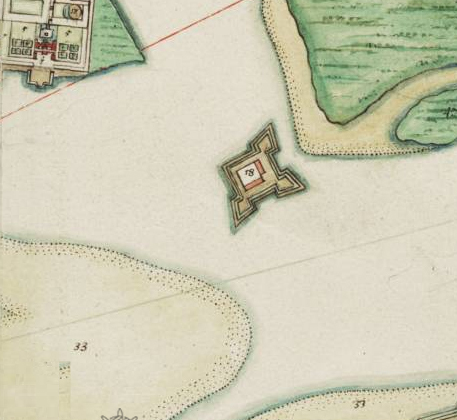
Forte de São Tiago das Cinco Pontas is a historic bastioned fortress situated in Recife, Pernambuco, Brazil. The fort occupies the site of the former Fort Frederik Hendrik, a pentagonal fortress originally constructed by the Dutch in 1630 during their occupation of northeastern Brazil. This location was near Mauritsstad, the capital of Dutch Brazil, and the fortress was named in honor of Frederick Henry, Prince of Orange, a prominent figure in the Dutch Republic.
Historical background and strategic importance
The fort's origins lie in the Dutch-Portuguese conflicts of the early 17th century, when the Dutch West India Company established control over parts of Brazil. Fort Frederik Hendrik was a key military installation designed to secure Dutch dominance in the region and protect the capital city of Mauritsstad from Portuguese attacks. Its pentagonal design was typical of the Renaissance military architecture, emphasizing bastioned fortifications that allowed for overlapping fields of fire and better defense against artillery.
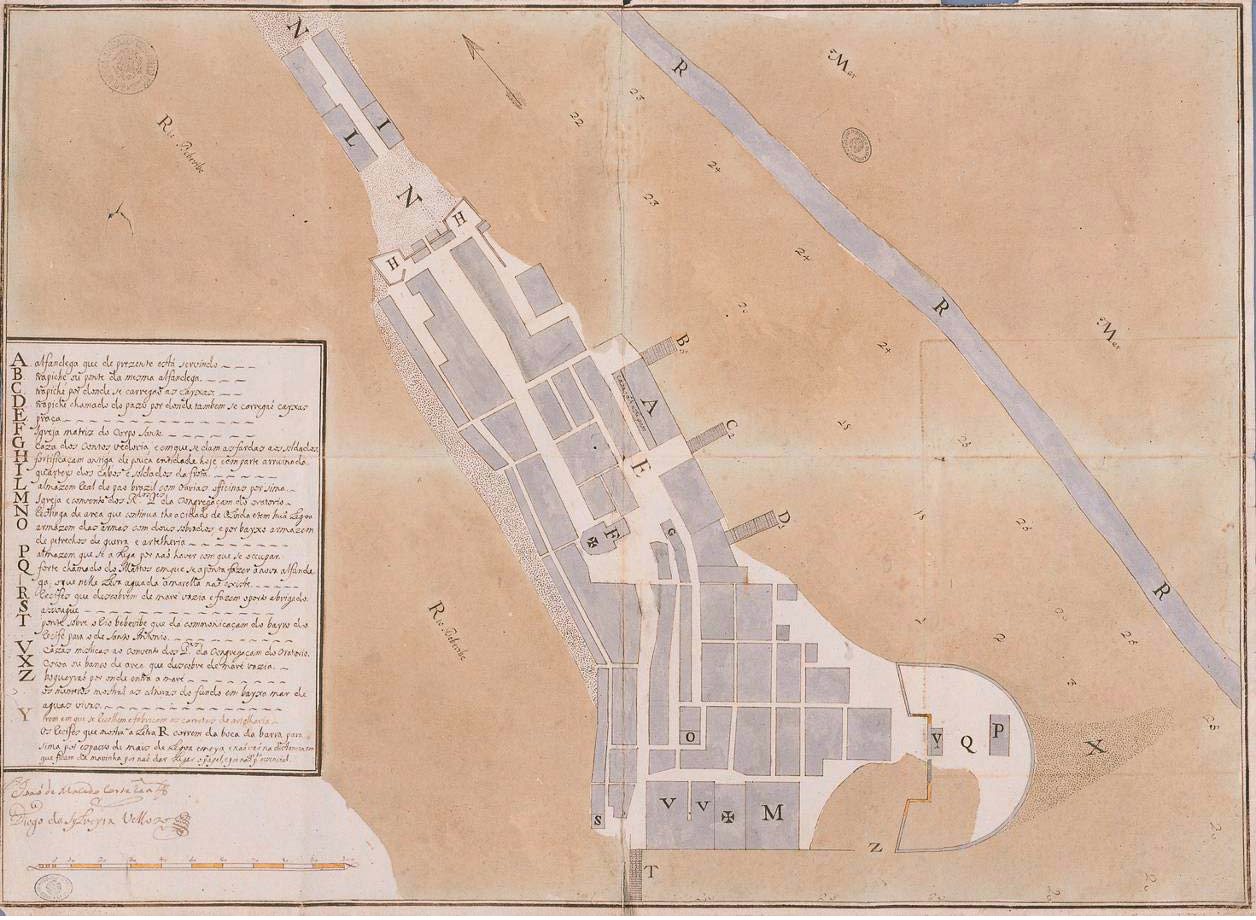
In 1654, Portuguese forces successfully recaptured Recife, ending Dutch rule in Brazil. Following the reconquest, the Portuguese demolished the original Dutch fortress in 1677 to prevent its reuse by enemy forces. Subsequently, the Portuguese constructed the Forte de São Tiago das Cinco Pontas on the same site, incorporating the bastioned fortress style that was prevalent in the period.
Architectural features and design
The fortress is notable for its bastioned layout, characterized by five pointed bastions that provide a star-shaped plan. This design allowed defenders to cover all approaches with gunfire, minimizing blind spots. The five-pointed star shape was a hallmark of Renaissance military engineering, reflecting advances in fortification techniques responding to the increasing use of gunpowder artillery.
The walls of the fort were constructed with thick masonry, designed to absorb and deflect cannonballs. The structure included curtain walls connecting the bastions, ravelins, and other outworks to enhance defense. Inside, the fort housed barracks, storage facilities, and artillery positions, enabling it to serve both as a defensive stronghold and a garrison.
Role in Recife's defense and urban development
Forte de São Tiago das Cinco Pontas played a significant role in the defense of Recife throughout the colonial period. Its strategic position near the harbor allowed control over maritime access and protection against naval incursions. The fort also served as a symbol of Portuguese authority after the reconquest, reinforcing their presence in the region.
Over time, the fortress influenced the urban layout of Recife, with the surrounding neighborhood developing around its imposing walls. Today, the fort stands as a cultural landmark, reflecting the complex colonial history of Pernambuco and the broader struggles between European powers in South America.
Preservation and current status
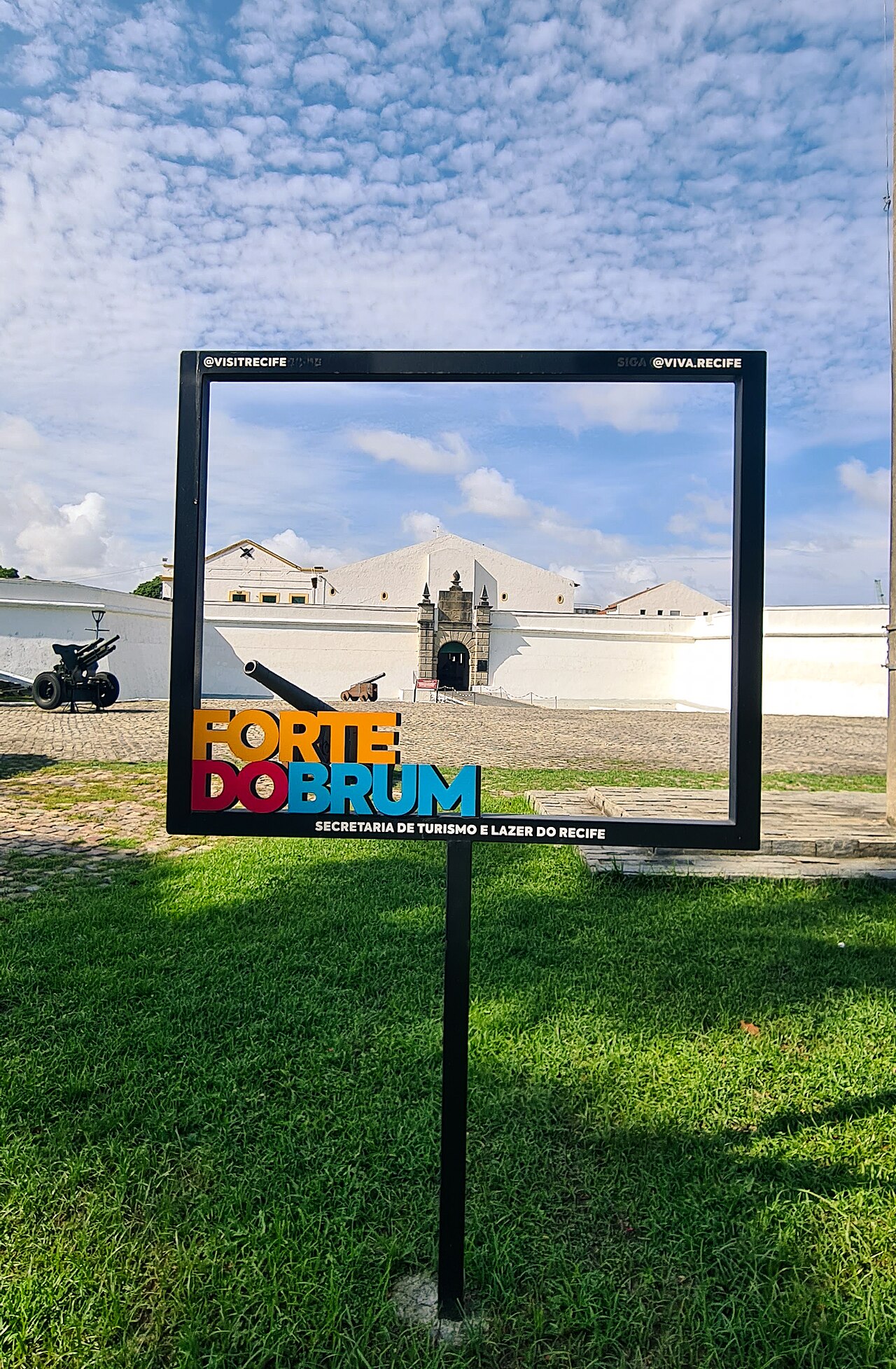
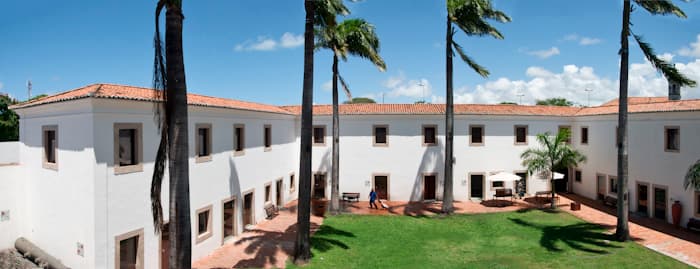
The fort is well preserved and remains one of the few surviving examples of 17th-century bastioned fortresses in Brazil. It has undergone restoration efforts to maintain its structural integrity and historic character. The site now functions as a museum and cultural center, offering visitors insight into the military architecture and colonial history of Recife.
Visitors can explore the bastions, ramparts, and interior chambers, gaining a sense of the fort's defensive capabilities and daily life of its garrison. The fort's location also provides panoramic views of the city and the nearby harbor, enhancing its appeal as a tourist destination.
Architectural legacy and influence
The design of Forte de São Tiago das Cinco Pontas exemplifies the adaptation of European fortification principles to the Brazilian context. Its bastioned star shape influenced subsequent fortifications in the region and represents a key phase in the evolution of military architecture during the Renaissance period. The fort's preservation contributes to understanding the technological and strategic innovations of the era.
As a historical monument, the fort also highlights the cultural interactions and conflicts between the Dutch and Portuguese colonial powers, illustrating the shifting control of territories in South America during the 17th century.
Frequently asked questions (FAQ)
- What is the historical significance of Forte de São Tiago das Cinco Pontas?
- Forte de São Tiago das Cinco Pontas is a 17th-century fortress located in Recife, Brazil, built to protect the city from invasions. It is an important symbol of the colonial military architecture and reflects the Portuguese influence in the region. The fort also played a pivotal role during various conflicts, making it a key historical landmark.
- When was Forte de São Tiago das Cinco Pontas constructed?
- The construction of Forte de São Tiago das Cinco Pontas began in 1630 and was completed in 1654. It was built during the Dutch occupation of Brazil and represents the military strategies of the time. The fortification's design showcases the architectural styles prevalent during the colonial period.
- Can I visit Forte de São Tiago das Cinco Pontas?
- Yes, visitors can explore Forte de São Tiago das Cinco Pontas. The site is open to the public and offers guided tours that provide insights into its history and architecture. It's a great opportunity to learn about Recife's past while enjoying the scenic views from the fort.
- What are the opening hours for Forte de São Tiago das Cinco Pontas?
- Forte de São Tiago das Cinco Pontas is typically open to visitors from Tuesday to Sunday, from 9:00 AM to 5:00 PM. It is advisable to check the official website for any changes in hours, especially during holidays or special events. Plan your visit accordingly to make the most of your experience.
- Is it possible to access Forte de São Tiago das Cinco Pontas with mobility aids?
- The fortress has made efforts to accommodate visitors with mobility challenges, although some areas may have limited accessibility due to its historical structure. It's best to contact the site in advance to inquire about specific accessibility features. Staff members are usually available to assist visitors as needed.
- What is the best time to visit Forte de São Tiago das Cinco Pontas?
- The best time to visit Forte de São Tiago das Cinco Pontas is during the dry season, which runs from September to February. The weather is generally more pleasant, making it ideal for exploring the fort and the surrounding area. Additionally, visiting during weekdays may help you avoid larger crowds.
- Are there any nearby attractions to visit after exploring the fort?
- Yes, there are several nearby attractions to enjoy after visiting Forte de São Tiago das Cinco Pontas. The historic center of Recife, with its colorful colonial buildings and vibrant culture, is just a short distance away. You may also want to visit the nearby Museu do Frevo or enjoy the scenic waterfront along the Capibaribe River.
- What are the ticket prices for visiting Forte de São Tiago das Cinco Pontas?
- Ticket prices for Forte de São Tiago das Cinco Pontas are typically affordable, with discounts available for students and seniors. Admission fees may vary, so it's a good idea to check the official website or contact the fort directly for the most current pricing information. This ensures you are well-prepared for your visit.
Photo gallery

Information
Loading map...
Visitor reviews
No reviews yet. Been here? Write the first review and help other travelers!
Write the first reviewVisited this castle? Share your experience
Your review helps other travelers and adds first-hand knowledge to our encyclopedia.