Forte de Santa Luzia
Fort Santa Luzia is a prominent 17th-century bastioned fortress located in Elvas, within the Alentejo region of Portugal. It forms an integral part of the extensive defensive system that protected the strategic border town of Elvas, a key military stronghold during the Portuguese Restoration War in the 17th century. The fort's robust design and historical significance have earned it classification as a National Monument since 1940, and it contributes to the UNESCO World Heritage designation of the "Garrison Border Town of Elvas and its Fortifications" granted in 2012.
Historical context and military importance
During the turbulent period of the War of Restoration of Independence (1640–1668), Fort Santa Luzia played a crucial defensive role. The fort was repeatedly besieged by Spanish forces aiming to reclaim control over Portuguese territory. Most notably, the siege of Elvas in 1658 saw the fort's defenders withstand intense attacks led by the Spanish commander Don Luis de Haro. This siege was a prelude to the decisive Battle of the Lines of Elvas on January 14, 1659, where Portuguese forces successfully repelled the invaders, securing the border region.
Architectural features and design
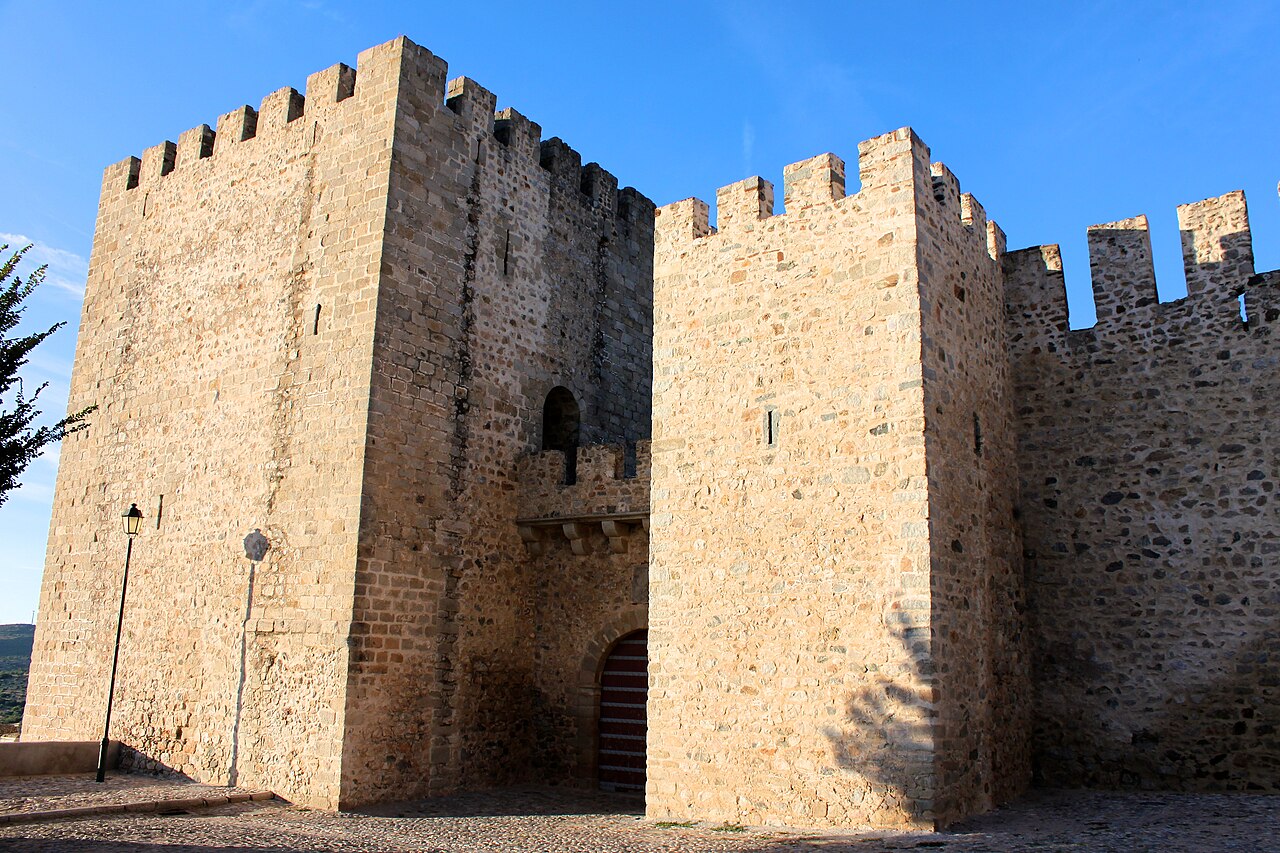
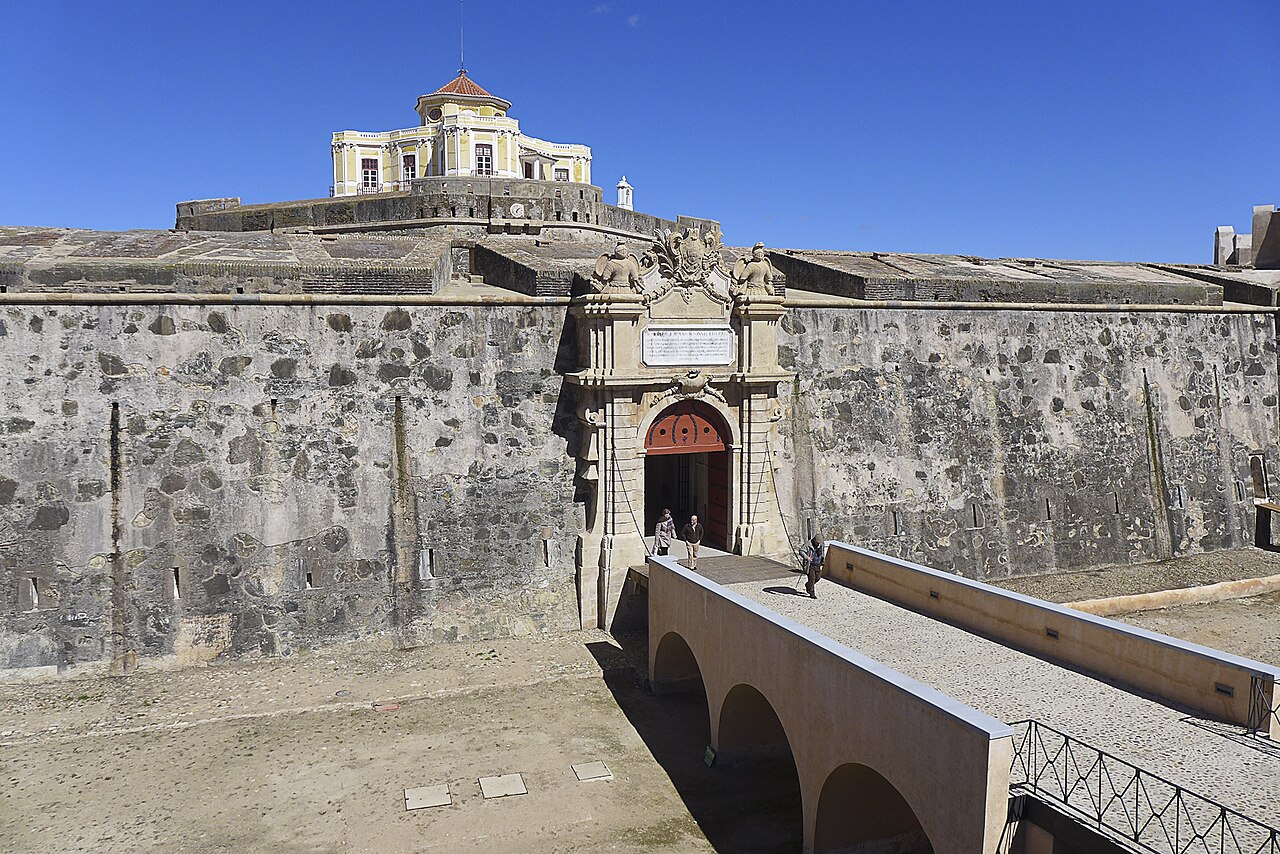
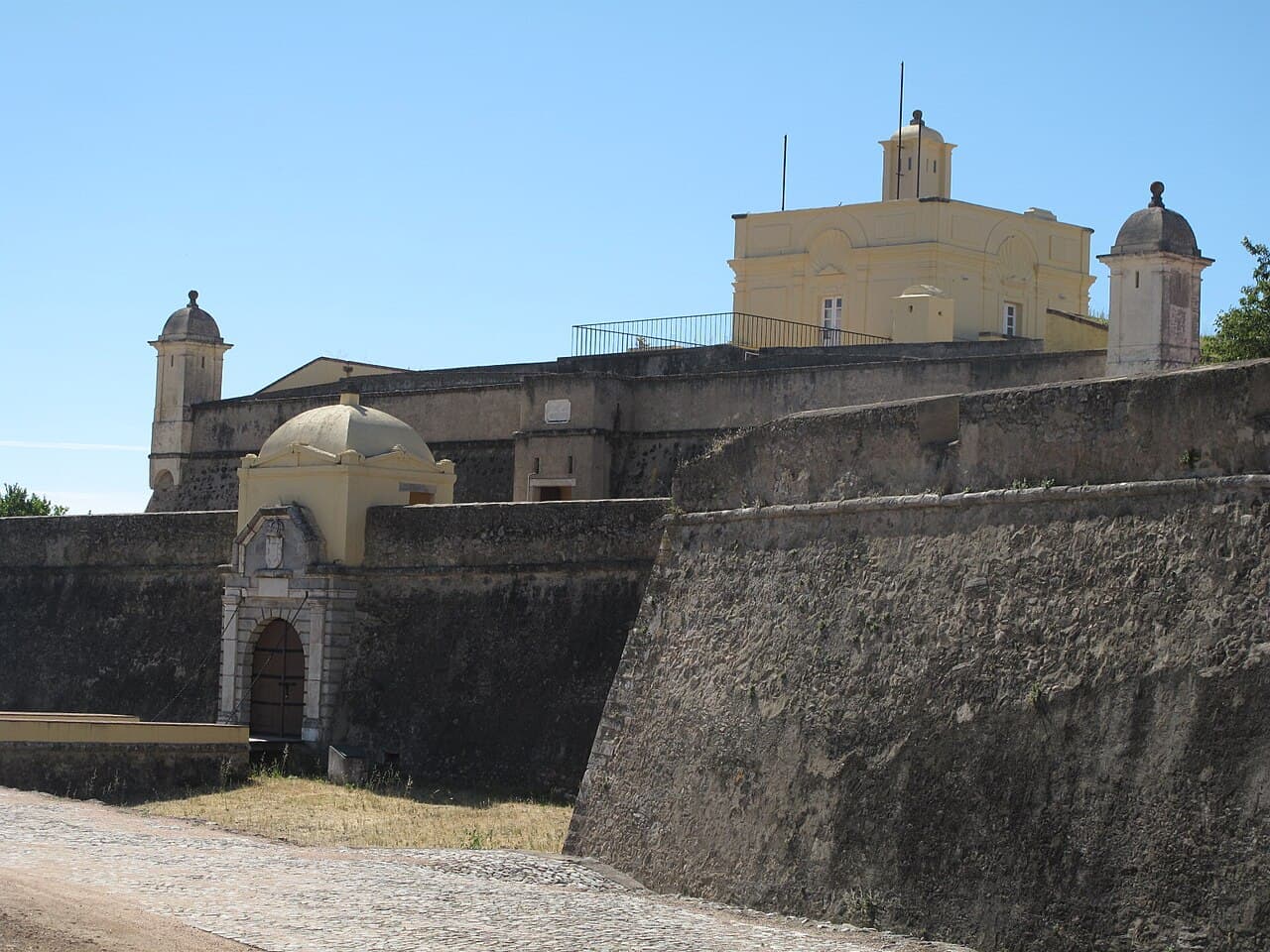
Fort Santa Luzia exemplifies the Renaissance bastioned fortress style, characterized by angular bastions designed to deflect cannon fire and provide overlapping fields of defensive fire. Its star-shaped layout includes multiple bastions connected by curtain walls, enabling defenders to cover all approaches effectively. The fort's thick walls and strategic positioning atop a hill allowed for commanding views over the surrounding landscape, crucial for early detection of enemy movements.
The fortress was part of a larger network of fortifications around Elvas, including Fort Piedade, Fort São Francisco, Fort São Mamede, and Fort São Pedro. Together, these forts created a formidable defensive perimeter that protected the city and its garrison from invasions.
Fort santa luzia in the modern era
Today, Fort Santa Luzia remains well preserved and accessible to visitors interested in military history and architecture. In 2014, it became part of the Turismo Militar initiative, a project by the Portuguese Ministry of National Defense supported by Turismo de Portugal. This program promotes historical itineraries that highlight Portugal's rich military heritage, drawing attention to sites like Fort Santa Luzia that played key roles in the nation's defense.
The fort's status as a UNESCO World Heritage Site underscores its cultural and historical value, attracting scholars, tourists, and history enthusiasts. Its preserved bastions, walls, and internal structures offer a tangible connection to the military engineering advances of the Renaissance period and the historical conflicts that shaped Portugal's borders.
Visiting information and cultural significance
Visitors to Fort Santa Luzia can explore its extensive ramparts, bastions, and inner courtyards, gaining insight into 17th-century military architecture. The fort's location in Elvas, a city rich in historical landmarks, makes it a focal point for those studying border fortifications and Portuguese military history.
As part of the broader Elvas fortification complex, Fort Santa Luzia contributes to understanding the evolution of fortification techniques in response to the advent of gunpowder artillery. Its preservation allows for educational tours, reenactments, and cultural events that celebrate Portugal's historical resilience and architectural ingenuity.
Frequently asked questions (FAQ)
- How do I get to Forte de Santa Luzia?
- Forte de Santa Luzia is located in Elvas, Portugal, and can be easily reached by car or public transport. There are designated parking areas nearby, and local buses frequently connect the castle to the city center.
- What is the historical significance of Forte de Santa Luzia?
- Forte de Santa Luzia, built in the 17th century, played a crucial role in the defense of Elvas against invasions. It is part of the UNESCO World Heritage Site that recognizes the town's military architecture and its strategic importance in European history.
- When was Forte de Santa Luzia built?
- Construction of Forte de Santa Luzia began in 1648 and was completed in 1657. The fortress was designed to enhance the military defenses of Elvas during a period of conflict in the region.
- Can I visit Forte de Santa Luzia with children?
- Yes, Forte de Santa Luzia is family-friendly and offers ample space for children to explore and enjoy. The castle's historical significance provides an educational experience for visitors of all ages.
- Why is the architecture of Forte de Santa Luzia unique?
- The architecture of Forte de Santa Luzia is characterized by its Vauban-style fortifications, which are designed to withstand artillery attacks. The fortress features thick walls, bastions, and a strategic layout that showcases military engineering of the 17th century.
- Is it possible to explore the interiors of Forte de Santa Luzia?
- Yes, visitors can explore certain areas of Forte de Santa Luzia, including the ramparts and some interior structures. Guided tours may be available to provide insights into the fortress's history and architecture.
- What are the opening hours for Forte de Santa Luzia?
- Forte de Santa Luzia typically opens at 9:00 AM and closes at 7:00 PM. However, it's advisable to check the official website or local resources for any seasonal changes in hours.
- What is the ticket price for visiting Forte de Santa Luzia?
- The ticket prices for Forte de Santa Luzia are generally quite affordable, with discounts available for students and seniors. Admission fees help maintain the site and contribute to its preservation efforts.
- When is the best time to visit Forte de Santa Luzia?
- The best time to visit Forte de Santa Luzia is during the spring and fall when the weather is mild and comfortable for exploring. Summer can be quite hot, and visiting early in the morning or later in the afternoon is recommended for a more pleasant experience.
- Are there any nearby attractions to visit after Forte de Santa Luzia?
- Yes, after visiting Forte de Santa Luzia, you can explore other nearby attractions such as the historic town of Elvas, the Amoreira Aqueduct, and the impressive Elvas Castle. These sites are within walking distance and make for a full day of exploration.
Photo gallery

Information
Loading map...
Visitor reviews
No reviews yet. Been here? Write the first review and help other travelers!
Write the first reviewVisited this castle? Share your experience
Your review helps other travelers and adds first-hand knowledge to our encyclopedia.