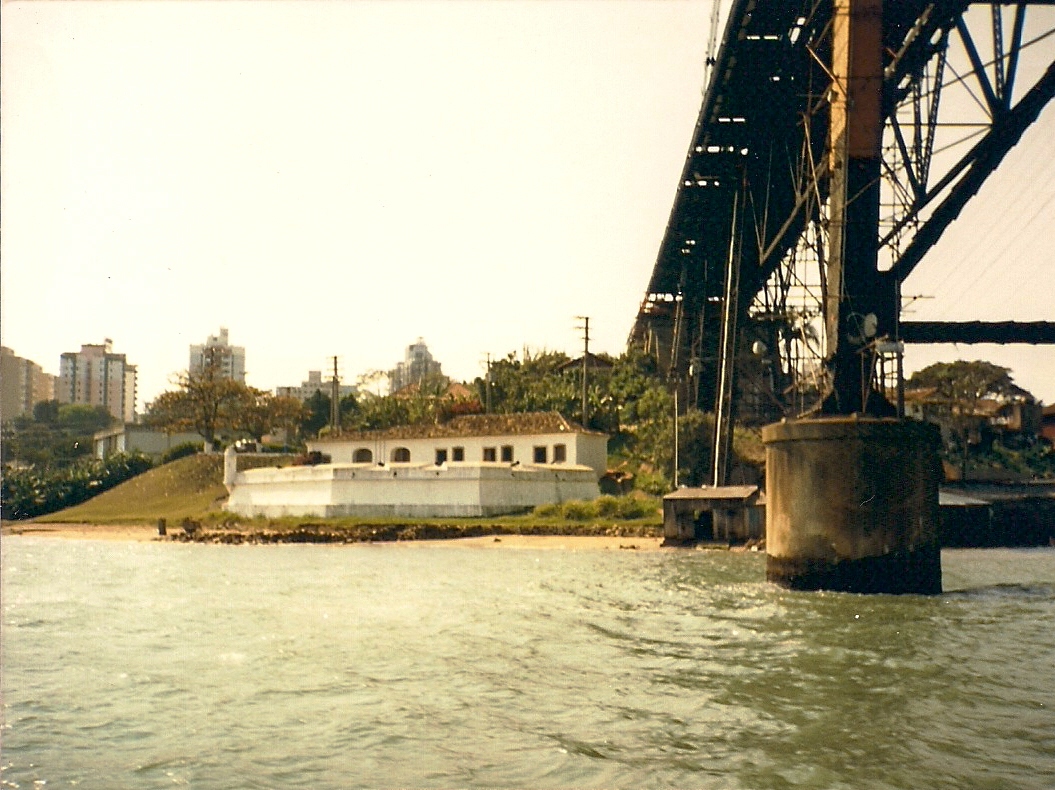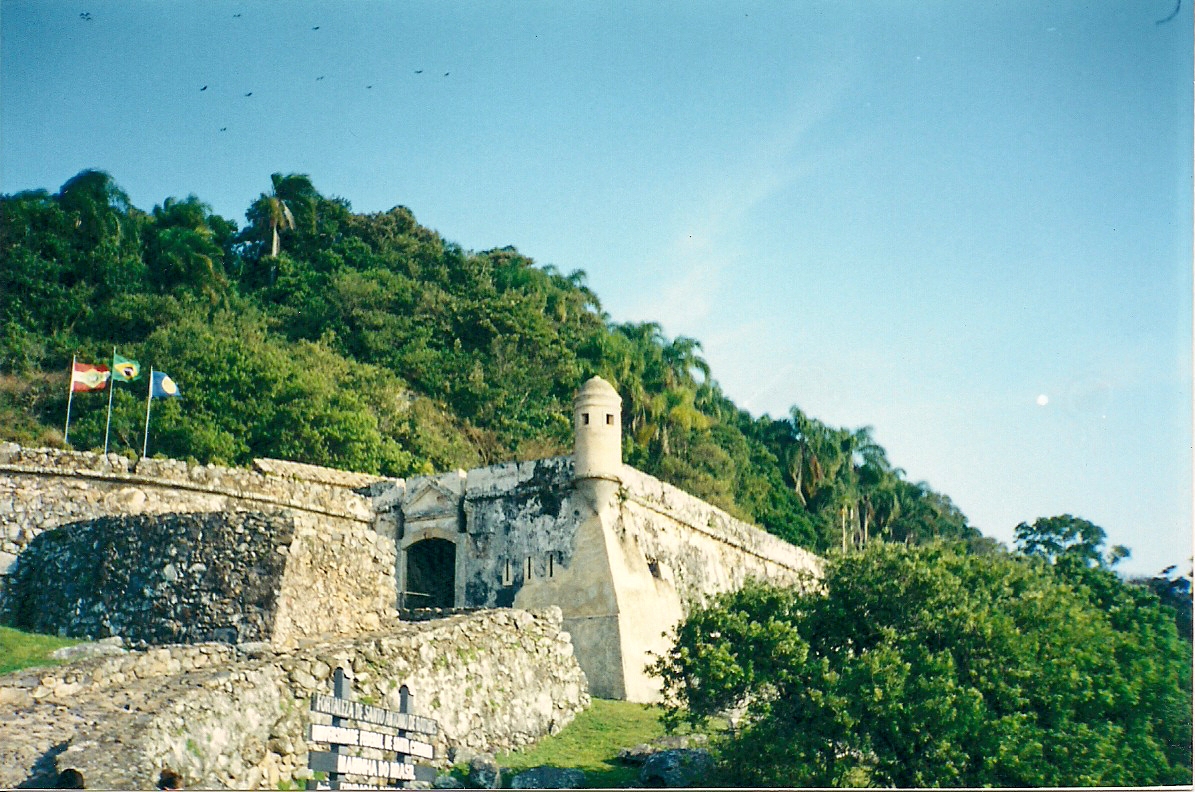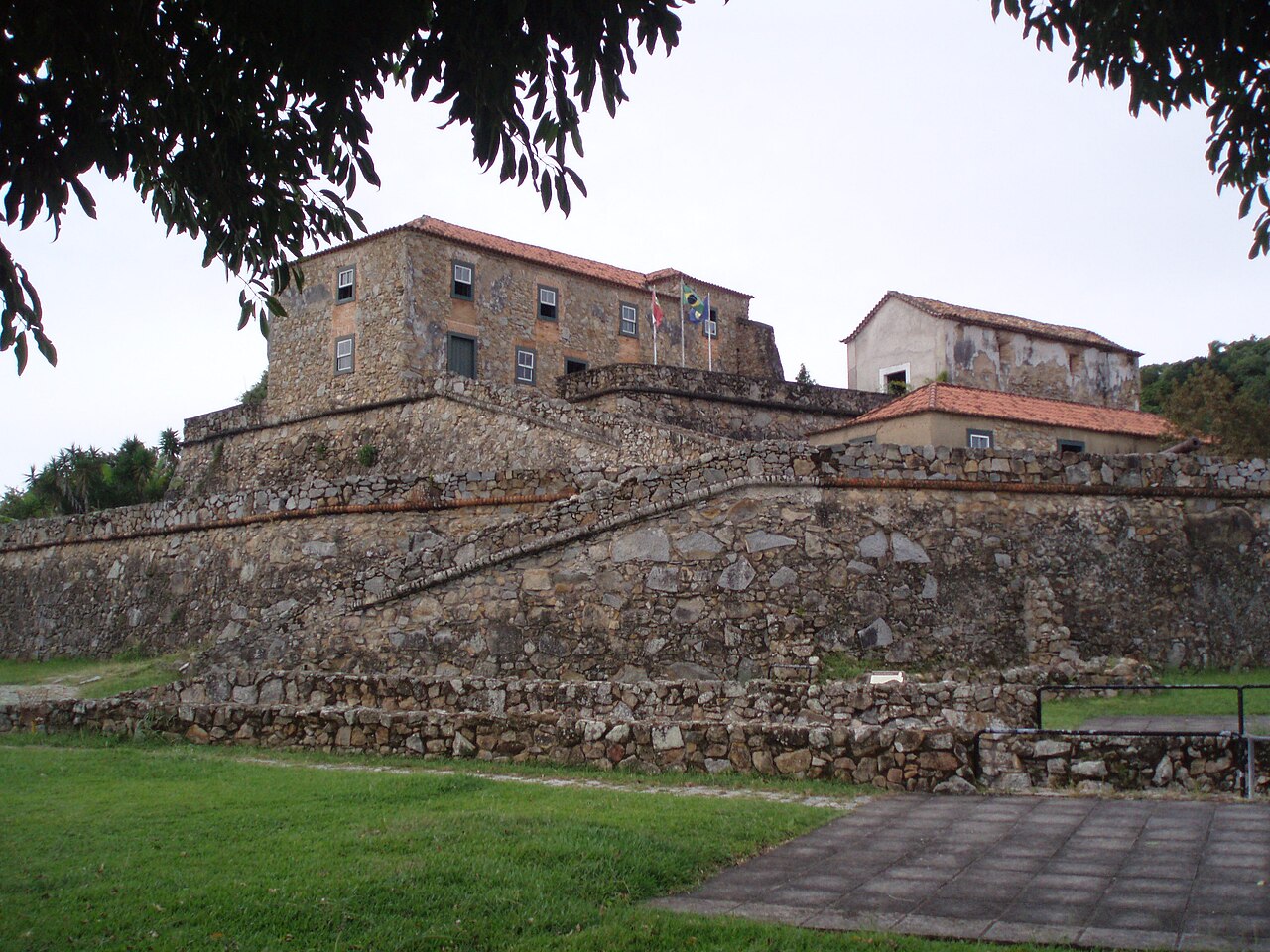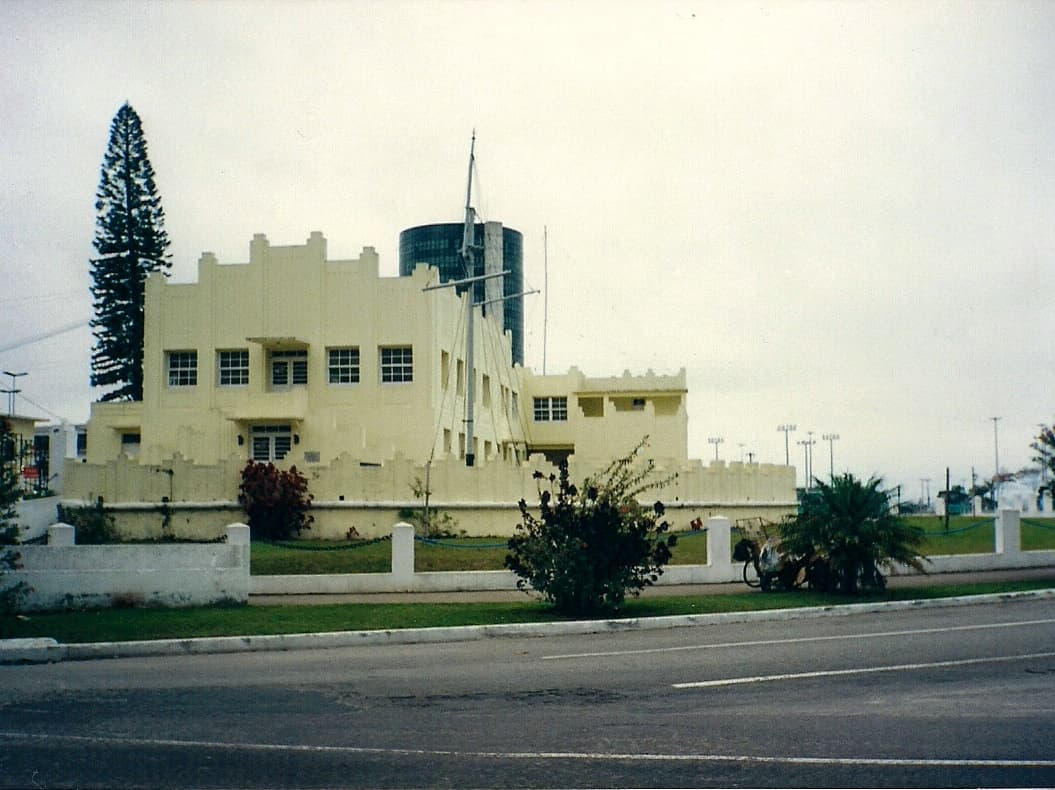
Forte de Santa Bárbara da Vila stands as a notable example of colonial military architecture in Brazil. This bastioned fortress was constructed to defend strategic points during the period of European colonization. Its design reflects the influence of Renaissance military engineering, particularly the star-shaped bastions that allowed for improved defense against artillery attacks.
Historical context and strategic importance
The fortress was built during the colonial era when European powers were establishing and securing their territories in South America. Its location was chosen to protect important settlements or harbors from enemy incursions and piracy. The bastioned design was a response to advances in siege warfare and artillery technology, providing overlapping fields of fire and eliminating blind spots.
Architectural features and design
Bastioned layout
The fortress features angular bastions at its corners, characteristic of the bastioned fortification style. These bastions allowed defenders to cover the adjacent walls with cannon and musket fire, creating a defensive network that was difficult to breach. The walls were typically thick and constructed from stone and mortar, designed to absorb and deflect cannonballs.
Defensive structures
In addition to the bastions, the fortress likely included a moat or ditch surrounding the walls, enhancing its defensive capabilities. The entrance would have been fortified with a gatehouse and possibly a drawbridge. Inside, the fortress contained barracks, storage rooms for ammunition and supplies, and command quarters.
Materials and construction techniques
The construction utilized locally available materials, such as stone and brick, combined with lime mortar. The builders employed techniques consistent with European fortification practices of the time, adapted to the tropical climate and terrain of Brazil.
Preservation and current status
Today, Forte de Santa Bárbara da Vila remains a significant cultural and historical site. Its preservation allows visitors to explore an example of colonial military architecture and understand the defensive strategies employed during the period. The fortress may be partially preserved or restored, serving as a museum or tourist attraction that highlights Brazil's colonial history.
Visiting information and cultural significance
Visitors to the fortress can experience the layout and defensive features firsthand, gaining insight into the challenges of colonial defense. The site often hosts educational programs and exhibitions related to military history and colonial Brazil. Its location and architecture make it a valuable destination for those interested in history, architecture, and heritage.
Frequently asked questions (FAQ)
- What is the historical significance of Forte de Santa Bárbara da Vila?
- Forte de Santa Bárbara da Vila is an important example of colonial military architecture in Brazil, designed to protect strategic locations during European colonization.
- What architectural style characterizes Forte de Santa Bárbara da Vila?
- The fortress is characterized by the bastioned fortification style, featuring angular bastions that provide overlapping fields of fire for defense.
- Can visitors tour Forte de Santa Bárbara da Vila?
- Yes, the fortress is accessible to visitors and often serves as a museum or historical site showcasing colonial military defenses.
- When was Forte de Santa Bárbara da Vila built?
- The exact construction date is uncertain, but it was built during the colonial period when bastioned fortresses were common.
- Is Forte de Santa Bárbara da Vila well preserved?
- The fortress is at least partially preserved or restored, allowing visitors to appreciate its historical and architectural features.
Photo gallery

Photo by Carlos Luis M C da Cruz•Public domain
Information
Loading map...
Visitor reviews
No reviews yet. Been here? Write the first review and help other travelers!
Write the first reviewVisited this castle? Share your experience
Your review helps other travelers and adds first-hand knowledge to our encyclopedia.