Fortaleza de São José da Ponta Grossa — Brazil castle

Fortaleza de São José da Ponta Grossa

Fortaleza de são josé da ponta grossa
Florianópolis, Santa Catarina, Brazil
Post-Renaissance (17th–18th c.)
Well Preserved

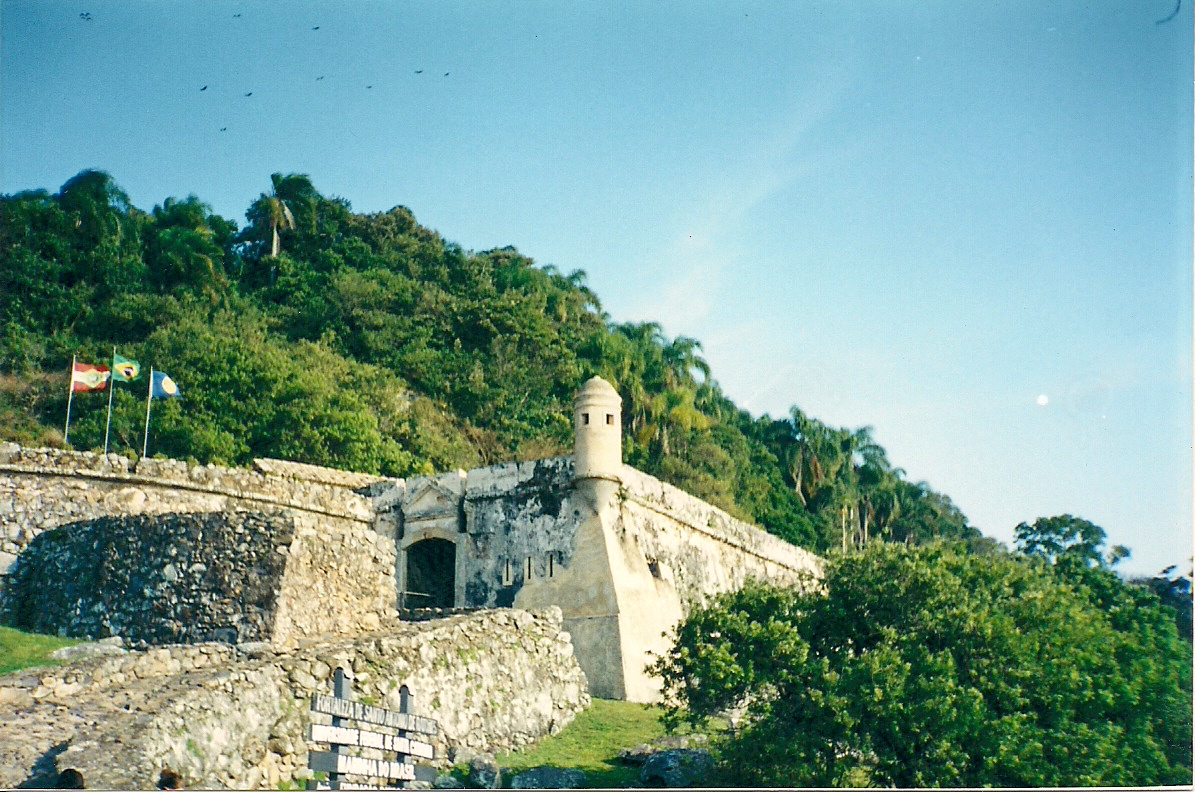
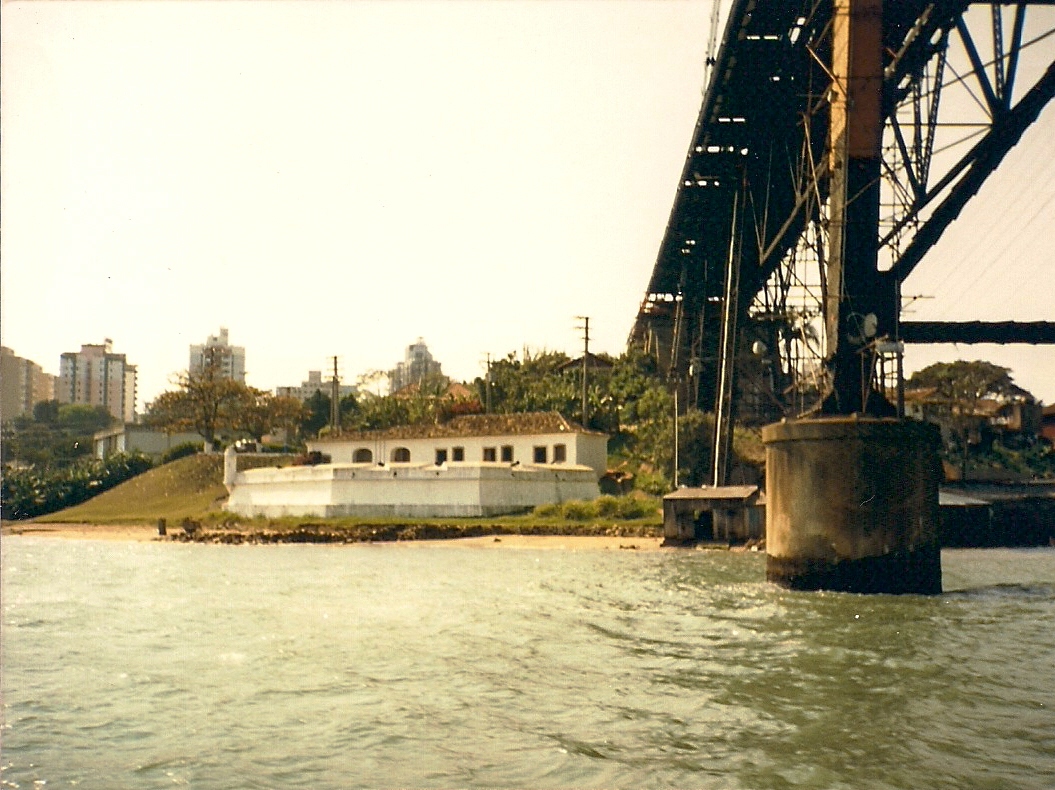
Fortaleza de São José da Ponta Grossa is a historic military fortification located on the northern tip of Santa Catarina Island in the municipality of Florianópolis, the capital of Santa Catarina state in southern Brazil. This 18th-century fort was constructed as part of a strategic defensive system to protect the island and the surrounding region from naval invasions and pirate attacks during the colonial period.

Historical context and strategic importance

Built during the post-Renaissance period, Fortaleza de São José da Ponta Grossa was an integral component of the coastal defense network established by the Portuguese Crown. Its location on a prominent hilltop provided commanding views over the Atlantic Ocean and the entrance to the bay that leads to the city of Florianópolis, making it a critical point for monitoring and controlling maritime traffic.

The fort was part of a trio of fortifications, including the nearby Fortaleza de Santa Cruz de Anhatomirim and Fortaleza de Santo Antônio de Ratones, which collectively formed a defensive ring to safeguard the island and its valuable port facilities. This network was essential for maintaining Portuguese colonial dominance in the region and protecting against foreign incursions, especially from the Spanish and other European powers.

Architectural features and design

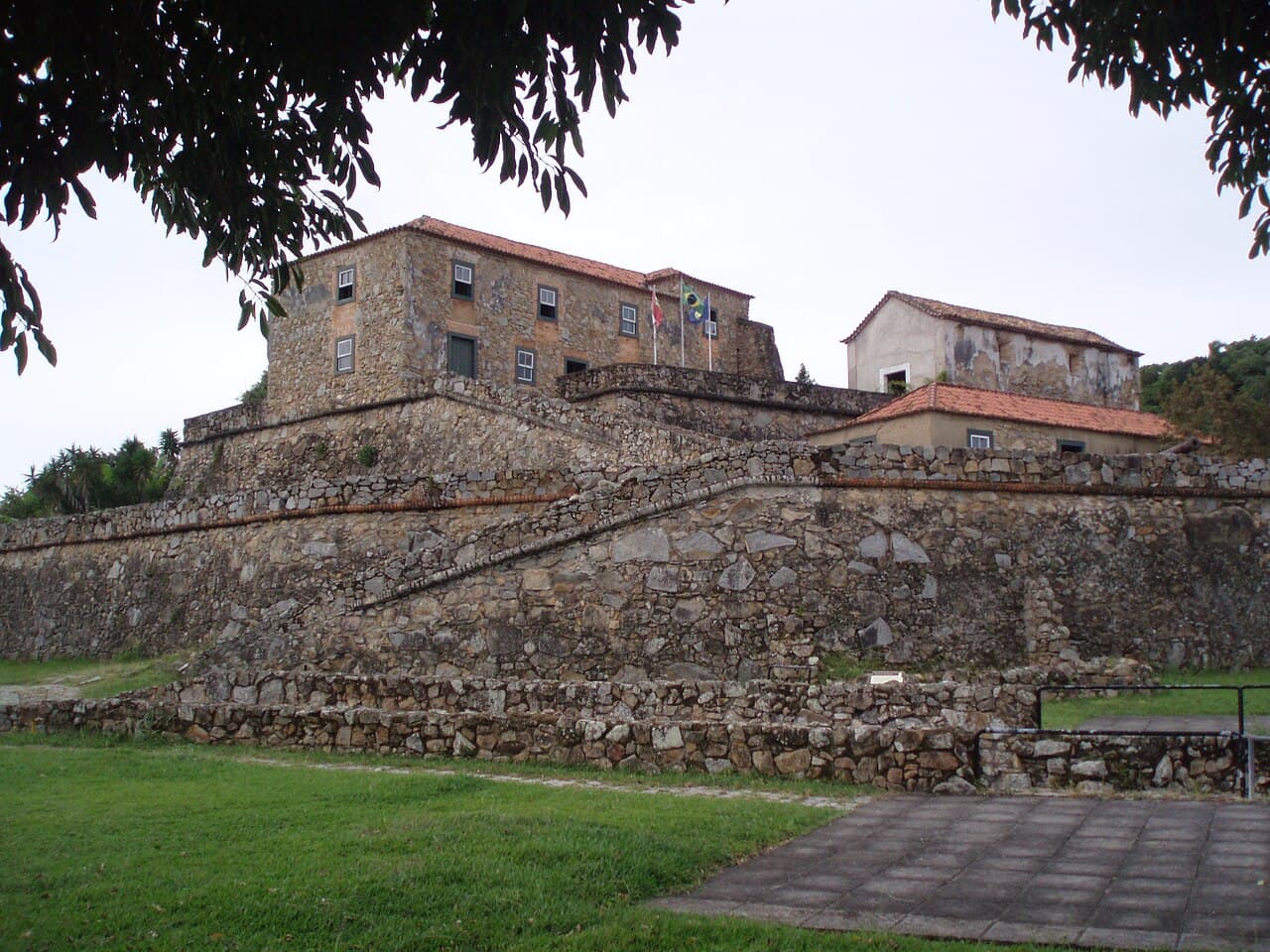
The fort exemplifies typical hill castle characteristics, adapted to the coastal environment. Its construction utilized local stone and masonry techniques common in the 18th century. The fort's layout includes robust bastions and thick curtain walls designed to withstand artillery bombardment.

Key architectural elements include a central surrounded by defensive walls and artillery placements, enabling a 360-degree field of fire over the surrounding waters and land approaches. The fort’s entrance is fortified with a gatehouse and defensive embrasures. Inside, there are barracks, storage rooms, and cisterns, essential for sustaining the garrison during sieges or prolonged deployments.

The design reflects the influence of European military engineering principles of the time, adapted to the local topography and climate. The elevated position not only offered military advantages but also protection from tropical diseases prevalent in lower coastal areas.

Preservation and current status

Today, Fortaleza de São José da Ponta Grossa is recognized as a significant cultural heritage site in Brazil. It is well preserved and accessible to visitors interested in military history and colonial architecture. The fort has undergone restoration efforts to maintain its structural integrity and historical authenticity.

Visitors can explore the fort's ramparts, bastions, and internal chambers while enjoying panoramic views of the surrounding sea and landscape. The site often hosts educational programs and cultural events that highlight its historical role and architectural significance.

Visiting information and tourism

The fort is a popular tourist destination in Florianópolis, attracting history enthusiasts and those seeking scenic views. It is advisable to check local opening hours and any visitor guidelines before planning a visit. The site offers interpretive signage and guided tours that provide insights into the fort’s construction, military use, and historical context.

Frequently asked questions (FAQ)

How do I get to Fortaleza de São José da Ponta Grossa?
Fortaleza de São José da Ponta Grossa is located in Florianópolis, Brazil, and can be reached by car or public transportation. If you're driving, follow the signs to the north of the island, and there is a parking area available near the entrance.
What is the historical significance of Fortaleza de São José da Ponta Grossa?
Built in the 18th century, Fortaleza de São José da Ponta Grossa played a crucial role in protecting the southern coast of Brazil from foreign invasions. It is a significant example of military architecture from the colonial period and has been restored to reflect its historical importance.
When was Fortaleza de São José da Ponta Grossa built?
Construction of the fortress began in 1740 and was completed in 1770. It was intended to serve as a defensive structure during a time of conflict and has since become a symbol of the region's rich history.
Can I visit Fortaleza de São José da Ponta Grossa?
Yes, visitors are welcome to explore the fortress and its grounds. Guided tours are often available, providing insights into the history and architecture of the site.
Why is Fortaleza de São José da Ponta Grossa important to Brazilian culture?
The fortress is an important cultural heritage site, representing Brazil's colonial history and military architecture. It also serves as a reminder of the strategic importance of Florianópolis in the defense of the southern coast.
Is it possible to access the fortress with a wheelchair?
While efforts have been made to make Fortaleza de São José da Ponta Grossa more accessible, some areas may still present challenges for wheelchair users due to the terrain and historic features. It is advisable to contact the site in advance to inquire about specific accessibility options.
What are the opening hours for Fortaleza de São José da Ponta Grossa?
Fortaleza de São José da Ponta Grossa is typically open to visitors from Tuesday to Sunday, with varying hours depending on the season. It is recommended to check the official website or contact the site for the most current opening hours before your visit.
What are the ticket prices for visiting Fortaleza de São José da Ponta Grossa?
Admission prices can vary, but generally, there is a nominal fee for entry, with discounts available for students and seniors. It's best to check the official website for the latest information on ticket prices and any special promotions.
What is the best time to visit Fortaleza de São José da Ponta Grossa?
The best time to visit is during the dry season, which runs from May to September, when the weather is typically more pleasant for outdoor exploration. Visiting during weekdays can also help avoid larger crowds, allowing for a more enjoyable experience.
Are there any nearby attractions to visit while at Fortaleza de São José da Ponta Grossa?
Yes, the fortress is near several beautiful beaches and scenic viewpoints, including Praia da Ponta Grossa and Praia do Forte. Additionally, the area offers hiking trails and opportunities for birdwatching, making it a great spot for nature enthusiasts.

Photo gallery

Fortaleza de São José da Ponta Grossa
Click to view

Photo by Lionel Baur•CC BY-SA 3.0

1 photo • Click any image to view in full screen

Information

Hill Castle

Current owner

Brazilian government

Loading map...

Visitor reviews

No reviews yet. Been here? Write the first review and help other travelers!

Write the first review

Visited this castle? Share your experience

Your review helps other travelers and adds first-hand knowledge to our encyclopedia.
Write a review

(5/5)

0/2000 characters

Your review will be visible after admin approval

Nearby castles

4.6 km
Fortress of Santa Cruz de Anhatomirim — Brazil castle

Fortress of Santa Cruz de Anhatomirim

Governador Celso Ramos, Brazil

The Fortress of Santa Cruz de Anhatomirim is a prominent bastioned fortress located on Anhatomirim Island within the municipality of Governador Celso Ramos in the state of Santa Catarina, Brazil. Constructed in the 18th century, this fortification was designed and built under the direction of the notable Brazilian military engineer and architect Jose da Silva Pais. The fortress represents a significant example of post-Renaissance military architecture in South America, embodying the strategic defensive principles of the era. Historical context and strategic importance During the 18th century, the Portuguese Crown sought to strengthen its defenses along the southern coast of Brazil to protect against foreign invasions and pirate attacks. The Fortress of Santa Cruz de Anhatomirim was part of a larger system of coastal fortifications designed to secure the entrance to the Bay of Santa Catarina and safeguard the nearby city of Florianópolis. Its location on Anhatomirim Island was chosen for its commanding view and control over maritime access routes, making it a critical point for monitoring and repelling enemy ships. Architectural design and features The fortress is a classic example of a bastioned fortress, a style developed in response to the evolution of artillery warfare. The design incorporates angular bastions projecting from the main walls, allowing defenders to cover adjacent walls with overlapping fields of fire. This layout minimized blind spots and enhanced the fort's defensive capabilities against cannon fire and infantry assaults. Layout and fortifications The fort's walls are constructed from locally sourced stone and mortar, forming thick, robust ramparts designed to absorb artillery impacts. The bastions are positioned at the corners of the fortress, connected by curtain walls enclosing an interior courtyard. Within the courtyard, there are various military buildings including gunpowder magazines, barracks, and command quarters. The fortress also features a moat and a drawbridge, typical defensive elements of the period. Defensive armaments Originally, the fortress was equipped with a range of cannons mounted on the bastions and walls, intended to cover the approaches by sea. These artillery pieces were positioned to create overlapping fields of fire, maximizing the fort's ability to repel naval attacks. The design also included provisions for small arms and close-quarters defense. Role in regional conflicts Throughout the 18th and 19th centuries, the Fortress of Santa Cruz de Anhatomirim played a defensive role during several military conflicts, including local skirmishes and broader struggles for control of the region. Its strategic position allowed it to serve as a deterrent against foreign incursions and as a base for Portuguese and later Brazilian forces. Preservation and current status Today, the Fortress of Santa Cruz de Anhatomirim is recognized as a well-preserved historical monument and a cultural heritage site in Brazil. It is accessible to visitors who can explore its bastioned walls, military structures, and enjoy panoramic views of the surrounding sea and coastline. The fortress is maintained by local authorities and serves as a testament to Brazil's colonial military history and architectural heritage. Visiting information Visitors to the fortress can reach Anhatomirim Island by boat from nearby ports, with guided tours available to explain the site's historical significance and architectural details. The site offers educational programs and events that highlight its role in Brazilian history and coastal defense.

Post-Renaissance (17th–18th c.)
Details
6.3 km
Fortress of Santo Antônio de Ratones — Brazil castle

Fortress of Santo Antônio de Ratones

, Brazil

The Fortress of Santo Antônio de Ratones is a notable example of 18th-century bastioned fortress architecture located in Brazil. Constructed during the post-Renaissance period, this fortification was built to protect the strategic coastal areas and waterways from naval threats and invasions during a time of colonial expansion and conflict. This fortress exemplifies the bastioned fortress design, a style that emerged in response to the evolution of artillery and gunpowder warfare. The design typically includes angular bastions projecting outward from the main walls, allowing defenders to cover adjacent walls with overlapping fields of fire, minimizing blind spots and enhancing the fort's defensive capabilities. The Fortress of Santo Antônio de Ratones was strategically positioned on an island or coastal promontory to control maritime access and protect the nearby settlements and trade routes. Its robust walls, bastions, and artillery placements reflect the military engineering principles of the period, emphasizing both defense and control of the surrounding waters. Historical context and construction Built in the 18th century, the fortress was part of a broader network of colonial defenses established by the Portuguese Empire in Brazil. During this era, European powers were competing for dominance in the Americas, and coastal fortifications were essential to safeguard territories from rival nations and pirates. The fortress's construction involved skilled military engineers who adapted European bastioned fortification concepts to the local environment and available materials. The choice of location on Ratones Island or a similar coastal site was deliberate, taking advantage of natural defensive features and enabling control over maritime traffic. Architectural features and layout The fortress features thick masonry walls designed to withstand cannon fire, with bastions at the corners providing overlapping fields of fire. The walls are typically angled to deflect incoming artillery shots. The design includes a dry moat or ditch surrounding the walls, enhancing its defensive perimeter. Inside the fortress, there are barracks for soldiers, magazines for storing gunpowder and ammunition, and command posts. The layout is compact, optimized for defense and the efficient deployment of troops and artillery. The fortress's entrance gate is fortified and often equipped with a drawbridge or heavy doors to control access. Defensive features such as ravelins or outworks may be present to provide additional layers of protection. Military significance and usage The Fortress of Santo Antônio de Ratones served as a critical defensive point for the region, deterring enemy ships and protecting colonial interests. It was likely garrisoned by Portuguese troops and armed with cannons positioned on the bastions to cover key approaches. Throughout its operational history, the fortress played a role in regional conflicts and maritime security, reflecting the strategic importance of coastal fortifications in colonial Brazil. Preservation and current status Today, the fortress stands as a well-preserved example of post-Renaissance military architecture in Brazil. Efforts have been made to maintain its structural integrity and historical value, making it a site of cultural heritage and interest for visitors and scholars alike. The fortress offers insights into the military strategies and architectural innovations of the 18th century, serving as a tangible link to Brazil's colonial past and its role in global maritime history. Visiting the fortress Visitors to the Fortress of Santo Antônio de Ratones can explore its bastions, walls, and internal structures, gaining an understanding of its defensive design and historical context. The site provides panoramic views of the surrounding coastal landscape, enhancing its appeal as a historical and tourist destination. Interpretive signage and guided tours may be available to provide detailed information about the fortress's construction, use, and significance.

Post-Renaissance (17th–18th c.)
Details
18.5 km
Forte de Santana do Estreito — Brazil castle

Forte de Santana do Estreito

, Brazil

Forte de Santana do Estreito is a significant example of 18th-century bastioned fortress architecture located in Brazil. Constructed during the post-Renaissance period, this fortress reflects the military engineering advancements that characterized colonial fortifications in the Americas during this era. Its design embodies the principles of the bastioned fortress style, which was developed to improve defense capabilities against artillery attacks. Historical context and strategic importance Built in the 18th century, Forte de Santana do Estreito was part of a broader network of fortifications established by Portuguese colonial authorities to protect their territories in Brazil from foreign invasions and pirate attacks. The fortress played a crucial role in securing the coastline and controlling access to important maritime routes. Its location, while not precisely documented in terms of city or region, was strategically chosen to maximize defensive coverage. Architectural features of the bastioned fortress The fortress is a classic example of the bastioned fortress design, which emerged in response to the evolution of artillery warfare. This architectural style is characterized by angular bastions projecting from the main walls, allowing defenders to cover adjacent walls with crossfire, eliminating blind spots. Forte de Santana do Estreito features robust stone walls, bastions at key points, and likely included a surrounding moat or ditch to hinder attackers. Defensive structures and layout The fortress's layout typically includes a curtain wall connecting the bastions, a central courtyard, and internal buildings such as barracks, magazines, and command quarters. The bastions provided platforms for mounting cannons, enhancing the fortress's ability to repel naval and land assaults. The use of thick masonry walls was essential to withstand bombardments. Construction materials and techniques Construction during the post-Renaissance period in Brazil often utilized locally available materials such as stone and brick. The builders of Forte de Santana do Estreito would have employed masonry techniques suited to creating durable and resilient defensive structures. The fortress's enduring presence attests to the quality of its construction and the expertise of its builders. Cultural and heritage significance As a colonial military installation, Forte de Santana do Estreito represents an important chapter in Brazil's history. It illustrates the adaptation of European military architecture to the New World context and the strategic measures taken to protect colonial interests. The fortress contributes to the understanding of colonial defense systems and their role in shaping regional geopolitics. Current condition and preservation While specific details about the current condition of Forte de Santana do Estreito are limited, bastioned fortresses of this period in Brazil often exist in varying states of preservation. Some have been restored or maintained as historical sites, while others remain as ruins. The fortress's architectural significance makes it a candidate for preservation efforts to safeguard its legacy. Visiting information and accessibility Information regarding public access, visiting hours, and ticket prices for Forte de Santana do Estreito is not readily available. Visitors interested in exploring colonial military architecture in Brazil may find this fortress a valuable site, pending local management and preservation status. Frequently asked questions What is the architectural style of Forte de Santana do Estreito? It is designed as a bastioned fortress, a style developed in the post-Renaissance period to improve defense against artillery. When was Forte de Santana do Estreito built? The fortress was constructed in the 18th century during the post-Renaissance era. Where is Forte de Santana do Estreito located? It is located in Brazil, though precise city or regional details are not well documented. Can visitors tour Forte de Santana do Estreito? Public access information is limited; potential visitors should check local resources for availability and visiting hours. Why was the bastioned fortress design important? The bastioned design allowed defenders to cover all approaches with overlapping fields of fire, enhancing protection against attacks.

Post-Renaissance (17th–18th c.)
Details