Forte de Santana do Estreito
Forte de Santana do Estreito is a significant example of 18th-century bastioned fortress architecture located in Brazil. Constructed during the post-Renaissance period, this fortress reflects the military engineering advancements that characterized colonial fortifications in the Americas during this era. Its design embodies the principles of the bastioned fortress style, which was developed to improve defense capabilities against artillery attacks.
Historical context and strategic importance
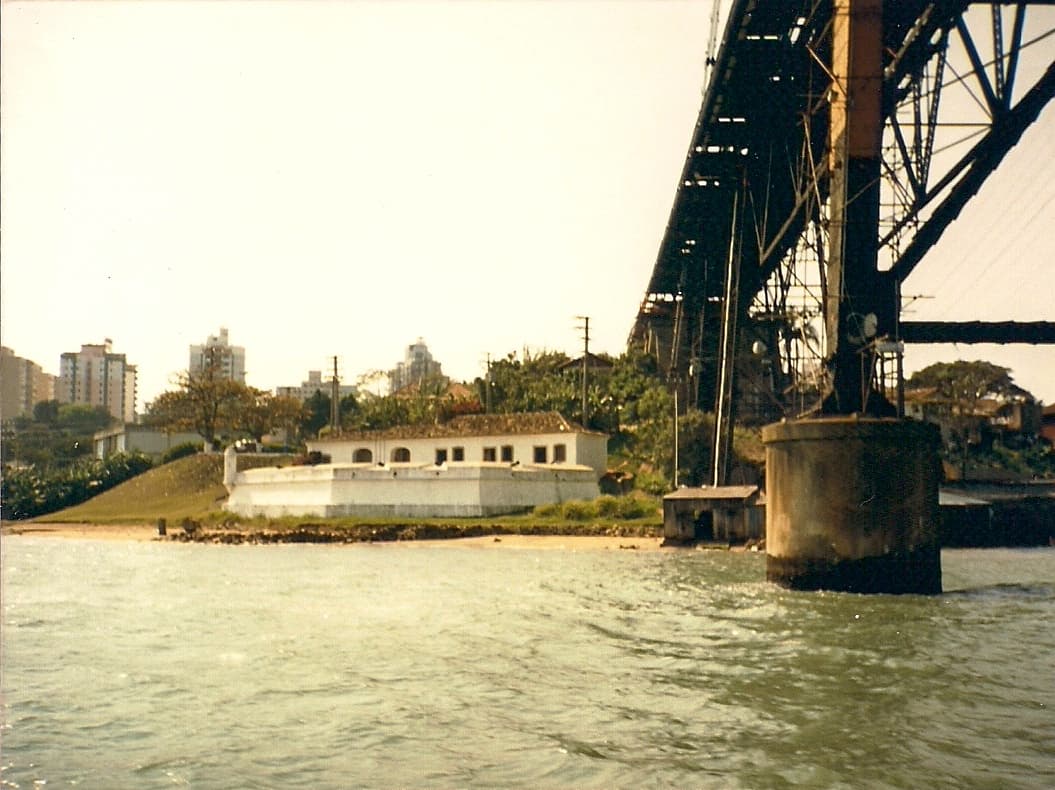
Built in the 18th century, Forte de Santana do Estreito was part of a broader network of fortifications established by Portuguese colonial authorities to protect their territories in Brazil from foreign invasions and pirate attacks. The fortress played a crucial role in securing the coastline and controlling access to important maritime routes. Its location, while not precisely documented in terms of city or region, was strategically chosen to maximize defensive coverage.
Architectural features of the bastioned fortress
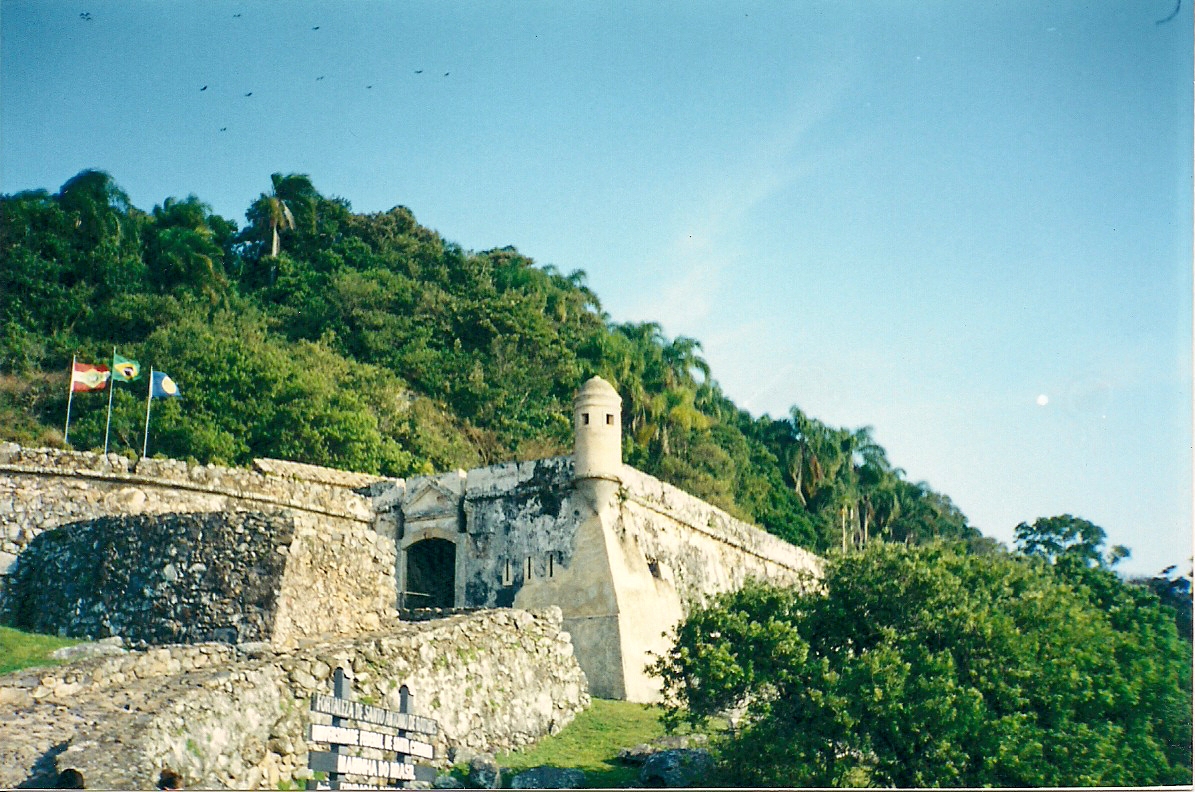
The fortress is a classic example of the bastioned fortress design, which emerged in response to the evolution of artillery warfare. This architectural style is characterized by angular bastions projecting from the main walls, allowing defenders to cover adjacent walls with crossfire, eliminating blind spots. Forte de Santana do Estreito features robust stone walls, bastions at key points, and likely included a surrounding moat or ditch to hinder attackers.
Defensive structures and layout
The fortress's layout typically includes a curtain wall connecting the bastions, a central courtyard, and internal buildings such as barracks, magazines, and command quarters. The bastions provided platforms for mounting cannons, enhancing the fortress's ability to repel naval and land assaults. The use of thick masonry walls was essential to withstand bombardments.
Construction materials and techniques
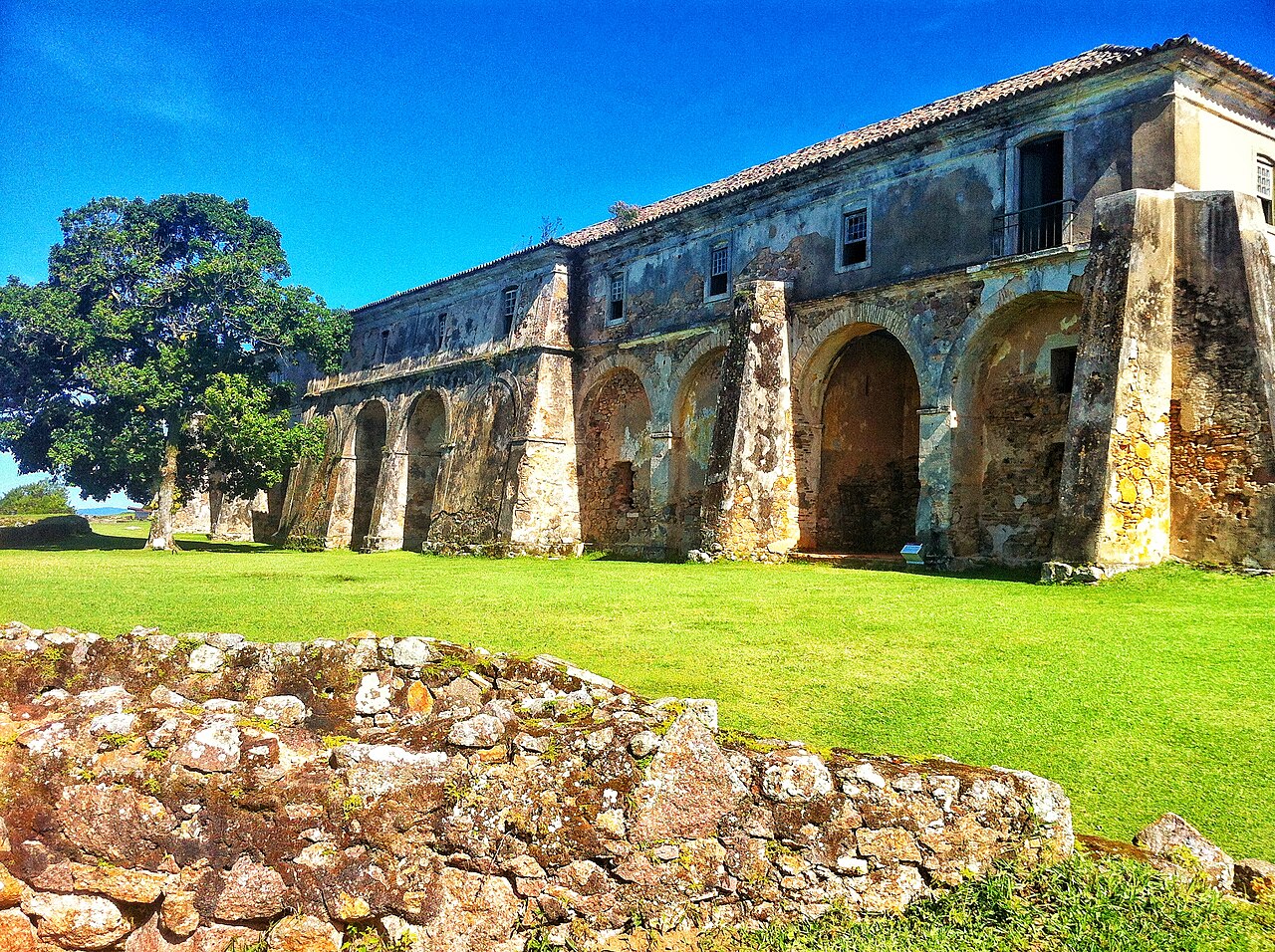
Construction during the post-Renaissance period in Brazil often utilized locally available materials such as stone and brick. The builders of Forte de Santana do Estreito would have employed masonry techniques suited to creating durable and resilient defensive structures. The fortress's enduring presence attests to the quality of its construction and the expertise of its builders.
Cultural and heritage significance
As a colonial military installation, Forte de Santana do Estreito represents an important chapter in Brazil's history. It illustrates the adaptation of European military architecture to the New World context and the strategic measures taken to protect colonial interests. The fortress contributes to the understanding of colonial defense systems and their role in shaping regional geopolitics.
Current condition and preservation
While specific details about the current condition of Forte de Santana do Estreito are limited, bastioned fortresses of this period in Brazil often exist in varying states of preservation. Some have been restored or maintained as historical sites, while others remain as ruins. The fortress's architectural significance makes it a candidate for preservation efforts to safeguard its legacy.
Visiting information and accessibility
Information regarding public access, visiting hours, and ticket prices for Forte de Santana do Estreito is not readily available. Visitors interested in exploring colonial military architecture in Brazil may find this fortress a valuable site, pending local management and preservation status.
Frequently asked questions
- What is the architectural style of Forte de Santana do Estreito? It is designed as a bastioned fortress, a style developed in the post-Renaissance period to improve defense against artillery.
- When was Forte de Santana do Estreito built? The fortress was constructed in the 18th century during the post-Renaissance era.
- Where is Forte de Santana do Estreito located? It is located in Brazil, though precise city or regional details are not well documented.
- Can visitors tour Forte de Santana do Estreito? Public access information is limited; potential visitors should check local resources for availability and visiting hours.
- Why was the bastioned fortress design important? The bastioned design allowed defenders to cover all approaches with overlapping fields of fire, enhancing protection against attacks.
Frequently asked questions (FAQ)
- What is the architectural style of Forte de Santana do Estreito?
- It is designed as a bastioned fortress, a style developed in the post-Renaissance period to improve defense against artillery.
- When was Forte de Santana do Estreito built?
- The fortress was constructed in the 18th century during the post-Renaissance era.
- Where is Forte de Santana do Estreito located?
- It is located in Brazil, though precise city or regional details are not well documented.
- Can visitors tour Forte de Santana do Estreito?
- Public access information is limited; potential visitors should check local resources for availability and visiting hours.
- Why was the bastioned fortress design important?
- The bastioned design allowed defenders to cover all approaches with overlapping fields of fire, enhancing protection against attacks.
Photo gallery

Photo by Carlos Luis M C da Cruz•Public domain
Information
Loading map...
Visitor reviews
No reviews yet. Been here? Write the first review and help other travelers!
Write the first reviewVisited this castle? Share your experience
Your review helps other travelers and adds first-hand knowledge to our encyclopedia.