Fortress of Santo Antônio de Ratones
The Fortress of Santo Antônio de Ratones is a notable example of 18th-century bastioned fortress architecture located in Brazil. Constructed during the post-Renaissance period, this fortification was built to protect the strategic coastal areas and waterways from naval threats and invasions during a time of colonial expansion and conflict.
This fortress exemplifies the bastioned fortress design, a style that emerged in response to the evolution of artillery and gunpowder warfare. The design typically includes angular bastions projecting outward from the main walls, allowing defenders to cover adjacent walls with overlapping fields of fire, minimizing blind spots and enhancing the fort's defensive capabilities.
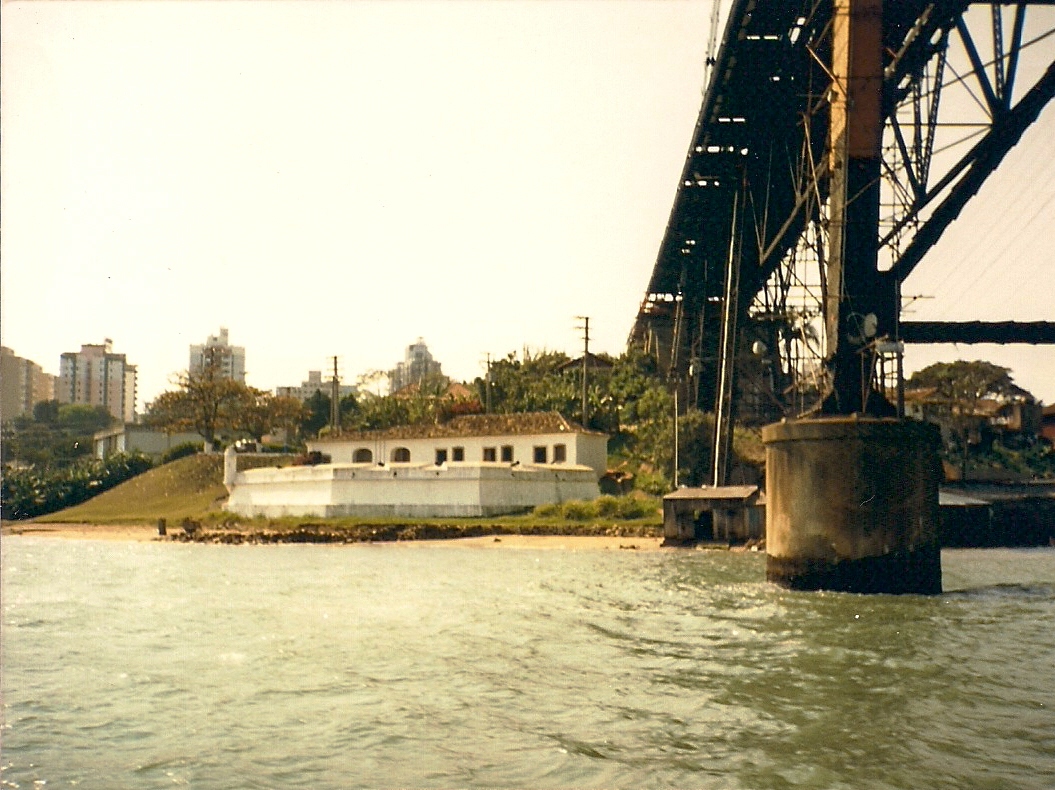
The Fortress of Santo Antônio de Ratones was strategically positioned on an island or coastal promontory to control maritime access and protect the nearby settlements and trade routes. Its robust walls, bastions, and artillery placements reflect the military engineering principles of the period, emphasizing both defense and control of the surrounding waters.
Historical context and construction
Built in the 18th century, the fortress was part of a broader network of colonial defenses established by the Portuguese Empire in Brazil. During this era, European powers were competing for dominance in the Americas, and coastal fortifications were essential to safeguard territories from rival nations and pirates.
The fortress's construction involved skilled military engineers who adapted European bastioned fortification concepts to the local environment and available materials. The choice of location on Ratones Island or a similar coastal site was deliberate, taking advantage of natural defensive features and enabling control over maritime traffic.
Architectural features and layout
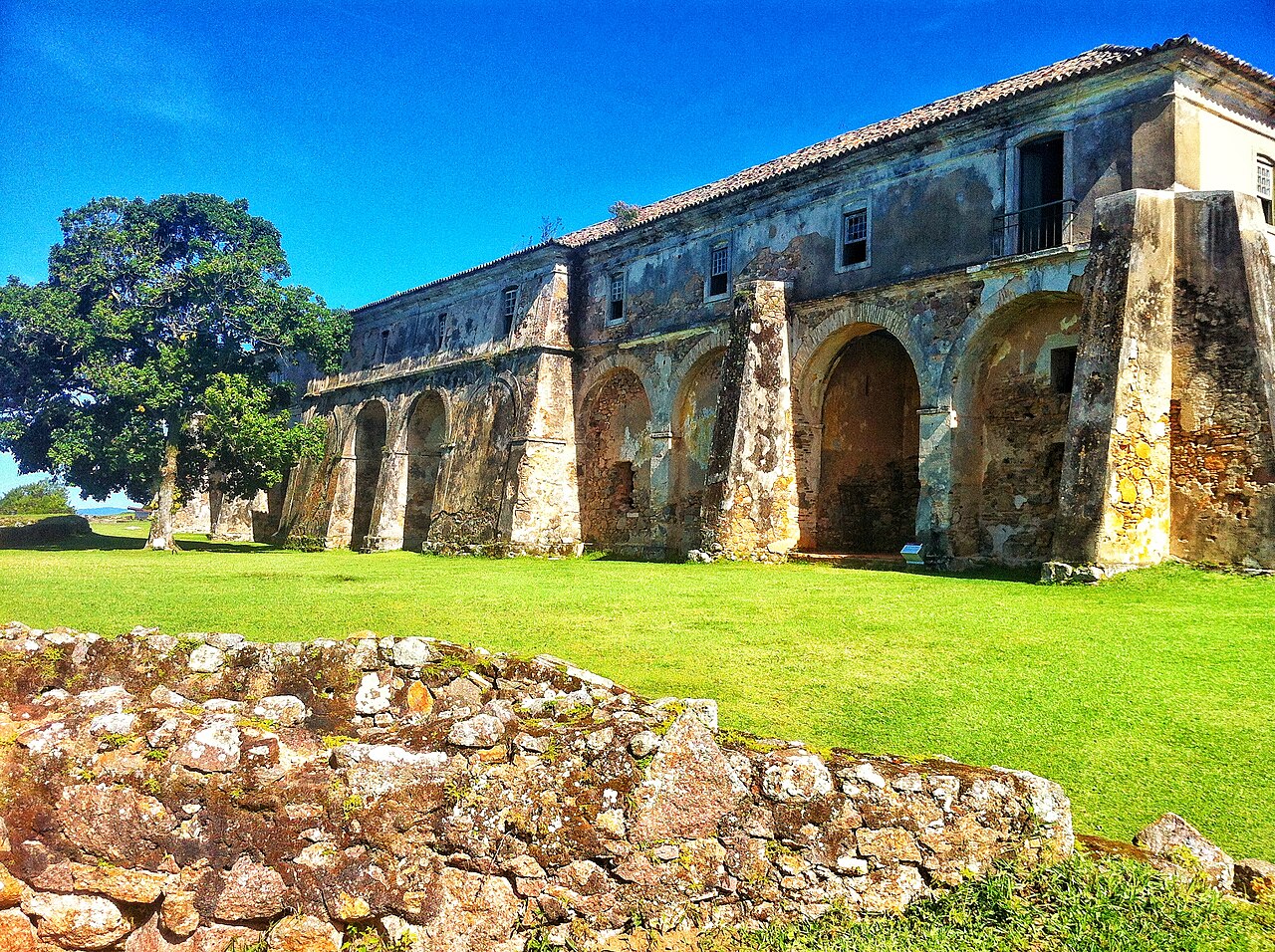
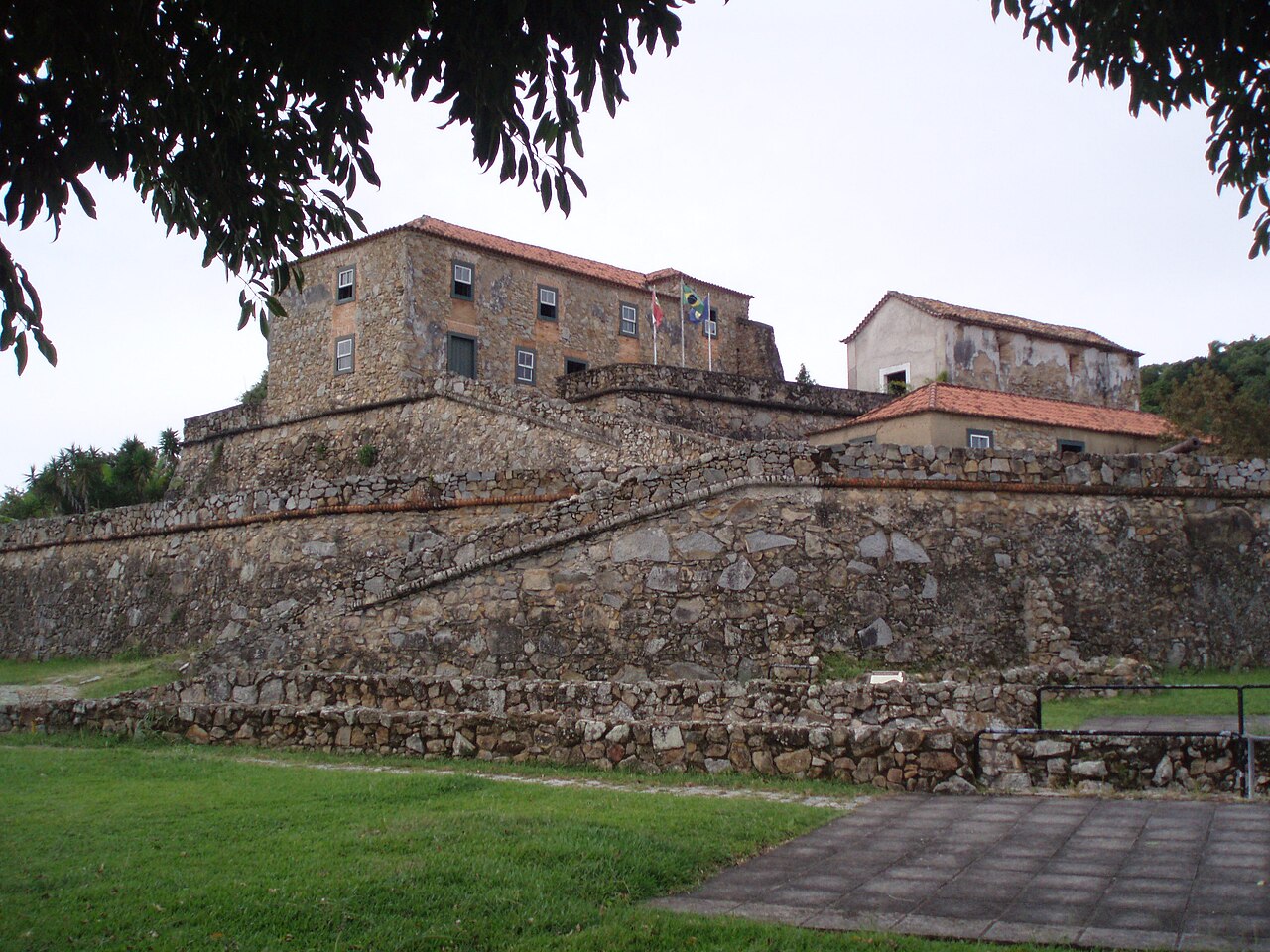
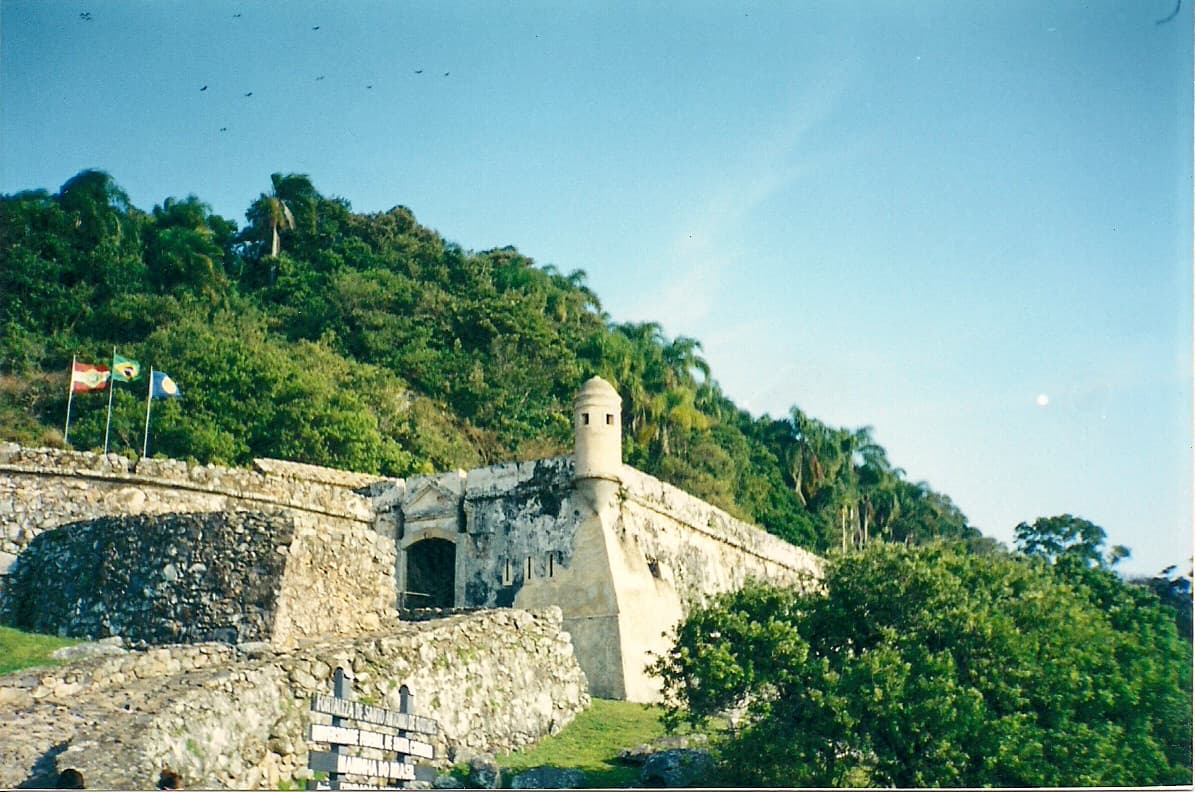
The fortress features thick masonry walls designed to withstand cannon fire, with bastions at the corners providing overlapping fields of fire. The walls are typically angled to deflect incoming artillery shots. The design includes a dry moat or ditch surrounding the walls, enhancing its defensive perimeter.
Inside the fortress, there are barracks for soldiers, magazines for storing gunpowder and ammunition, and command posts. The layout is compact, optimized for defense and the efficient deployment of troops and artillery.
The fortress's entrance gate is fortified and often equipped with a drawbridge or heavy doors to control access. Defensive features such as ravelins or outworks may be present to provide additional layers of protection.
Military significance and usage
The Fortress of Santo Antônio de Ratones served as a critical defensive point for the region, deterring enemy ships and protecting colonial interests. It was likely garrisoned by Portuguese troops and armed with cannons positioned on the bastions to cover key approaches.
Throughout its operational history, the fortress played a role in regional conflicts and maritime security, reflecting the strategic importance of coastal fortifications in colonial Brazil.
Preservation and current status
Today, the fortress stands as a well-preserved example of post-Renaissance military architecture in Brazil. Efforts have been made to maintain its structural integrity and historical value, making it a site of cultural heritage and interest for visitors and scholars alike.
The fortress offers insights into the military strategies and architectural innovations of the 18th century, serving as a tangible link to Brazil's colonial past and its role in global maritime history.
Visiting the fortress
Visitors to the Fortress of Santo Antônio de Ratones can explore its bastions, walls, and internal structures, gaining an understanding of its defensive design and historical context. The site provides panoramic views of the surrounding coastal landscape, enhancing its appeal as a historical and tourist destination.
Interpretive signage and guided tours may be available to provide detailed information about the fortress's construction, use, and significance.
Frequently asked questions (FAQ)
- How do I get to the Fortress of Santo Antônio de Ratones?
- The Fortress of Santo Antônio de Ratones is located on the island of Ratones in Brazil. You can reach it by taking a boat from mainland locations like Florianópolis. Make sure to check local boat schedules for availability and timing.
- What is the historical significance of the Fortress of Santo Antônio de Ratones?
- The Fortress of Santo Antônio de Ratones was built in the 18th century to protect the region from foreign invasions, particularly from the Spanish and British. It played a crucial role in Brazil's colonial defense strategy and is a testament to the military architecture of the time.
- When was the Fortress of Santo Antônio de Ratones constructed?
- Construction of the Fortress of Santo Antônio de Ratones began in 1740 and was completed in 1760. It was strategically built to serve as a military outpost during a period of intense colonial rivalry in South America.
- Can I visit the Fortress of Santo Antônio de Ratones?
- Yes, visitors can explore the Fortress of Santo Antônio de Ratones. However, access may depend on weather conditions and boat availability, so it is advisable to check in advance. Guided tours are often available to provide insights into the fortress's history and architecture.
- Why is the architecture of the Fortress of Santo Antônio de Ratones unique?
- The architecture of the Fortress of Santo Antônio de Ratones is unique due to its blend of military and colonial styles, featuring thick stone walls and strategic positioning overlooking the sea. The design reflects the defensive needs of the time while also incorporating local materials and craftsmanship.
- Is it possible to hike to the Fortress of Santo Antônio de Ratones?
- No, the Fortress of Santo Antônio de Ratones is only accessible by boat due to its location on an island. Hiking is not an option, but the excursion by boat offers beautiful views of the coastline and surrounding waters.
- What are the opening hours of the Fortress of Santo Antônio de Ratones?
- The Fortress of Santo Antônio de Ratones typically opens for visitors from Wednesday to Sunday, 9 AM to 5 PM. It is advisable to check the specific hours before planning your visit, as they may vary seasonally.
- What are the ticket prices for visiting the Fortress of Santo Antônio de Ratones?
- Ticket prices for the Fortress of Santo Antônio de Ratones are generally very affordable, with discounts available for children and seniors. It's best to check the official website or local tour operators for the most up-to-date pricing information.
- What is the best time to visit the Fortress of Santo Antônio de Ratones?
- The best time to visit the Fortress of Santo Antônio de Ratones is during the dry season, from May to September, when the weather is more stable and conducive to boat trips. This period allows for optimal exploration and enjoyment of the surrounding scenic beauty.
- Are there any nearby attractions to the Fortress of Santo Antônio de Ratones?
- Yes, nearby attractions include the beautiful beaches of Ratones Island and the historic city of Florianópolis. Visitors can also enjoy various water activities and explore other historical sites in the area, making it a great spot for a full day of adventure.
Photo gallery

Photo by Carlos Luis M C da Cruz•Public domain
Information
Loading map...
Visitor reviews
No reviews yet. Been here? Write the first review and help other travelers!
Write the first reviewVisited this castle? Share your experience
Your review helps other travelers and adds first-hand knowledge to our encyclopedia.